All Questions
What Makes Ptfe Special In Terms Of Friction? Achieve Unmatched Efficiency With Self-Lubricating Components
Discover how PTFE's ultra-low friction and self-lubricating properties reduce energy consumption, minimize wear, and simplify design in demanding applications.
What Temperature Range Can Virgin Molded Ptfe Withstand? From Cryogenic To High-Heat Performance
Virgin PTFE withstands temperatures from -328°F to 500°F (-200°C to 260°C), maintaining chemical inertness and low friction across the entire range.
What Makes Eptfe Sheets A Preferred Material In The Food, Beverage, And Pharmaceutical Sectors? Ensuring Product Purity And Safety
Learn why ePTFE sheets are the top choice for sealing in regulated industries, offering chemical inertness, non-toxicity, and compliance with strict standards.
What Construction Industry Uses Are There For Eptfe Sheets? High-Performance Solutions For Durability
Explore how ePTFE sheets provide extreme weather resistance, low-friction, and superior sealing for roofing, bearings, and gaskets in construction.
Why Is Eptfe Suitable For Aerospace Applications? Achieve Lightweight Reliability In Extreme Conditions
Discover how ePTFE's unique properties—chemical inertness, thermal stability, and hydrophobic structure—make it ideal for aerospace seals, vents, and insulation.
How Are Eptfe Sheets Utilized In The Automotive Industry? Achieve Unmatched Reliability In Harsh Environments
Discover how ePTFE sheets are used for high-performance gaskets, seals, and protective sleeves in automotive systems to withstand extreme heat and chemicals.
What Are The Main Applications Of Eptfe Sheets In The Medical Industry? From Grafts To Guided Regeneration
Explore the key uses of ePTFE sheets in medical devices, including vascular grafts, surgical meshes, and regenerative membranes, leveraging their biocompatibility and microporous structure.
What Is Expanded Ptfe (Eptfe) And What Are Its Key Characteristics? Unlock Superior Sealing And Flexibility
Learn about expanded PTFE (ePTFE), a soft, flexible, and porous material with superior sealing, chemical resistance, and thermal stability for demanding applications.
Is Ptfe Easy To Cut And Machine? Balancing Softness With Precision Machining
Explore the duality of PTFE machining: easy for basic cuts, challenging for tight tolerances due to softness and thermal expansion.
What Options Are Available For Ptfe Virgin Plastic Sheets In Terms Of Thickness And Sizes? Find The Right Fit For Your Project
Explore virgin PTFE sheet thicknesses from 1mm to 150mm and standard/custom sizes. Learn how to select the right form for your application.
What Are Common Applications For Unfilled Ptfe Sheets? Leverage Chemical Inertness & Purity
Explore key uses of unfilled PTFE sheets in chemical sealing, tank liners, and high-purity surfaces for semiconductor, medical, and food industries.
What Are The Characteristics Of Unfilled Ptfe Sheets Made From Virgin Ptfe Resin? Achieve Ultimate Purity And Performance
Discover the key traits of virgin PTFE sheets: extreme softness, unmatched chemical inertness, superior electrical insulation, and low friction.
What Customization Options Are Available For Ptfe Sheets? Engineer The Perfect Material For Your Application
Explore PTFE sheet customization: dimensions, fillers for strength/wear, and surface treatments for bonding. Tailor PTFE for your exact needs.
What Types Of Products Can Be Made From Ptfe Sheets In The Chemical Industry? | Gaskets, Liners & Seals
Discover how PTFE sheets are used to fabricate critical chemical-resistant components like gaskets, seals, and tank linings for the chemical industry.
How Are Ptfe Sheets Utilized In The Electrical Industry? For Superior Insulation And Signal Integrity
Discover how PTFE sheets provide unmatched insulation, high-frequency performance, and reliability for demanding electrical applications like wiring and PCBs.
In Which Industries Are Ptfe Sheets Commonly Used? Key Applications For Non-Stick & Heat-Resistant Materials
Explore the top industries using PTFE sheets for their non-stick, chemical inertness, and high-temperature resistance, including food processing, pharmaceuticals, and aerospace.
Why Is It Important To Use High-Quality Ptfe Packings In Industrial Processes? Ensure Safety And Maximize Uptime
Discover how high-quality PTFE packings prevent hazardous leaks, ensure product purity, and protect equipment in demanding industrial applications.
What Factors Should Be Considered When Choosing Ptfe Packings? Select The Right Packing For Optimal Sealing
Learn key factors like temperature, pressure, chemical compatibility, and certifications for choosing the right PTFE packing for your application.
How Are Ptfe Packings Applied In The Chemical Industry? Ensure Leak-Free Sealing For Hazardous Fluids
Learn how PTFE packings seal pumps & valves in chemical plants, preventing leaks of corrosive materials in high-pressure, high-temperature environments.
What Role Does Ptfe Packing Play In The Pharmaceutical Industry? Ensuring Drug Purity And Equipment Reliability
Discover how PTFE's chemical inertness, FDA compliance, and low friction make it essential for sealing and protecting pharmaceutical processes from contamination.
How Is Ptfe Packing Utilized In The Food Industry? Ensuring Food Safety And Efficiency
Learn how PTFE packing seals food processing equipment, prevents contamination, and enhances operational efficiency with its inert, non-stick properties.
Which Industries Commonly Use Ptfe Packing And For What Purposes? Ensuring Safety And Purity In Critical Processes
Discover how PTFE packing provides reliable, non-contaminating seals for chemical, pharmaceutical, food & beverage, and power generation industries.
What Is Ptfe Packing And What Is Its Primary Use? The Ultimate Sealing Solution For Harsh Environments
Discover how PTFE packing creates durable, chemically inert seals for pumps and valves in extreme industrial applications, preventing leaks and reducing wear.
Why Are Ptfe Heat Press Sheets Essential For Custom Printing? Achieve Flawless, Professional Results
PTFE sheets are a non-stick, heat-resistant barrier essential for protecting garments from scorching and ensuring clean, professional-quality transfers in heat press printing.
What Is The Role Of Ptfe Sheets In Sublimation Printing? Achieve Flawless, Professional Results
Learn how PTFE sheets prevent ink blowout, ensure even heat distribution, and protect your heat press for superior sublimation print quality.
How Are Ptfe Sheets Used In Textile Customization? Achieve Professional Results Without Scorching Or Sticking
Discover how PTFE sheets protect fabrics and heat presses in HTV applications, and act as non-stick pressing cloths for delicate textiles.
In Which Industries Are Ptfe Heat Press Sheets Commonly Used? Essential For Textile Printing & Custom Apparel
Discover the key industries using PTFE heat press sheets, including custom apparel, sublimation printing, and commercial graphics for superior results.
What Are The Main Advantages Of Using Ptfe Heat Press Sheets? Achieve Flawless, Professional Results
Discover the key benefits of PTFE heat press sheets: superior non-stick surface, high heat resistance, and cost-effective reusability for consistent, professional-quality transfers.
What Role Does The Ptfe Sheet Play In Design Transfer? Achieve Flawless, Professional Results
Learn how a PTFE sheet acts as a protective barrier in heat pressing, preventing sticking, scorching, and damage for clean, high-quality transfers.
How Is The Ptfe Sheet Positioned During The Heat Transfer Process? Ensure A Perfect, Protected Press Every Time
Learn the correct PTFE sheet placement for heat transfer. Protect your press platen from ink and adhesive while shielding your garment from scorching heat.
What Are The Preparation Steps Before Using Ptfe Heat Press Sheets? Ensure Flawless Transfers Every Time
Learn the essential two-step process to prepare PTFE heat press sheets for perfect transfers, prevent garment damage, and extend equipment life.
What Is The Primary Function Of Ptfe Heat Press Sheets? Ensure Clean, Professional Heat Transfers
Learn how PTFE heat press sheets act as a non-stick barrier to protect garments and equipment, ensuring flawless heat transfer results.
What Are The Key Properties Of Ptfe Heat Press Sheets? Ensure Flawless, Non-Stick Heat Transfers
Discover the key properties of PTFE heat press sheets: non-stick surface, extreme heat resistance, and chemical inertness for perfect transfers.
What Material Are Ptfe Heat Press Sheets Made From? Unlock Consistent, Professional Results
PTFE heat press sheets are made from Polytetrafluoroethylene (Teflon), offering superior non-stick, heat-resistant, and durable properties for heat transfer.
What Are Ptfe Heat Press Sheets Commonly Known As? Achieve Flawless Heat Transfer With Teflon Sheets
Discover why PTFE heat press sheets are called Teflon sheets. Learn their key benefits: non-stick surface, heat resistance, and professional results.
What Are The Advantages Of Ptfe Rod Over Other Materials? Superior Chemical & Thermal Performance
Discover the key advantages of PTFE rod, including unmatched chemical resistance, low friction, and thermal stability for demanding industrial applications.
How Does Ptfe Rod Function In Electrical Applications? Unmatched Insulation For Extreme Conditions
Discover how PTFE rod provides superior electrical insulation, high dielectric strength, and stable performance in extreme temperatures and harsh chemicals.
What Makes Ptfe Rod Ideal For Use In The Chemical Industry? Ensure Unmatched Corrosion Resistance
Discover why PTFE rod's chemical inertness is critical for corrosion prevention, safety, and product purity in chemical processing.
Why Is Ptfe Rod Suitable For Automotive Applications? Boost Vehicle Performance & Durability
Discover how PTFE rod's heat resistance, chemical inertness, and low friction solve critical automotive challenges, enhancing fuel economy and longevity.
How Is Ptfe Rod Applied In The Food Preparation Industry? Unlock Safer, More Efficient Food Processing
Explore PTFE rod's role in food prep: non-stick surfaces, high heat resistance, and chemical inertness for safer, more efficient food processing equipment.
In Which Types Of Industrial Equipment Is Ptfe Rod Commonly Used? Essential For Seals, Bearings & Valves
Discover how PTFE rod's chemical resistance, low friction, and high-temperature stability make it vital for pumps, valves, and seals in demanding industries.
What Are The Primary Properties Of Ptfe Rod? Unlock Extreme Performance For Demanding Applications
Discover the key properties of PTFE rod: extreme chemical inertness, wide temperature range (-200°C to +260°C), and low friction for industrial reliability.
Why Are Ptfe/Silicone Septums Considered Essential In Chromatographic Analysis? Ensure Data Integrity And Purity
PTFE/silicone septa prevent contamination and ensure leak-free seals in HPLC/GC, crucial for accurate, reproducible chromatographic results.
What Are The Durability Benefits Of Using Ptfe/Silicone Septums In Chromatography? Maximize Uptime & Data Integrity
Explore how durable PTFE/silicone septums reduce contamination, prevent sample loss, and cut costs in GC/HPLC by withstanding repeated injections.
What Role Do Sealing Properties Play In The Effectiveness Of Ptfe/Silicone Septums? Ensure Sample Integrity And Data Accuracy
Learn how PTFE/silicone septum sealing properties prevent sample loss, contamination, and ensure analytical reproducibility in GC and HPLC applications.
How Do Ptfe/Silicone Septums Help Reduce Sample Contamination In Chromatography? A Dual-Layer Defense For Your Samples
Learn how PTFE/silicone septa act as a chemically inert barrier to prevent sample contamination and ensure reliable chromatography results.
Why Is The Combination Of Ptfe And Silicone Advantageous For Chromatography Septums? Achieve Unmatched Chemical Resistance And Durability
Discover how PTFE-silicone septums provide superior chemical inertness and self-sealing for reliable, contamination-free chromatography.
What Are The Typical Applications Of Ptfe Bearing Pads? Managing Movement In Bridges And Large Structures
Discover how PTFE bearing pads manage thermal expansion, rotation, and shear in bridges and large structures with low friction and high load capacity.
What Are The Key Features Of Ptfe Bearing Pads? Essential For Managing Movement In Large Structures
Discover the key features of PTFE bearing pads: ultra-low friction, high load capacity, and durability for bridges and buildings.
How Should Ptfe Laminated Bearing Pads Be Installed? A Guide To Precision Installation For Bridge Movement
Learn the critical steps for installing PTFE laminated bearing pads, including surface preparation, orientation, lubrication, and alignment to ensure structural movement.
What Materials Are Used To Construct Teflon Bearing Pads? The Key Components For Structural Support
Learn how Teflon (PTFE) bearing pads combine rubber, steel, and specialized PTFE to support heavy loads with low-friction movement.
What Are The Two Main Shapes Of Ptfe Bearing Pads And Their Typical Applications? Choose The Right Shape For Your Bridge
Rectangular vs. round PTFE bearing pads: Learn the critical differences in function and application for linear vs. rotational movement in bridges.
What Are Ptfe Bearing Pads And What Are Their Main Features? The Ultimate Guide To Low-Friction Structural Support
Discover how PTFE bearing pads manage structural movement with low friction and high load capacity for bridges and large-scale infrastructure.
What Are The Future Trends For Ptfe Sheets In Industrial Innovation? From Commodity To Custom-Engineered Solutions
Explore the future of PTFE sheets: advanced composites, expansion into renewable energy & 5G, and the critical focus on sustainable manufacturing.
What Are The Best Practices For Installing And Maintaining Ptfe Sheets In Machinery? Maximize Machine Lifespan And Efficiency
Learn best practices for PTFE sheet installation & maintenance to reduce friction, prevent wear, and enhance energy efficiency in your machinery.
How Can Ptfe Sheets Be Customized For Specific Industrial Needs? Tailor Performance For Your Application
Learn how PTFE sheets are customized via fabrication, fillers, and surface modification to enhance strength, wear resistance, and bondability.
What Are Some Common Industrial Applications Of Ptfe Sheets? Solve Friction, Corrosion, And Insulation Challenges
Explore key PTFE sheet applications in chemical, food, electronics & machinery. Learn how its unique properties solve industrial problems.
How Do Ptfe Sheets Enhance Machinery Durability And Efficiency? Achieve Superior Performance & Lower Costs
Discover how PTFE sheets reduce friction to extend machinery life, cut energy use, and minimize maintenance. Ideal for demanding industrial applications.
What Are The Key Properties Of Ptfe Sheets? Unlock Unmatched Chemical & Thermal Resistance
Explore the key properties of PTFE sheets: extreme chemical inertness, wide temperature range, low friction, and superior electrical insulation.
Which Material Exhibits The Best Non-Wetting Characteristics Among Teflon Coatings? Ptfe Is The Clear Winner
PTFE offers the best non-wetting properties among Teflon coatings. Learn the trade-offs with FEP, PFA, and ETFE for your specific application needs.
How Does The Hydrophobic Property Of Teflon Coatings Work? The Science Of Water Repellency
Discover how Teflon's non-polar structure and low surface energy create superior water-repellent and non-stick properties for industrial applications.
What Does It Mean For Teflon Coatings To Be Non-Wetting? Unlock Superior Non-Stick & Chemical Resistance
Learn why Teflon's non-wetting property repels water & oil, enabling non-stick surfaces, easy cleaning, and chemical resistance for industrial applications.
What Are The General Properties And Applications Of Teflon Industrial Coatings? Solve Complex Engineering Challenges
Explore Teflon coatings' extreme low friction, chemical inertness, and thermal stability for aerospace, medical, and industrial applications.
What Are The Automotive Applications Of Teflon Sheets? Enhance Efficiency, Reliability & Durability
Discover how Teflon (PTFE) sheets, coatings, and components solve friction, wear, and sealing challenges in automotive systems for superior performance.
How Is Teflon Sheet Utilized In The Healthcare Industry? Enhancing Patient Safety And Device Performance
Explore how Teflon (PTFE) sheets are used in healthcare for biocompatible coatings, medical devices, and lab equipment to improve safety and performance.
What Role Does Teflon Sheet Play In The Packaging Industry? Ensuring Clean, Non-Stick Heat Sealing
Discover how Teflon (PTFE) sheets prevent plastic sticking on sealing equipment, ensuring consistent seals and reducing downtime in packaging.
How Is Teflon Sheet Used In The Manufacturing Of Electronic Components? A Guide To High-Performance Insulation
Explore how Teflon sheets provide superior electrical insulation, thermal stability, and chemical resistance for reliable electronic components.
What Are The Common Applications Of Teflon Sheets In The Food Industry? Boost Efficiency & Hygiene
Explore how Teflon (PTFE) sheets prevent sticking in food processing, enhancing production speed, product uniformity, and sanitation.
What Is A Teflon Sheet And What Is It Made Of? The Ultimate Guide To Ptfe Material Properties
Discover the composition, properties, and applications of Teflon (PTFE) sheets. Learn about their heat resistance, non-stick surface, and chemical inertness.
How Are Ptfe Sheets Utilized In The Medical Field? Essential For Implants, Grafts, And Patient Care
Explore the critical uses of PTFE sheets in medicine, including vascular grafts, surgical patches, and wound dressings, due to their biocompatibility and non-stick properties.
What Are The Common Applications Of Ptfe Sheets? Solve Extreme Chemical, Friction & Temperature Challenges
Explore PTFE sheet applications: from chemical seals & medical implants to non-stick coatings. Learn how its unique properties solve demanding engineering problems.
What Are The Key Properties Of Polytetrafluoroethylene (Ptfe) Sheets? Unlock Superior Performance In Demanding Applications
Explore PTFE's key properties: extreme temperature resistance, chemical inertness, low friction, and superior electrical insulation for demanding industries.
What Are The Challenges And Recommendations For Machining Teflon? Master Precision Ptfe Fabrication
Overcome Teflon machining challenges like deformation and heat. Get expert tips on tool selection, cooling, and workholding for high-quality PTFE parts.
Why Is Annealing And Stress-Relieving Important For Ptfe? Ensure Dimensional Stability & Prevent Cracking
Learn why annealing PTFE is critical for preventing warping and cracking. Essential for high-precision parts in semiconductor, medical, and lab industries.
What Are The Key Properties And Applications Of Machined Teflon? Solve Extreme Engineering Challenges
Explore the unique properties of machined Teflon (PTFE): extreme chemical inertness, low friction, and superior electrical insulation for demanding applications.
Why Are Teflon Bushings Essential For Machinery? Reduce Friction, Maintenance, And Costs
Discover how Teflon (PTFE) bushings provide low friction, chemical resistance, and self-lubrication to extend machinery life and reduce downtime.
What Are The Benefits Of Using Teflon Bushings? Achieve Maintenance-Free, High-Performance Operation
Discover how Teflon bushings reduce friction, resist corrosion, and lower maintenance costs for semiconductor, medical, and industrial equipment.
Why Are Teflon Bushings Suitable For Food Processing Applications? Ensure Food Safety And Efficiency
Discover why Teflon (PTFE) bushings are ideal for food processing: non-toxic, chemically inert, non-stick, and resistant to sterilization.
How Are Teflon Bushings Used In The Automotive Industry? For Superior Performance And Maintenance-Free Operation
Explore how Teflon bushings reduce friction in automotive systems, providing self-lubrication, heat resistance, and extended component life for enhanced vehicle performance.
What Are Some Common Applications Of Teflon Bushings In Machinery? Solve Friction In Harsh Environments
Explore the key uses of Teflon (PTFE) bushings in pumps, motors, and conveyors for self-lubrication, chemical resistance, and high-temperature stability.
How Do The Non-Stick Properties Of Teflon Bushings Benefit Their Performance? Boost Reliability & Cut Maintenance
Discover how Teflon bushings' non-stick surface prevents contamination, reduces wear, and eliminates lubrication needs for reliable, low-maintenance operation.
What Is The High-Temperature Tolerance Of Teflon Bushings? Maintain Performance Up To 260°C (500°F)
Learn how Teflon (PTFE) bushings handle extreme temperatures from -200°C to 260°C while maintaining structural integrity and performance.
What Makes Teflon Bushings Suitable For Harsh Environments? Unmatched Chemical & Thermal Resistance
Discover why Teflon (PTFE) bushings excel in harsh conditions with extreme chemical inertness, a wide temperature range (-400°F to +550°F), and self-lubrication.
Why Is The Low Friction Property Of Teflon Bushings Important? Achieve Maintenance-Free, Efficient Motion
Discover how Teflon bushings' low friction reduces wear, eliminates lubrication, and boosts efficiency in semiconductor, medical, and industrial applications.
What Are The Key Features Of Teflon Bushings? Unlock Maintenance-Free Performance
Discover the key features of Teflon bushings: low friction, chemical resistance, thermal stability, and non-stick properties for demanding applications.
What Are The Primary Functions Of Teflon Bushings? Achieve Maintenance-Free, Low-Friction Performance
Discover the 3 core functions of Teflon (PTFE) bushings: reducing friction, preventing wear, and enabling self-lubricating, reliable motion in demanding applications.
What Are Teflon Bushings Made From? Discover The Power Of Ptfe For High-Performance Applications
Learn how Teflon (PTFE) bushings are made from Polytetrafluoroethylene, offering low friction, chemical resistance, and durability for demanding industries.
What Are The Standard Sizes Available For Ptfe Sheets And Rods? Optimize Your Design & Sourcing
Standard PTFE sheets are 48x48" (1200x1200mm), thickness 0.8-100mm. Rod diameters range from 3-200mm. Learn when to use standard vs. custom sizes.
What Are The Six Main Factors Affecting Cnc Machining Of Ptfe Parts? Master Precision Machining For High-Performance Polymers
Learn the 6 critical factors for successfully CNC machining PTFE parts, including thermal expansion control, tool selection, and fixturing to achieve tight tolerances.
What Other Factors Influence The Cnc Machining Quality Of Ptfe Parts? Master Material, Environment & Skill
Discover how raw material quality, environmental stability, and operator expertise are critical for achieving precision in CNC machined PTFE parts.
What Considerations Are Important For Fixture Design When Machining Ptfe Parts? Master Stability Without Distortion
Learn key PTFE fixturing principles: minimal clamping force, maximum support, and managing thermal expansion to prevent part deformation and ensure precision.
How Do Cooling And Lubrication Affect The Cnc Machining Of Ptfe? Master Thermal Control For Precision
Learn why cooling and chip evacuation are critical for preventing PTFE warping and achieving tight tolerances and superior surface finishes in CNC machining.
What Are The Recommended Processing Parameters For Cnc Machining Ptfe? Master Heat Control For Precision Parts
Discover the key CNC parameters for PTFE: cutting speed, feed rate, and depth of cut to prevent melting and ensure dimensional accuracy.
Why Is Tool Selection Important In The Cnc Machining Of Ptfe Parts? Achieve Precision And Quality
Learn how the right cutting tools prevent heat, deformation, and poor finishes in PTFE machining. Essential for dimensional accuracy and surface quality.
How Does The Melting Point And Thermal Stability Of Ptfe Impact Its Cnc Machining? Mastering Heat Control For Precision
Learn why PTFE's high thermal expansion, not its melting point, is the key CNC machining challenge and how to achieve precision parts.
What Are The Key Material Characteristics Of Ptfe That Affect Its Cnc Machining? Master Precision For Soft, Slippery Materials
Learn how PTFE's softness, low friction & poor thermal conductivity impact CNC machining. Discover strategies for precision, surface finish & avoiding common pitfalls.
What Machining Capabilities Are Available For Ptfe/Teflon? Achieve Precision For Complex Parts
Explore CNC milling, turning, and Swiss machining for PTFE/Teflon. Learn key techniques for tight tolerances in seals, liners, and labware.
What Are Some Common Industries And Applications For Ptfe/Teflon Machined Parts? Solve Harsh Environment Challenges
Explore how PTFE parts provide chemical resistance, low friction, and thermal stability for aerospace, medical, chemical, and electronics industries.
What Are The Key Properties Of Ptfe/Teflon? Why It's The Ideal Choice For Demanding Machined Parts
Explore the key properties of PTFE/Teflon—low friction, chemical inertness, thermal stability, and electrical insulation—that make it ideal for machined parts.
How Has The Relationship Between Machinery Manufacturers And Bearing Suppliers Evolved Regarding Ptfe-Faced Thrust Bearings?
Explore the evolution of PTFE thrust bearing partnerships, from cautious adoption to proven reliability in demanding applications like hydrogenerators.
Related Products
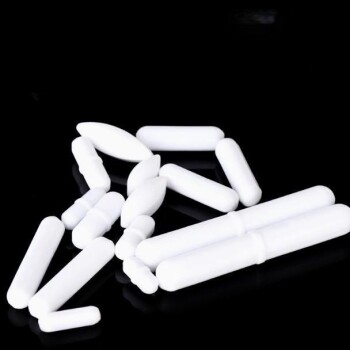
Custom PTFE Teflon Parts Manufacturer PTFE Magnetic Stirring Bar
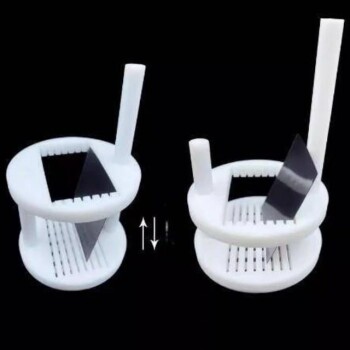
Custom PTFE Teflon Parts Manufacturer Adjustable Height Flower Basket
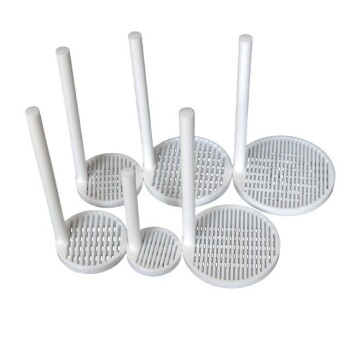
Custom PTFE Teflon Parts Manufacturer PTFE Cleaning Rack
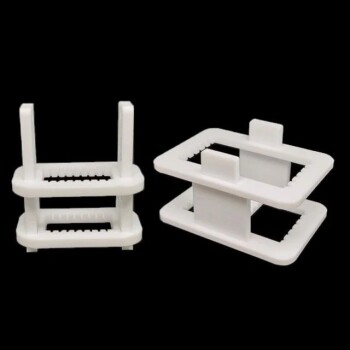
Custom PTFE Teflon Parts Manufacturer Conductive Glass Substrate Cleaning Rack
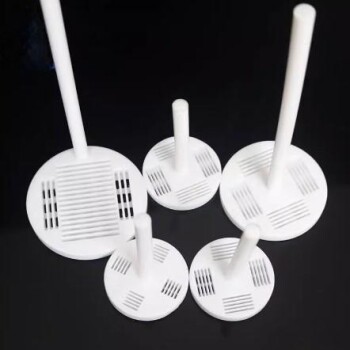
Custom Machined Molded PTFE Teflon Parts Manufacturer for Laboratory ITO FTO Conductive Glass Cleaning Flower Basket
