All Questions
What Key Thermal And Chemical Properties Of Fluoropolymers Like Ptfe And Pfa Enable Their Performance In Extreme Environments Like Microwave Digestion Vessels? Discover The Science Behind Their Superior Performance.
Explore how PTFE and PFA's unique chemical inertness and thermal stability ensure safe, contamination-free microwave digestion for accurate trace analysis.
Why Are Pfa And Ptfe Fluoropolymer Vessels Preferred Over Glass For Microwave Digestion And High-Purity Sample Preparation Involving Fluorinated Reagents? Discover The Key Advantages For Trace Analysis.
Learn why PFA/PTFE vessels outperform glass for HF digestion and high-purity sample prep, offering chemical resistance, low contamination, and durability.
What Is The Function Of A High-Pressure Digestion Vessel And Its Ptfe Liner? Achieve High-Purity S@Mo2C Synthesis
Discover how high-pressure digestion vessels and PTFE liners ensure high purity and optimal pressure for S@Mo2C catalyst synthesis.
What Are The Advantages Of An Automated Microwave Reaction System? Enhanced Cu2O Hybrid Synthesis & Speed.
Discover why automated microwave systems outperform traditional heating in Cu2O synthesis through faster reaction times and superior purity.
How Do Microwave Reaction Chambers Assist In The Magnetic Transformation Of Eg@Mo Precursors? Achieve Rapid Phase Change
Learn how microwave reaction chambers enable rapid MnOOH dehydration and precise magnetic phase transition for EG@MO precursors in just 10 seconds.
What Are The Advantages Of Using Microwave Digestion Vessels? Optimize Eg@Mo Synthesis With Superior Thermal Control.
Discover why microwave digestion vessels outperform traditional kettles in EG@MO synthesis through uniform volumetric heating and faster kinetics.
Why Are High-Strength Pfa Microwave Digestion Vessels Ideal For Complex Samples? Ensure Pure & Precise Trace Analysis
Discover how high-strength PFA microwave digestion vessels ensure high-purity, pressure-resistant sample pretreatment for accurate trace analysis.
What Function Do Pfa Digestion Vessels Serve In Lifepo4 Analysis? Ensure High-Purity Pretreatment For Accurate Results
Discover how PFA digestion vessels enable high-precision LiFePO4 analysis through chemical resistance and near-zero metal background levels.
What Are The Advantages Of Using Microwave-Assisted Hydrothermal Systems For Lifepo4? Faster Synthesis & Precision
Compare microwave-assisted vs. traditional hydrothermal methods for LiFePO4. Discover benefits in speed, morphology control, and battery performance.
How Does The Sealing And Pressure Control Of A Microwave Reactor Affect The Formation Of Mnfe2O4/Rgo? Optimize Synthesis
Learn how reactor sealing and autogenous pressure enhance MnFe2O4/rGO synthesis, improving crystallinity and loading uniformity in microwave reactors.
What Are The Process Advantages Of Microwave Synthesis For Mnfe2O4/Rgo? Boost Speed And Material Purity.
Discover how microwave synthesis offers volumetric heating, rapid kinetics, and superior morphology control for high-performance MnFe2O4/rGO.
What Role Do High-Purity Ptfe Or Pfa Microwave Vessel Liners Play In Mnfe2O4/Rgo Synthesis? Ensure Purity & Morphology
Discover how high-purity PTFE and PFA liners enable uniform heating and prevent contamination in the synthesis of MnFe2O4/rGO nanocomposites.
What Specific Material And Structural Requirements Are Necessary For Microwave Digestion Vessels? Ensure Lab Safety
Explore key requirements for microwave digestion vessels, including microwave transparency, pressure resistance, and high-purity TFM/PFA/PTFE materials.
What Is The Role Of Industrial Microwave Reaction Equipment In The Synthesis Of Rgo And S-Rgo? Boost Efficiency & Quality
Discover how industrial microwave systems optimize rGO and S-rGO synthesis with uniform volumetric heating for superior conductivity and speed.
What Are The Technical Advantages Of Using Microwave Reaction Systems For Cau-63? Faster Synthesis & Superior Purity.
Learn how microwave systems accelerate CAU-63 synthesis to 6 hours while preventing impurities through precise volumetric heating and control.
Why Are Pfa Digestion Vessels Necessary For Trace Analysis? Ensure Purity And Precision In Microwave Digestion
Discover why PFA vessels are essential for trace analysis: zero metal leaching, high recovery rates, and extreme chemical resistance.
What Role Do Industrial Microwave Reaction Systems Play In Iridium Oer Catalyst Synthesis? Achieve Superior Performance
Explore how industrial microwave systems enhance iridium OER catalysts by creating quasi-amorphous structures with high surface area and activity.
Why Are Specialized Microwave Digestion Vessels Preferred? Enhance Carbon Electrode Synthesis Efficiency & Purity
Discover how specialized microwave digestion vessels optimize carbon electrode synthesis through wave transparency and extreme chemical resistance.
Why Use Specialized Microwave Vessels For Coal-Based Fluorescent Carbon Dots? Boost Quantum Yield And Precision.
Discover why specialized microwave vessels are essential for coal-based carbon dots to ensure volumetric heating, high pressure, and superior QY.
What Are The Advantages Of A High-Pressure Microwave Reactor? Faster Heating And Precise Control For Zeolite Catalysis.
Learn how high-pressure microwave reactors improve zeolite catalytic evaluation with rapid heating, precise PID control, and enhanced safety features.
What Are The Processing Advantages Of Using High-Precision Microwave Synthesis Equipment For Mfi-Type Zeolites?
Discover how microwave synthesis accelerates MFI-type zeolite production, ensuring uniform particle size and superior crystal quality in hours.
Why Are Specialized Microwave Vessels Used For Mxene Synthesis? Achieve High-Purity, High-Performance Cathodes
Discover why specialized microwave vessels are vital for MXene synthesis, enabling volumetric heating, high pressure, and superior material purity.
Why Must Pfa Or Ptfe Digestion Vessels Be Used When Preparing Copper Tungstate (Cuwo4) Samples For Icp-Oes? Hf-Safe Purity.
Discover why PFA/PTFE vessels are vital for copper tungstate ICP-OES analysis. Prevent HF acid corrosion and ensure ultra-low trace metal backgrounds.
What Are The Operational Efficiencies Gained By Using Microwave Digestion Vessels? Boost Throughput And Precision
Discover how microwave digestion vessels reduce cycle times, cut acid waste, and improve recovery rates for high-throughput laboratory workflows.
Why Is Tfm Preferred Over Standard Ptfe For Microwave Digestion Liners? Enhance Safety And Trace Analysis Purity
Compare TFM vs. PTFE for microwave digestion. Discover why TFM's mechanical stability and lower porosity ensure safer, higher-purity trace analysis.
How Do Microwave Digestion Vessels Support Pharmaceutical Elemental Impurity Testing? Achieve Precise Usp Compliance
Learn how microwave digestion vessels enable accurate elemental impurity testing in pharma, ensuring USP <232> compliance with high-purity TFM liners.
What Are The Benefits Of Using Microwave Digestion Vessels In Geological And Mining? Boost Recovery & Analysis Speed
Enhance geological assays with microwave digestion vessels. Dissolve refractory minerals faster, ensure complete recovery, and reduce contamination.
How Do Microwave Digestion Vessels Facilitate The Analysis Of Food And Biological Materials? Achieve Precise Trace Analysis
Learn how microwave digestion vessels enable complete mineralization of food and biological samples for accurate ICP-MS and trace element analysis.
What Are The Advantages Of Using Microwave Digestion Vessels For Environmental Analysis? Boost Speed And Sample Accuracy.
Learn how microwave digestion vessels improve environmental analysis by accelerating decomposition and ensuring high recovery of trace elements.
What Safety Features Are Commonly Integrated Into Microwave Digestion Vessels? Ensuring High-Pressure Laboratory Safety
Discover the safety mechanisms of microwave digestion vessels, including pressure relief systems, real-time monitoring, and advanced materials.
What Analytical Techniques Are Used To Analyze Solutions Produced By Microwave Digestion Vessels? Master Elemental Analysis
Learn about ICP-MS, ICP-OES, and AAS—the primary techniques for analyzing samples prepared via microwave digestion for precise elemental analysis.
How Does The Closed-Vessel Design Of Microwave Digestion Vessels Improve Sample Preparation? Unlock Superior Trace Analysis
Discover how closed-vessel microwave digestion accelerates reactions and ensures 100% volatile element recovery for high-precision trace analysis.
What Are The Temperature And Pressure Capabilities Of Microwave Digestion Vessels? Maximize Lab Sample Prep Efficiency
Discover the temperature (300°C) and pressure (200 bar) limits of microwave digestion vessels to ensure safe, accurate trace element analysis.
What Materials Are Typically Used To Construct Microwave Digestion Vessels? A Guide To Ptfe, Tfm, Pfa, And Quartz
Discover the pros and cons of PTFE, TFM, PFA, and Quartz for microwave digestion vessels to optimize trace analysis and laboratory safety.
What Makes Ptfe Digestion Vessels Suitable For Geological And Mining Applications? Hf Resistance & Ultra-Trace Recovery
Discover how PTFE digestion vessels enable complete mineral dissolution and ultra-trace analysis with HF resistance and thermal stability.
What Are The Specific Advantages Of Using Tfm-Ptfe For High-Pressure Digestion Liners? Superior Strength & Trace Purity
Discover why TFM-PTFE is the best choice for high-pressure digestion liners, offering reduced creep, low gas permeability, and ultra-trace purity.
What Safety Features Are Typically Incorporated Into High-Pressure Ptfe Digestion Vessel Designs? Ensure Lab Safety
Discover the key safety features of high-pressure PTFE digestion vessels, including rupture discs, external jackets, and real-time monitoring systems.
How Does The Dielectric Property Of Ptfe Benefit Microwave-Assisted Digestion? Unlock Rapid And Uniform Sample Heating
Explore how PTFE’s dielectric transparency enables fast, uniform microwave digestion, ensuring chemical inertness and precision for trace analysis.
Why Is Ptfe Considered An Ideal Material For Sample Digestion Vessels Compared To Glass Or Quartz? Unmatched Acid Safety
Discover why PTFE is the industry standard for sample digestion, offering unmatched chemical resistance and ultra-low trace metal contamination.
How Do Organic Sample Matrices Influence The Pressure Dynamics Within A Microwave Digestion Vessel? Control Gas Evolution
Learn how organic matrices like lipids and carbohydrates cause pressure spikes in microwave digestion and how to manage them for safe mineralization.
Which Safety Mechanisms Are Typically Integrated Into High-Precision Microwave Digestion Vessels? A Complete Safety Guide
Explore the dual-layered safety features of microwave digestion vessels, from rupture discs to optical sensors, ensuring secure lab operations.
How Does A Single Reaction Chamber (Src) System Differ From A Traditional Rotor-Based Microwave Digestion Vessel System?
Discover the core differences between SRC and traditional rotor-based microwave digestion, including design, temperature limits, and sample purity.
What Are The Advantages Of Using Closed-Vessel Microwave Digestion? Achieve Faster, High-Precision Trace Analysis.
Discover why closed-vessel microwave digestion outperforms hot-plates with faster heating, volatile element recovery, and reduced contamination.
What Are The Structural Functions Of The Outer Jacket In A Microwave Digestion Vessel Assembly? Ensure High-Pressure Safety
Understand the role of the outer jacket in microwave digestion vessels, including pressure containment, material strength, and safe lab operation.
Why Is Tfm-Ptfe Preferred Over Standard Ptfe For Microwave Digestion Vessel Liners? Enhance Stability And Purity
Explore why TFM-PTFE is the top choice for microwave digestion liners, offering superior pressure resistance, lower porosity, and ultra-trace purity.
What Role Does Ionic Conduction Play In The Microwave Heating Of Acid Digestion Mixtures? Optimize Heat Performance
Master the mechanics of ionic conduction in microwave acid digestion to optimize heating speed, prevent thermal runaway, and ensure sample integrity.
How Does The Dipole Rotation Mechanism Heat Microwave Digestion Vessels? Master Rapid & Uniform Molecular Energy Transfer
Learn how dipole rotation at 2.45 GHz creates molecular friction to provide rapid, uniform volumetric heating in microwave digestion vessels.
What Is The Primary Function Of Microwave Digestion Vessels? High-Precision Sample Prep For Trace Analysis
Discover how microwave digestion vessels use high pressure and PTFE/PFA liners to decompose complex samples for precise ICP-MS and AAS analysis.
Related Products
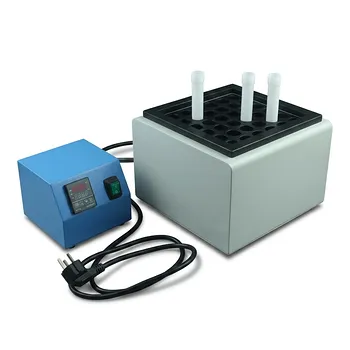
High Purity PTFE Microwave Digestion Vessel Replacement for GT-400 Systems Acid Reflux and Sample Preparation
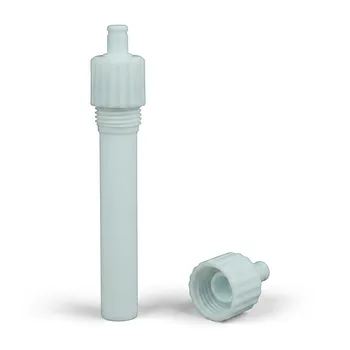
High Performance PTFE Microwave Digestion Vessel Replacement Bespoke Fluoropolymer Acid Digestion Tank Intelligent Sample Preparation Labware
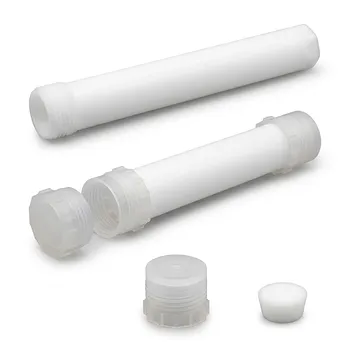
High Purity Laboratory Microwave Digestion Vessel Customizable PFA PTFE Digestion Tank for Analytical Sample Preparation Trace Metal Analysis
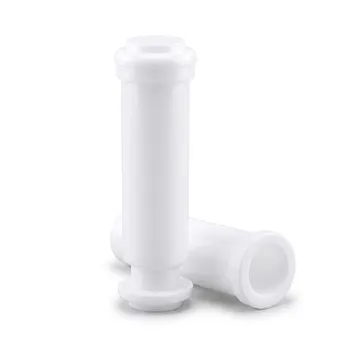
Custom High Purity TFM Microwave Digestion Vessel 100ml for Analytical Laboratory Sample Preparation
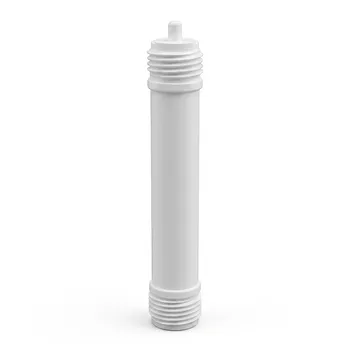
High Purity PTFE Microwave Digestion Vessel for Soil and Food Analysis Acid Resistant Fluoropolymer Sample Preparation Liners