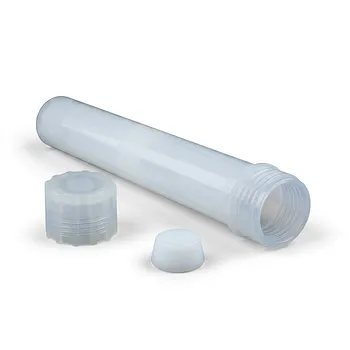
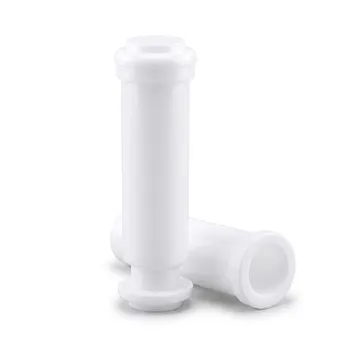
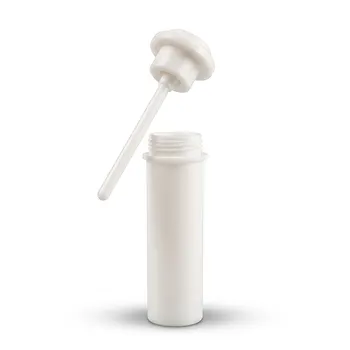
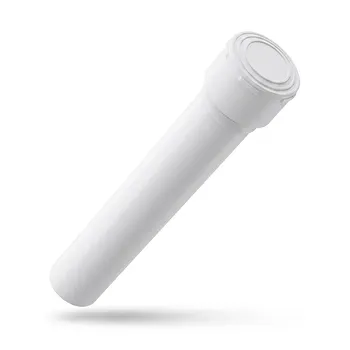
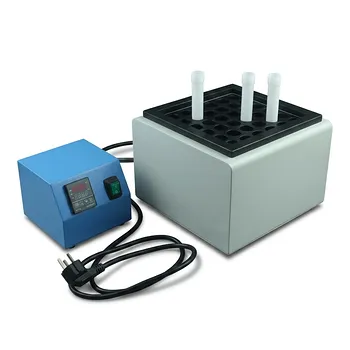
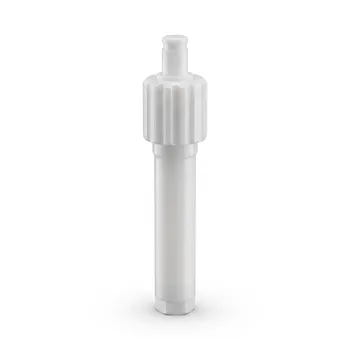
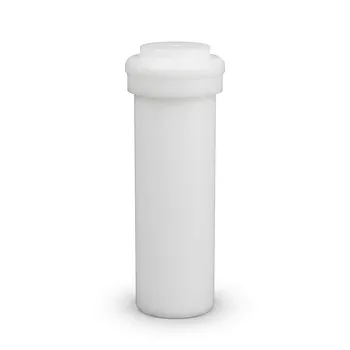
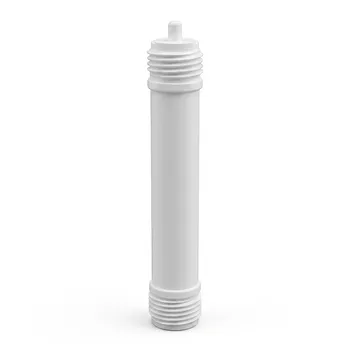
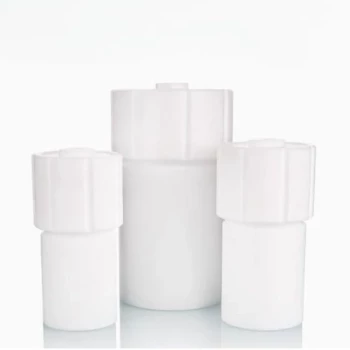
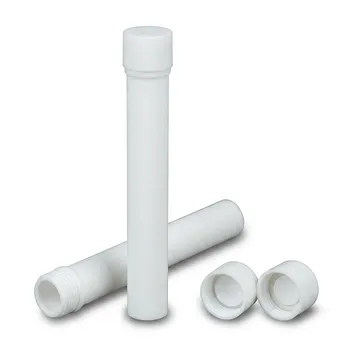
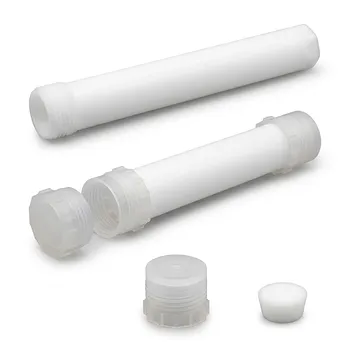
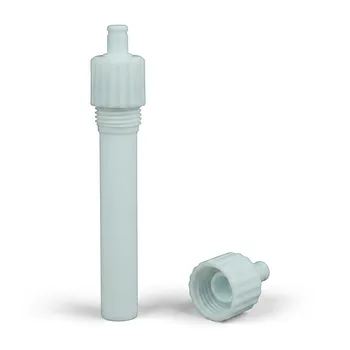
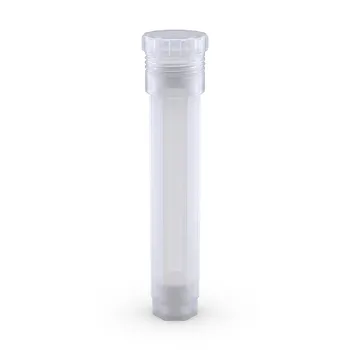
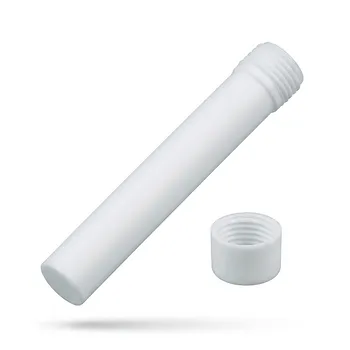
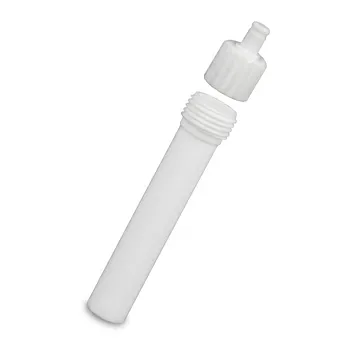
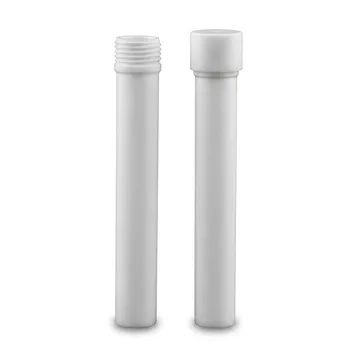
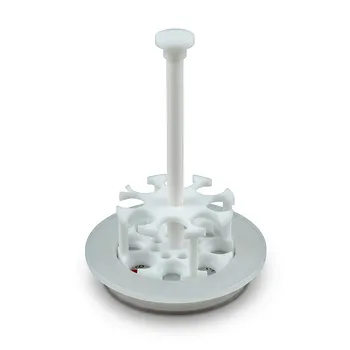
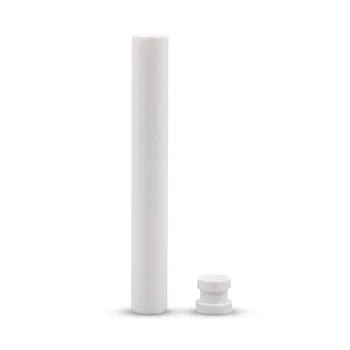
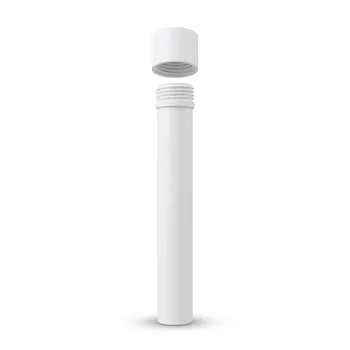
Microwave digestion vessels must maintain high structural strength and reliable sealing under high-temperature and strong-acid conditions. These vessels are manufactured from microwave-transparent, high-purity plastics, such as TFM, PTFE, or PFA, which can withstand significant internal pressure while remaining chemically inert. Precision manufacturing and material uniformity are critical to prevent leaks and ensure the safety of the digestion process.
The central takeaway is that microwave digestion vessels must simultaneously provide extreme chemical resistance, microwave transparency, and mechanical integrity. Success depends on using high-purity fluoropolymers that are precision-machined to ensure a perfect seal under intense thermal and pressure stresses.
Essential Material Properties for Digestion Safety
Microwave Transparency
The material must allow microwave energy to pass through to the sample and acid without absorbing heat itself. This ensures that the energy is focused entirely on the reaction, allowing for rapid and efficient heating of the internal contents.
Chemical Inertness and High Purity
Vessels are typically constructed from high-purity fluoropolymers like PTFE (Polytetrafluoroethylene) or PFA (Perfluoroalkoxy). These materials resist corrosion from strong oxidants like concentrated nitric and hydrochloric acids, ensuring that no impurities leach into the sample during trace analysis.
Thermal Stability
Digestion often occurs at temperatures reaching 180°C or higher. Materials like TFM (modified PTFE) are preferred because they maintain their physical properties and chemical resistance at these elevated temperatures, preventing the vessel from softening or deforming.
Structural and Mechanical Requirements
High Pressure Resistance
The mineralization of complex samples generates significant internal gas pressure. Vessels must possess the mechanical strength to contain this pressure without bursting, which is essential for both the completion of the digestion and the safety of the laboratory environment.
Precision CNC Machining
Reliable sealing is achieved through precision CNC machining of the vessel components. This level of manufacturing accuracy ensures that the lid and body fit perfectly, creating a seal that can withstand high pressure without leaking acid vapors into the microwave cavity.
Material Uniformity
Consistent material density is vital to prevent "hot spots" or structural weak points. Material uniformity ensures that the vessel expands and contracts predictably under stress, which prevents premature failure and extends the life of the component.
Understanding the Trade-offs and Limitations
Material Fatigue and Creep
Fluoropolymers are subject to "creep," which is the tendency of a solid material to move slowly or deform permanently under mechanical stress. Over time, repeated heating and cooling cycles will inevitably lead to material fatigue, requiring regular inspection and replacement of vessels.
Memory Effects
Despite their non-stick properties, fluoropolymers can exhibit memory effects, where trace elements from a previous sample are absorbed into the vessel walls. This requires rigorous cleaning protocols, often involving acid steam cleaning, to ensure ultra-trace accuracy for subsequent samples.
Temperature vs. Pressure Limits
There is a constant trade-off between the maximum allowable temperature and pressure. As the temperature increases, the physical strength of the plastic decreases, meaning vessels used at the top of their temperature range cannot safely handle their maximum rated pressure.
Selecting the Right Vessel for Your Application
Selecting the appropriate vessel depends on the complexity of your matrix and the sensitivity of your detection method.
- If your primary focus is ultra-trace metal analysis: Choose high-purity PFA or quartz vessels to achieve the lowest possible blank values and minimize the risk of cross-contamination.
- If your primary focus is high-pressure mineralization of organic samples: Utilize TFM (modified PTFE) vessels for their superior mechanical strength and ability to withstand higher pressure-bearing environments.
- If your primary focus is routine digestion with standard acids: Standard PTFE vessels offer a cost-effective and durable solution for applications that do not require extreme temperatures or ultra-low detection limits.
The integrity of your analytical results begins with a vessel that can survive the extreme conditions required to transform a complex sample into a clear solution.
Summary Table:
| Requirement | Key Specification | Benefit to Lab Operations |
|---|---|---|
| Material Purity | High-purity TFM, PTFE, or PFA | Prevents sample contamination and resists strong acids. |
| Wave Transparency | Microwave-transparent plastics | Ensures energy focuses on the sample for rapid heating. |
| Mechanical Strength | High pressure & thermal resistance | Safely contains internal gases during mineralization. |
| Manufacturing | Precision CNC Machining | Provides a perfect leak-proof seal under extreme stress. |
| Stability | Material Uniformity | Prevents structural weak points and extends vessel life. |
Elevate Your Trace Analysis with KINTEK Precision
At KINTEK, we understand that the integrity of your results depends on the quality of your equipment. We specialize in manufacturing a comprehensive range of laboratory supplies crafted exclusively from high-performance fluoropolymers like PTFE and PFA.
From essential labware—such as beakers, reagent bottles, and digestion tubes—to specialized microwave digestion vessels, hydrothermal synthesis liners, and custom-engineered reaction apparatus, our products are designed to withstand the harshest chemical and thermal environments. Backed by expert end-to-end custom CNC fabrication, we deliver everything from high-volume standard consumables to complex, bespoke machined parts tailored to your specific research needs.
Ready to upgrade your lab's durability and purity? Contact KINTEK today to discuss your requirements and see how our fluoropolymer expertise can support your next breakthrough.
References
- Melena Groß, Hans‐Jürgen Meyer. Hydrothermal Synthesis and Characterization of the Melamine‐Based Second‐Harmonic Generation Material HgCl<sub>2</sub>(C<sub>3</sub>N<sub>6</sub>H<sub>6</sub>). DOI: 10.1002/ejic.202500256
This article is also based on technical information from Kintek Knowledge Base .
Related Products
- High Purity Corrosion Resistant PFA Microwave Digestion Vessels 55ml Replacement Tubes for Trace Analysis
- Custom High Purity TFM Microwave Digestion Vessel 100ml for Analytical Laboratory Sample Preparation
- Custom TFM Microwave Digestion Vessels for ICP-OES Analysis High Purity Fluoropolymer Sample Preparation Labware
- High Temperature TFM Microwave Digestion Vessel Lid Compatible with Acid Evaporation Systems and Laboratory Pretreatment Equipment
- Custom High Purity TFM Microwave Digestion Vessel 100ml Capacity Compatible Replacement Liner for Professional Analytical Instruments
People Also Ask
- Why are high-strength PFA microwave digestion vessels ideal for complex samples? Ensure Pure & Precise Trace Analysis
- What safety features are commonly integrated into microwave digestion vessels? Ensuring High-Pressure Laboratory Safety
- What are the advantages of using microwave digestion vessels for environmental analysis? Boost speed and sample accuracy.
- What are the advantages of using microwave digestion vessels? Optimize EG@MO synthesis with superior thermal control.
- How do microwave digestion vessels support pharmaceutical elemental impurity testing? Achieve Precise USP Compliance