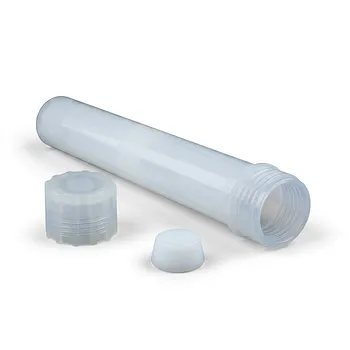
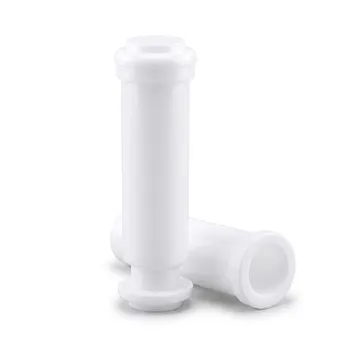
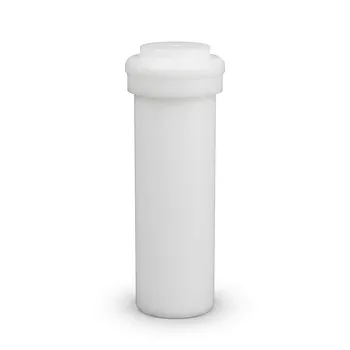
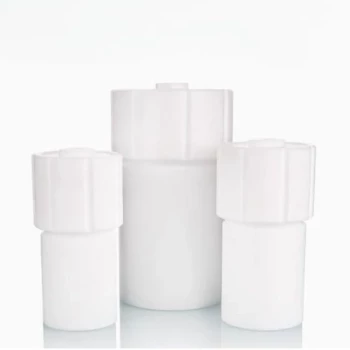
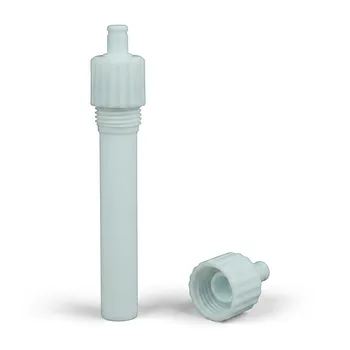
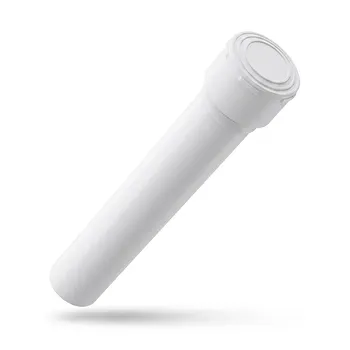
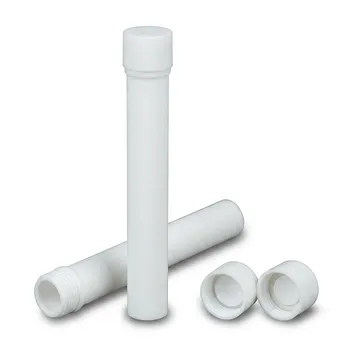
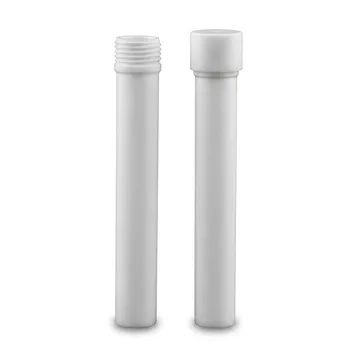
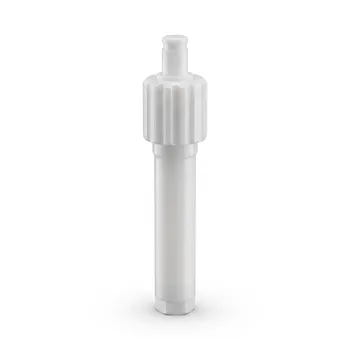
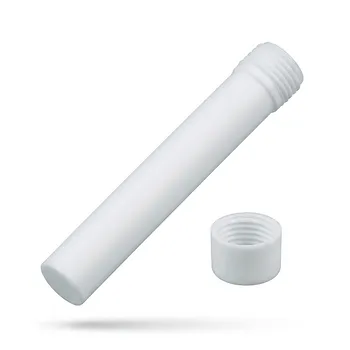
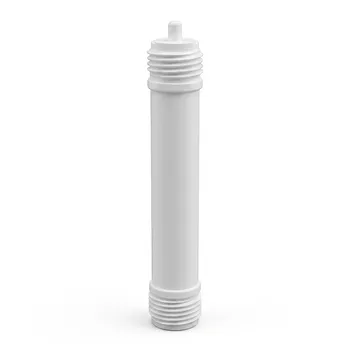
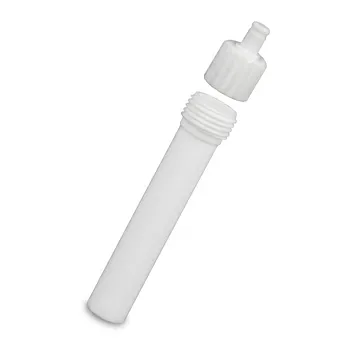
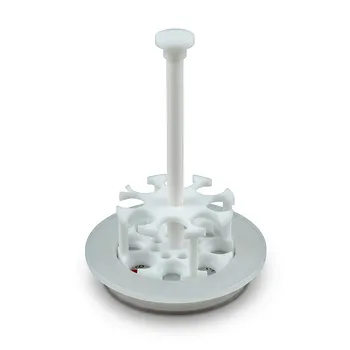
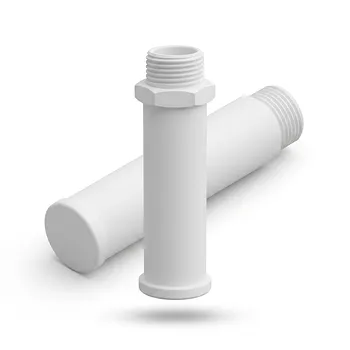
Microwave digestion vessels are engineered with redundant safety layers designed to prevent catastrophic failure under extreme pressure and temperature. These vessels primarily utilize mechanical overpressure relief mechanisms, such as calibrated rupture discs and spring-loaded valves, to vent gases if internal thresholds are exceeded. When integrated with modern microwave systems, these passive features are supported by active electronic monitoring and specialized material science to ensure a controlled mineralization process.
Core Takeaway: The safety of microwave digestion relies on a multi-tiered approach that combines passive mechanical venting, active sensor-based feedback loops, and high-performance material engineering to manage the volatile conditions of acid digestion.
Mechanical Pressure Relief Systems
Calibrated Rupture Discs and Membranes
The most common safety feature is a rupture disc or frangible membrane designed to fail at a specific, predetermined pressure. If the internal pressure reaches a dangerous level, the disc bursts, allowing the pressurized acid vapors to vent safely into the microwave's exhaust system.
Spring-Loaded Closure Assemblies
Higher-end vessels often use spring-loaded mechanisms that allow the vessel lid to lift slightly when pressure spikes. This "vent-and-reseal" capability allows the vessel to relieve excess pressure without destroying the digestion run or losing the entire sample.
Controlled Venting and Blow-off Assemblies
In the event of a rapid pressure increase, blow-off assemblies provide a predictable path for gas escape. This prevents the vessel from fracturing unpredictably, which could otherwise damage the microwave cavity or pose a risk to laboratory personnel.
Real-Time Monitoring and Active Control
Optical Temperature and Pressure Control (OTC/OPC)
Modern systems interface with Optical Temperature Control (OTC) and Optical Pressure Control (OPC) sensors. These provide the microwave controller with real-time feedback, allowing the system to automatically reduce power or shut down if a runaway exothermic reaction is detected.
Infrared and Fiber-Optic Sensors
Vessels are monitored using infrared (IR) sensors that track surface temperature or fiber-optic probes that measure internal conditions directly. These sensors ensure the digestion stays within the safe operating envelope of the vessel material.
Active Cooling Systems
Following the digestion cycle, active cooling systems (often high-speed fans) are used to reduce vessel temperature rapidly. This allows the internal pressure to subside, ensuring the vessels can be handled and opened safely by the operator shortly after the process concludes.
Structural Integrity and Material Engineering
High-Performance Fluoropolymers
Vessels are typically constructed from TFM, PTFE, or PFA, which offer extreme chemical inertia and high mechanical strength. These materials are microwave-transparent, meaning they do not heat up themselves, allowing the energy to focus solely on the acid-sample mixture.
External Reinforcement Jackets
For high-pressure applications, a primary fluoropolymer liner is often encased in an external metal or high-strength polymer jacket. This reinforcement provides the necessary structural support to prevent the inner liner from deforming or "creeping" under intense heat and pressure.
Precision CNC Machining
The reliability of a vessel's seal depends on precision CNC machining and material uniformity. High-quality manufacturing ensures that the seal remains tight even as the vessel components expand at different rates during heating.
Understanding the Trade-offs and Risks
Material Fatigue and Degradation
Every safety mechanism has a finite lifespan, and fluoropolymers eventually degrade after repeated exposure to high temperatures and aggressive acids. Failure to replace liners or rupture discs according to the manufacturer's schedule can lead to unexpected vessel failure.
Contamination vs. Strength
While high-purity quartz vessels offer the lowest possible blank values for sensitive analysis, they are more brittle than fluoropolymers. Users must choose between the chemical purity of quartz and the physical "give" or elasticity of plastic-based vessels.
Thermal Expansion Mismatch
Different components of a digestion vessel (e.g., the PTFE liner and the outer sleeve) often have different coefficients of thermal expansion. If a system is heated or cooled too rapidly, these components may expand or contract at different rates, potentially compromising the seal and leading to leaks.
Applying Safety Standards to Your Laboratory
When selecting or operating microwave digestion vessels, your choice should be dictated by the complexity of your samples and the required detection limits.
- If your primary focus is high-throughput routine testing: Prioritize vessels with "vent-and-reseal" technology and active cooling to maximize efficiency and minimize the cost of consumables like rupture discs.
- If your primary focus is trace metal analysis: Opt for high-purity TFM or quartz vessels with integrated fiber-optic sensors to ensure complete mineralization while maintaining the lowest possible contamination levels.
- If your primary focus is reactive or unknown organic samples: Utilize vessels with heavy-duty reinforcement jackets and redundant rupture discs to provide maximum protection against unpredictable exothermic reactions.
By integrating robust mechanical venting with precise electronic monitoring, microwave digestion remains one of the safest and most efficient methods for sample preparation in the modern analytical lab.
Summary Table:
| Safety Category | Key Mechanisms | Primary Benefit |
|---|---|---|
| Mechanical Relief | Rupture discs, spring-loaded valves, blow-off assemblies | Prevents catastrophic vessel failure by venting excess pressure. |
| Active Monitoring | Optical (OTC/OPC), IR, and fiber-optic sensors | Provides real-time feedback to adjust power and prevent runaway reactions. |
| Material Science | TFM, PTFE, PFA, and reinforcement jackets | Offers chemical inertia and structural integrity under extreme heat. |
| Process Control | Active cooling systems and precision CNC machining | Ensures rapid pressure reduction and leak-proof seals for operator safety. |
Secure Your Lab with High-Performance Fluoropolymer Solutions
At KINTEK, we specialize in the engineering and manufacturing of high-performance laboratory supplies crafted exclusively from PTFE and PFA. Whether you require everyday basics like beakers, crucibles, and reagent bottles, or advanced components for complex mineralization, our products are designed to meet the highest safety and purity standards.
Our comprehensive range includes:
- Essential Labware: Beakers, measuring cylinders, dishes, and wash bottles.
- Trace Analysis & Sample Prep: High-purity vessels, digestion tubes, filters, and pipettes.
- Fluid Transfer & Components: Tubing, fittings, valves, and precision-machined O-rings.
- Advanced Apparatus: Microwave digestion vessels, hydrothermal synthesis liners, and custom electrochemical cells.
Backed by end-to-end custom CNC fabrication, KINTEK can deliver everything from high-volume orders to bespoke, non-standard machined parts tailored to your specific research needs.
Ready to enhance your lab’s efficiency and safety?
Contact KINTEK Today to Discuss Your Custom Requirements
Related Products
- High Purity Corrosion Resistant PFA Microwave Digestion Vessels 55ml Replacement Tubes for Trace Analysis
- Custom High Purity TFM Microwave Digestion Vessel 100ml for Analytical Laboratory Sample Preparation
- High Purity TFM Microwave Digestion Vessels for Trace Analysis and Custom Sample Preparation Systems
- Custom PTFE Microwave Digestion Vessels for Demanding Applications
- High Purity PTFE Microwave Digestion Vessel Replacement for GT-400 Systems Acid Reflux and Sample Preparation
People Also Ask
- Why are high-strength PFA microwave digestion vessels ideal for complex samples? Ensure Pure & Precise Trace Analysis
- What are the advantages of using microwave digestion vessels for environmental analysis? Boost speed and sample accuracy.
- What are the advantages of using microwave digestion vessels? Optimize EG@MO synthesis with superior thermal control.
- How do microwave digestion vessels support pharmaceutical elemental impurity testing? Achieve Precise USP Compliance
- Why do fluoropolymer labware and microwave digestion vessels exhibit exceptional thermal stability and chemical inertness compared to standard non-fluorinated laboratory plastics?