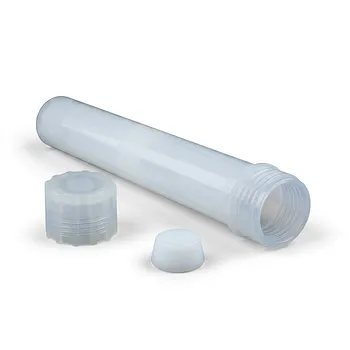
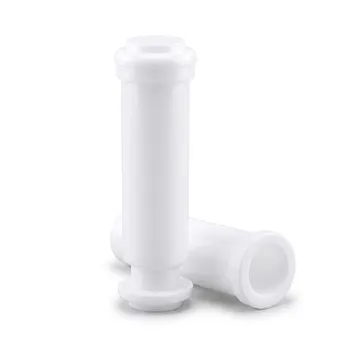
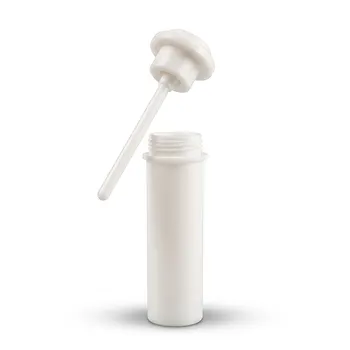
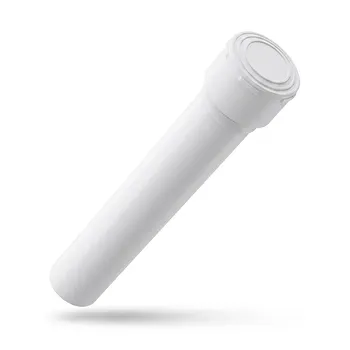
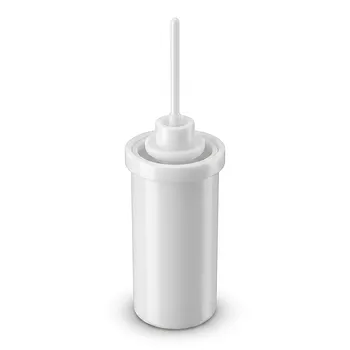
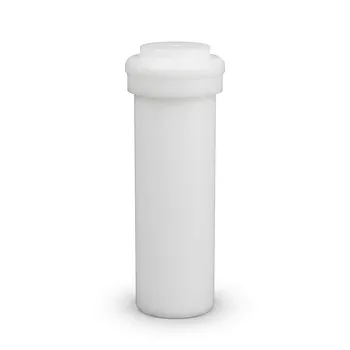
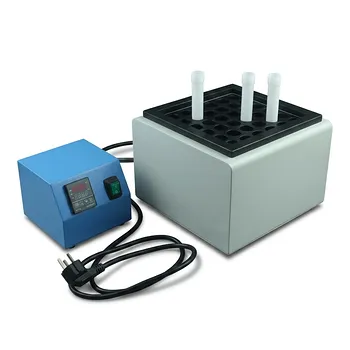
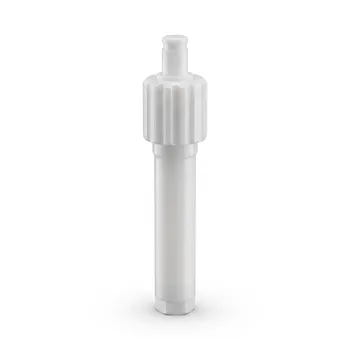
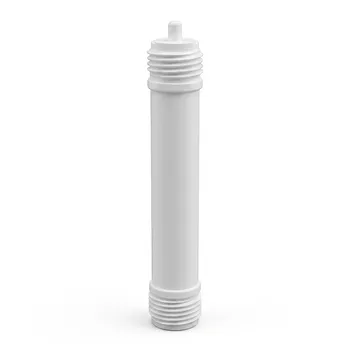
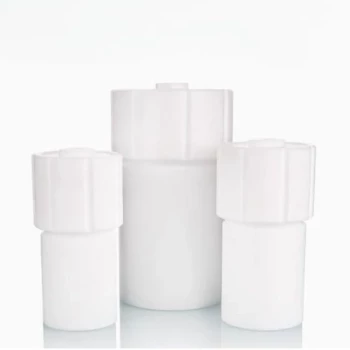
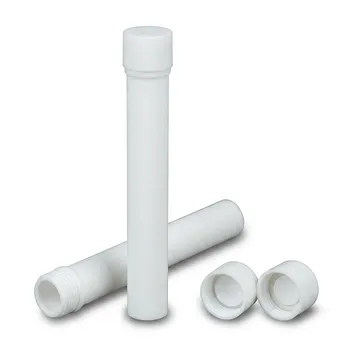
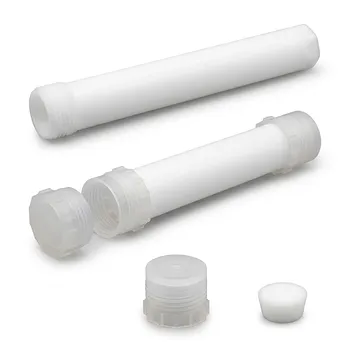
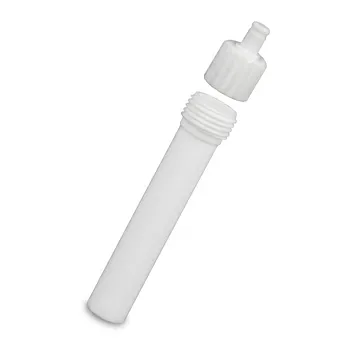
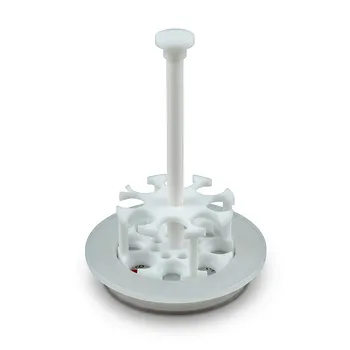
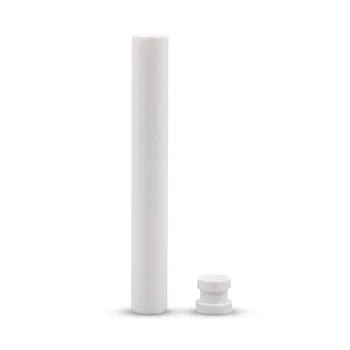
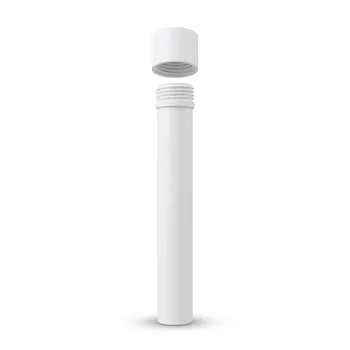
The outer jacket of a microwave digestion vessel acts as the primary structural exoskeleton, providing the mechanical strength required to contain extreme internal pressures that typically range from 20 to 200 bar. While the internal liner handles chemical compatibility, the outer jacket ensures the entire assembly remains intact under intense physical stress and thermal cycling. By utilizing microwave-transparent materials, it allows energy to reach the sample while maintaining the vessel's physical integrity.
Core Takeaway: The outer jacket is a critical safety and performance component that transforms a chemically inert liner into a high-pressure reactor by providing essential mechanical reinforcement without interfering with microwave energy absorption.
Pressure Containment and Mechanical Reinforcement
Managing Internal Force
During the digestion process, the decomposition of organic matter and the heating of acids generate significant internal pressure. The outer jacket is designed to absorb these tensile and hoop stresses, preventing the inner liner from expanding beyond its elastic limit or rupturing.
Structural Resilience and Thermal Cycling
Digestion involves rapid heating and cooling cycles that can cause materials to fatigue. The jacket provides a stable framework that maintains its shape and strength through hundreds of these thermal cycles, ensuring consistent performance and operator safety.
Material Requirements for Effective Functionality
Microwave Transparency
To allow the digestion process to occur, the jacket must be microwave-transparent. This means it does not absorb microwave energy, ensuring that the power is focused entirely on the reagents and samples inside the vessel rather than heating the vessel wall itself.
High-Performance Polymers and Composites
Manufacturers typically use engineering polymers like PEEK (polyetheretherketone) or glass-fiber-reinforced composites. these materials offer an exceptional strength-to-weight ratio and can withstand the mechanical rigors of high-pressure environments while remaining chemically resistant to external spills.
Understanding the Trade-offs
Fatigue and Material Memory
While high-strength polymers are durable, they are subject to material fatigue over time. Repeated exposure to maximum pressure limits can lead to microscopic stress fractures, meaning these components have a finite lifespan and must be inspected regularly.
Thermal Limits of Engineering Plastics
Even high-performance composites have a glass transition temperature where they may begin to lose structural rigidity. If a digestion run exceeds the recommended temperature for the specific jacket material, the jacket may deform, compromising its ability to contain pressure in future runs.
Best Practices for Maintaining Vessel Integrity
Recommendations for Safe Operation
To ensure the longevity of your vessel assembly and the safety of your laboratory environment, consider the following guidelines based on your specific operational goals.
- If your primary focus is Maximum Safety: Regularly inspect jackets for "crazing" or hair-line fractures and retire any component that shows signs of discoloration or physical deformation.
- If your primary focus is Operational Longevity: Avoid "shock cooling" vessels in ice baths or cold water, as the rapid contraction can cause the glass fibers in composite jackets to delaminate from the polymer matrix.
- If your primary focus is High-Throughput Efficiency: Use a torque wrench to ensure uniform tightening of the vessel caps, which prevents uneven stress distribution across the outer jacket walls.
Ensuring the structural integrity of the outer jacket is the most effective way to maintain a safe, high-performance microwave digestion environment.
Summary Table:
| Structural Function | Description | Key Performance Requirement |
|---|---|---|
| Pressure Containment | Absorbs tensile and hoop stresses from internal reactions (20-200 bar). | High mechanical tensile strength |
| Microwave Transparency | Allows energy to pass through to reagents without absorbing heat itself. | Low dielectric loss (Microwave-transparent) |
| Thermal Resilience | Maintains structural framework during rapid heating and cooling cycles. | High glass transition temperature |
| Mechanical Reinforcement | Prevents the chemically inert inner liner from deforming or rupturing. | High strength-to-weight ratio (PEEK/Composites) |
Elevate Your Lab Performance with KINTEK’s Precision Fluoropolymer Solutions
At KINTEK, we specialize in the engineering and manufacture of high-performance PTFE and PFA laboratory supplies designed to withstand the most demanding environments. Whether you need standard consumables or advanced reaction apparatus, our end-to-end custom CNC fabrication ensures your lab operates with absolute safety and precision.
Our comprehensive range includes:
- Advanced Digestion & Reaction: High-purity microwave digestion vessels, hydrothermal synthesis liners, battery testing fixtures, and electrochemical cells.
- Essential Labware: High-purity beakers, crucibles, reagent bottles, and digestion tubes.
- Fluid Transfer & Prep: Precision tubing, fittings, valves, filters, and separatory funnels.
- Specialized Components: Custom-machined non-standard parts and bespoke laboratory setups tailored to your specific high-pressure or trace analysis requirements.
Why Choose KINTEK?
- Material Expertise: Exclusive focus on high-performance fluoropolymers for superior chemical resistance and thermal stability.
- Custom Fabrication: Fully equipped for high-volume orders and complex bespoke designs.
- Reliability: Engineered to handle extreme thermal cycling and intense mechanical stress.
Ready to upgrade your laboratory setup with durable, high-purity components? Contact our experts today to discuss your specific needs and request a quote!
Related Products
- High Purity Corrosion Resistant PFA Microwave Digestion Vessels 55ml Replacement Tubes for Trace Analysis
- Custom High Purity TFM Microwave Digestion Vessel 100ml for Analytical Laboratory Sample Preparation
- Custom TFM Microwave Digestion Vessels for ICP-OES Analysis High Purity Fluoropolymer Sample Preparation Labware
- High Temperature TFM Microwave Digestion Vessel Lid Compatible with Acid Evaporation Systems and Laboratory Pretreatment Equipment
- Custom High Purity TFM Microwave Digestion Vessel 100ml Capacity Compatible Replacement Liner for Professional Analytical Instruments
People Also Ask
- Why are high-strength PFA microwave digestion vessels ideal for complex samples? Ensure Pure & Precise Trace Analysis
- What safety features are commonly integrated into microwave digestion vessels? Ensuring High-Pressure Laboratory Safety
- What are the advantages of using microwave digestion vessels for environmental analysis? Boost speed and sample accuracy.
- How do microwave digestion vessels support pharmaceutical elemental impurity testing? Achieve Precise USP Compliance
- How does the dipole rotation mechanism heat microwave digestion vessels? Master Rapid & Uniform Molecular Energy Transfer