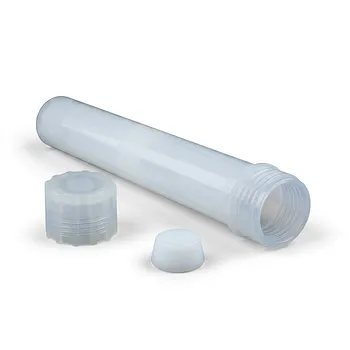
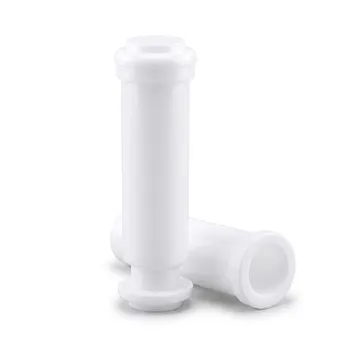
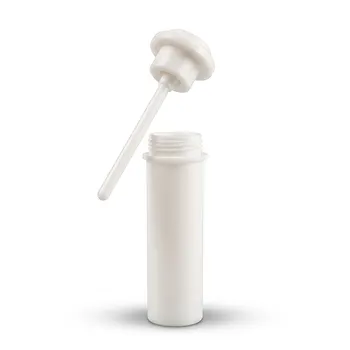
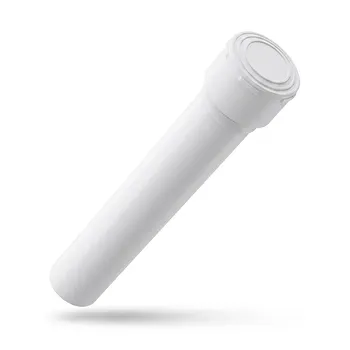
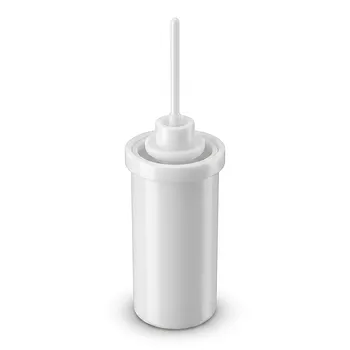
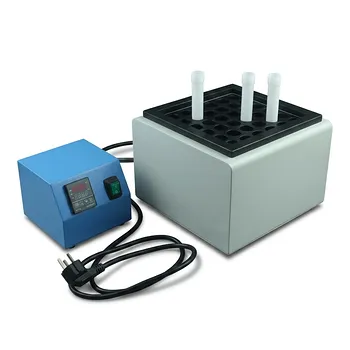
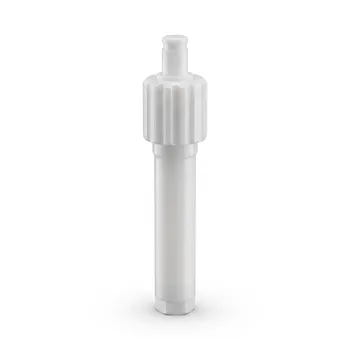
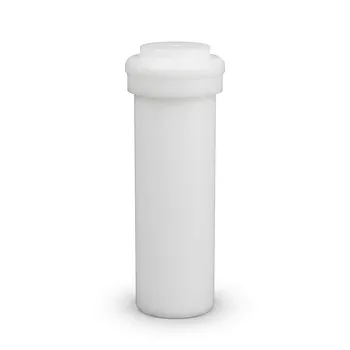
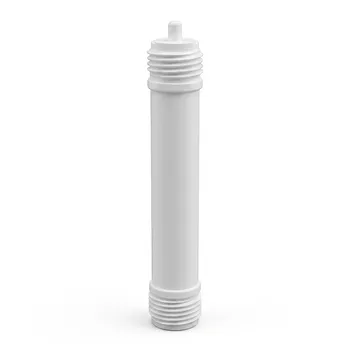
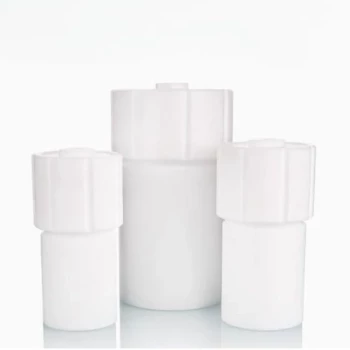
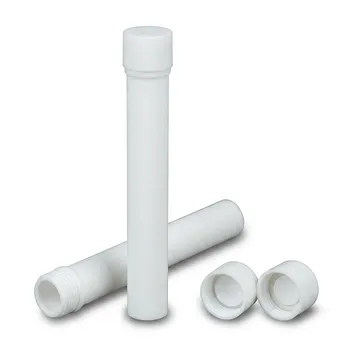
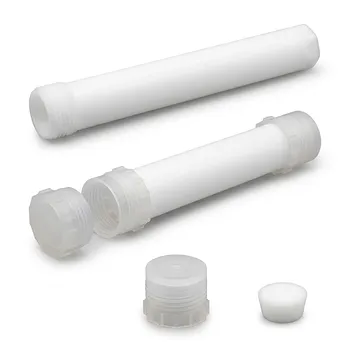
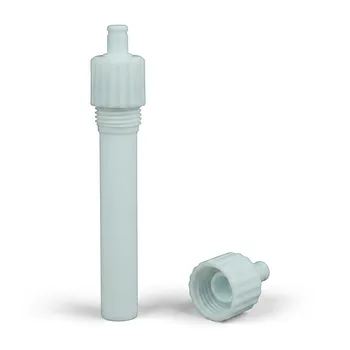
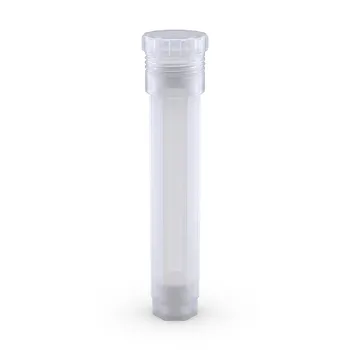
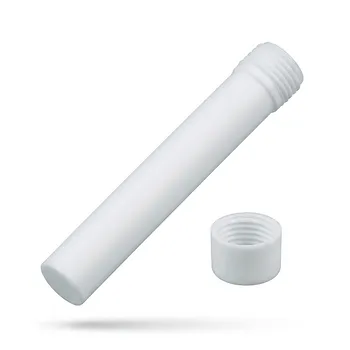
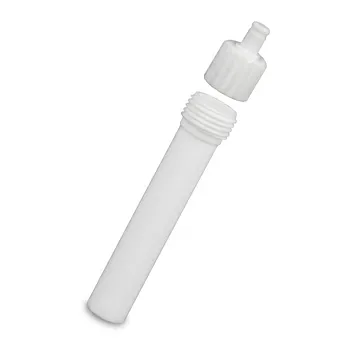
Microwave digestion vessels revolutionize laboratory workflows by replacing slow, conductive heating with rapid, high-pressure volumetric energy.
The operational efficiency of microwave digestion stems from its ability to reduce digestion cycles from several hours to just tens of minutes through direct heating. By utilizing sealed, high-pressure environments, these systems maximize chemical reactivity, reduce acid consumption, and allow for the simultaneous parallel processing of multiple samples. This transition eliminates the manual oversight and environmental hazards inherent in traditional open-vessel hot plate methods.
Core Takeaway: Transitioning to closed-vessel microwave digestion significantly increases laboratory throughput by accelerating decomposition rates while simultaneously improving analytical accuracy through the containment of volatile elements.
Accelerating Throughput and Workflow
Direct Volumetric Heating
Unlike traditional hot plates that rely on thermal conduction from the vessel surface, microwaves heat the reaction liquid directly and volumetrically. This results in an almost instantaneous temperature rise, allowing the sample to reach the required energy state for decomposition in a fraction of the time.
Parallel Sample Processing
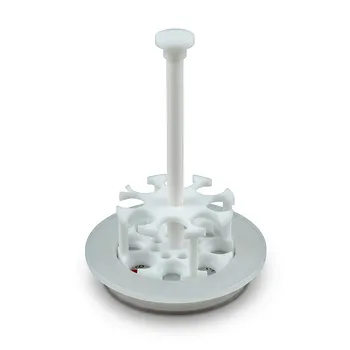
Modern microwave systems utilize rotor-based designs that enable the simultaneous processing of dozens of samples under identical programmed conditions. This parallel capability exponentially increases daily throughput compared to the sequential or limited-batch nature of open-vessel heating.
High-Pressure Reaction Kinetics
By operating in a sealed environment, microwave vessels can reach temperatures far exceeding the atmospheric boiling point of reagents (often between 180°C and 300°C). These elevated temperatures and pressures dramatically accelerate oxidative decomposition, allowing complex matrices like sediment or biological tissue to be processed in minutes.
Reagent and Resource Efficiency
Reduced Acid Consumption
Because the digestion occurs within a closed system, there is no loss of reagents through evaporation. This allows laboratories to achieve complete sample decomposition using significantly lower volumes of concentrated acids, reducing both procurement costs and chemical waste.
Preservation of Volatile Elements
In open-vessel systems, volatile metallic elements such as Mercury (Hg), Arsenic (As), and Selenium (Se) are often lost to the atmosphere, compromising data integrity. The sealed nature of microwave vessels ensures these elements remain in solution, leading to higher recovery rates and more accurate quantitative analysis.
Elimination of Environmental Contamination
Closed systems protect the sample from external atmospheric dust and prevent cross-contamination between adjacent vessels. Simultaneously, they protect the laboratory environment by containing corrosive fumes that would otherwise require high-capacity fume hood ventilation and lead to equipment degradation.
Understanding the Trade-offs
Equipment Complexity and Cost
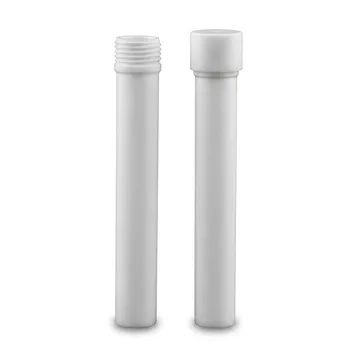
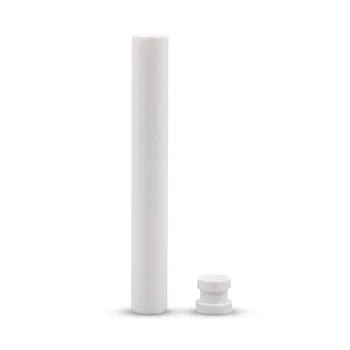
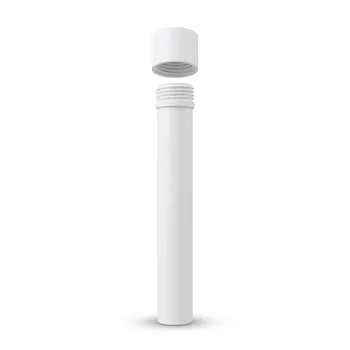
The primary trade-off for these efficiencies is the higher initial capital investment required for microwave systems compared to simple hot plates. These systems also require specialized high-performance fluoropolymers like PTFE or PFA for the vessels to withstand extreme internal pressures.
Safety and Maintenance Protocols
While safer for the operator regarding fume exposure, microwave digestion requires strict adherence to pressure-loading protocols to prevent vessel failure. Users must be trained to manage high-pressure seals and ensure that the vessels are properly maintained to avoid stress-related degradation over time.
How to Apply This to Your Laboratory
Making the Right Choice for Your Goal
- If your primary focus is high-volume trace metal analysis: Utilize rotor-based microwave systems to maximize throughput while ensuring the retention of volatile elements like Mercury and Lead.
- If your primary focus is processing complex biological or organic matrices: Invest in high-pressure fluoropolymer vessels that can reach temperatures above 200°C to ensure total decomposition of tough structures.
- If your primary focus is reducing laboratory overhead and waste: Transition to closed-vessel methods to lower your annual expenditure on concentrated acids and minimize the maintenance costs associated with fume-related corrosion.
By integrating microwave digestion, laboratories can transform a notorious bottleneck into a streamlined, high-precision component of their analytical chain.
Summary Table:
| Feature | Microwave Digestion (Closed) | Open-Vessel Heating |
|---|---|---|
| Heating Method | Direct Volumetric (Rapid) | Conductive (Slow) |
| Cycle Time | Minutes | Several Hours |
| Throughput | High (Parallel Processing) | Low (Limited Batches) |
| Acid Usage | Minimal (No Evaporation) | High (Re-addition required) |
| Element Recovery | High (Volatiles retained) | Risk of loss (Hg, As, Se) |
| Environment | Contained and clean | Risk of cross-contamination |
Maximize Your Analytical Precision with KINTEK
Elevate your laboratory workflow with high-performance fluoropolymer solutions from KINTEK. Whether you require everyday basic labware like PFA beakers and centrifuge tubes, or specialized tools for high-purity trace analysis—including microwave digestion vessels, separatory funnels, and fluid transfer components—we deliver the durability and chemical resistance your research demands.
From standard consumables (stirring bars, O-rings, and seal tapes) to advanced reaction apparatus such as custom electrochemical cells and hydrothermal synthesis liners, KINTEK offers end-to-end custom CNC fabrication. We are equipped to handle everything from complex non-standard machined parts to high-volume orders, maintaining an absolute focus on high-performance PTFE and PFA materials.
Ready to streamline your lab's throughput? Contact us today to discuss your custom fluoropolymer needs!
Related Products
- High Purity Corrosion Resistant PFA Microwave Digestion Vessels 55ml Replacement Tubes for Trace Analysis
- Custom High Purity TFM Microwave Digestion Vessel 100ml for Analytical Laboratory Sample Preparation
- Custom TFM Microwave Digestion Vessels for ICP-OES Analysis High Purity Fluoropolymer Sample Preparation Labware
- High Temperature TFM Microwave Digestion Vessel Lid Compatible with Acid Evaporation Systems and Laboratory Pretreatment Equipment
- Custom High Purity TFM Microwave Digestion Vessel 100ml Capacity Compatible Replacement Liner for Professional Analytical Instruments
People Also Ask
- Why are high-strength PFA microwave digestion vessels ideal for complex samples? Ensure Pure & Precise Trace Analysis
- What safety features are commonly integrated into microwave digestion vessels? Ensuring High-Pressure Laboratory Safety
- What are the advantages of using microwave digestion vessels for environmental analysis? Boost speed and sample accuracy.
- What are the advantages of using microwave digestion vessels? Optimize EG@MO synthesis with superior thermal control.
- How do microwave digestion vessels support pharmaceutical elemental impurity testing? Achieve Precise USP Compliance