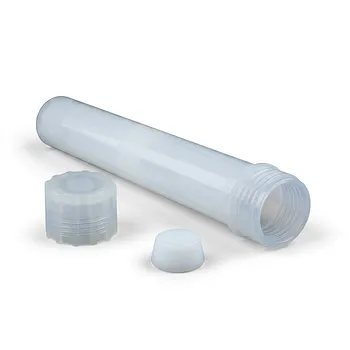
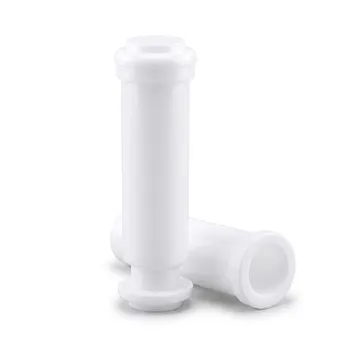
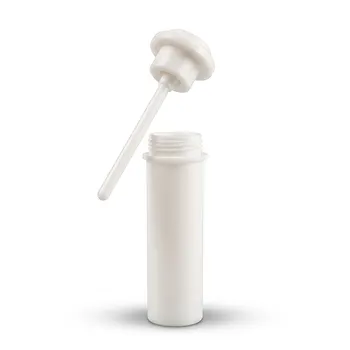
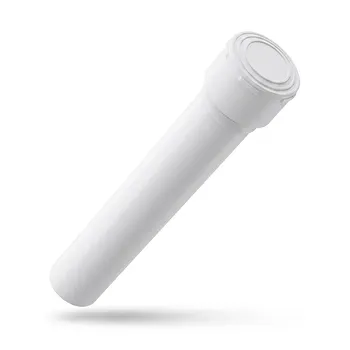
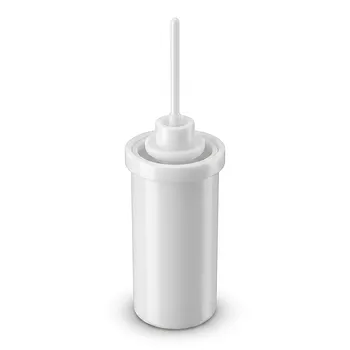
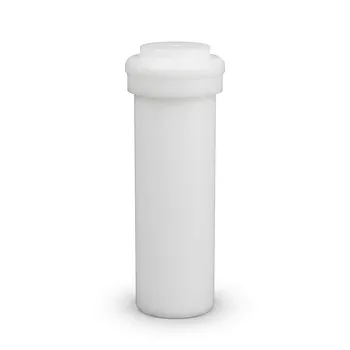
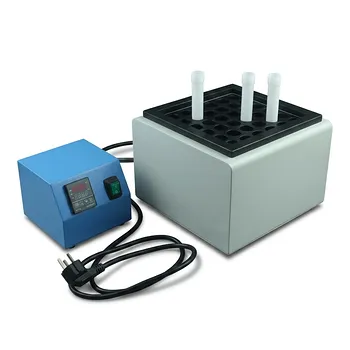
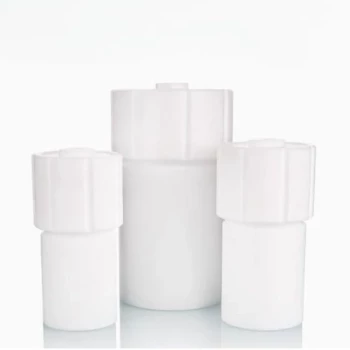
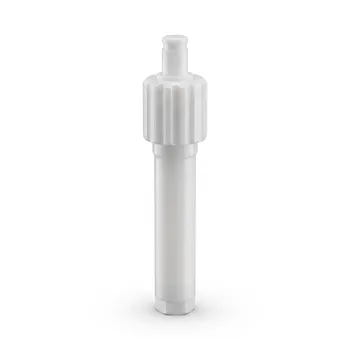
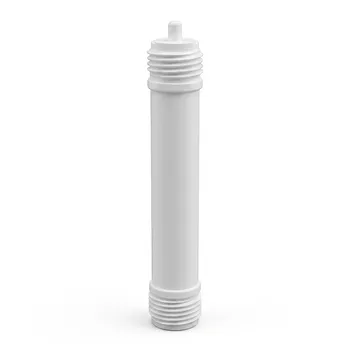
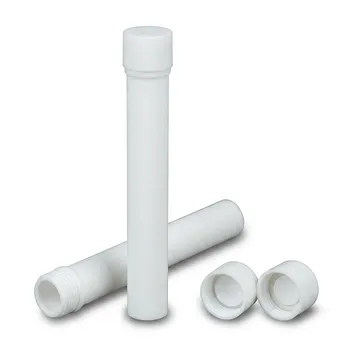
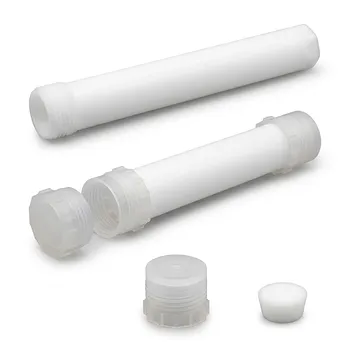
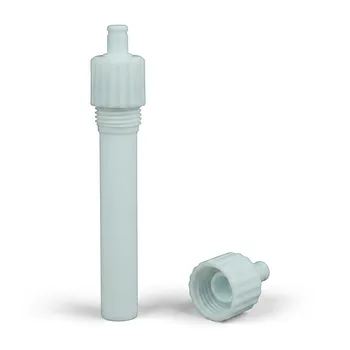
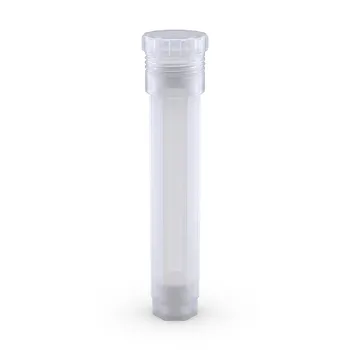
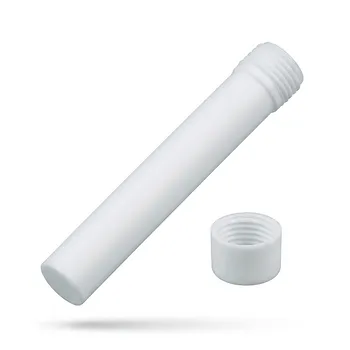
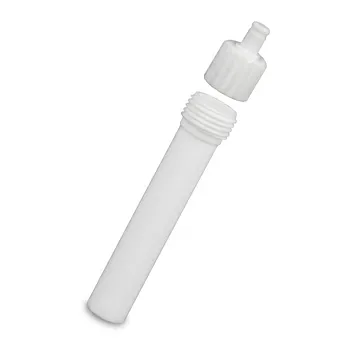
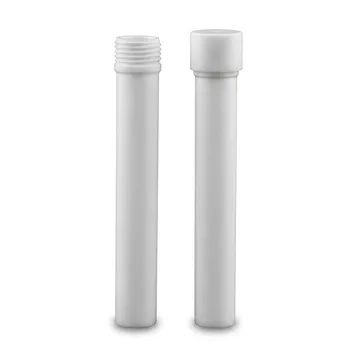
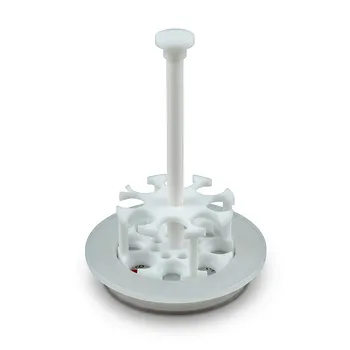
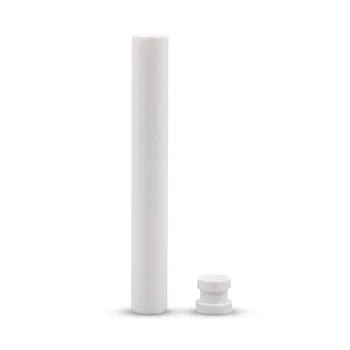
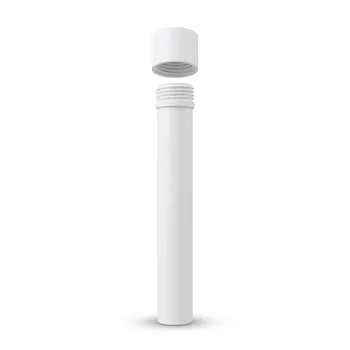
Microwave digestion vessels are critical for transforming complex solid samples into clear, liquid analytes. These specialized containers facilitate the rapid oxidation of organic matrices in food and biological materials at temperatures typically between 180–240 °C. By providing a sealed, high-pressure environment, they ensure complete mineralization, resulting in particle-free solutions with low residual carbon that are ready for precise instrumental analysis.
Microwave digestion vessels enable the complete decomposition of complex organic structures while preventing the loss of volatile elements. This process creates a clean, inorganic solution that minimizes spectral interference, ensuring high accuracy in downstream elemental analysis.
Overcoming the Complexity of Organic Matrices
Achieving Complete Mineralization
Biological materials like wheat, liver, and plant tissues contain complex proteins, fats, and cellulose that are difficult to break down. Microwave vessels allow these matrices to be exposed to strong acids and intense heat simultaneously, rapidly decomposing organic structures into their constituent elements.
Reducing Residual Carbon Content
High-temperature digestion in these vessels results in solutions with extremely low residual carbon. This is vital because carbon can cause significant spectral interferences during analysis, leading to "ghost" peaks or suppressed signals in sensitive equipment.
Preparing Samples for Downstream Instruments
The end product of this process is a clear, uniform, and inorganic solution. These high-quality liquid samples are specifically required for injection into sophisticated instruments like ICP-OES, ICP-MS, and Atomic Absorption Spectroscopy (AAS).
The Role of the Sealed Environment
Retention of Volatile Elements
Many elements of interest in food safety, such as mercury, are highly volatile and can escape as gas in open-vessel systems. The sealed nature of microwave digestion vessels ensures these elements are retained within the solution for accurate quantification.
Preventing Cross-Contamination
In a laboratory setting, airborne particles can easily compromise a sample. Because microwave digestion occurs within a closed system, the risk of external contamination is virtually eliminated, maintaining the integrity of the reference material.
Accelerating Reaction Kinetics
By maintaining high internal pressure, these vessels allow acid mixtures to reach temperatures well above their standard boiling points. This accelerated reaction environment reduces digestion times from hours or days to just minutes.
Material Science and Engineering
High-Performance Fluoropolymers
Vessels are typically crafted from advanced materials like PTFE or PFA. These fluoropolymers are chosen for their extreme resistance to corrosive acids, including hydrofluoric acid (HF), which is often necessary to dissolve silicates in plant matter.
Engineering for Extreme Pressure
To facilitate the digestion of tough organic litter or fatty tissues, these vessels are engineered to withstand extreme internal pressures. This mechanical strength is what allows the system to safely reach the high temperatures required for complete oxidation.
Efficient Energy Transfer
The materials used in these vessels are microwave-transparent. This allows microwave energy to penetrate the vessel and directly heat the acid-sample mixture, ensuring rapid and volumetric heating rather than relying on slower thermal conduction.
Understanding the Trade-offs and Limitations
The Risk of Over-Pressurization
While high pressure is an advantage, it also poses a safety risk. Users must carefully calculate sample weights—especially with highly reactive organic materials—to prevent rapid gas evolution from exceeding the vessel’s pressure limits.
Acid Handling Hazards
The use of concentrated nitric, hydrochloric, and hydrofluoric acids requires specialized safety protocols and equipment. Hydrofluoric acid, in particular, is highly toxic and requires specific handling and neutralizing procedures if used within the vessels.
Cool-Down Requirements
Because the vessels operate under such high heat and pressure, they cannot be opened immediately after the microwave cycle. This necessitates a mandatory cooling period, which can become a bottleneck in high-throughput laboratory workflows.
How to Apply This to Your Project
Selecting the Right Approach for Your Analysis
The effectiveness of your digestion depends on matching the vessel capabilities with your specific sample type and analytical goals.
- If your primary focus is volatile element recovery (e.g., Mercury): Ensure you are using a high-pressure sealed vessel system to prevent any gaseous loss during the heating phase.
- If your primary focus is analyzing plant tissues with high silica content: Utilize vessels made of PFA or PTFE that can safely hold hydrofluoric acid (HF) mixtures required for complete dissolution.
- If your primary focus is high-throughput food testing: Look for vessel designs that prioritize rapid cooling features to reduce the "door-to-door" time for each sample batch.
- If your primary focus is ultra-trace analysis via ICP-MS: Prioritize vessels with the lowest possible "memory effect" and ensure rigorous cleaning protocols to prevent carryover between samples.
By leveraging the high-pressure and high-temperature capabilities of microwave digestion vessels, you ensure that even the most complex biological samples are reduced to a clean, measurable state.
Summary Table:
| Feature | Key Benefit | Analytical Impact |
|---|---|---|
| High-Pressure Seal | Retains volatile elements (e.g., Mercury) | Ensures accurate quantification without sample loss. |
| High Temperatures | Rapid & complete mineralization | Eliminates residual carbon; reduces spectral interference. |
| Fluoropolymer (PTFE/PFA) | Extreme acid resistance (including HF) | Safely dissolves silicates and complex organic matrices. |
| Closed System | Prevents airborne cross-contamination | Maintains high sample integrity for ultra-trace detection. |
| Microwave Transparency | Volumetric, rapid heating | Dramatically reduces digestion time from hours to minutes. |
Elevate Your Analytical Precision with KINTEK
Maximize your laboratory's efficiency with KINTEK’s high-performance fluoropolymer solutions. As experts in PTFE and PFA manufacturing, we provide everything from everyday basic labware (beakers, tubes, and filtration tools) to advanced microwave digestion vessels and custom reaction apparatus.
Whether you need standard consumables like stirring bars and O-rings or complex, non-standard machined parts via our end-to-end custom CNC fabrication, KINTEK is equipped to deliver high-volume orders and bespoke setups tailored to your specific trace analysis needs. Contact us today to discuss your project and discover how our absolute focus on high-performance materials can streamline your sample preparation and ensure unmatched purity.
Related Products
- High Purity Corrosion Resistant PFA Microwave Digestion Vessels 55ml Replacement Tubes for Trace Analysis
- Custom High Purity TFM Microwave Digestion Vessel 100ml for Analytical Laboratory Sample Preparation
- Custom TFM Microwave Digestion Vessels for ICP-OES Analysis High Purity Fluoropolymer Sample Preparation Labware
- High Temperature TFM Microwave Digestion Vessel Lid Compatible with Acid Evaporation Systems and Laboratory Pretreatment Equipment
- Custom High Purity TFM Microwave Digestion Vessel 100ml Capacity Compatible Replacement Liner for Professional Analytical Instruments
People Also Ask
- Why are high-strength PFA microwave digestion vessels ideal for complex samples? Ensure Pure & Precise Trace Analysis
- What safety features are commonly integrated into microwave digestion vessels? Ensuring High-Pressure Laboratory Safety
- What are the advantages of using microwave digestion vessels for environmental analysis? Boost speed and sample accuracy.
- What are the advantages of using microwave digestion vessels? Optimize EG@MO synthesis with superior thermal control.
- How do microwave digestion vessels support pharmaceutical elemental impurity testing? Achieve Precise USP Compliance