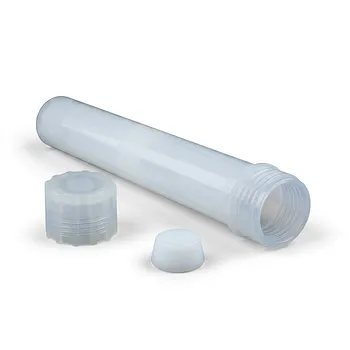
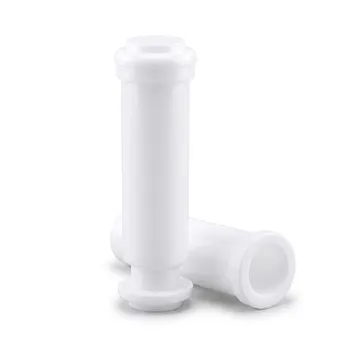
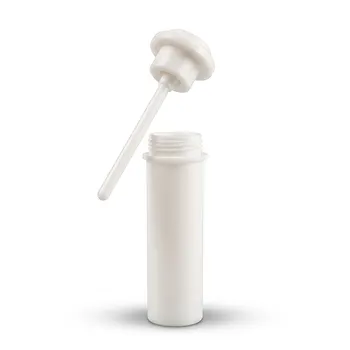
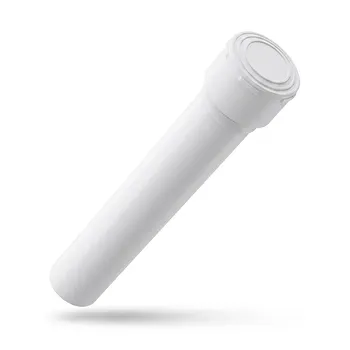
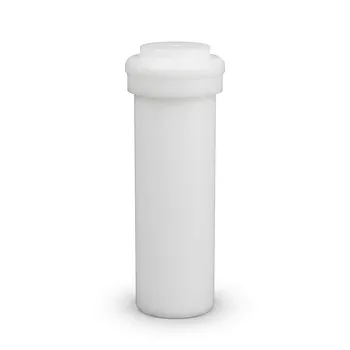
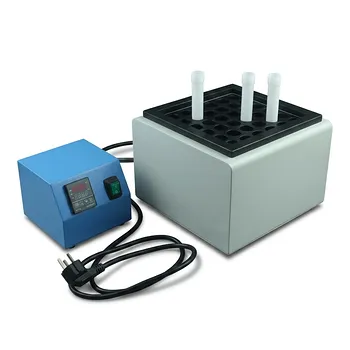
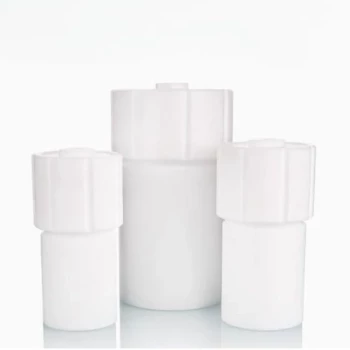
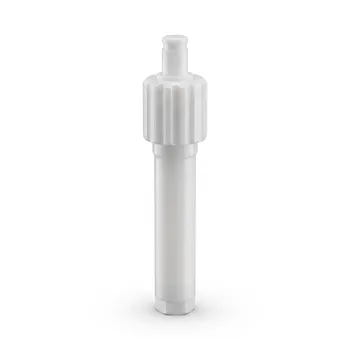
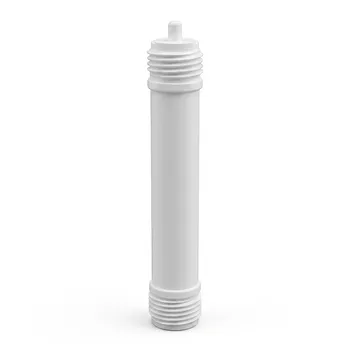
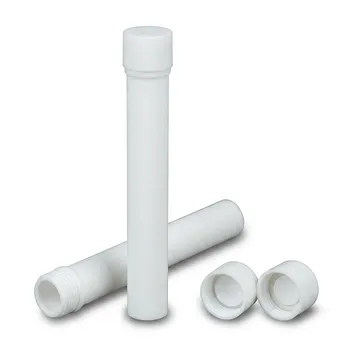
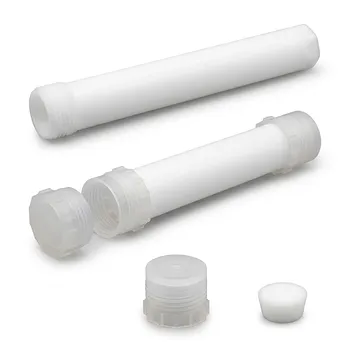
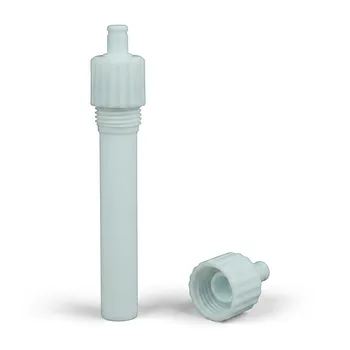
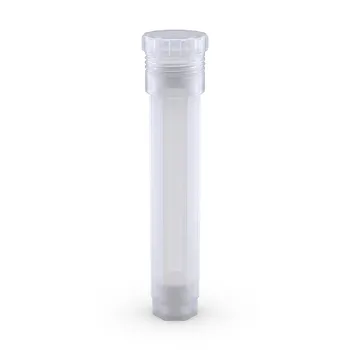
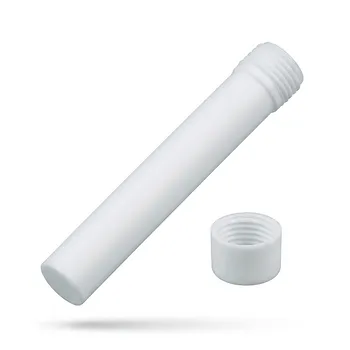
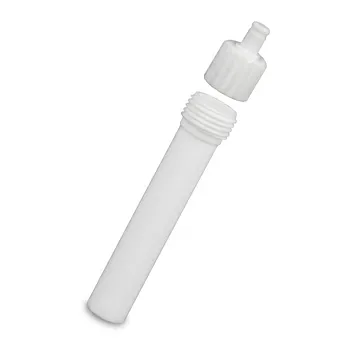
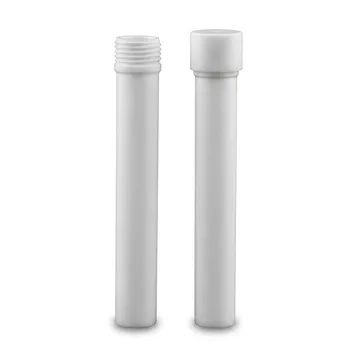
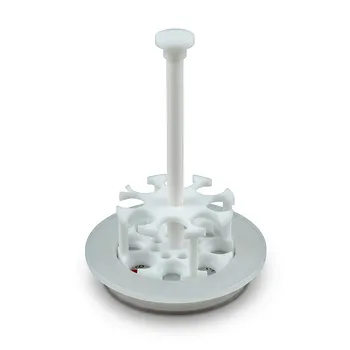
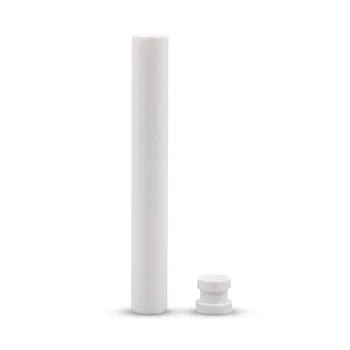
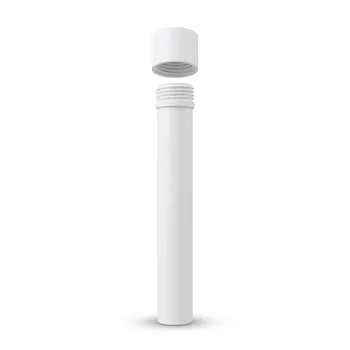
Microwave digestion vessels are specialized, high-pressure containers designed to decompose complex solid, semi-solid, or liquid matrices into clear aqueous solutions. This process, known as microwave-assisted acid digestion, ensures that target analytes are completely dissolved and converted into an ionic state, making them available for precise quantitative analysis.
The primary function of these vessels is to provide a sealed, chemically inert environment that allows acids to operate under extreme temperature and pressure. This synergy accelerates the mineralization of samples, ensuring the total release of elements for detection by sensitive instruments like ICP-MS or AAS.
The Mechanism of Sample Decomposition
Creating the Solvothermal Environment
Microwave digestion vessels function by creating a closed system that significantly raises the boiling point of solvents. Under these solvothermal conditions, internal pressures often exceed 200 psi, allowing acids to remain liquid at temperatures far above their standard boiling points.
Accelerating Chemical Bond Cleavage
The combination of high thermal energy and elevated pressure accelerates the breaking of chemical bonds within resilient matrices like soil, polymers, or biological tissues. This ensures that even insoluble minerals are fully mineralized into a uniform solution.
Conversion to an Ionic State
For accurate measurement in techniques like ICP-OES or atomic absorption, elements must be fully released from their organic or mineral structures. The vessel's environment ensures elements like lead, cadmium, and iron are converted into a stable ionic state, which is a prerequisite for precision measurement.
Material Integrity and Contamination Control
The Role of High-Performance Fluoropolymers
Vessel liners are typically crafted from materials like PTFE or PFA, which offer extreme chemical inertness. These high-performance fluoropolymers resist corrosion from strong oxidizing agents like nitric acid and hydrofluoric acid while preventing the vessel itself from leaching impurities into the sample.
Preventing Volatile Element Loss
Unlike open-vessel digestion, the sealed nature of these containers prevents the escape of volatile elements. This is critical for maintaining the integrity of the sample, ensuring that the final concentration reflects the original composition without loss to the atmosphere.
Minimizing Cross-Contamination
The non-stick, ultra-smooth surfaces of fluoropolymer liners reduce carryover effects between different samples. This high level of purity is essential for trace analysis where even parts-per-billion (ppb) contamination can invalidate results.
Understanding the Trade-offs
Pressure and Safety Limits
While high pressure increases digestion efficiency, it introduces significant safety risks. Vessels must be meticulously maintained and equipped with safety relief mechanisms to prevent catastrophic failure during exothermic reactions.
Material Thermal Constraints
Fluoropolymer liners, such as PTFE, have specific thermal thresholds that cannot be exceeded without risking deformation or melting. This limits the maximum temperature of the digestion process compared to specialized ceramic or quartz alternatives.
Sample Size Restrictions
Due to the pressure generated by gas evolution (such as carbon dioxide from organic matter), these vessels have strict sample weight limits. Attempting to digest too much organic material in a closed vessel can lead to over-pressurization and safety venting.
Choosing the Right Vessel for Your Analysis
How to Apply This to Your Project
To achieve the best results in your analytical workflow, select your vessel and digestion parameters based on your specific matrix requirements.
- If your primary focus is trace element analysis (ppb levels): Utilize high-purity PFA liners to minimize the risk of background contamination and ensure a clear, impurity-free solution.
- If your primary focus is digesting geological or mineral samples: Ensure the vessel is rated for high pressure and compatible with hydrofluoric acid to achieve complete mineralization of silicates.
- If your primary focus is high-throughput organic sample processing: Prioritize vessels with integrated safety venting and rapid cooling features to manage the gas evolution from blood or plant tissues efficiently.
Proper vessel selection transforms microwave digestion from a simple pre-treatment step into a controlled, high-precision chemical reaction.
Summary Table:
| Feature | Function & Purpose | Key Benefit |
|---|---|---|
| High-Pressure Seal | Raises solvent boiling points above standard levels | Accelerates decomposition of resilient matrices |
| Fluoropolymer Liners | Uses chemically inert PTFE or PFA materials | Prevents contamination and resists strong acids |
| Solvothermal Environment | Maintains high thermal energy and pressure | Ensures full mineralization into an ionic state |
| Closed System Design | Prevents the escape of volatile elements | Maintains sample integrity for quantitative accuracy |
| Safety Mechanisms | Manages gas evolution and pressure limits | Protects equipment and personnel during reactions |
Elevate Your Analytical Precision with KINTEK
Maximize the accuracy of your trace analysis with KINTEK’s high-performance fluoropolymer solutions. Whether you are performing routine sample prep or complex microwave digestion, our PTFE and PFA vessels ensure a contamination-free environment for your most sensitive workflows.
From everyday basic labware like beakers, crucibles, and reagent bottles to advanced components such as microwave digestion vessels, hydrothermal synthesis liners, and custom electrochemical cells, KINTEK manufactures virtually every laboratory supply you need. Backed by end-to-end custom CNC fabrication, we deliver everything from high-volume standard orders to bespoke, non-standard machined parts designed for extreme chemical resistance.
Ready to optimize your lab's performance? Contact our experts today to discuss your specific requirements and discover how our absolute focus on high-performance fluoropolymers can benefit your research.
Related Products
- High Purity Corrosion Resistant PFA Microwave Digestion Vessels 55ml Replacement Tubes for Trace Analysis
- Custom High Purity TFM Microwave Digestion Vessel 100ml for Analytical Laboratory Sample Preparation
- Custom TFM Microwave Digestion Vessels for ICP-OES Analysis High Purity Fluoropolymer Sample Preparation Labware
- High Temperature TFM Microwave Digestion Vessel Lid Compatible with Acid Evaporation Systems and Laboratory Pretreatment Equipment
- Custom High Purity TFM Microwave Digestion Vessel 100ml Capacity Compatible Replacement Liner for Professional Analytical Instruments
People Also Ask
- Why are high-strength PFA microwave digestion vessels ideal for complex samples? Ensure Pure & Precise Trace Analysis
- What safety features are commonly integrated into microwave digestion vessels? Ensuring High-Pressure Laboratory Safety
- What are the advantages of using microwave digestion vessels for environmental analysis? Boost speed and sample accuracy.
- How do microwave digestion vessels support pharmaceutical elemental impurity testing? Achieve Precise USP Compliance
- How does the dipole rotation mechanism heat microwave digestion vessels? Master Rapid & Uniform Molecular Energy Transfer