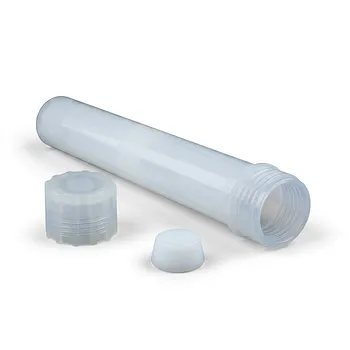
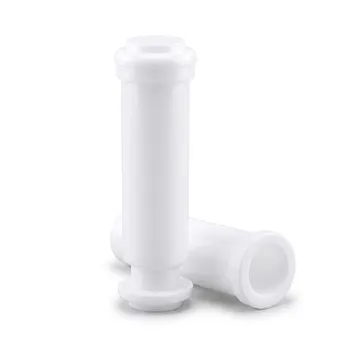
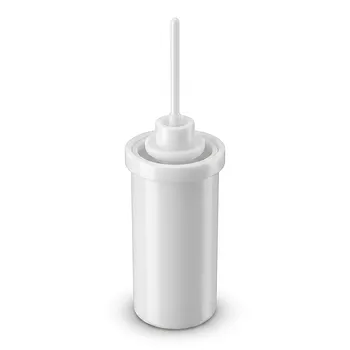
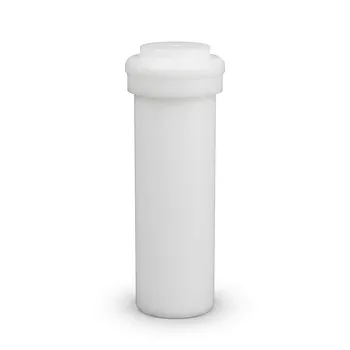
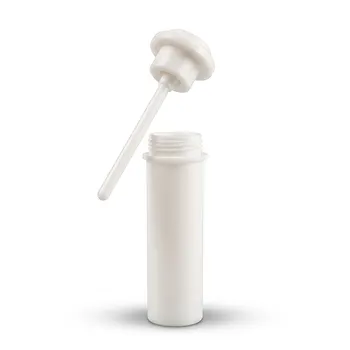
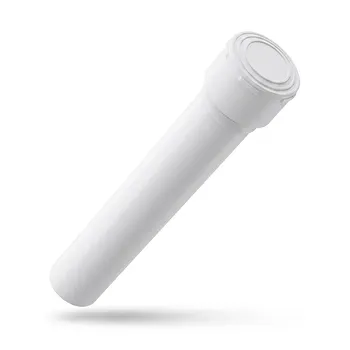
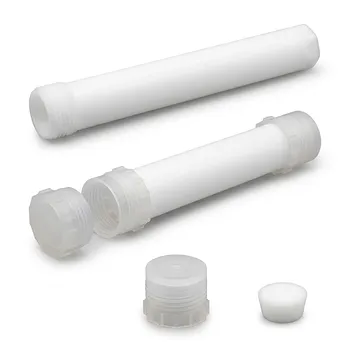
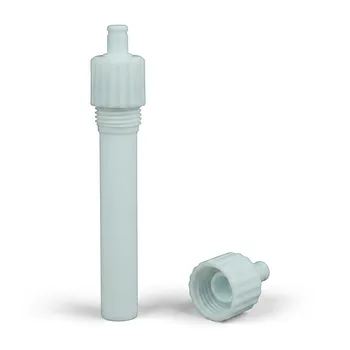
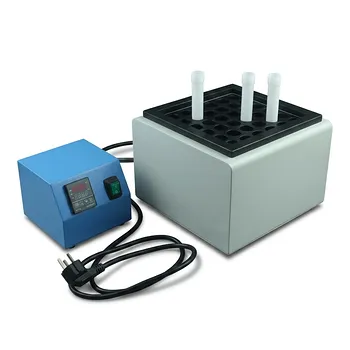
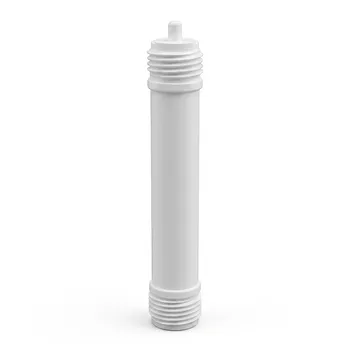
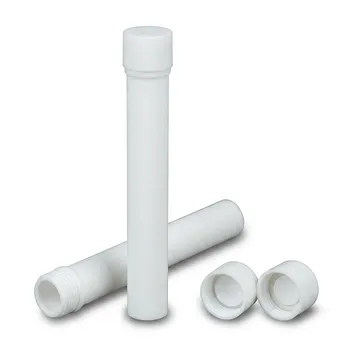
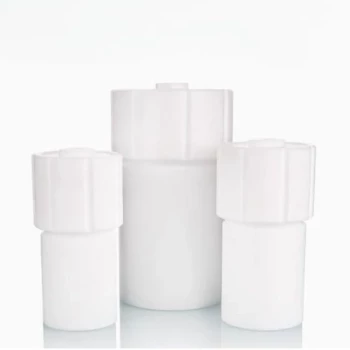
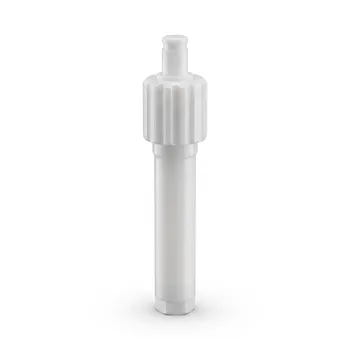
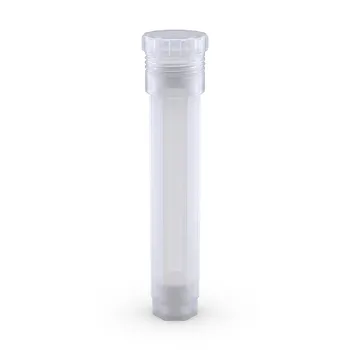
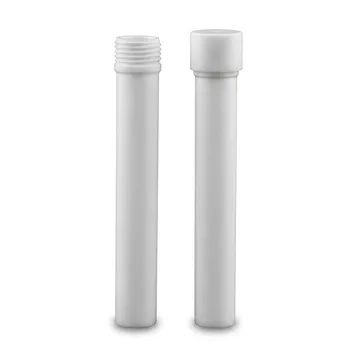
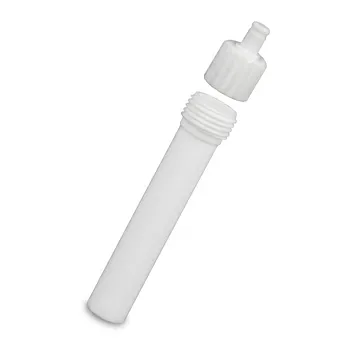
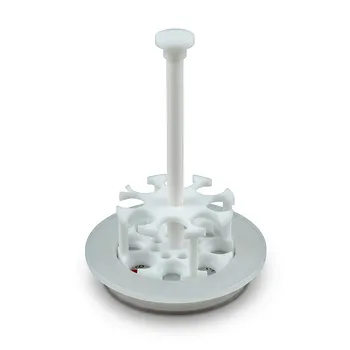
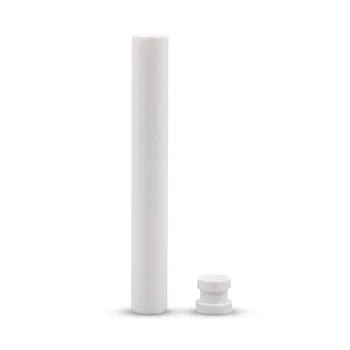
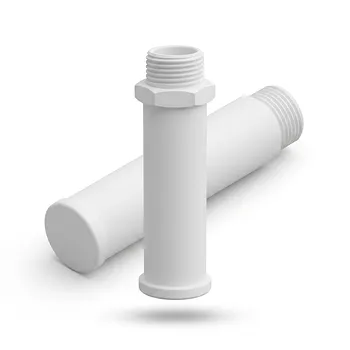
Microwave digestion vessels provide superior thermal uniformity and structural control compared to traditional reaction kettles by utilizing volumetric heating. This method ensures that manganese oxide (MO) nanowires grow uniformly and in-situ on the surface of expanded graphite (EG), effectively preventing the localized overheating and particle agglomeration that typically plague traditional heating methods.
The central advantage of microwave digestion vessels lies in their ability to combine high-pressure sealed environments with direct microwave penetration. This synergy accelerates reaction kinetics and produces precursors with higher morphological integrity and more consistent electrochemical properties.
Achieving Structural Precision through Volumetric Heating
Elimination of Thermal Gradients
Traditional reaction kettles rely on conductive heating, where heat travels from the vessel wall into the liquid, often creating "hot spots." In contrast, microwave vessels allow radiation to penetrate the reaction medium directly, achieving simultaneous temperature increases throughout the entire volume.
Prevention of Nanowire Agglomeration
Because the heating is uniform, the growth of manganese oxide nanowires occurs evenly across the expanded graphite surface. This in-situ growth mode prevents the crystals from clumping together, a common failure point in traditional synthesis that reduces the effective surface area of the EG@MO precursor.
Preservation of Ion Transport Channels
Microwave-assisted methods help maintain the internal structure of the material. By reaching the required reaction temperatures quickly and uniformly, the process inhibits the formation of impurities that could otherwise block the critical ion transport channels within the composite.
Enhancing Reaction Kinetics via High-Pressure Environments
Operating Above Atmospheric Boiling Points
High-performance microwave vessels are sealed, allowing the internal pressure to rise significantly during heating. This enables the reaction liquid to reach temperatures well above its boiling point, drastically accelerating the decomposition of precursors and the subsequent synthesis of the MO nanowires.
Reduction in Synthesis Time
The combination of rapid volumetric heating and high pressure can reduce reaction cycles from several hours to just tens of minutes. This efficiency does not sacrifice quality; rather, it often results in a more homogeneous and intact crystalline structure.
Solvent and Reagent Efficiency
Closed-vessel systems prevent the escape of volatile elements and reduce the volume of reagents required. This sealed environment ensures total recovery of the target materials and prevents environmental contamination from acidic fumes or precursors.
Understanding the Trade-offs
Equipment Complexity and Safety
Operating at the extreme pressures and temperatures required for hydrothermal synthesis necessitates specialized, high-strength vessels. Unlike open-vessel traditional kettles, these systems require rigorous safety protocols to manage the stored energy and prevent vessel failure.
Scaling and Throughput Limitations
While microwave systems allow for parallel processing of multiple samples in a rotor, they are generally more difficult to scale to massive industrial volumes compared to large traditional batch reactors. The penetration depth of microwaves limits the diameter of the individual vessels that can be used effectively.
How to Apply This to Your Synthesis Project
Strategic Implementation
Selecting the right vessel depends on your specific material requirements and production scale.
- If your primary focus is material purity and morphology: Utilize high-pressure microwave vessels to ensure uniform in-situ growth and avoid the structural irregularities caused by thermal gradients.
- If your primary focus is rapid prototyping and R&D: Leverage the shortened reaction cycles of microwave hydrothermal methods to iterate on precursor formulations significantly faster than traditional methods allow.
- If your primary focus is volatile element retention: Always opt for a closed-vessel microwave system to maintain a controlled chemical environment and ensure accurate stoichiometry in your final EG@MO composite.
By transitioning to microwave digestion vessels, researchers can achieve a level of structural precision and process efficiency that traditional reaction kettles simply cannot match.
Summary Table:
| Feature | Microwave Digestion Vessel | Traditional Reaction Kettle |
|---|---|---|
| Heating Method | Volumetric (Direct Penetration) | Conductive (Wall-to-Liquid) |
| Thermal Gradient | Minimal (Simultaneous Heating) | Significant (Hot Spots) |
| Synthesis Speed | Minutes to Tens of Minutes | Several Hours |
| Structural Result | Uniform In-situ Growth | Potential Particle Agglomeration |
| Pressure Capability | High-Pressure Sealed Environment | Typically Lower/Open Systems |
Upgrade Your Lab Synthesis with KINTEK’s High-Performance Fluoropolymer Solutions
At KINTEK, we understand that achieving structural precision in materials like EG@MO precursors requires the highest quality equipment. We manufacture virtually all imaginable laboratory supplies crafted from PTFE and PFA, including advanced microwave digestion vessels, hydrothermal synthesis liners, and electrochemical cells.
Whether you need everyday basic labware like beakers, reagent bottles, and centrifuge tubes, or complex, non-standard machined parts, our end-to-end custom CNC fabrication ensures your specific research needs are met. From sample prep tools and filtration components to comprehensive fluid transfer systems, our absolute focus on high-performance fluoropolymer materials guarantees durability, purity, and excellence.
Contact us today to discuss how our bespoke laboratory setups and high-volume manufacturing can drive your research forward!
References
- Junyu Lu, Renchao Che. Microwave‐Driven Dielectric‐Magnetic Regulation of Graphite@α‐MnO <sub>2</sub> Toward Enhanced Electromagnetic Wave Absorption. DOI: 10.1002/advs.202504489
This article is also based on technical information from Kintek Knowledge Base .
Related Products
- High Purity Corrosion Resistant PFA Microwave Digestion Vessels 55ml Replacement Tubes for Trace Analysis
- Custom High Purity TFM Microwave Digestion Vessel 100ml for Analytical Laboratory Sample Preparation
- Custom High Purity TFM Microwave Digestion Vessel 100ml Capacity Compatible Replacement Liner for Professional Analytical Instruments
- High Purity TFM Microwave Digestion Vessels for Trace Analysis and Custom Sample Preparation Systems
- Custom TFM Microwave Digestion Vessels for ICP-OES Analysis High Purity Fluoropolymer Sample Preparation Labware
People Also Ask
- Why are high-strength PFA microwave digestion vessels ideal for complex samples? Ensure Pure & Precise Trace Analysis
- What safety features are commonly integrated into microwave digestion vessels? Ensuring High-Pressure Laboratory Safety
- What are the advantages of using microwave digestion vessels for environmental analysis? Boost speed and sample accuracy.
- How do microwave digestion vessels support pharmaceutical elemental impurity testing? Achieve Precise USP Compliance
- How does the dipole rotation mechanism heat microwave digestion vessels? Master Rapid & Uniform Molecular Energy Transfer