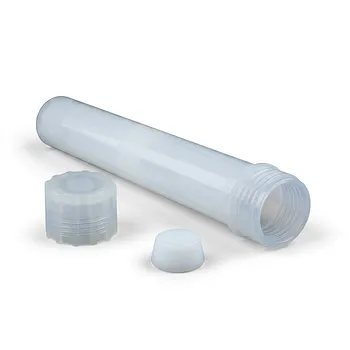
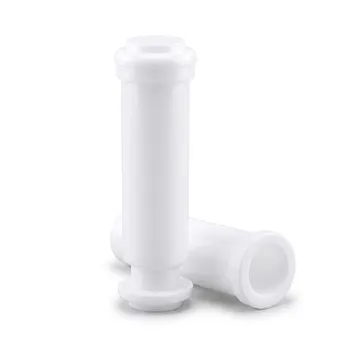
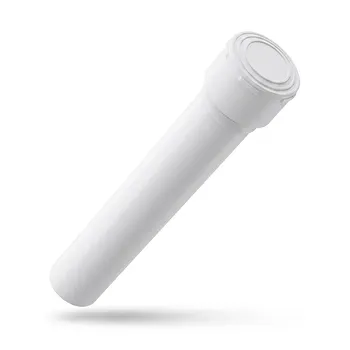
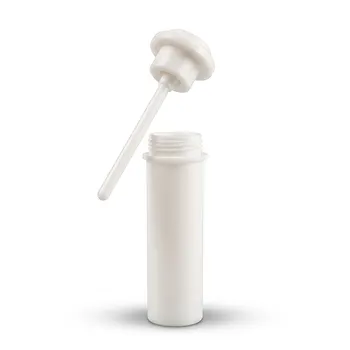
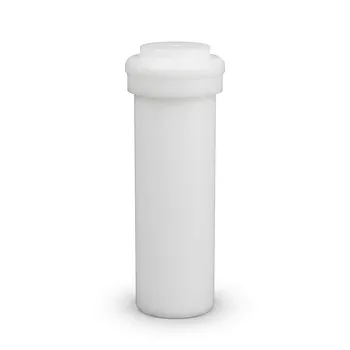
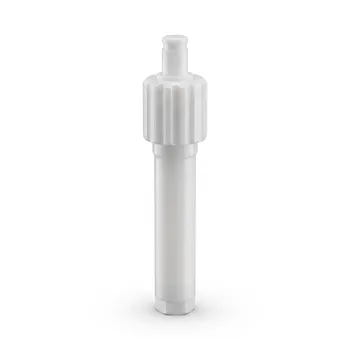
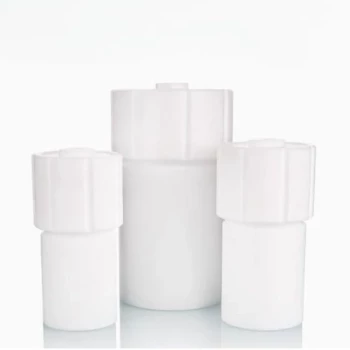
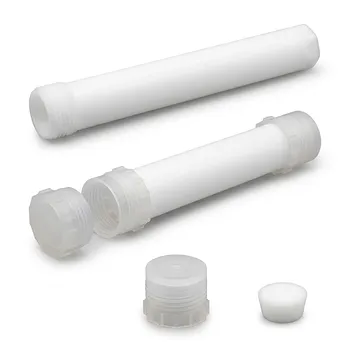
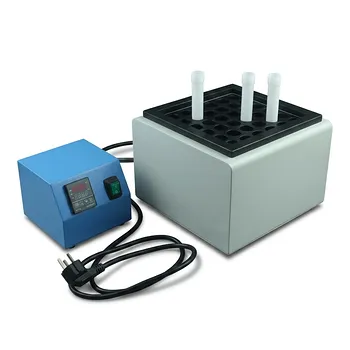
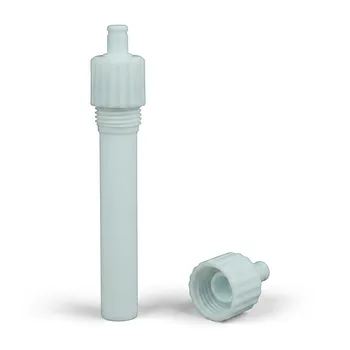
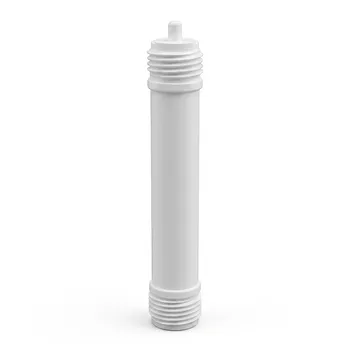
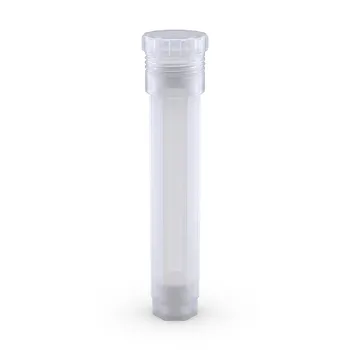
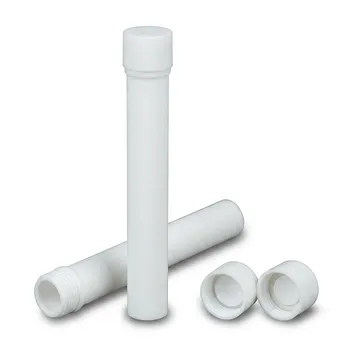
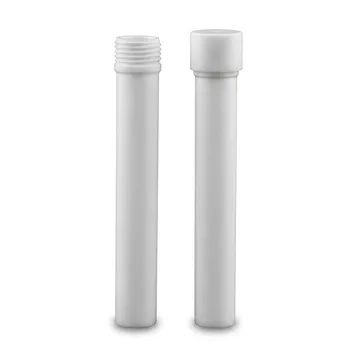
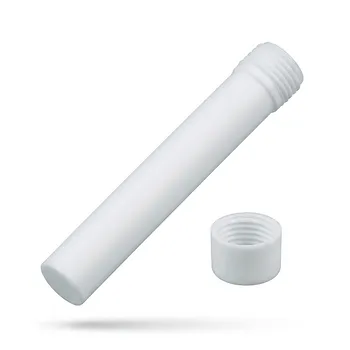
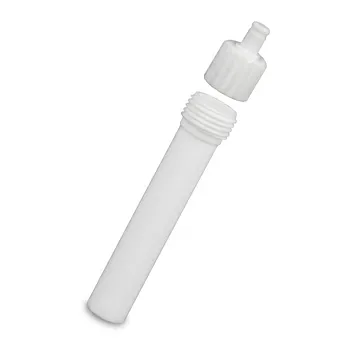
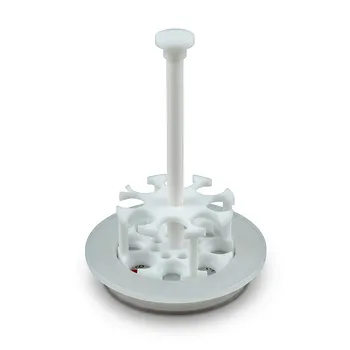
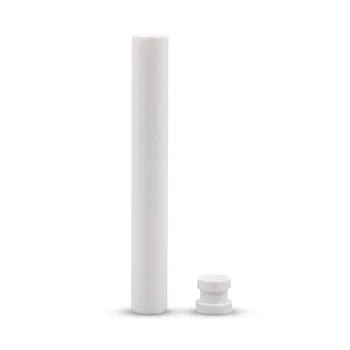
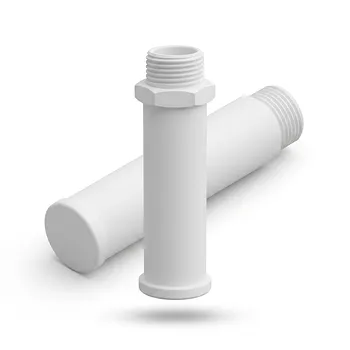
Microwave digestion vessels support pharmaceutical elemental impurity testing by providing a sealed, high-pressure environment that ensures the complete mineralization of complex drug matrices. This process transforms active pharmaceutical ingredients (APIs) and excipients into a clear acidic solution, which is a prerequisite for accurate analysis via ICP-MS or ICP-OES. By utilizing high-purity materials, these vessels prevent the loss of volatile elements and minimize sample contamination, directly enabling compliance with stringent regulatory standards like USP <232> and <233>.
The central takeaway: Microwave digestion vessels are critical for pharmaceutical testing because they provide a controlled, high-purity environment that ensures complete sample decomposition without the loss of volatile impurities. This integrity is essential for detecting metallic contaminants at the parts-per-billion (ppb) levels required by modern safety regulations.
Achieving Compliance with Regulatory Standards
Complete Matrix Destruction
Pharmaceutical samples often contain complex organic structures, including ligands, polymers, and synthetic catalysts. Microwave vessels allow for the use of high power (e.g., 1200 W) and high temperatures (up to 200 °C) to force the reaction between strong acids and the sample. This ensures the total breakdown of organic frameworks, which is necessary to prevent underestimation of impurities during detection.
Prevention of Volatile Element Loss
Traditional "open-vessel" digestion risks the escape of volatile elements like mercury, arsenic, and selenium as gases. The enclosed, high-pressure environment of a microwave digestion vessel keeps these elements trapped within the solution. This containment is vital for meeting the rigorous recovery requirements specified in USP <233>.
Preparation for High-Precision Instrumentation
Analytical techniques like ICP-MS (Inductively Coupled Plasma Mass Spectrometry) require samples to be in a uniform, particle-free liquid state. Microwave vessels facilitate the creation of a clear, transparent acidic matrix that prevents clogging and interference within the plasma. This high-quality sample preparation directly impacts the reliability of heavy metal analysis.
The Role of Material Science in Sample Integrity
High-Purity TFM and Quartz
The materials used to construct digestion vessels, such as TFM (a modified PTFE) or high-purity quartz, are selected for their chemical inertness. These materials reduce memory effects, where residues from previous samples cling to the vessel walls and contaminate subsequent tests. Utilizing these high-performance materials is the primary way labs achieve the low blank contributions necessary for ppb-level detection.
Resistance to Corrosive Reagents
Pharmaceutical digestion often requires aggressive reagents like concentrated nitric acid, hydrogen peroxide, or inverse aqua regia. Vessels crafted from high-performance fluoropolymers (PTFE or PFA) are designed to withstand these corrosive environments at high pressures without degrading. This durability ensures the safety of the laboratory process while maintaining the purity of the acidic sample.
Pressure and Temperature Management
Modern vessels are engineered to withstand extreme internal pressures, often exceeding 20 bar. This resistance allows the digestion process to occur at temperatures far above the boiling point of the acids used. The resulting "forced digestion" accelerates chemical reactions, significantly reducing the time required to prepare complex pharmaceutical samples.
Understanding the Trade-offs and Limitations
Pressure Limits and Safety Hazards
While high pressure is beneficial for digestion, it poses a safety risk if the sample’s organic content is underestimated. Samples with high carbon loads can cause rapid pressure spikes that may trigger vessel venting or rupture if not monitored correctly. Balancing sample weight with vessel pressure ratings is a critical technical requirement.
Carryover and Cleaning Requirements
Despite the use of high-purity materials, cross-contamination remains a potential pitfall in trace elemental analysis. High-purity liners must undergo rigorous, validated cleaning cycles to ensure that "ghost" peaks from previous high-concentration samples do not skew the results of subsequent trace-level tests.
Applying Vessel Selection to Your Analytical Goals
How to Choose the Right Configuration
Selecting the appropriate vessel depends on the specific sensitivity and throughput requirements of your pharmaceutical laboratory.
- If your primary focus is ultratrace sensitivity (ppt/ppb levels): Utilize high-purity quartz or TFM liners to ensure the lowest possible blank contributions and minimal memory effects.
- If your primary focus is high-throughput routine testing: Opt for high-pressure multi-vessel rotors that allow for the simultaneous digestion of dozens of samples while maintaining individual pressure control.
- If your primary focus is digesting difficult synthetic polymers: Select heavy-duty, high-temperature vessels capable of reaching 250 °C+ to ensure complete mineralization of the carbon framework.
By carefully selecting and maintaining microwave digestion vessels, laboratories can ensure the high-quality sample preparation necessary to guarantee pharmaceutical safety and regulatory compliance.
Summary Table:
| Key Feature | Benefit for Pharmaceutical Testing | Regulatory & Analytical Impact |
|---|---|---|
| High-Pressure Sealing | Ensures complete mineralization of complex API matrices | Enables total carbon breakdown for clear ICP-MS samples |
| Enclosed Environment | Prevents loss of volatile elements (e.g., Hg, As, Se) | Vital for meeting recovery standards in USP <233> |
| High-Purity Materials | Minimizes sample contamination and memory effects | Essential for reaching ppb-level detection limits |
| Thermal Stability | Supports high-temperature (200°C+) forced digestion | Reduces preparation time for difficult synthetic polymers |
Elevate Your Trace Analysis with KINTEK’s High-Performance Labware
Ensure the integrity of your pharmaceutical testing with KINTEK, your premier manufacturer of high-performance fluoropolymer laboratory supplies. We maintain an absolute focus on PTFE and PFA materials to provide the chemical inertness required for sensitive elemental impurity analysis.
Our extensive range includes:
- Everyday Basic Labware: Beakers, measuring cylinders, crucibles, dishes, reagent/wash bottles, and digestion tubes.
- Sample Prep & Filtration: Separatory funnels, burettes, filters, pipettes, tweezers, and spatulas.
- Advanced Apparatus: Microwave digestion vessels, hydrothermal synthesis liners, electrochemical cells, and microchannel reactors.
- Fluid Transfer & Components: Tubing, fittings, valves, O-rings, and high-purity storage tanks.
Whether you need standard consumables or complex non-standard machined parts via our end-to-end custom CNC fabrication, KINTEK is equipped to deliver everything from bespoke lab setups to high-volume orders.
Ready to optimize your lab's performance? Contact us today to discuss your requirements!
Related Products
- High Purity Corrosion Resistant PFA Microwave Digestion Vessels 55ml Replacement Tubes for Trace Analysis
- Custom High Purity TFM Microwave Digestion Vessel 100ml for Analytical Laboratory Sample Preparation
- High Temperature TFM Microwave Digestion Vessel Lid Compatible with Acid Evaporation Systems and Laboratory Pretreatment Equipment
- Custom High Purity TFM Microwave Digestion Vessel 100ml Capacity Compatible Replacement Liner for Professional Analytical Instruments
- Custom TFM Microwave Digestion Vessels for ICP-OES Analysis High Purity Fluoropolymer Sample Preparation Labware
People Also Ask
- Why are high-strength PFA microwave digestion vessels ideal for complex samples? Ensure Pure & Precise Trace Analysis
- What safety features are commonly integrated into microwave digestion vessels? Ensuring High-Pressure Laboratory Safety
- What are the advantages of using microwave digestion vessels for environmental analysis? Boost speed and sample accuracy.
- What are the advantages of using microwave digestion vessels? Optimize EG@MO synthesis with superior thermal control.
- Why do fluoropolymer labware and microwave digestion vessels exhibit exceptional thermal stability and chemical inertness compared to standard non-fluorinated laboratory plastics?