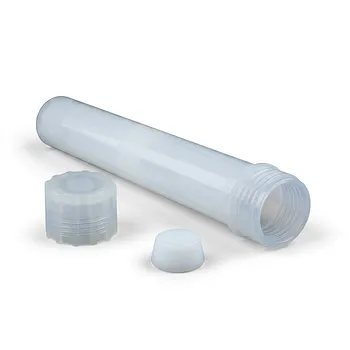
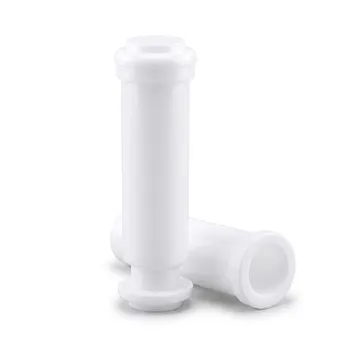
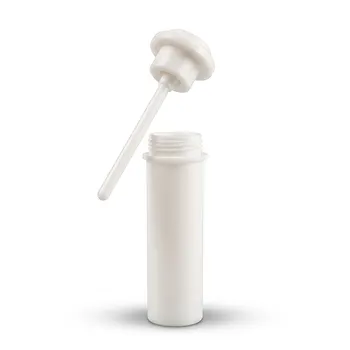
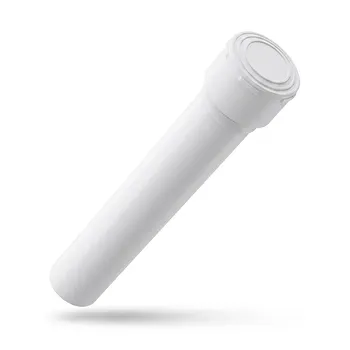
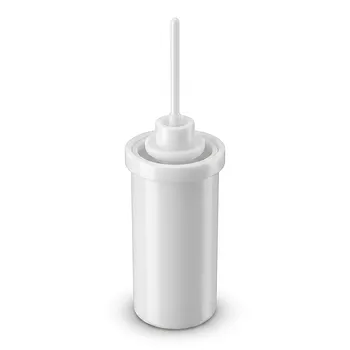
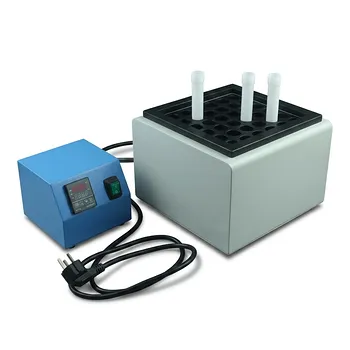
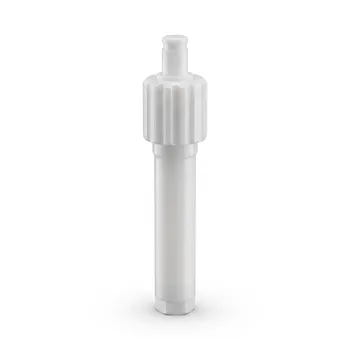
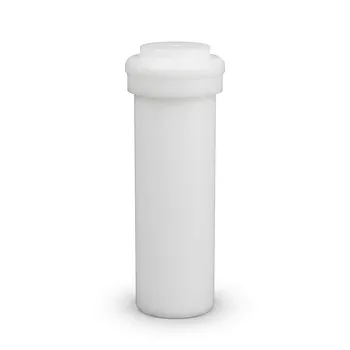
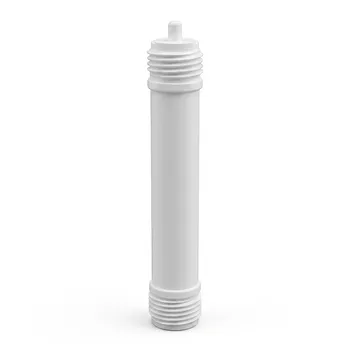
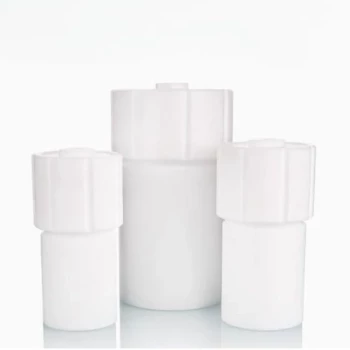
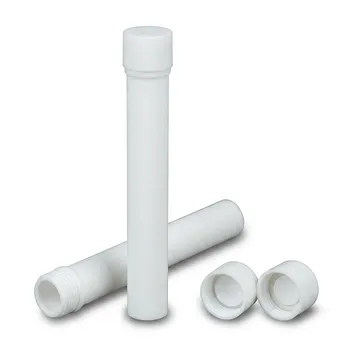
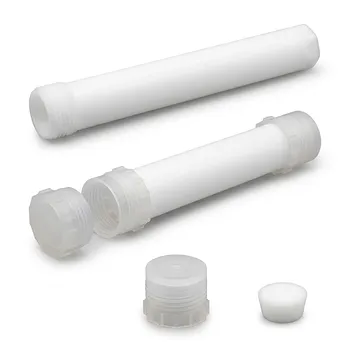
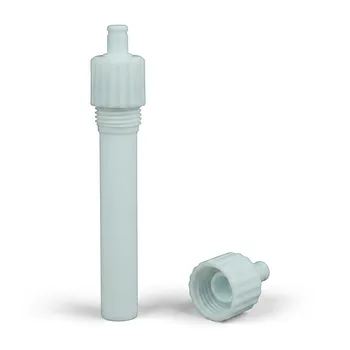
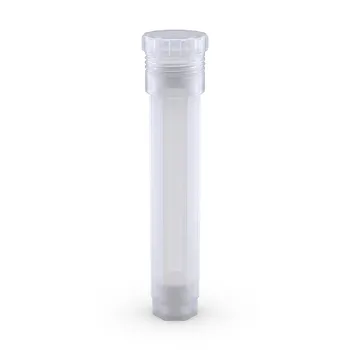
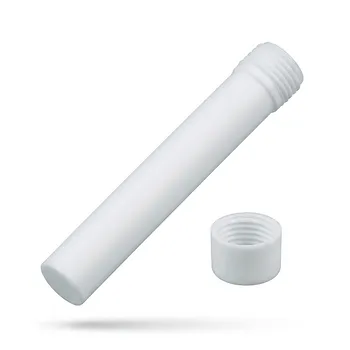
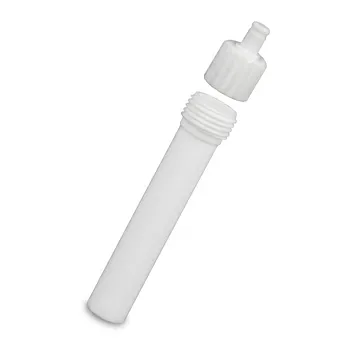
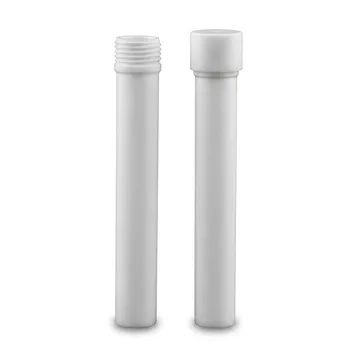
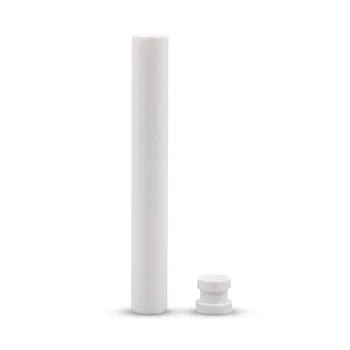
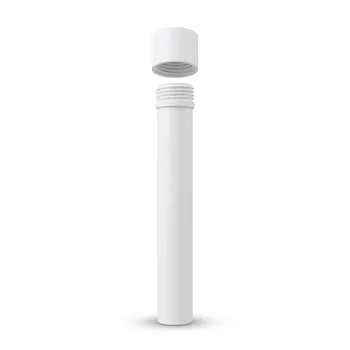
Microwave digestion vessels are essential in geological and mining sectors because they enable the complete dissolution of refractory minerals and silicates through extreme heat and pressure. By reaching temperatures between 220–280 °C in a sealed environment, these vessels break down tough crystalline structures that traditional open-vessel methods cannot touch, ensuring maximum recovery of target elements for precise geochemical assays.
Core Takeaway: Microwave digestion vessels provide the high-pressure, high-temperature environment necessary to dissolve complex geological matrices, significantly increasing elemental recovery rates while reducing processing time and contamination risk compared to traditional open-vessel heating.
Achieving Superior Decomposition of Refractory Minerals
Overcoming Crystalline Resistance
Geological samples often contain refractory minerals and silicates that are chemically resistant to standard acid treatments at atmospheric boiling points. Microwave digestion uses electromagnetic waves to penetrate the vessel and heat the acid directly, creating a high-energy environment that forces these tough matrices to decompose.
Harnessing High-Pressure Environments
The sealed nature of these vessels allows internal pressures to rise significantly, which keeps acids in a liquid state far above their normal boiling points. This elevated thermal energy provides the kinetic force required to release elements bound within the lattice structures of ores and minerals.
Ensuring Complete Sample Recovery
Because the system is entirely closed, there is no risk of losing volatile trace elements that might otherwise escape as vapor during open-vessel heating. This results in a comprehensive, clear liquid digest that represents the true composition of the original geological sample.
Enhancing Analytical Precision and Laboratory Throughput
Minimizing Blank Values and Contamination
High-performance fluoropolymer materials used in these vessels offer exceptional chemical inertness and high purity. Because the method requires significantly lower acid volumes to achieve digestion, the "blank value" (background contamination) is reduced, which is vital for detecting trace-level minerals.
Rapid Processing Cycles
Traditional hot plate digestion can take several hours or even days to fully process complex ores. Microwave systems condense this timeline into 20–60 minutes, allowing laboratories to move from raw samples to ICP-MS or ICP-OES analysis with unprecedented speed.
Simultaneous Parallel Processing
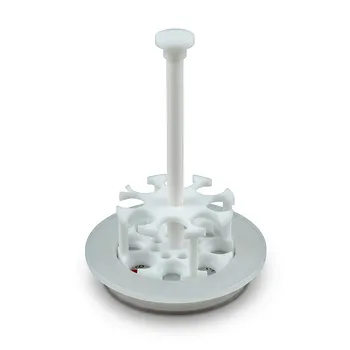
Modern rotor-based systems allow for the simultaneous digestion of multiple samples under identical conditions. This uniformity ensures consistent results across different batches and dramatically increases the total throughput of a mining laboratory.
Understanding the Trade-offs
Sample Size Constraints
Microwave vessels are designed for high-pressure safety, which often limits the starting weight of the sample (typically to 0.5g or 1.0g). For geological applications requiring large bulk samples to account for mineral heterogeneity, this may require multiple digestions or more intensive homogenization.
Technical Complexity and Cost
The initial investment in microwave digestion systems and high-purity replacement vessels is significantly higher than simple hot plates or heating blocks. Additionally, operators must be trained to handle high-pressure seal integrity and understand the specific acid-matrix reactions to prevent safety venting.
How to Apply This to Your Mining or Geological Project
Choosing the Right Approach for Your Goal
The effectiveness of microwave digestion depends on aligning the vessel capabilities with your specific analytical targets.
- If your primary focus is Maximum Recovery of Trace Elements: Use high-pressure fluoropolymer vessels to ensure the complete dissolution of silicates while preventing the loss of volatile analytes.
- If your primary focus is Increasing Laboratory Throughput: Implement high-capacity rotor systems that allow for the parallel processing of dozens of samples in under an hour.
- If your primary focus is Detecting Ultra-Low Concentrations: Prioritize high-purity vessel materials and reduced acid volumes to keep your analytical blanks as low as possible.
By integrating microwave digestion into your workflow, you transition from labor-intensive manual heating to a controlled, high-performance process that guarantees the chemical integrity of your geological data.
Summary Table:
| Feature | Geological & Mining Benefit | Impact on Laboratory Outcome |
|---|---|---|
| High Pressure/Temp | Dissolves refractory minerals & silicates | Maximum recovery of target elements |
| Closed Environment | Prevents escape of volatile trace elements | 100% sample integrity and precision |
| Fluoropolymer Body | Exceptional chemical inertness & purity | Minimal blank values for trace detection |
| Rapid Heating | Processing cycles reduced to 20-60 mins | Significantly increased sample throughput |
| Batch Processing | Simultaneous digestion of multiple samples | Consistent results across large datasets |
Elevate Your Geological Analysis with KINTEK’s Fluoropolymer Expertise
Precision in mining and geological research starts with high-purity, high-performance equipment. KINTEK is your premier partner for virtually all laboratory supplies crafted from PTFE and PFA, specifically designed to withstand the aggressive conditions of mineral digestion.
From high-purity trace analysis instruments and microwave digestion vessels to essential basic labware like beakers, crucibles, and reagent bottles, we provide the tools necessary for zero-contamination results. Whether you need standard sample prep tools (filters, pipettes, tweezers) or advanced custom-machined components via our end-to-end CNC fabrication, we deliver everything from bespoke setups to high-volume orders with an absolute focus on high-performance fluoropolymers.
Ready to optimize your mineral recovery and lab throughput? Contact KINTEK today to discuss your custom requirements!
Related Products
- High Purity Corrosion Resistant PFA Microwave Digestion Vessels 55ml Replacement Tubes for Trace Analysis
- Custom High Purity TFM Microwave Digestion Vessel 100ml for Analytical Laboratory Sample Preparation
- Custom TFM Microwave Digestion Vessels for ICP-OES Analysis High Purity Fluoropolymer Sample Preparation Labware
- High Temperature TFM Microwave Digestion Vessel Lid Compatible with Acid Evaporation Systems and Laboratory Pretreatment Equipment
- Custom High Purity TFM Microwave Digestion Vessel 100ml Capacity Compatible Replacement Liner for Professional Analytical Instruments
People Also Ask
- Why are high-strength PFA microwave digestion vessels ideal for complex samples? Ensure Pure & Precise Trace Analysis
- What safety features are commonly integrated into microwave digestion vessels? Ensuring High-Pressure Laboratory Safety
- What are the advantages of using microwave digestion vessels for environmental analysis? Boost speed and sample accuracy.
- What are the advantages of using microwave digestion vessels? Optimize EG@MO synthesis with superior thermal control.
- How do microwave digestion vessels support pharmaceutical elemental impurity testing? Achieve Precise USP Compliance