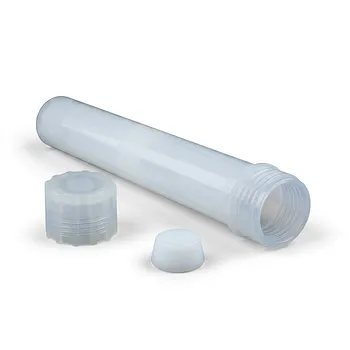
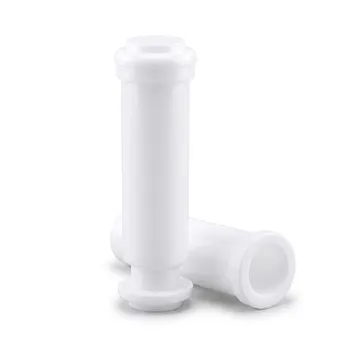
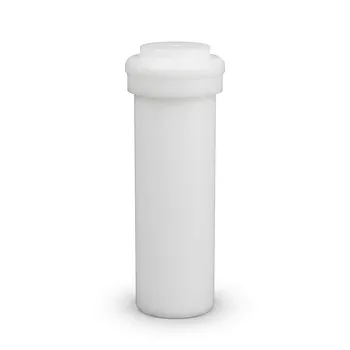
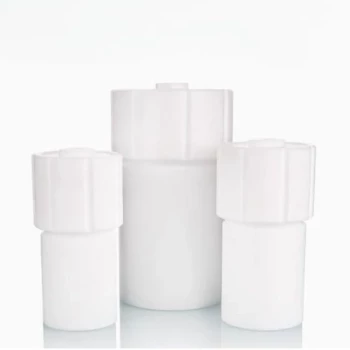
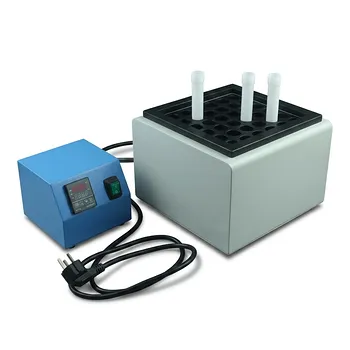
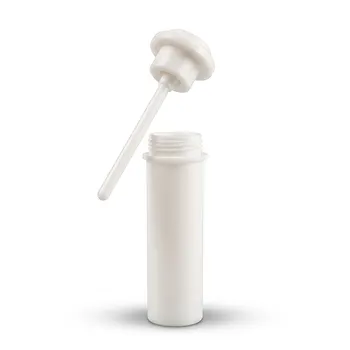
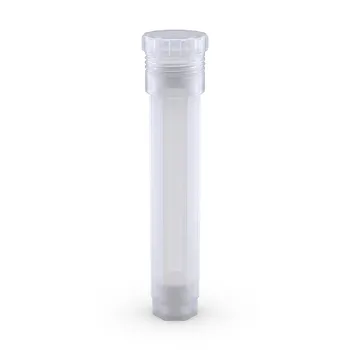
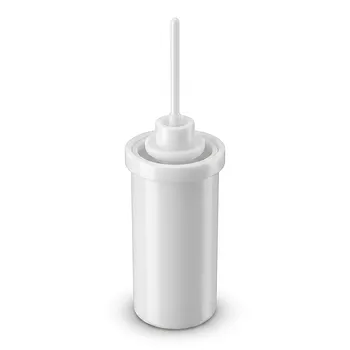
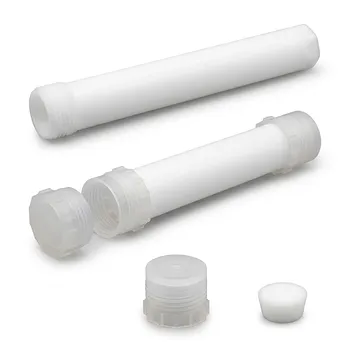
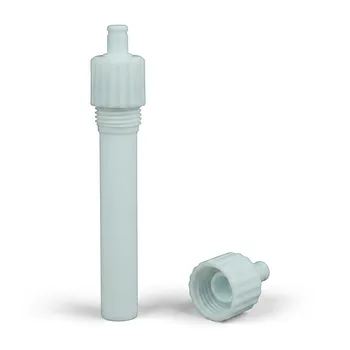
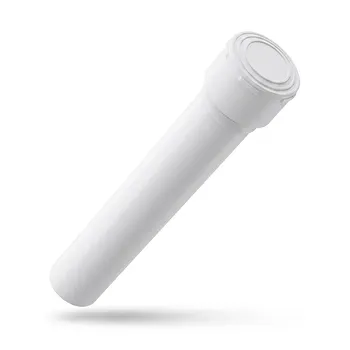
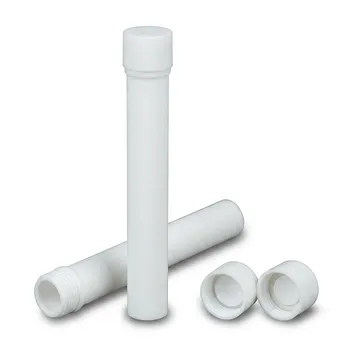
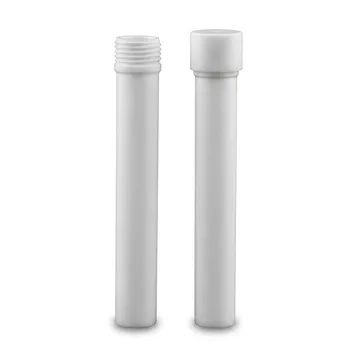
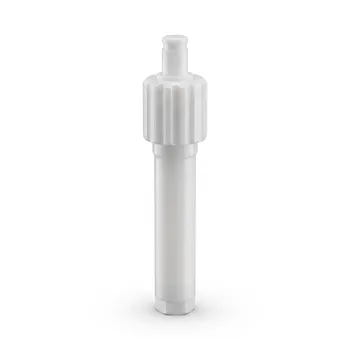
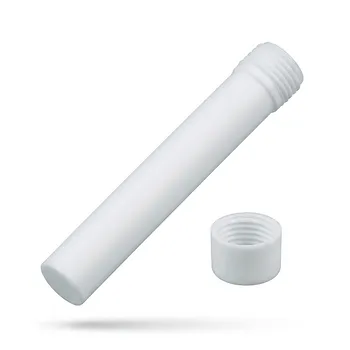
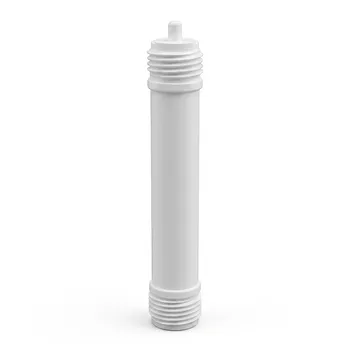
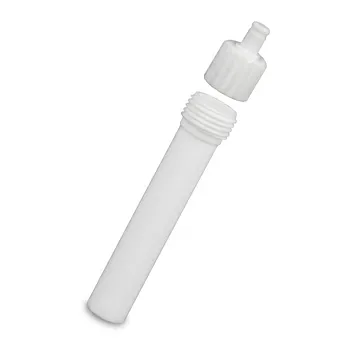
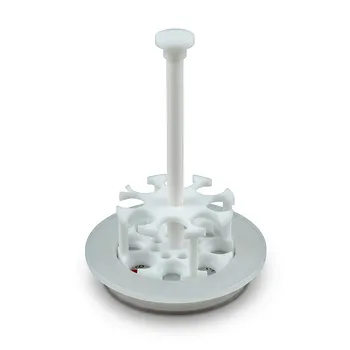
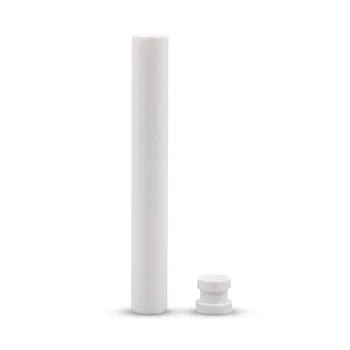
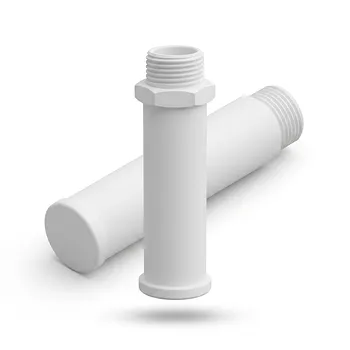
Microwave digestion vessels revolutionize environmental analysis by providing rapid, complete sample mineralization through high-pressure acidic decomposition.
By utilizing direct microwave energy within a sealed system, these vessels reduce digestion times from several hours to just 20–60 minutes. This technology ensures the total breakdown of refractory components like silicates in soil and prevents the escape of volatile elements in wastewater, resulting in the high-purity solutions required for modern trace-level detection.
Microwave digestion vessels integrate high-pressure containment with volumetric heating to achieve complete matrix decomposition and superior recovery of volatile elements. This approach drastically improves laboratory throughput while maintaining the ultra-low blank values essential for precise environmental monitoring.
Enhanced Analytical Accuracy and Recovery
Complete Decomposition of Refractory Matrices
Environmental samples like contaminated soils often contain silicates and minerals that resist traditional heating. Microwave vessels reach internal temperatures and pressures (often 220–280 °C) sufficient to dissolve these complex structures completely.
Prevention of Volatile Element Loss
Traditional open-vessel heating often leads to the loss of volatile elements such as selenium and zinc due to evaporation. The closed-vessel architecture creates a secure environment that suppresses this loss, ensuring high recovery rates and more accurate quantification.
Lowering Detection Limits
The use of high-purity vessel materials, such as high-performance fluoropolymers, minimizes contamination from the vessel itself. Because the process is so efficient, it requires reduced acid volumes, which directly lowers blank values and improves the sensitivity of trace-level analysis.
Efficiency and Laboratory Throughput
Rapid Volumetric Heating
Unlike traditional hot plates that rely on conduction, microwave energy directly acts on the digestion liquid. This generates instantaneous high temperatures throughout the solution, significantly accelerating the release of heavy metal ions from the sample matrix.
Automated and Programmed Control
Modern microwave systems allow for fully enclosed digestion under programmed temperature and pressure profiles. This automation ensures consistency across batches, reducing human error and freeing up laboratory personnel for other tasks.
Streamlined Sample Preparation
The process yields a clear, homogeneous, and intact solution that is immediately ready for advanced analytical techniques. This eliminates the need for repeated digestion steps or complex filtration required by incomplete atmospheric heating methods.
Understanding the Trade-offs and Risks
Pressure and Temperature Limits
While high pressure is an advantage for decomposition, it also presents a safety risk if not monitored. Vessels must be rated correctly for the specific acid chemistry used, as exceeding pressure limits can lead to vessel failure or venting.
Material Wear and Maintenance
The fluoropolymers used in high-performance vessels are chemically inert but subject to physical wear over time. Frequent use at high temperatures can lead to vessel deformation or "memory effects," where trace contaminants from previous samples linger if cleaning protocols are not rigorous.
Initial Investment Costs
Implementing a microwave digestion system requires a higher upfront capital investment compared to simple hot plate setups. Labs must weigh the increased cost of specialized vessels and the microwave unit against the long-term gains in speed and data quality.
Applying Microwave Digestion to Your Environmental Goals
How to Select the Right Approach
- If your primary focus is high-throughput soil screening: Prioritize systems with high-capacity rotors and rapid cooling features to minimize downtime between batches.
- If your primary focus is trace-level selenium or mercury analysis: Invest in high-pressure, sealed TFM or PFA vessels to ensure zero loss of volatile species and the lowest possible blank values.
- If your primary focus is dissolving geological or mining ores: Select heavy-duty vessels capable of sustained operation at temperatures above 250 °C to ensure the breakdown of refractory silicates.
By transitioning to microwave digestion vessels, laboratories can achieve the rigorous precision required for environmental compliance while significantly reducing sample preparation bottlenecks.
Summary Table:
| Feature | Benefit for Environmental Analysis |
|---|---|
| High-Pressure Sealing | Prevents loss of volatile elements like Se, Zn, and Hg. |
| Direct Volumetric Heating | Reduces digestion time from hours to 20–60 minutes. |
| Fluoropolymer Construction | Minimizes contamination and ensures low blank values. |
| Extreme Temperature Range | Enables complete dissolution of refractory silicates in soil. |
| Automated Control | Enhances batch consistency and reduces human error. |
Elevate Your Lab Efficiency with KINTEK’s Fluoropolymer Expertise
Maximize the precision of your environmental monitoring with high-performance laboratory supplies from KINTEK. We specialize in high-purity fluoropolymer solutions, offering an exhaustive range of products from everyday basic labware (beakers, measuring cylinders, crucibles, and reagent bottles) to specialized microwave digestion vessels and high-purity trace analysis instruments.
Whether you require comprehensive fluid transfer components (tubing, valves), sample prep tools (separatory funnels, filters, tweezers), or advanced reaction apparatus like custom electrochemical cells and hydrothermal synthesis liners, our end-to-end custom CNC fabrication ensures we meet your exact specifications. From complex non-standard machined parts to high-volume orders, KINTEK is your ultimate partner for high-performance PTFE and PFA materials.
Ready to optimize your sample preparation? Contact us today to discover how our bespoke laboratory setups can streamline your workflow!
Related Products
- High Purity Corrosion Resistant PFA Microwave Digestion Vessels 55ml Replacement Tubes for Trace Analysis
- Custom High Purity TFM Microwave Digestion Vessel 100ml for Analytical Laboratory Sample Preparation
- High Purity TFM Microwave Digestion Vessels for Trace Analysis and Custom Sample Preparation Systems
- Custom PTFE Microwave Digestion Vessels for Demanding Applications
- High Purity PTFE Microwave Digestion Vessel Replacement for GT-400 Systems Acid Reflux and Sample Preparation
People Also Ask
- Why are high-strength PFA microwave digestion vessels ideal for complex samples? Ensure Pure & Precise Trace Analysis
- What safety features are commonly integrated into microwave digestion vessels? Ensuring High-Pressure Laboratory Safety
- What are the advantages of using microwave digestion vessels? Optimize EG@MO synthesis with superior thermal control.
- How do microwave digestion vessels support pharmaceutical elemental impurity testing? Achieve Precise USP Compliance
- Why do fluoropolymer labware and microwave digestion vessels exhibit exceptional thermal stability and chemical inertness compared to standard non-fluorinated laboratory plastics?