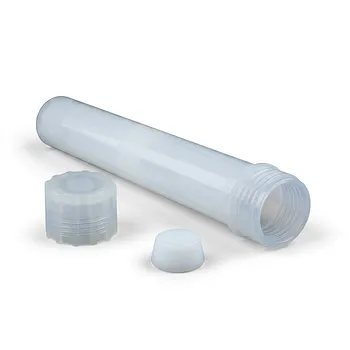
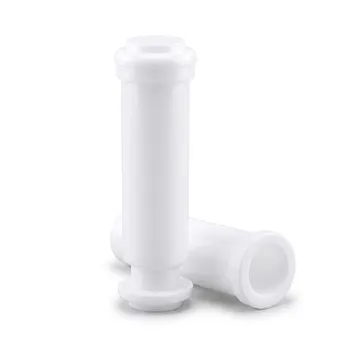
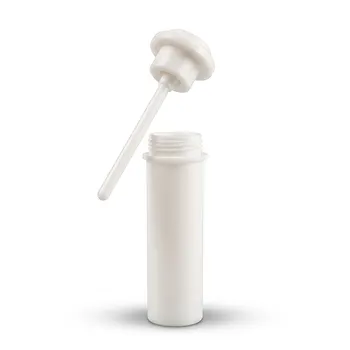
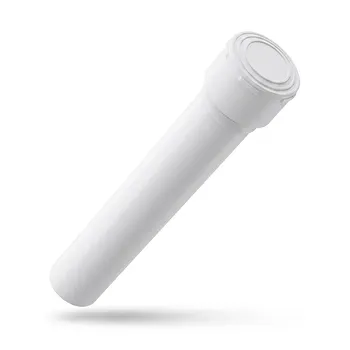
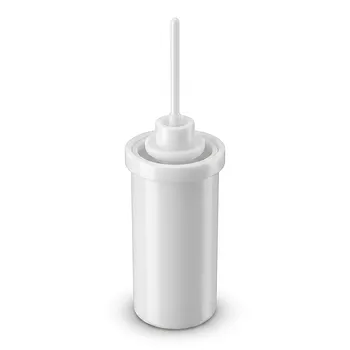
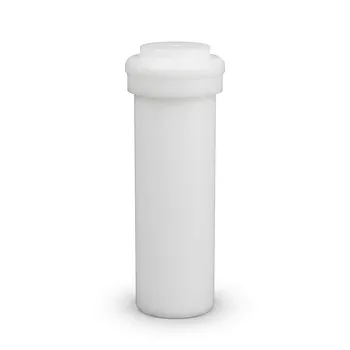
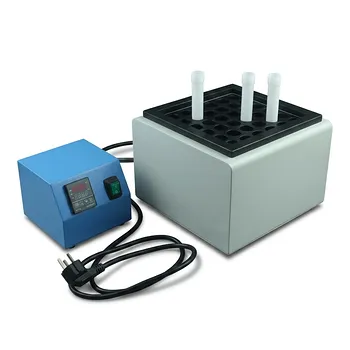
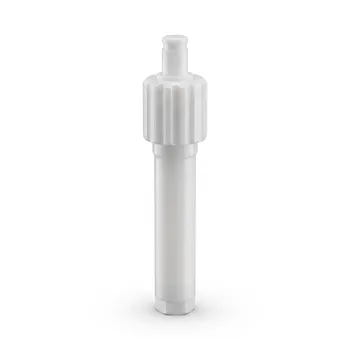
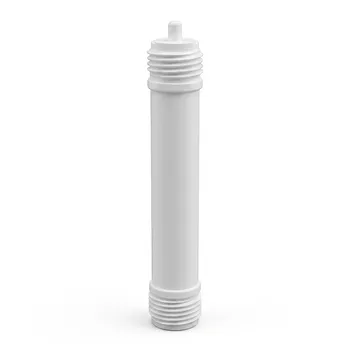
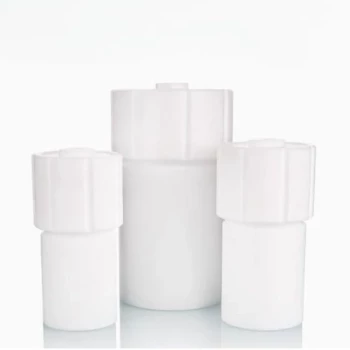
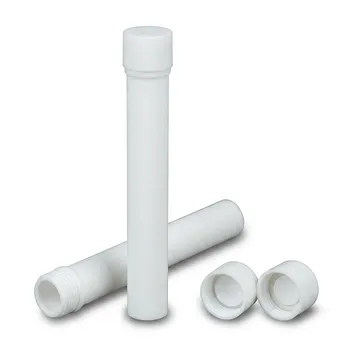
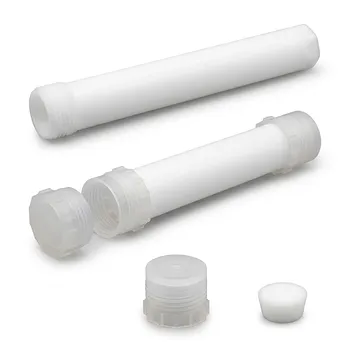
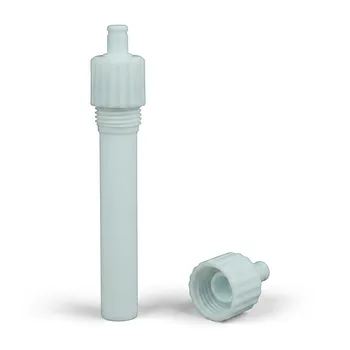
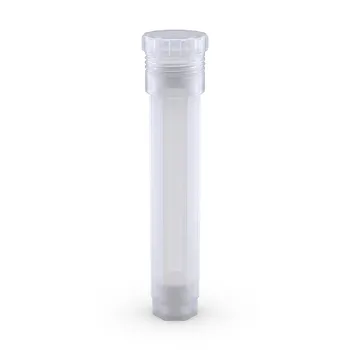
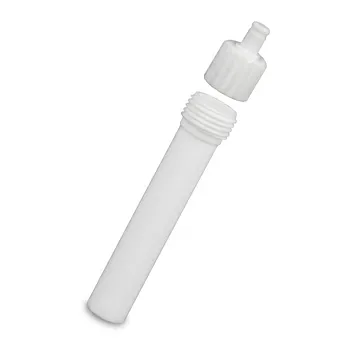
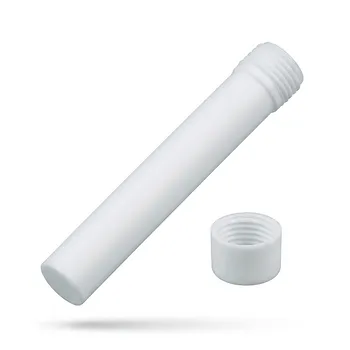
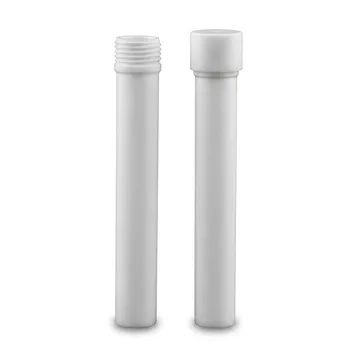
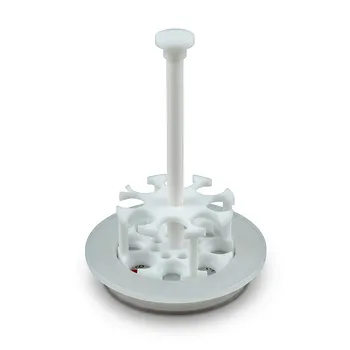
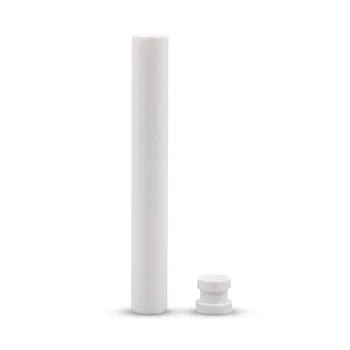
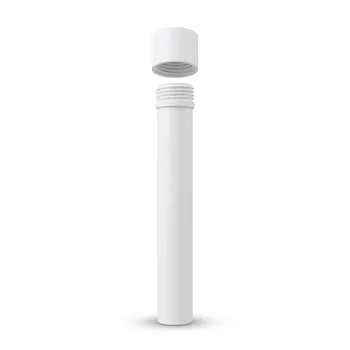
The construction of microwave digestion vessels is dictated by the requirement for chemical inertness and microwave transparency. Most vessels are manufactured from high-purity fluoropolymers such as Polytetrafluoroethylene (PTFE), modified PTFE (TFM), and Perfluoroalkoxy (PFA), or from high-purity quartz. These materials allow microwave energy to pass through to the sample while withstanding the extreme internal pressures and corrosive acids required for complete digestion.
Microwave digestion vessels use specialized fluoropolymers and quartz to ensure structural integrity and sample purity under extreme conditions. The choice of material directly impacts the vessel’s pressure limits, temperature resistance, and the level of potential trace-element contamination.
The Dominance of Fluoropolymers
Polytetrafluoroethylene (PTFE)
PTFE is a foundational material in microwave digestion due to its exceptional chemical inertness and resistance to strong oxidizing agents like concentrated nitric acid. Its non-stick properties facilitate the complete transfer of samples and make the vessels easier to clean between runs.
Modified PTFE (TFM)
TFM is a chemically modified version of PTFE that offers improved mechanical properties, such as a denser molecular structure and reduced porosity. This makes TFM particularly well-suited for high-pressure liners, as it is less prone to "memory effects" where contaminants from previous samples leach into new ones.
Perfluoroalkoxy (PFA)
PFA is favored for its superior thermal stability and mechanical strength, often used in applications where visibility and extreme purity are required. It provides a very low trace-metal background, which is critical when performing analysis at the microgram-per-kilogram level.
High-Purity Quartz Applications
Achieving the Lowest Blank Values
While fluoropolymers are standard, high-purity quartz is utilized for specialized applications that demand the lowest possible analytical blanks. Quartz provides a level of elemental purity that even high-performance plastics may struggle to match for certain specific trace elements.
Transparency and Thermal Resistance
Quartz vessels can withstand significantly higher temperatures than fluoropolymers, though they are more brittle and sensitive to certain acids like hydrofluoric acid. They allow for visual monitoring of the digestion process when used in specialized microwave systems.
Understanding the Trade-offs
Temperature and Pressure Limits
Fluoropolymers have distinct thermal ceilings; exceeding these limits can lead to vessel deformation or catastrophic failure. While TFM and PFA are robust, they cannot match the temperature range of quartz, necessitating careful monitoring of the internal reaction environment.
Memory Effects and Porosity
Standard PTFE is slightly porous, which can lead to the absorption of certain elements or acid vapors during high-pressure cycles. If not cleaned rigorously, this "memory effect" can lead to cross-contamination in subsequent digestion batches.
Material Uniformity and Fatigue
The structural integrity of a vessel depends on material uniformity and precision CNC machining. Over time, repeated heating and cooling cycles cause mechanical fatigue, meaning even the highest quality fluoropolymer vessels have a finite lifespan before they must be replaced for safety.
Choosing the Right Material for Your Analysis
To ensure the safety of your laboratory and the accuracy of your data, the vessel material must align with your specific analytical goals.
- If your primary focus is routine trace metal analysis: Utilize TFM or PTFE liners, as they offer the best balance of chemical resistance, durability, and cost-effectiveness for standard acid digestions.
- If your primary focus is ultra-trace analysis (ppb/ppt levels): Select high-purity PFA or quartz vessels to minimize the risk of leaching and ensure the lowest possible background contamination.
- If your primary focus is high-pressure/high-temperature reactions: Prioritize TFM liners, which are specifically engineered to maintain structural integrity under the most demanding physical conditions.
Selecting the appropriate vessel material is the first and most critical step in ensuring a safe, efficient, and contamination-free sample preparation process.
Summary Table:
| Material | Key Properties | Best Use Case | Performance Level |
|---|---|---|---|
| PTFE | Chemically inert, non-stick | Routine trace metal analysis | Standard |
| TFM | Low porosity, mechanical strength | High-pressure/High-temp reactions | High Strength |
| PFA | Ultra-pure, thermal stability | Ultra-trace analysis (ppb/ppt) | Ultra-Purity |
| Quartz | Transparent, extremely pure | Lowest blank values, extreme heat | Maximum Heat |
Precision Fluoropolymer Solutions for Your Laboratory
Upgrade your research capabilities with high-performance fluoropolymer solutions from KINTEK. We specialize in manufacturing high-purity PTFE and PFA laboratory supplies, ranging from everyday basic labware like beakers, crucibles, and reagent bottles to advanced microwave digestion vessels and custom electrochemical cells.
Whether you require high-purity trace analysis instruments, complex fluid transfer components (tubing, fittings, valves), or bespoke sample preparation tools, our end-to-end custom CNC fabrication ensures your exact specifications are met. From single non-standard machined parts to high-volume orders, we maintain an absolute focus on high-performance materials to guarantee safety and accuracy in your lab.
Ready to optimize your workflow? Contact us today to discuss your specific requirements and see how our expertise in high-performance fluoropolymers can deliver the durability and purity your analysis demands.
Related Products
- High Purity Corrosion Resistant PFA Microwave Digestion Vessels 55ml Replacement Tubes for Trace Analysis
- Custom High Purity TFM Microwave Digestion Vessel 100ml for Analytical Laboratory Sample Preparation
- Custom TFM Microwave Digestion Vessels for ICP-OES Analysis High Purity Fluoropolymer Sample Preparation Labware
- High Temperature TFM Microwave Digestion Vessel Lid Compatible with Acid Evaporation Systems and Laboratory Pretreatment Equipment
- Custom High Purity TFM Microwave Digestion Vessel 100ml Capacity Compatible Replacement Liner for Professional Analytical Instruments
People Also Ask
- Why are high-strength PFA microwave digestion vessels ideal for complex samples? Ensure Pure & Precise Trace Analysis
- What safety features are commonly integrated into microwave digestion vessels? Ensuring High-Pressure Laboratory Safety
- What are the advantages of using microwave digestion vessels for environmental analysis? Boost speed and sample accuracy.
- What are the advantages of using microwave digestion vessels? Optimize EG@MO synthesis with superior thermal control.
- How do microwave digestion vessels support pharmaceutical elemental impurity testing? Achieve Precise USP Compliance