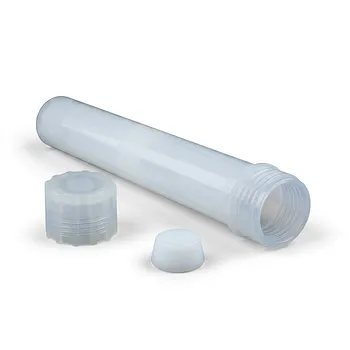
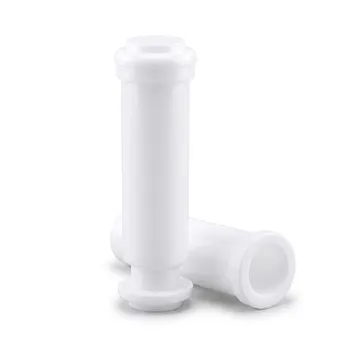
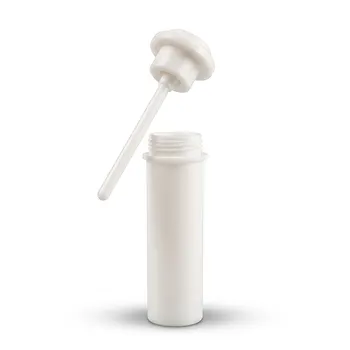
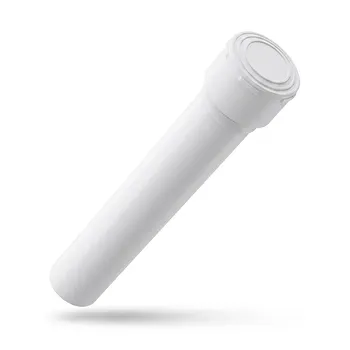
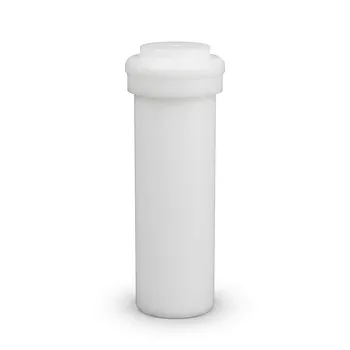
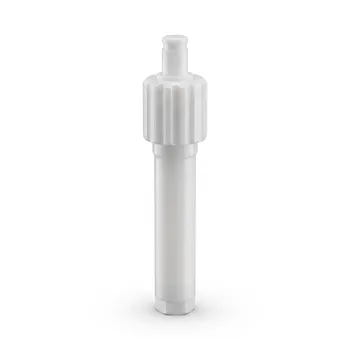
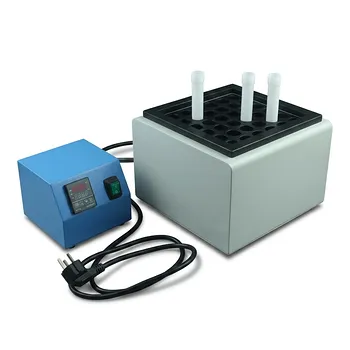
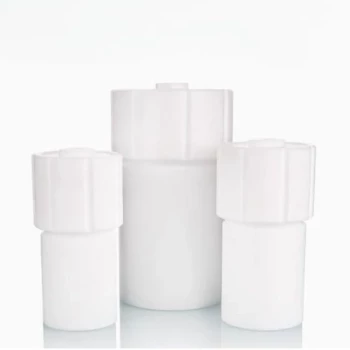
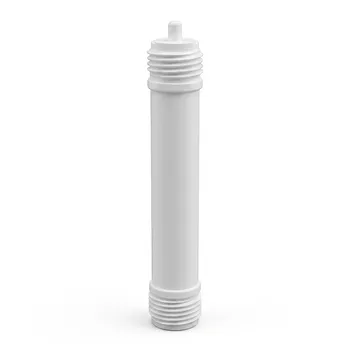
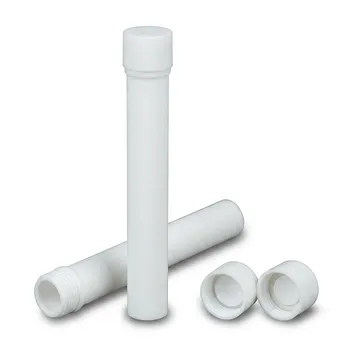
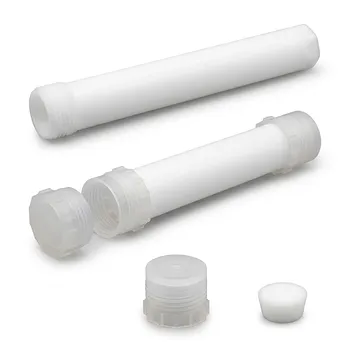
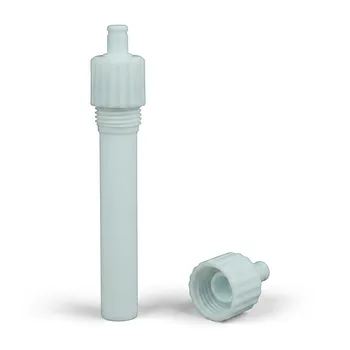
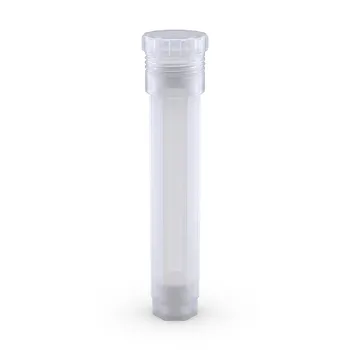
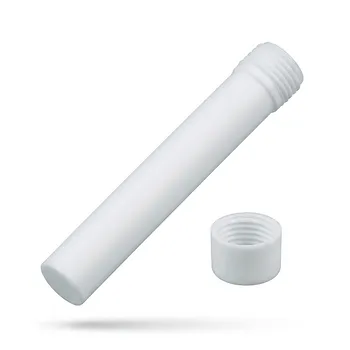
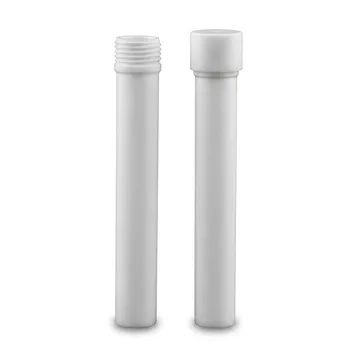
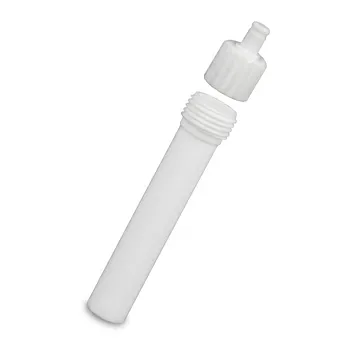
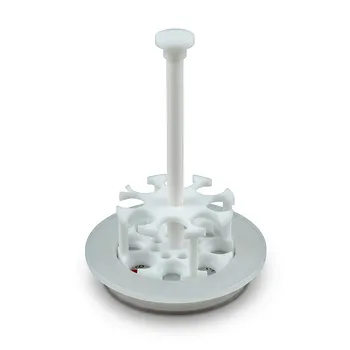
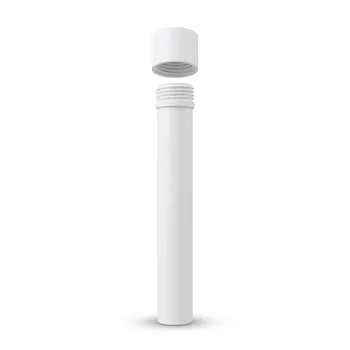
High-precision microwave digestion vessels utilize a multi-layered safety architecture centered on calibrated mechanical relief and real-time electronic monitoring. These systems incorporate physical rupture discs to vent excess gas and optical sensors that allow the microwave controller to preemptively adjust power before reaching critical failure points.
The safety of microwave digestion relies on a synergy between passive mechanical safeguards and active electronic feedback loops. This dual-layered approach prevents catastrophic vessel failure during the extreme conditions required for complete sample decomposition.
Passive Mechanical Safety Features
Calibrated Pressure-Relief Devices
The primary mechanical defense in high-precision vessels consists of rupture discs or membranes. These components are precision-engineered to fail at a specific, predetermined pressure threshold.
When internal pressure exceeds safe limits, the disc ruptures to vent gas safely into the system's exhaust. This prevents the vessel body itself from fracturing under the intense stress of the digestion process.
Structural Integrity and Sealing
Vessels are often manufactured using precision CNC machining to ensure a perfect seal between the cap and the body. Uniformity in the material is critical to preventing localized stress points that could lead to leaks.
Modern designs use high-strength materials that maintain their structural shape even under the high temperatures generated by concentrated nitric acid. This physical robustness is the foundation upon which all other safety layers are built.
Active Monitoring and Control Systems
Optical Temperature Control (OTC)
Systems interface with optical temperature sensors, often using infrared or fiber-optic technology. These sensors provide the microwave controller with real-time data regarding the internal heat of the reaction.
If the temperature rises too quickly—indicating a runaway exothermic reaction—the controller can immediately reduce or cut power. This proactive intervention often prevents the mechanical safety devices from needing to deploy.
Optical Pressure Control (OPC)
Similar to temperature monitoring, optical pressure control provides a continuous data stream to the microwave system. This allows for fine-tuned power adjustments based on the internal pressure curve of the sample.
By monitoring pressure changes in real-time, the system can maintain the reaction at the optimal boiling point for acid reagents. This maximizes digestion efficiency while keeping the vessel within its safe operating envelope.
Material Engineering and Chemical Inertness
Use of Advanced Fluoropolymers
Vessels are typically constructed from PTFE, TFM, or PFA, which are chosen for their chemical inertness and microwave transparency. These materials do not react with the sample or the concentrated acids, preventing contamination and material degradation.
Modified TFM is frequently preferred for high-precision work because it offers better surface smoothness and lower permeability than standard PTFE. This reduces the risk of memory effects and ensures the material remains strong over many cycles.
High-Purity Quartz Options
For applications requiring the lowest possible blank values, high-purity quartz is utilized. While more brittle than polymers, quartz can withstand higher temperatures and provides exceptional structural stability.
Regardless of the material, the vessel must remain microwave-transparent. This ensures that the energy is directed into the acid and sample rather than heating the vessel walls themselves.
Understanding the Trade-offs
Mechanical Wear and Fatigue
Every safety mechanism is subject to physical degradation over time. Rupture discs can become brittle or "creep" after repeated heating cycles, potentially leading to premature venting and sample loss.
Contamination Risks After Venting
When a vessel vents through its pressure-relief device, it releases concentrated acid vapors into the microwave cavity. While this prevents an explosion, it requires immediate cleaning of the system to prevent corrosion and hardware damage.
Material Memory and Stress
High-pressure polymers like PTFE can develop micro-cracks or deformations if pushed to their limits frequently. Users must balance the need for high-speed digestion with the long-term integrity of their vessel inventory.
How to Apply This to Your Lab
Effective microwave digestion requires matching the vessel's safety limits to the chemistry of your samples.
- If your primary focus is high-pressure organic digestion: Prioritize vessels with TFM construction and integrated optical pressure control to manage rapid gas evolution.
- If your primary focus is trace metal analysis: Utilize high-purity quartz vessels with fiber-optic temperature monitoring to ensure the lowest possible contamination levels.
- If your primary focus is high-throughput routine testing: Focus on systems with active cooling and easy-to-replace rupture discs to minimize downtime between runs.
By understanding these integrated safety layers, you can push the limits of analytical chemistry without compromising the safety of your laboratory or the integrity of your equipment.
Summary Table:
| Safety Mechanism | Type | Primary Function |
|---|---|---|
| Rupture Discs | Passive Mechanical | Calibrated pressure relief to prevent vessel fracturing. |
| Optical Temp Control | Active Electronic | Real-time monitoring to preemptively reduce power and prevent runaway reactions. |
| Optical Pressure Control | Active Electronic | Continuous data tracking to maintain optimal boiling points and safe pressure limits. |
| CNC Machined Sealing | Structural | High-precision engineering to ensure leak-proof performance under extreme stress. |
| Advanced Fluoropolymers | Material Science | Use of TFM/PFA for chemical inertness and high-strength structural integrity. |
Elevate Your Lab Safety with KINTEK’s Fluoropolymer Expertise
Don't compromise on precision or safety in your microwave digestion workflows. KINTEK specializes in high-performance fluoropolymer solutions, offering an exhaustive range of laboratory supplies crafted from premium PTFE and PFA.
Whether you require high-purity microwave digestion vessels, trace analysis instruments, or standard labware like beakers and reagent bottles, our end-to-end custom CNC fabrication ensures every component meets the most rigorous safety standards. From complex fluid transfer components and filtration tools to advanced reaction apparatus like custom electrochemical cells, we provide the high-performance materials your research demands.
Ready to upgrade your laboratory setup with bespoke, high-durability components?
Contact our specialists today to discuss your specific requirements and see how KINTEK can deliver the reliability you need.
Related Products
- High Purity Corrosion Resistant PFA Microwave Digestion Vessels 55ml Replacement Tubes for Trace Analysis
- Custom High Purity TFM Microwave Digestion Vessel 100ml for Analytical Laboratory Sample Preparation
- Custom TFM Microwave Digestion Vessels for ICP-OES Analysis High Purity Fluoropolymer Sample Preparation Labware
- High Temperature TFM Microwave Digestion Vessel Lid Compatible with Acid Evaporation Systems and Laboratory Pretreatment Equipment
- Custom High Purity TFM Microwave Digestion Vessel 100ml Capacity Compatible Replacement Liner for Professional Analytical Instruments
People Also Ask
- Why are high-strength PFA microwave digestion vessels ideal for complex samples? Ensure Pure & Precise Trace Analysis
- What safety features are commonly integrated into microwave digestion vessels? Ensuring High-Pressure Laboratory Safety
- What are the advantages of using microwave digestion vessels for environmental analysis? Boost speed and sample accuracy.
- What are the advantages of using microwave digestion vessels? Optimize EG@MO synthesis with superior thermal control.
- How do microwave digestion vessels support pharmaceutical elemental impurity testing? Achieve Precise USP Compliance