The dipole rotation mechanism serves as the engine of microwave digestion, enabling rapid sample preparation by targeting energy at the molecular level. This process occurs when polar molecules within a digestion vessel, such as water or nitric acid (HNO₃), attempt to align themselves with an electric field that oscillates at 2.45 GHz. The resulting rapid molecular movement generates internal heat through friction and collisions, allowing the sample to reach digestion temperatures far faster than traditional conductive heating.
Core Takeaway: Dipole rotation converts electromagnetic energy directly into thermal energy by causing polar molecules to oscillate billions of times per second. This creates a "volumetric" heating effect that is faster, more uniform, and more efficient than heating from the outside-in.
The Physics of Molecular Alignment
The Nature of Polar Molecules
In microwave digestion, the solvents used—typically strong acids—are polar molecules, meaning they have a partial positive and partial negative charge. These molecules act like microscopic magnets (dipoles) that are highly sensitive to external electromagnetic forces.
Interaction with the 2.45 GHz Field
The microwave system generates an electric field that switches its polarity 2.45 billion times per second. As the field oscillates, the polar molecules are forced to physically rotate back and forth to maintain alignment with the shifting field.
Converting Motion into Heat
Molecular Friction and Collisions
The sheer speed of these rotations causes molecules to constantly bump into and rub against one another. This molecular friction is the primary driver of temperature increase within the liquid mixture.
Kinetic Energy Transformation
As the molecules oscillate, their rotational kinetic energy is continuously converted into thermal energy. Because this interaction happens throughout the entire volume of the liquid simultaneously, the temperature rises with extreme speed.
The Impact of Volumetric Heating
Efficiency Over Traditional Methods
Unlike a hot plate, which relies on conduction to move heat from the vessel wall to the center, microwave heating happens from within. This eliminates the "cold spots" often found in traditional digestion methods.
Uniformity of the Digestion Mixture
Because the energy is absorbed directly by the solvent molecules, the entire digestion mixture reaches the target temperature homogeneously. This consistency is vital for ensuring that complex samples are completely broken down for analysis.
Understanding the Trade-offs
Dependence on Solvent Polarity
The efficiency of dipole rotation is entirely dependent on the dielectric properties of the solvent. Non-polar substances, such as certain oils or solvents like hexane, will not respond to the electric field and therefore will not heat via this mechanism.
The Risk of Thermal Runaway
Because microwave heating is so efficient, it can lead to rapid pressure increases inside sealed vessels. If the reaction is not monitored, the intense energy from dipole rotation can cause the mixture to exceed the vessel's safety limits.
How to Apply This to Your Project
When utilizing microwave digestion, your choice of reagents and settings should align with the physics of dipole rotation to ensure safety and accuracy.
- If your primary focus is Maximum Speed: Use highly polar acids like nitric acid (HNO₃) to ensure the highest degree of dipole rotation and energy absorption.
- If your primary focus is Digesting Non-Polar Samples: Add a "polar booster" or a small amount of polar solvent to the vessel to act as a heat-transfer medium for the non-polar sample.
- If your primary focus is Pressure Safety: Utilize a gradual "ramp-to-temperature" setting to prevent the rapid dipole rotation from creating an uncontrollable pressure spike.
By mastering the interaction between electromagnetic fields and molecular dipoles, you can achieve faster, cleaner, and more reproducible analytical results.
Summary Table:
| Feature | Mechanism Detail | Benefit to Digestion |
|---|---|---|
| Energy Source | 2.45 GHz oscillating electric field | Extremely rapid molecular stimulation |
| Target | Polar molecules (e.g., $HNO_3$, $H_2O$) | Direct energy absorption by the solvent |
| Heat Generation | Internal molecular friction & collisions | Eliminates external thermal lag |
| Heating Profile | Volumetric (simultaneous throughout) | Uniform temperature; no cold spots |
| Efficiency | Direct kinetic-to-thermal conversion | Faster breakdown of complex samples |
Optimize Your Digestion Workflow with KINTEK Fluoropolymer Expertise
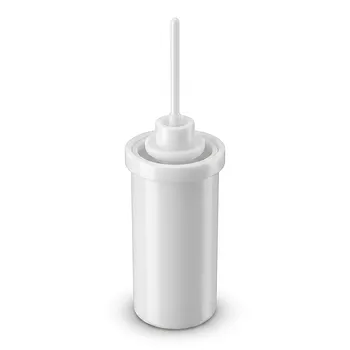
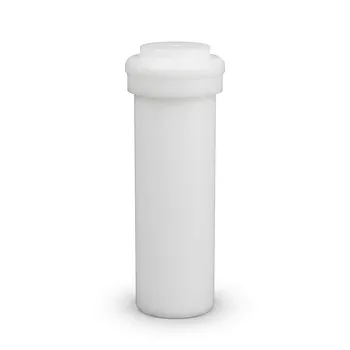
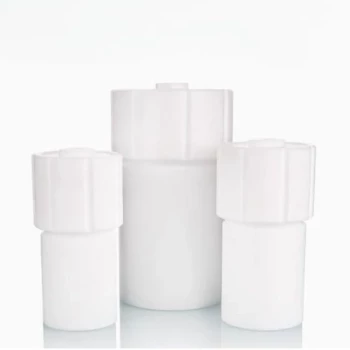
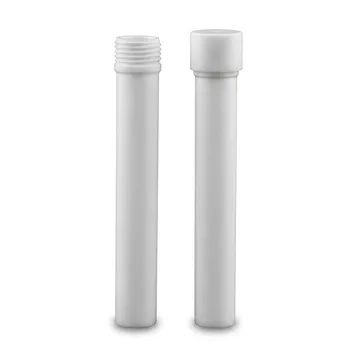
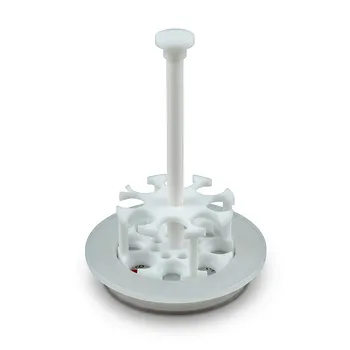
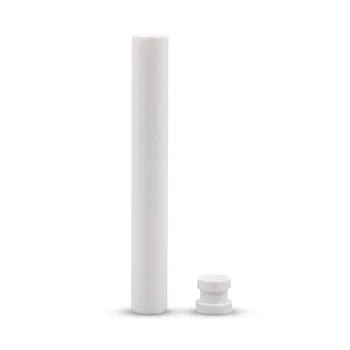
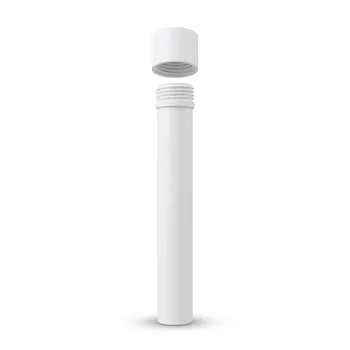
To safely harness the intense energy of dipole rotation, your laboratory requires high-performance vessels that can withstand extreme thermal and chemical stress. KINTEK specializes in manufacturing virtually all imaginable laboratory supplies crafted from premium PTFE and PFA, ensuring zero contamination and maximum durability for your trace analysis.
Whether you need standard microwave digestion vessels, high-purity beakers, and reagent bottles, or complex custom CNC-machined parts and fluid transfer components (tubing, fittings, valves), we provide end-to-end solutions tailored to your specific needs. From everyday consumables like stirring bars and gaskets to advanced reaction apparatus and battery testing fixtures, our absolute focus on high-performance fluoropolymers guarantees superior results.
Ready to upgrade your lab’s efficiency? Contact us today to discuss your standard or bespoke requirements and see how KINTEK’s precision engineering can support your next breakthrough.
Related Products
- High Purity Corrosion Resistant PFA Microwave Digestion Vessels 55ml Replacement Tubes for Trace Analysis
- Custom High Purity TFM Microwave Digestion Vessel 100ml for Analytical Laboratory Sample Preparation
- Custom TFM Microwave Digestion Vessels for ICP-OES Analysis High Purity Fluoropolymer Sample Preparation Labware
- High Temperature TFM Microwave Digestion Vessel Lid Compatible with Acid Evaporation Systems and Laboratory Pretreatment Equipment
- Custom High Purity TFM Microwave Digestion Vessel 100ml Capacity Compatible Replacement Liner for Professional Analytical Instruments
People Also Ask
- Why are high-strength PFA microwave digestion vessels ideal for complex samples? Ensure Pure & Precise Trace Analysis
- What safety features are commonly integrated into microwave digestion vessels? Ensuring High-Pressure Laboratory Safety
- What are the advantages of using microwave digestion vessels for environmental analysis? Boost speed and sample accuracy.
- How do microwave digestion vessels support pharmaceutical elemental impurity testing? Achieve Precise USP Compliance
- How do microwave digestion vessels facilitate the analysis of food and biological materials? Achieve Precise Trace Analysis