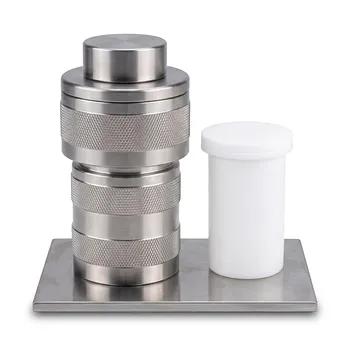
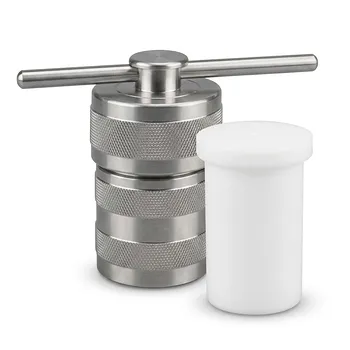
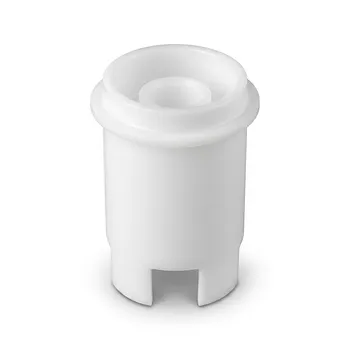
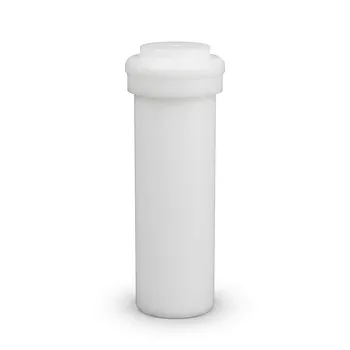
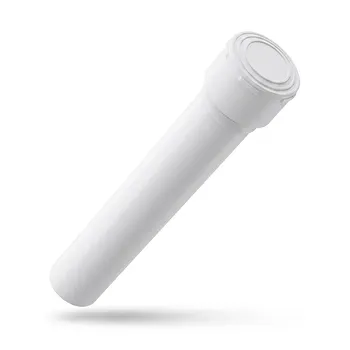
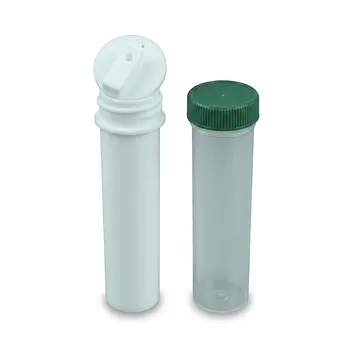
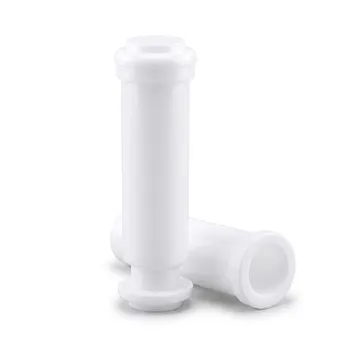
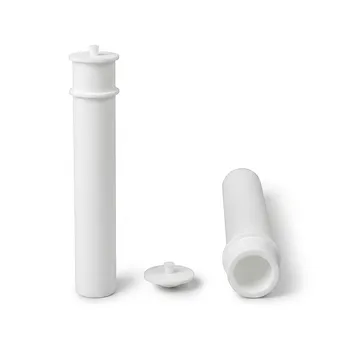
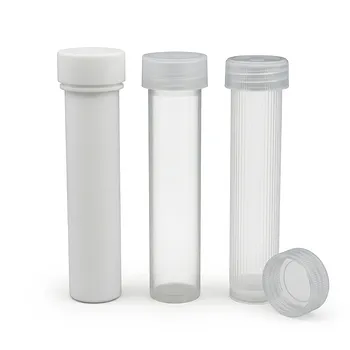
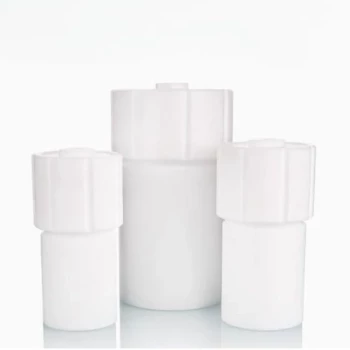
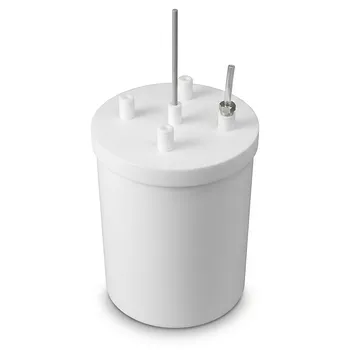
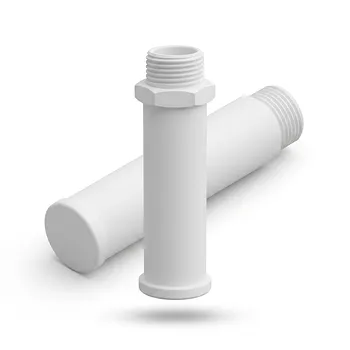
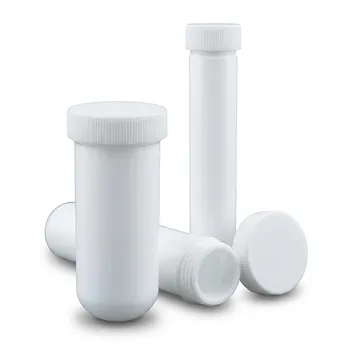
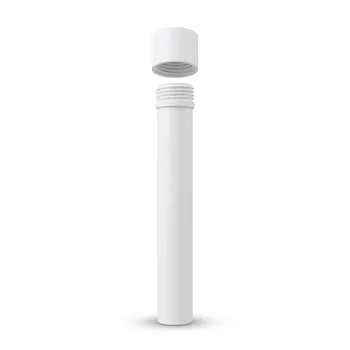
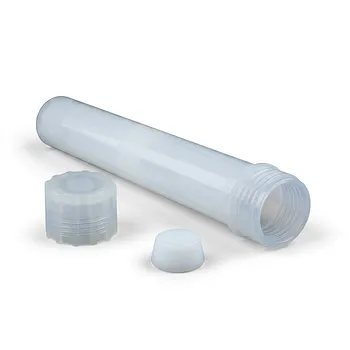
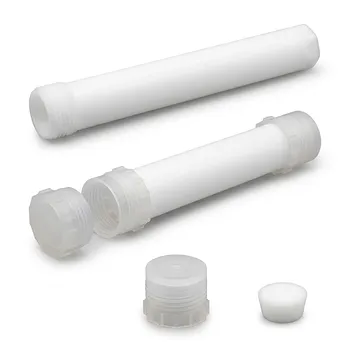
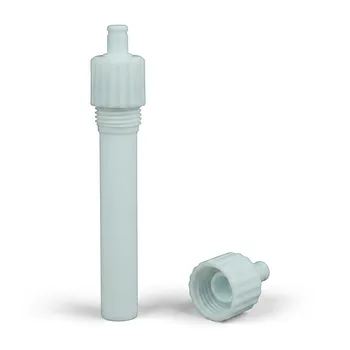
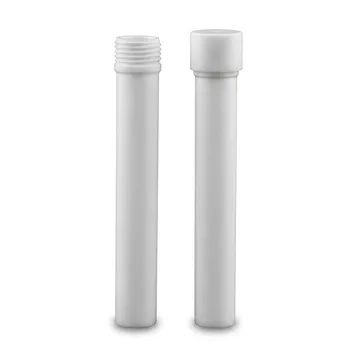
High-pressure digestion vessels and PTFE liners create a controlled hydrothermal environment necessary for the synthesis of sulfur-modified molybdenum carbide (S@Mo2C). By providing a sealed space that can withstand temperatures of 200°C and the resulting internal pressure, these vessels facilitate the reaction between sulfur sources like thioacetamide and molybdenum carbide powders. The PTFE liner specifically ensures that the reaction remains pure and the outer vessel remains undamaged by corrosive reagents.
The primary function of this system is to provide a stable, high-pressure reaction environment while isolating corrosive reagents from the metal vessel. This ensures the high purity of the S@Mo2C catalyst by preventing metallic contamination and facilitating precise chemical modifications.
Facilitating the Hydrothermal Reaction Environment
Creating Subcritical Conditions
The high-pressure digestion vessel acts as a containment system that allows solvents to reach temperatures well above their boiling points. This creates a subcritical environment where the increased pressure and temperature accelerate the dissolution and mixing of sulfur and molybdenum sources.
Managing Internal Pressure
As the vessel is heated, typically in an oven, it generates significant internal pressures—often between 7 and 12.5 MPa. This pressure is critical for driving the oriented growth of the S@Mo2C crystal structure, ensuring the sulfur modification is integrated correctly into the molybdenum carbide lattice.
Prevention of Volatile Loss
The sealed nature of the digestion vessel prevents the escape of volatile elements. This is essential during the synthesis of sulfur-modified materials, as it ensures that the sulfur precursors remain within the reaction system to react fully with the molybdenum carbide.
The Critical Role of the PTFE Liner
Chemical Inertness and Corrosion Resistance
The PTFE (polytetrafluoroethylene) liner is chosen for its exceptional resistance to strong acids, bases, and organic solvents. At the high temperatures required for S@Mo2C synthesis, PTFE remains non-reactive, ensuring that the liner does not participate in the chemical reaction.
Protecting the Structural Vessel
The liner acts as a barrier between the chemical reagents and the stainless steel outer jacket. Without this protection, corrosive precursors could degrade the steel, leading to vessel failure or the leaching of metal ions into the synthesis environment.
Preventing Metallic Contamination
Maintaining the catalytic activity of S@Mo2C requires extreme purity. The PTFE liner prevents iron, chromium, or nickel from the vessel body from entering the reaction, which would otherwise introduce unwanted impurities and alter the material's electrochemical properties.
Impact on Material Morphology and Purity
Maintaining High Precursor Purity
Because the PTFE liner is non-reactive at 200°C, it ensures that no foreign substances are released into the mixture. This allows for the high-purity production of the S@Mo2C catalyst precursor, which is vital for consistent performance in industrial or laboratory applications.
Influencing Uniform Nanostructures
The stable environment provided by the vessel-liner combination promotes the formation of uniform morphology. This stability allows for the precise generation of defect sites within the catalyst lattice, such as sulfur vacancies, which can enhance the material's performance.
Non-Stick Properties for Product Recovery
PTFE’s non-stick characteristics facilitate the complete recovery of the synthesized crystalline products. After the reaction is complete, the S@Mo2C can be removed from the liner with minimal loss, ensuring a higher yield and easier cleaning of the equipment.
Understanding the Trade-offs
Temperature Limitations
While PTFE is highly resistant, it has a functional temperature ceiling, typically around 250°C to 260°C. Exceeding these temperatures can cause the liner to soften or deform, potentially leading to a breach of the seal or contamination of the sample.
Pressure Sensitivity and Safety
The stainless steel jacket provides the mechanical strength, but the entire assembly has specific pressure ratings. Overfilling the PTFE liner (typically beyond 60-80% capacity) can lead to excessive pressure buildup during heating, risking a dangerous "blow-out" or vessel failure.
Thermal Expansion Disparity
PTFE has a different thermal expansion coefficient than stainless steel. If the vessel is cooled too rapidly, the liner may shrink away from the walls or become trapped, requiring careful, gradual cooling protocols to maintain the integrity of both the liner and the synthesized material.
How to Apply This to Your Synthesis Project
When utilizing high-pressure digestion vessels for material synthesis, your choice of parameters should align with your specific material requirements:
- If your primary focus is Maximum Material Purity: Always use a fresh or rigorously acid-cleaned PTFE liner to ensure no cross-contamination from previous synthesis runs.
- If your primary focus is High-Yield S@Mo2C Production: Ensure the vessel is filled to the manufacturer's recommended volume to optimize the pressure-to-reactant ratio without risking a safety vent.
- If your primary focus is Structural Uniformity: Implement a slow, controlled cooling phase after the reaction to allow the crystals to stabilize within the PTFE environment.
Proper utilization of the PTFE-lined vessel ensures that the unique properties of sulfur-modified molybdenum carbide are fully realized through a clean, high-energy synthesis process.
Summary Table:
| Component | Key Function | Benefit for S@Mo2C Synthesis |
|---|---|---|
| High-Pressure Vessel | Structural Containment | Creates subcritical environment (7-12.5 MPa) for oriented crystal growth. |
| PTFE Liner | Chemical Isolation | Prevents metallic contamination and resists corrosive reagents at 200°C. |
| Sealing System | Volatile Management | Prevents escape of sulfur precursors, ensuring complete chemical reaction. |
| Surface Property | Non-Stick Recovery | Facilitates complete recovery of synthesized materials with minimal loss. |
Elevate Your Material Synthesis with KINTEK’s High-Performance Fluoropolymer Solutions
Precision in advanced catalyst synthesis like S@Mo2C demands equipment that guarantees absolute purity and chemical resistance. KINTEK manufactures a comprehensive range of laboratory supplies crafted from premium PTFE and PFA, ranging from high-purity digestion vessels and liners to custom reaction apparatus.
Whether you require everyday consumables like beakers and centrifuge tubes or advanced components such as microchannel reactors and bespoke battery testing fixtures, our end-to-end CNC fabrication ensures perfect alignment with your research specifications. We provide the expertise to deliver everything from high-volume orders to complex, non-standard machined parts, all maintaining an exclusive focus on high-performance materials to prevent contamination and enhance your lab's efficiency.
Ready to optimize your hydrothermal processes? Contact us today to discuss your custom laboratory needs!
References
- Yanhong Ding, Yirong Zhu. S-decorated Mo <sub>2</sub> C as efficient catalyst for Li–O <sub>2</sub> battery system. DOI: 10.1039/d5ra02021b
This article is also based on technical information from Kintek Knowledge Base .
Related Products
- PTFE Lined High Pressure Digestion Vessel 50ml High Temperature Hydrothermal Synthesis Tank
- 5ml High Pressure PTFE Digestion Vessel for Geological Mineral Analysis Corrosion Resistant Polytetrafluoroethylene TFM Digestion Inner Liner
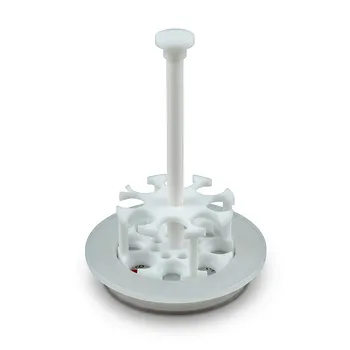
- High Pressure PTFE Digestion Vessel Inner Cup Holder Custom Corrosion Resistant Low Background Teflon
- High Purity TFM Microwave Digestion Vessels for Trace Analysis and Custom Sample Preparation Systems
- High Performance TFM Microwave Digestion Vessel Rack 15 Position Customizable Sample Preparation Support
People Also Ask
- What are the benefits of using a PTFE-lined vessel for carbon-sulfur cathode treatment? Maximize Purity & Performance
- Why are PTFE-lined pressure digestion vessels required for the preparation of Ag/CeO2 catalysts? Purity & Performance
- What safety features are typically incorporated into high-pressure PTFE digestion vessel designs? Ensure Lab Safety
- What is the function of PTFE lined high-pressure vessels in g-C3N4 synthesis? Achieve High-Purity Material Growth
- Role of High-Pressure Digestion Tanks in Perovskite Synthesis: Achieve Superior Stability and Latent Heat