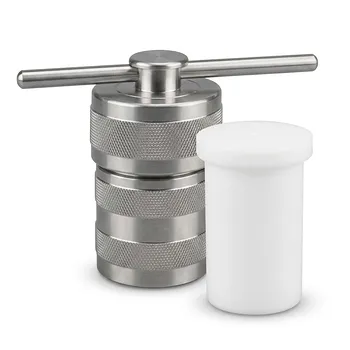
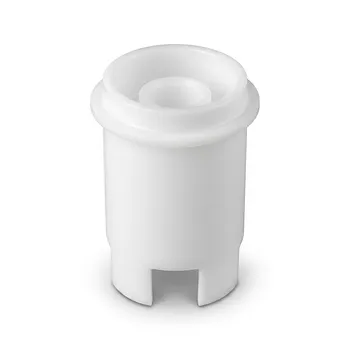
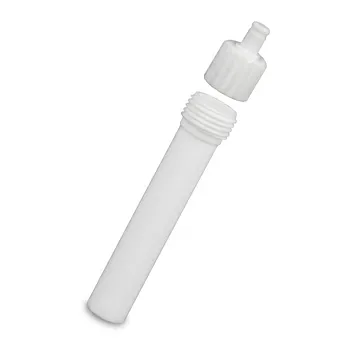
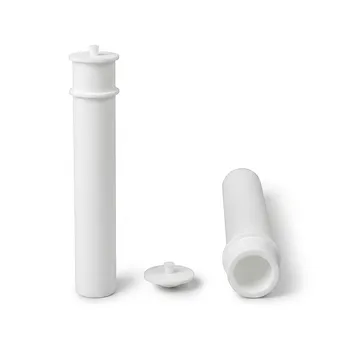
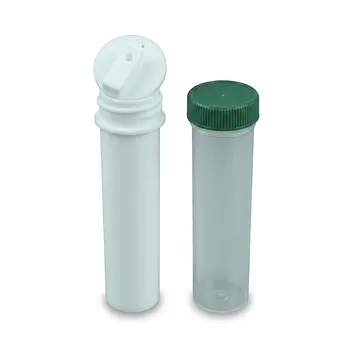
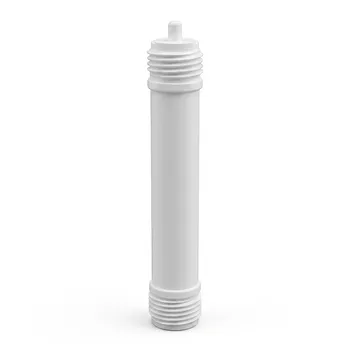
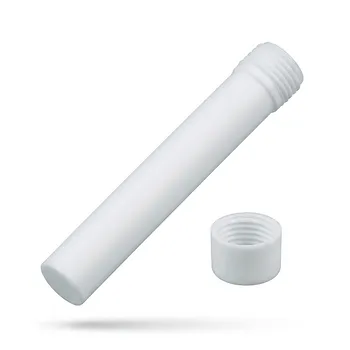
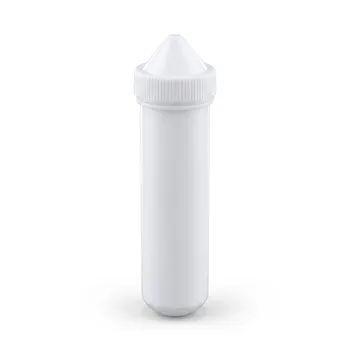
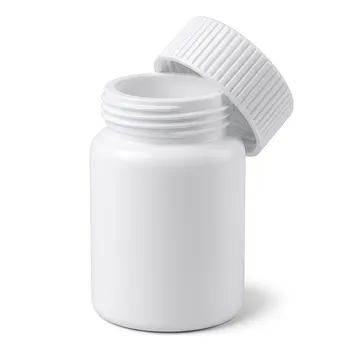
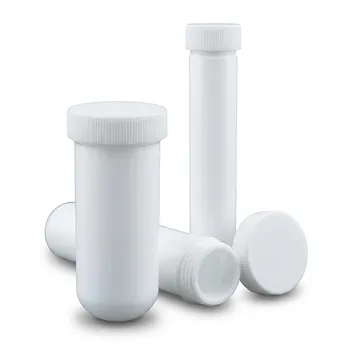
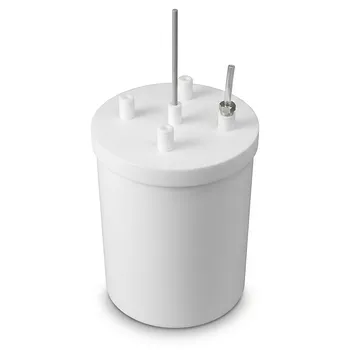
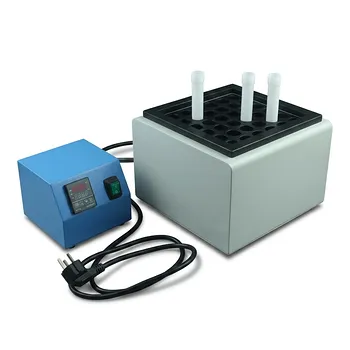
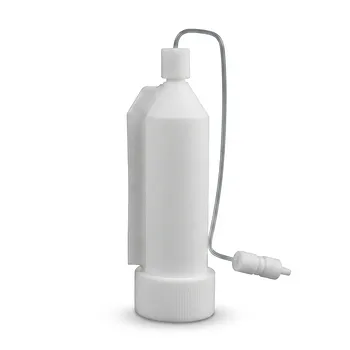
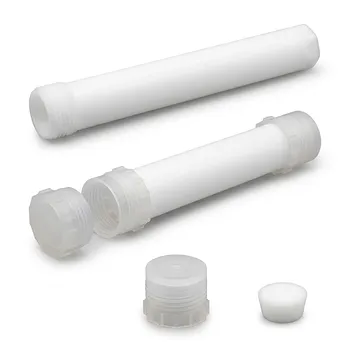
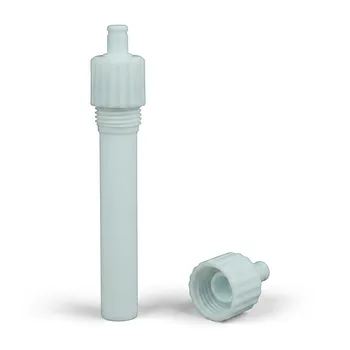
Utilizing a PTFE-lined high-pressure digestion vessel for carbon-sulfur cathode treatment ensures a chemically inert, pressurized environment that facilitates the uniform infusion of sulfur into carbon frameworks. This setup allows molten sulfur to effectively fill graphene or carbon pores via capillary action at temperatures around 155°C, while the liner acts as a critical barrier that protects the outer stainless steel vessel from corrosive sulfur vapors and acidic byproducts.
Core Takeaway: The PTFE liner is essential for maintaining sample purity and structural integrity during thermal processing, as it combines extreme chemical resistance with the ability to withstand the autogenous pressures required for deep sulfur infiltration.
Enhancing Material Synthesis through Controlled Environments
Facilitating Capillary Action in Carbon Pores
The primary benefit in cathode synthesis is the ability to reach the melting point of sulfur (approximately 115°C) within a sealed environment. At targeted processing temperatures like 155°C, the internal pressure helps drive molten sulfur into the microscopic pores of graphene or other carbon structures. This capillary action is vital for creating the intimate contact between sulfur and carbon necessary for high-performance battery electrodes.
Promoting Uniform Nanosheet Growth
A closed subcritical environment, created by the sealed vessel, facilitates the dissolution and oriented growth of components. This leads to more uniform material structures, such as nanosheets, which provide a higher surface area for electrochemical reactions. The stable high-pressure space ensures that the components mix thoroughly without the loss of volatile sulfur.
Non-Stick Surfaces for Material Recovery
PTFE and its modified variants (like TFM) feature an exceptionally smooth, non-stick surface. This property is critical when synthesizing metal-organic frameworks (MOFs) or carbon-sulfur powders, as it allows for the easy and complete collection of the final product. Minimizing material loss during recovery ensures that the calculated sulfur-to-carbon ratios remain accurate.
Ensuring Chemical Purity and Vessel Longevity
Prevention of External Metal Contamination
In the production of cathode materials, even trace amounts of metal impurities can lead to parasitic reactions or battery failure. PTFE liners are chemically inert and do not react with strong acids or bases. This ensures that no metallic elements from the outer pressure vessel leach into the cathode material, maintaining the ultra-trace purity required for advanced energy storage.
Protection Against Corrosive Sulfur Vapors
Sulfur vapors and acidic substances generated during thermal treatment are highly aggressive toward stainless steel. The PTFE liner provides a corrosion-resistant shield that prevents the outer metal shell from degrading. This protection is necessary to maintain the structural integrity of the high-pressure hardware over multiple uses.
Low Background Interference
Because PTFE has an extremely low trace element background, it ensures a low experimental signal background. This is particularly important when researchers need to perform precise post-synthesis analysis, such as pathological metallomics or trace heavy metal measurement, to verify the exact composition of the cathode.
Understanding the Trade-offs and Limitations
Temperature and Pressure Thresholds
While PTFE is highly resistant, it has a functional ceiling; standard PTFE is typically limited to 200°C to 250°C. Exceeding these limits can lead to material softening or "creep," where the liner deforms under pressure. For treatments requiring up to 300°C or 100 atm, specialized TFM-PTFE (modified PTFE) must be used to ensure mechanical strength and lower gas permeability.
Permeability and Creep Concerns
Standard PTFE can be slightly permeable to certain gases under extreme pressure. Over long durations, sulfur vapors may eventually penetrate a thin or worn liner, leading to latent corrosion of the outer shell. Additionally, frequent cycling at high temperatures can cause the liner to lose its shape, requiring regular inspection and eventual replacement to ensure a perfect seal.
How to Apply This to Your Project
Selecting the Right Liner for Your Synthesis Goals
When choosing a digestion vessel for carbon-sulfur cathode treatment, your choice of liner material should align with your specific thermal requirements.
- If your primary focus is standard sulfur infusion (150°C - 160°C): A standard PTFE liner is sufficient to provide the chemical inertness and pressure resistance needed for capillary action.
- If your primary focus is high-pressure synthesis or ultra-purity: Opt for TFM-PTFE liners, as they offer improved mechanical strength, lower gas permeability, and better resistance to deformation under load.
- If your primary focus is preventing contamination during analysis: Ensure the liner is thoroughly pre-cleaned with nitric acid to exploit its low trace-metal background for accurate measurement.
Selecting the appropriate fluoropolymer liner ensures that your cathode materials achieve the necessary structural density and chemical purity for high-performance applications.
Summary Table:
| Feature | Advantage | Synthesis Impact |
|---|---|---|
| Chemical Inertness | Prevents metal leaching | Ultra-trace material purity |
| Pressurized Seal | Drives capillary action | Uniform sulfur-carbon infusion |
| Non-Stick Surface | Easy material collection | High recovery & accurate ratios |
| Corrosion Shield | Protects stainless steel | Extended vessel service life |
Elevate Your Material Synthesis with KINTEK’s Fluoropolymer Expertise
Achieving high-performance battery materials requires equipment that never compromises on purity. KINTEK specializes in high-performance fluoropolymer solutions, offering everything from everyday basic labware (beakers, crucibles, and reagent bottles) to advanced PTFE-lined high-pressure digestion vessels and custom electrochemical cells.
Whether you need standard PFA/PTFE components or complex, bespoke CNC-machined parts for subcritical synthesis, our end-to-end fabrication ensures your research is backed by chemical resistance and precision. From sample prep tools like filters and pipettes to advanced reaction apparatus, we deliver absolutely everything required for specialized lab environments.
Ready to optimize your cathode production and ensure ultra-trace purity? Contact KINTEK today to discuss your custom laboratory needs!
References
- Wanyuan Jiang, Fangyuan Hu. Wide temperature range adaptable electric field driven binder for advanced lithium-sulfur batteries. DOI: 10.1038/s41467-025-62909-1
This article is also based on technical information from Kintek Knowledge Base .
Related Products
- PTFE Lined High Pressure Digestion Vessel 50ml High Temperature Hydrothermal Synthesis Tank
- 5ml High Pressure PTFE Digestion Vessel for Geological Mineral Analysis Corrosion Resistant Polytetrafluoroethylene TFM Digestion Inner Liner
- High Pressure PTFE Digestion Vessel Inner Cup Holder Custom Corrosion Resistant Low Background Teflon
- High Purity PTFE Microwave Digestion Vessel Replacement Liner for Acid Sample Preparation and Trace Analysis
- Custom 100ml PTFE Digestion Tube for Heavy Metal Trace Analysis and High Temperature Acid Digestion
People Also Ask
- Why are PTFE-lined pressure digestion vessels required for the preparation of Ag/CeO2 catalysts? Purity & Performance
- What safety features are typically incorporated into high-pressure PTFE digestion vessel designs? Ensure Lab Safety
- What is the function of high-pressure PTFE digestion vessels in mineral analysis? Optimize Sample Mineralization
- What is the function of PTFE lined high-pressure vessels in g-C3N4 synthesis? Achieve High-Purity Material Growth
- Role of High-Pressure Digestion Tanks in Perovskite Synthesis: Achieve Superior Stability and Latent Heat