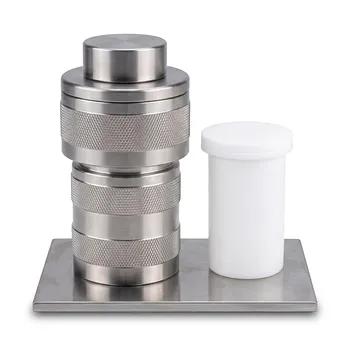
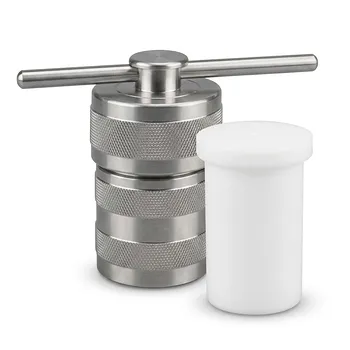
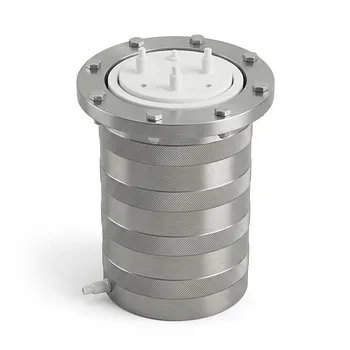
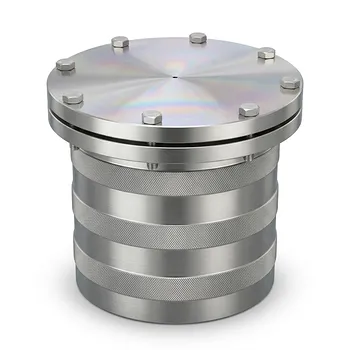
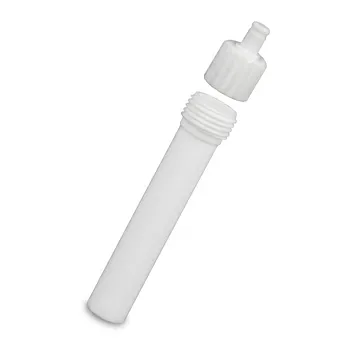
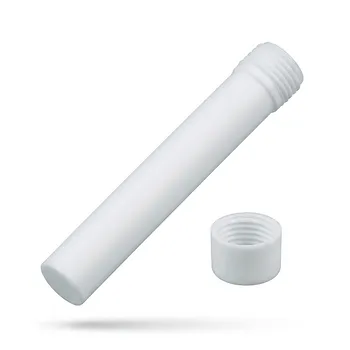
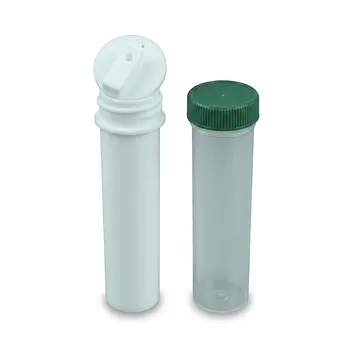
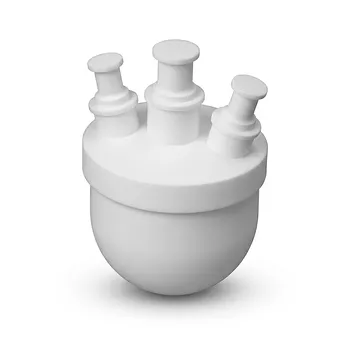
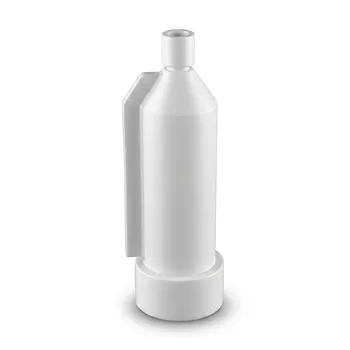
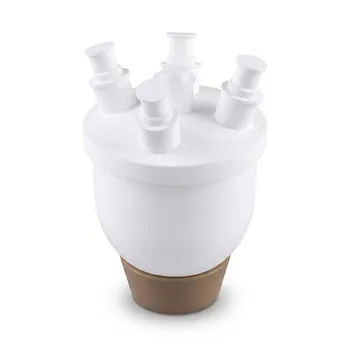
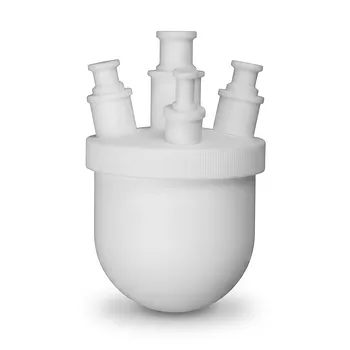
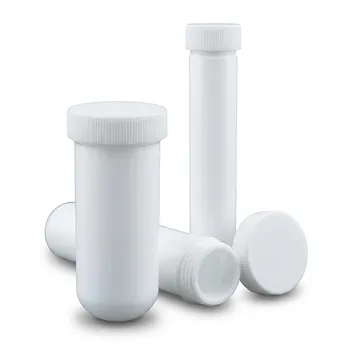
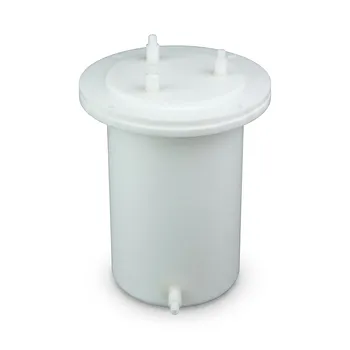
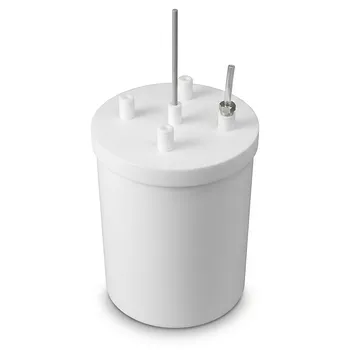
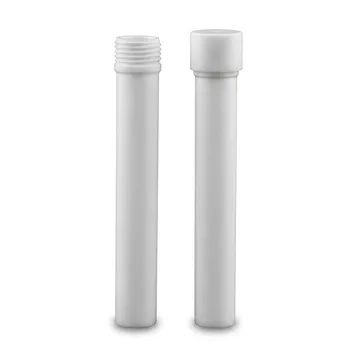
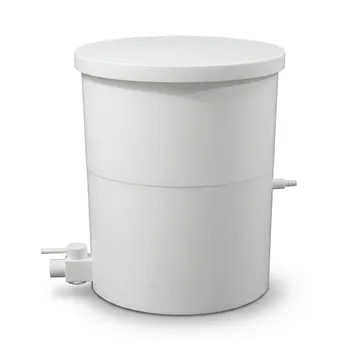
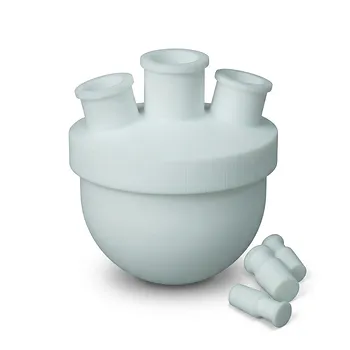
Polytetrafluoroethylene (PTFE) liners are the cornerstone of microwave-assisted g-C3N4 synthesis. They provide a chemically inert, microwave-transparent environment that allows for rapid, uniform heating while protecting the reaction vessel from extreme pressure and corrosion. This setup enables the precise high-temperature environment (150°C–200°C) necessary to produce high-purity graphitic carbon nitride.
The PTFE liner acts as a functional barrier that facilitates direct microwave energy transfer to the precursor solution while maintaining structural integrity under high pressure. Its primary utility lies in its unique combination of electromagnetic transparency and chemical resistance, ensuring a pure reaction environment for consistent crystal growth.
Facilitating Energy Transfer and Thermal Control
Superior Microwave Transparency
Unlike the metal outer shell of a high-pressure vessel, PTFE is microwave-transparent. This allows electromagnetic energy to pass through the liner and act directly on the polar precursors within the solution.
Rapid and Uniform Heating
Because the energy is absorbed directly by the reaction liquid rather than conducted through the vessel walls, the precursor reaches target temperatures of 150°C to 200°C almost instantly. This volumetric heating facilitates fast nucleation and uniform crystal growth of the g-C3N4.
Thermal Stability and Pressure Resistance
The liner is engineered to maintain its physical properties under the internal pressure generated by rapidly heated solvents. This closed-system environment is vital for forcing chemical reactions that would not occur at atmospheric pressure.
Ensuring Chemical Purity and Durability
Corrosion Protection for the Metal Vessel
The synthesis of g-C3N4 can involve aggressive precursors that would otherwise erode a stainless steel autoclave. The PTFE liner acts as a shield, preventing acidic or alkaline reagents from coming into contact with the outer metal jacket.
Elimination of Metal Contamination
By isolating the reaction within an inert container, the liner prevents metal impurities from leaching into the sample. This is critical for maintaining the specific optoelectronic properties and crystal structure of the synthesized nanomaterials.
High-Purity Material Recovery
PTFE features a non-stick surface that prevents the synthesized g-C3N4 from adhering to the container walls. This characteristic facilitates the efficient recovery of micro- and nano-powders once the synthesis is complete.
Understanding the Trade-offs
Temperature Limitations
While PTFE is highly versatile, it has a functional limit, typically around 250°C. Exceeding these temperatures during microwave synthesis can lead to material deformation or "cold flow," compromising the seal of the high-pressure vessel.
Thermal Expansion Disparity
PTFE expands at a different rate than the stainless steel shell surrounding it. If the cooling process is not managed correctly, this disparity can cause the liner to warp or become trapped within the autoclave body.
Pressure Sensitivity
In microwave systems, the pressure can rise much faster than in traditional hydrothermal ovens. If the precursor volume is too high, the rapid generation of vapor can exceed the burst strength of the liner, leading to catastrophic vessel failure.
How to Apply This to Your Synthesis Project
When selecting or operating a PTFE-lined vessel for g-C3N4 synthesis, consider your specific experimental priorities to maximize the quality of your results.
- If your primary focus is material purity: Ensure the PTFE liner is "high-purity grade" to prevent the introduction of trace elements that could interfere with the g-C3N4's catalytic performance.
- If your primary focus is rapid synthesis: Leverage the microwave transparency of the liner by using polar solvents that couple efficiently with microwave energy for accelerated reaction times.
- If your primary focus is vessel longevity: Always stay within the 150°C to 200°C range and avoid rapid quenching, as extreme thermal cycling can degrade the structural integrity of the PTFE over time.
By mastering the interaction between microwave energy and the inert environment of the PTFE liner, you can achieve highly reproducible and high-quality graphitic carbon nitride.
Summary Table:
| Key Feature | Function in Synthesis | Primary Benefit |
|---|---|---|
| Microwave Transparency | Allows energy to pass through to precursors | Rapid, uniform volumetric heating |
| Chemical Inertness | Prevents reaction with vessel walls | High purity, zero metal contamination |
| Pressure Resistance | Contains high-temperature solvent vapors | Enables reactions at 150°C–200°C |
| Non-stick Surface | Minimizes material adhesion | Easy recovery of g-C3N4 powders |
Elevate Your Synthesis Precision with KINTEK
Unlock the full potential of your microwave-assisted research with KINTEK’s high-performance fluoropolymer solutions. Whether you require everyday basic labware (beakers, measuring cylinders, crucibles) or advanced reaction apparatus like microwave digestion vessels and hydrothermal synthesis liners, we provide the durability and inertness your high-purity research demands.
From high-purity trace analysis tools and fluid transfer components (tubing, fittings, valves) to bespoke laboratory setups and custom CNC-machined parts, KINTEK specializes exclusively in PTFE and PFA materials. Our end-to-end fabrication capabilities ensure we can deliver everything from high-volume consumables to complex, non-standard components tailored to your specific project requirements.
Ready to optimize your lab's performance? Contact us today to consult with our experts on custom fluoropolymer solutions for your next synthesis project.
References
- Muhammad Nabeel, Zulfiqar Ahmad Rehan. Tailoring Graphitic Carbon Nitride (g‐C <sub>3</sub> N <sub>4</sub> ) for Multifunctional Applications: Strategies for Overcoming Challenges in Catalysis and Energy Conversion. DOI: 10.1155/er/5599894
This article is also based on technical information from Kintek Knowledge Base .
Related Products
- PTFE Lined High Pressure Digestion Vessel 50ml High Temperature Hydrothermal Synthesis Tank
- 5ml High Pressure PTFE Digestion Vessel for Geological Mineral Analysis Corrosion Resistant Polytetrafluoroethylene TFM Digestion Inner Liner
- High Pressure Custom TFM Reactor Stainless Steel Outer Vessel PTFE Inner Cup for Corrosive Synthesis
- Custom TFM Reaction Vessel with Stainless Steel Jacket and PTFE Inner Cup for High Corrosion Resistance
- High Purity PTFE Microwave Digestion Vessel Replacement Liner for Acid Sample Preparation and Trace Analysis
People Also Ask
- What are the benefits of using a PTFE-lined vessel for carbon-sulfur cathode treatment? Maximize Purity & Performance
- Why are PTFE-lined pressure digestion vessels required for the preparation of Ag/CeO2 catalysts? Purity & Performance
- What is the function of high-pressure PTFE digestion vessels in mineral analysis? Optimize Sample Mineralization
- What safety features are typically incorporated into high-pressure PTFE digestion vessel designs? Ensure Lab Safety
- Role of High-Pressure Digestion Tanks in Perovskite Synthesis: Achieve Superior Stability and Latent Heat