Microwave synthesis transforms the production of MnFe2O4/rGO by leveraging volumetric heating to slash reaction times and optimize material morphology. This technology replaces slow, surface-conducted heating with direct electromagnetic coupling, allowing for the simultaneous reduction of graphene oxide and the formation of ferrite nanoparticles. This synergy creates high-surface-area composites with structural integrity that is difficult to achieve through traditional hydrothermal methods.
Microwave-assisted synthesis provides a superior alternative to traditional hydrothermal methods by utilizing direct electromagnetic coupling to achieve rapid, uniform heating. This results in significantly shorter reaction cycles and enhanced control over the nanocrystal distribution on the reduced graphene oxide (rGO) sheets.
Accelerated Reaction Kinetics and Efficiency
Volumetric Heating vs. Surface Conduction
Traditional hydrothermal methods rely on thermal conduction from the vessel walls, which often leads to temperature gradients. In contrast, microwave equipment utilizes volumetric heating, where electromagnetic waves act directly on polar molecules and graphite oxide within the solution to generate heat internally and uniformly.
Radical Reduction in Synthesis Time
The direct transfer of energy significantly accelerates the nucleation and growth phases of MnFe2O4 crystals. Processes that typically require several hours or even days in a conventional oven can be completed in minutes or a few hours, drastically increasing overall production efficiency and throughput.
Efficient Exfoliation of Graphene Oxide
High-power microwave energy generates intense instantaneous internal pressure between the layers of graphite oxide. This effect facilitates the rapid expansion and exfoliation of the layers, ensuring the efficient conversion to rGO while maintaining a superior two-dimensional structure.
Enhanced Morphology and Structural Control
Simultaneous Reduction and Nucleation
The rapid heating mechanism induces the reduction of graphene oxide and the nucleation of manganese ferrite particles simultaneously. This "one-pot" synchronization ensures that the nanoparticles are anchored firmly and uniformly across the rGO surface during the transition.
Prevention of Particle Agglomeration
Because the heating rate is so extreme, the system spends less time in the temperature zones where particles typically grow uncontrollably. This effectively prevents the overgrowth and agglomeration of nanoparticles, leading to a composite with a high specific surface area and a narrow size distribution.
Precise Control of Crystallinity and Porosity
Advanced microwave systems provide superior control over internal pressure (e.g., 10 bar) and temperature (up to 210°C). This precision allows researchers to strictly regulate the crystal structure and porosity of the MnFe2O4/rGO composite, ensuring high purity and performance stability.
Understanding the Trade-offs and Limitations
Penetration Depth and Scaling
One of the primary challenges with microwave synthesis is the limited penetration depth of electromagnetic waves in highly conductive or concentrated media. As the reaction volume increases, maintaining the same level of thermal uniformity becomes more complex compared to small-scale laboratory setups.
Equipment Complexity and Cost
While microwave systems reduce energy consumption over time, the initial investment for high-pressure, industrial-grade microwave reactors is higher than traditional autoclaves. Additionally, the reaction media must have suitable dielectric properties to couple effectively with the microwave energy.
How to Apply Microwave Synthesis to Your Project
Recommendations Based on Your Research Goals
- If your primary focus is maximum production throughput: Utilize microwave synthesis to reduce reaction cycles from days to minutes, significantly increasing your batch turnover rate.
- If your primary focus is high electrochemical performance: Leverage the rapid heating rate to produce ultra-fine, non-agglomerated MnFe2O4 particles for superior specific surface area on the rGO substrate.
- If your primary focus is material consistency: Use high-precision microwave equipment with integrated pressure and temperature sensors to ensure reproducible crystallinity and phase purity across different batches.
By transitioning to microwave-assisted methods, you can achieve a level of structural precision and process efficiency that traditional thermal methods cannot match.
Summary Table:
| Feature | Microwave Synthesis | Traditional Hydrothermal |
|---|---|---|
| Heating Mechanism | Volumetric (internal & uniform) | Conduction (surface-to-core) |
| Reaction Time | Minutes to a few hours | Many hours to several days |
| Particle Size | Ultra-fine; minimal agglomeration | Prone to overgrowth/clumping |
| GO Exfoliation | Rapid via internal pressure | Slower thermal expansion |
| Structural Control | High precision (temp/pressure) | Moderate gradient control |
Optimize Your Nanomaterial Synthesis with KINTEK
Achieving the perfect MnFe2O4/rGO composite requires high-purity environments and reliable reaction vessels. KINTEK manufactures an exhaustive range of laboratory supplies crafted from high-performance PTFE and PFA to support your most demanding research.
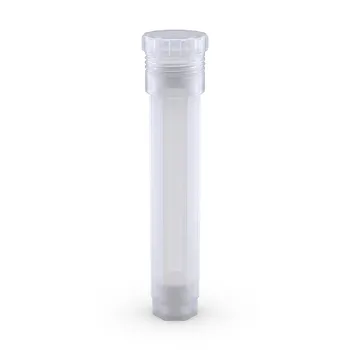
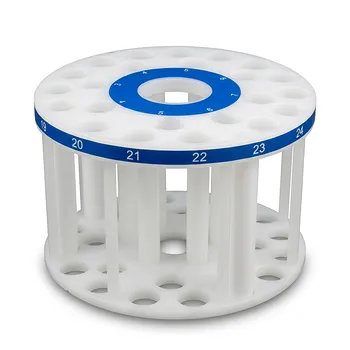
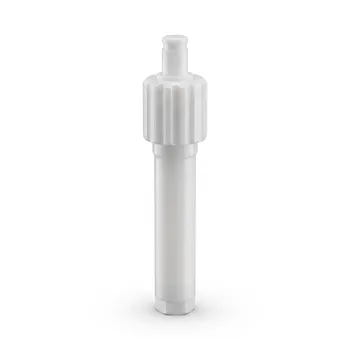
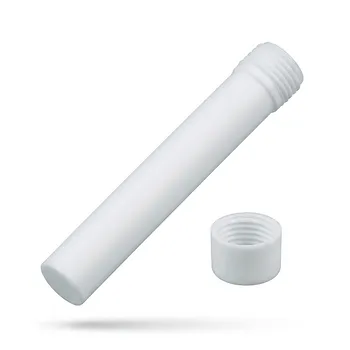
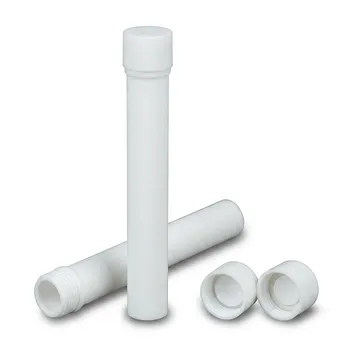
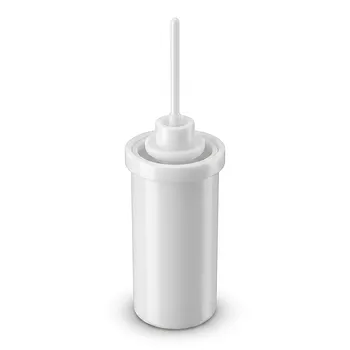
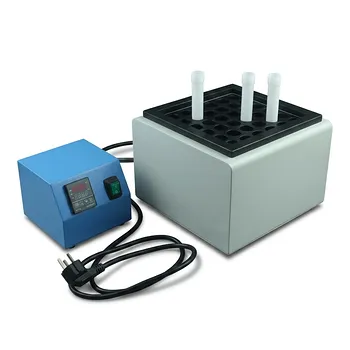
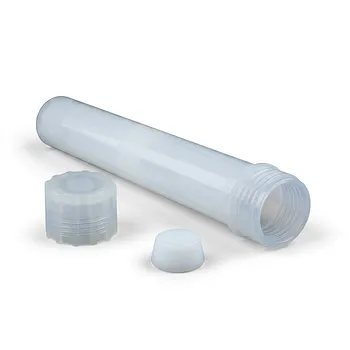
From everyday essentials like beakers, reagent bottles, and centrifuge tubes to specialized microwave digestion vessels, hydrothermal synthesis liners, and custom electrochemical cells, we provide the tools you need for trace analysis and advanced material synthesis. Whether you require standard labware or bespoke CNC-fabricated components like fluid transfer fittings or custom reactors, KINTEK ensures absolute chemical resistance and thermal stability.
Contact our experts today to source the perfect fluoropolymer equipment for your lab!
References
- Kun-Yauh Shih, H.‐H. Tseng. One-Step Microwave-Assisted Synthesis of MnFe<sub>2</sub>O<sub>4</sub>/rGO Nanocomposites and Their Electrochemical Properties in Supercapacitors. DOI: 10.1021/acsomega.4c07810
This article is also based on technical information from Kintek Knowledge Base .
Related Products
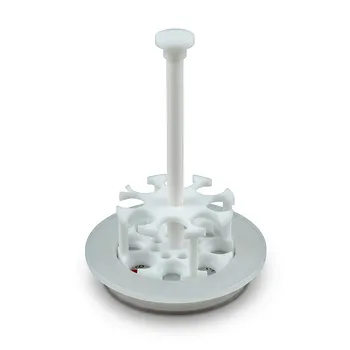
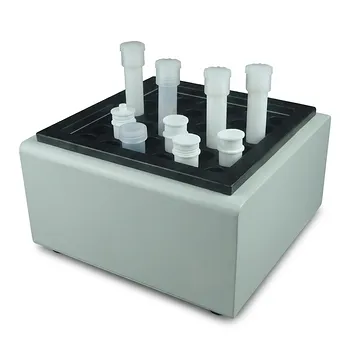
- High Performance TFM Microwave Digestion Vessel Rack 15 Position Customizable Sample Preparation Support
- 15 Position Customizable Microwave Digestion Vessel Rack High Purity PTFE PFA Non Stick Laboratory Sample Preparation System
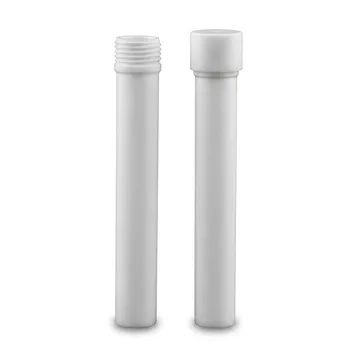
- High Purity Laboratory Microwave Digestion Vessel Customizable PFA PTFE Digestion Tank for Analytical Sample Preparation Trace Metal Analysis
- High Purity TFM Microwave Digestion Vessels for Trace Analysis and Custom Sample Preparation Systems
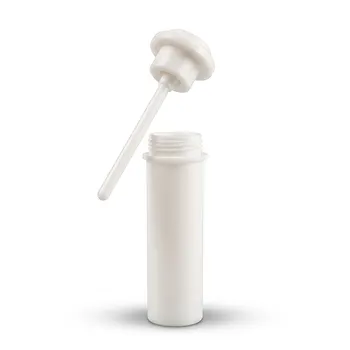
- High Purity PTFE PFA Microwave Digestion Vessels Custom Acid Digestion Tanks for Laboratory Sample Preparation
People Also Ask
- What safety features are commonly integrated into microwave digestion vessels? Ensuring High-Pressure Laboratory Safety
- What are the advantages of using microwave digestion vessels for environmental analysis? Boost speed and sample accuracy.
- What are the advantages of using microwave digestion vessels? Optimize EG@MO synthesis with superior thermal control.
- How do microwave digestion vessels support pharmaceutical elemental impurity testing? Achieve Precise USP Compliance
- Why do fluoropolymer labware and microwave digestion vessels exhibit exceptional thermal stability and chemical inertness compared to standard non-fluorinated laboratory plastics?