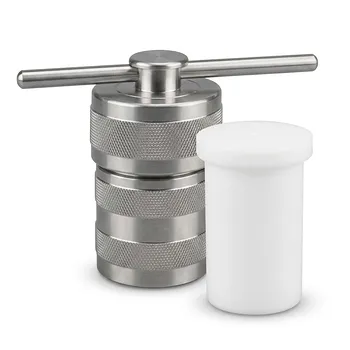
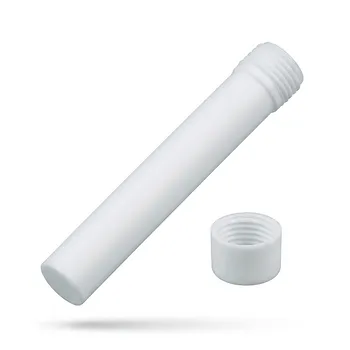
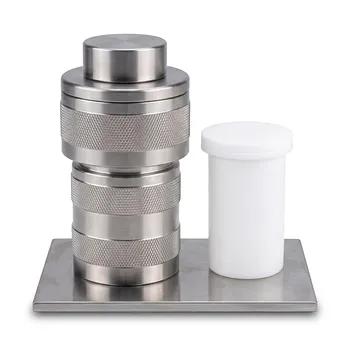
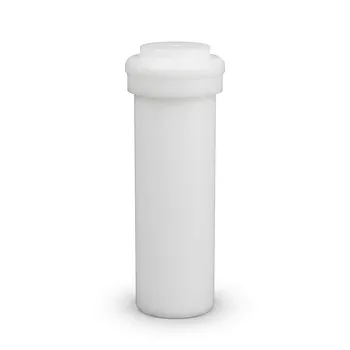
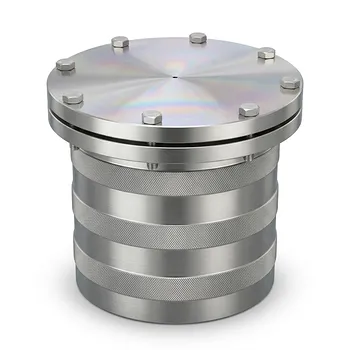
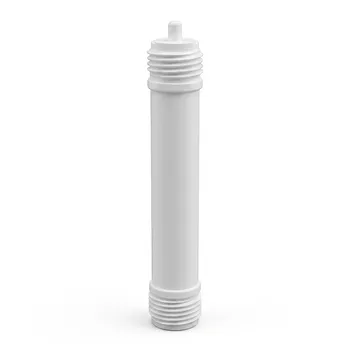
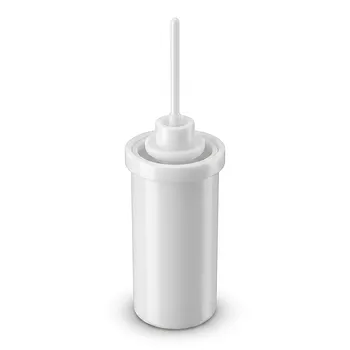
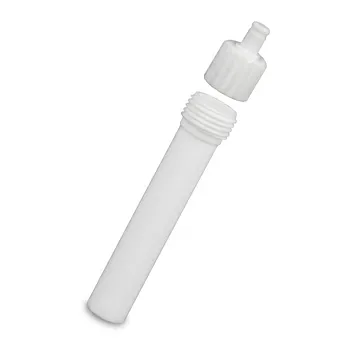
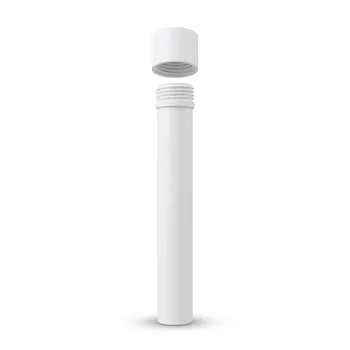
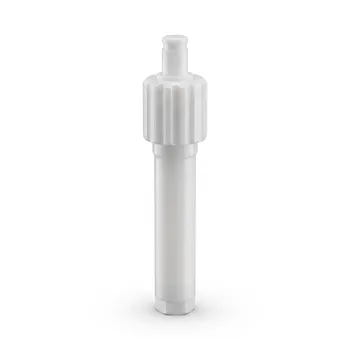
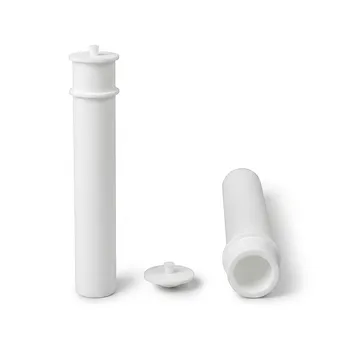
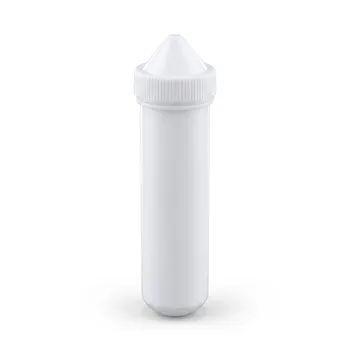
TFM-PTFE is the high-performance evolution of standard PTFE, specifically engineered to withstand the extreme mechanical and thermal stresses of modern laboratory digestion. By incorporating a small amount of perfluoropropyl vinyl ether, this modified fluoropolymer offers significantly reduced deformation (creep), lower gas permeability, and superior mechanical strength at elevated temperatures compared to traditional PTFE.
TFM-PTFE provides a denser, more structurally stable molecular framework that prevents vessel warping and sample loss during high-pressure cycles. It is the essential material choice for labs requiring maximum durability and ultra-trace purity in microwave digestion.
Superior Mechanical Integrity Under Stress
Reduced Creep and Cold Flow
Standard PTFE is prone to "creep," where the material permanently deforms under constant pressure. TFM-PTFE significantly reduces this deformation, ensuring that digestion liners maintain their original shape and sealing dimensions over hundreds of heating cycles.
Enhanced Strength at High Temperatures
High-pressure digestion often reaches temperatures where standard plastics lose their structural rigidity. TFM-PTFE maintains superior mechanical strength at high temperatures, allowing it to safely contain the internal pressures generated by concentrated acids without the risk of vessel wall thinning or failure.
Improved Surface Finish and Density
The modification process results in a denser polymer structure with lower porosity. This creates a smoother surface that is less susceptible to microscopic cracks or "micro-voids" where contaminants could hide.
Advanced Chemical and Purity Benefits
Lower Permeability to Gases
One of the most critical advantages of TFM-PTFE is its reduced permeability to gases and vapors. This density ensures that volatile elements and acid fumes remain trapped within the liner, preventing sample loss and protecting the microwave oven’s internal components from corrosion.
Exceptional Chemical Inertness
Like standard PTFE, TFM-PTFE is virtually inert to almost all chemicals, including aggressive reagents like nitric acid (HNO3), hydrochloric acid (HCl), and hydrogen peroxide (H2O2). This allows for the digestion of complex matrices—such as sediment, minerals, and organic tissues—without the liner reacting with the sample.
Ultra-Low Trace Metal Background
For laboratories performing ICP-MS ultra-trace analysis, TFM-PTFE is indispensable. It has an extremely low leaching background, ensuring that no heavy metal impurities are introduced into the sample solution during the high-heat digestion process.
Reduced Adsorption and Memory Effects
The non-stick properties and high density of TFM-PTFE minimize the adsorption of metal ions onto the liner walls. This makes the vessels easier to clean and significantly reduces "memory effects," where residues from a previous sample contaminate the next.
Understanding the Trade-offs
Higher Initial Investment
TFM-PTFE is a more complex material to manufacture than standard PTFE, leading to a higher purchase price per liner. However, this is typically offset by the material's longer lifespan and reduced frequency of replacement.
Thermal Conductivity Limitations
While fluoropolymers are excellent for chemical resistance, they are insulators with low thermal conductivity. Users must rely on microwave energy or external heating jackets to heat the sample, as the material itself does not efficiently transfer heat from the environment to the reagents.
Specific Cleaning Protocols
Despite its non-stick nature, the denser structure of TFM-PTFE requires stringent acid-leaching cleaning protocols between uses to maintain its ultra-trace purity standards. Failure to follow these protocols can negate the material's high-purity advantages.
How to Apply This to Your Laboratory
Determining whether to use TFM-PTFE depends on your specific analytical requirements and the intensity of your digestion protocols.
- If your primary focus is High-Pressure/High-Temperature Digestion: Choose TFM-PTFE for its superior resistance to deformation and higher safety margin under extreme internal stress.
- If your primary focus is Ultra-Trace Metal Analysis (ICP-MS): Select TFM-PTFE to benefit from its lower gas permeability and reduced risk of cross-contamination.
- If your primary focus is Routine, Low-Pressure Acid Digestion: Standard PTFE may be a more cost-effective solution if your temperatures remain moderate and deformation is not a concern.
- If your primary focus is Long-Term Durability: Invest in TFM-PTFE liners, as their wear resistance and structural integrity result in a lower "cost-per-run" over the life of the vessel.
By selecting TFM-PTFE, you ensure that your digestion process remains a controlled, high-purity environment capable of meeting the most demanding analytical standards.
Summary Table:
| Feature | Standard PTFE | TFM-PTFE (Modified) |
|---|---|---|
| Deformation (Creep) | High (prone to warping) | Significantly Reduced |
| Gas Permeability | Moderate | Very Low (High Density) |
| Surface Porosity | Higher | Lower (Smoother Finish) |
| High-Temp Strength | Moderate | Superior Structural Rigidity |
| Trace Analysis | Standard | Essential (Ultra-low leaching) |
Upgrade Your Lab with KINTEK High-Performance Fluoropolymers
Maximize the precision and durability of your analytical workflows with KINTEK. We specialize in high-performance laboratory supplies crafted exclusively from PTFE, TFM, and PFA, ensuring your lab meets the most demanding standards for ultra-trace analysis and high-pressure chemical processing.
Our comprehensive range includes:
- Basic Labware: High-purity beakers, measuring cylinders, crucibles, and digestion tubes.
- Sample Prep & Filtration: Separatory funnels, filters, and high-purity trace analysis instruments.
- Advanced Apparatus: Custom microwave digestion vessels, electrochemical cells, and hydrothermal synthesis liners.
- Fluid Transfer & Consumables: Tubing, valves, O-rings, and bespoke CNC-machined components.
Whether you need high-volume consumables or complex, non-standard machined parts, KINTEK’s end-to-end custom fabrication ensures a perfect fit for your specific research needs. Contact our technical team today to discuss how our fluoropolymer expertise can enhance your laboratory’s efficiency and safety.
Related Products
- 5ml High Pressure PTFE Digestion Vessel for Geological Mineral Analysis Corrosion Resistant Polytetrafluoroethylene TFM Digestion Inner Liner
- High Purity TFM Microwave Digestion Vessels PTFE Acid Evaporation Liners Domestic GT-400 Equivalent Laboratory Reaction Containers
- PTFE Lined High Pressure Digestion Vessel 50ml High Temperature Hydrothermal Synthesis Tank
- High Purity TFM Microwave Digestion Vessels for Trace Analysis and Custom Sample Preparation Systems
- Custom TFM Reaction Vessel with Stainless Steel Jacket and PTFE Inner Cup for High Corrosion Resistance
People Also Ask
- What safety features are typically incorporated into high-pressure PTFE digestion vessel designs? Ensure Lab Safety
- Why is a PTFE liner utilized in V2O5 synthesis? Ensure Chemical Purity and Corrosion Resistance
- What is the primary function of a PTFE liner? Key Benefits for Purity and Safety in Hydrothermal Synthesis
- What is the role of a PTFE liner in Bi2O3–TiO2 synthesis? Ensure High Purity and Controlled Crystal Growth
- What are the benefits of using a PTFE-lined vessel for carbon-sulfur cathode treatment? Maximize Purity & Performance