The impact of organic matrices on pressure dynamics is primarily driven by the oxidative decomposition of lipids, proteins, and carbohydrates into gaseous byproducts. As these components break down, they release significant volumes of carbon dioxide and nitrogen oxides within the confined space of the digestion vessel. This process results in rapid internal pressure increases that must be carefully managed to ensure both safety and the completeness of the chemical reaction.
Organic sample matrices influence pressure dynamics by generating large volumes of gas at specific temperature thresholds, requiring precise microwave power modulation to prevent dangerous pressure spikes while ensuring total mineralization.
The Chemical Drivers of Pressure
Gas Evolution from Decomposition
Organic matrices do not simply melt; they undergo oxidative decomposition when reacting with concentrated acids. This chemical breakdown converts solid sample material into gases, specifically carbon dioxide (CO2) and nitrogen oxides. Because these gases are generated within a sealed, high-pressure environment, they are the primary contributors to the rising pressure levels observed during the heating cycle.
Component-Specific Oxidation Thresholds
Different organic molecules reach their oxidation points at different temperatures, creating distinct "pressure events." For example, carbohydrates typically begin to oxidize and release gas at approximately 140 °C, while lipids (fats) require higher temperatures, generally around 160 °C. These specific thresholds mean that a sample containing diverse organic components will experience multiple stages of gas evolution as the temperature climbs.
Exothermic Reaction Energy
The decomposition of organic matter is often exothermic, meaning it releases its own heat as it breaks down. This additional thermal energy can create a feedback loop, further accelerating the reaction rate and the speed of gas generation. Without intervention, these exothermic events can cause pressure to rise faster than the vessel’s cooling or venting systems can compensate.
Management of Internal Dynamics
The Importance of Power Modulation
To maintain control over the digestion process, the microwave system must perform power modulation. By sensing the rate of pressure and temperature increase, the system reduces or pulses microwave energy as the sample approaches the 140 °C or 160 °C marks. This modulation prevents the reaction from becoming "runaway," ensuring the vessel remains within its safe operating limits.
Closed-Vessel Sealing and Volatility
A primary goal of microwave digestion is to prevent the volatilization loss of trace elements like potassium, calcium, and iron. The vessel must maintain a superior seal under extreme pressure to ensure these minerals remain in the acid solution for later analysis. If the pressure dynamics are not managed and the vessel's safety vent is triggered too early, critical volatile elements may be lost, compromising the accuracy of the results.
Material Resistance and Inertness
The physical vessel must be constructed from materials that offer exceptional pressure and corrosion resistance. Because organic digestion involves high temperatures and aggressive acids, the vessel must be chemically inert to avoid introducing external impurities. This ensures that the final analytical results, often performed via atomic absorption spectroscopy, are both sensitive and reproducible.
Understanding the Trade-offs
Reaction Speed vs. Safety Limits
While increasing microwave power can lead to faster digestion times, it significantly increases the risk of pressure spikes in organic samples. If the power is applied too aggressively, the gas evolution from carbohydrates or lipids can exceed the vessel’s structural integrity. Therefore, a slower, ramped heating profile is often necessary to prioritize safety over raw throughput.
Sample Weight vs. Pressure Headroom
There is a direct trade-off between the amount of organic sample used and the maximum pressure reached. Larger samples generate more gas, which consumes the available "headroom" within the vessel's pressure rating. Analysts must often reduce sample sizes for highly organic matrices (like oils or fats) to avoid triggering safety discs or pressure-relief valves during the oxidation phase.
Implementing Effective Digestion Strategies
How to Apply This to Your Project
To optimize your microwave digestion process for organic matrices, you must align your methodology with the specific composition of your samples.
- If your primary focus is Maximum Safety: Use a slow temperature ramp with extended dwell times at 140 °C and 160 °C to allow gases to evolve gradually.
- If your primary focus is Trace Element Recovery: Ensure your vessel seals are in peak condition and avoid over-pressurizing the system to prevent the venting of volatile target elements.
- If your primary focus is High Throughput: Optimize your power modulation settings to navigate the exothermic peaks of carbohydrates and lipids as efficiently as possible without triggering safety shutdowns.
By understanding the temperature-specific oxidation of organic components, you can precisely control the internal environment of the digestion vessel for accurate and safe analytical results.
Summary Table:
| Organic Component | Oxidation Threshold | Primary Gas Byproducts | Impact on Vessel Dynamics |
|---|---|---|---|
| Carbohydrates | ~140 °C | CO2, Nitrogen Oxides | Early-stage pressure ramp; requires initial power pulse control. |
| Lipids (Fats) | ~160 °C | CO2, Nitrogen Oxides | High-energy exothermic peaks; risk of rapid pressure spikes. |
| Proteins | Variable | Nitrogen Oxides, CO2 | Steady gas evolution; contributes to overall internal pressure headroom. |
| All Matrices | Exothermic | Thermal Energy | Potential feedback loop; necessitates active power modulation. |
Optimize Your Digestion Workflow with KINTEK
Ensure the safety and precision of your organic sample prep with high-performance laboratory solutions from KINTEK. We specialize in manufacturing high-purity fluoropolymer labware designed to withstand the extreme pressure dynamics of oxidative decomposition.
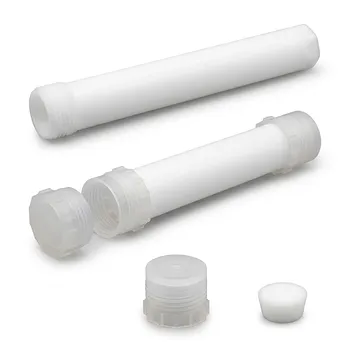
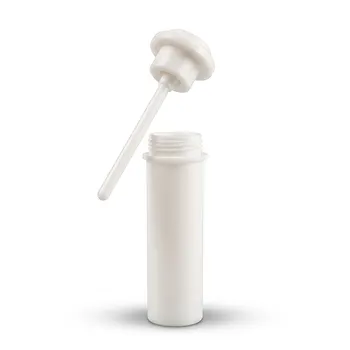
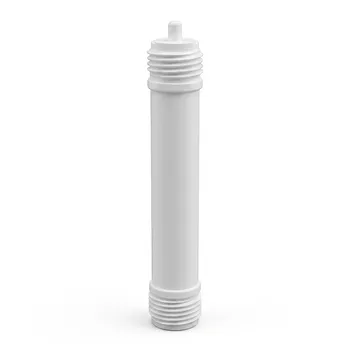
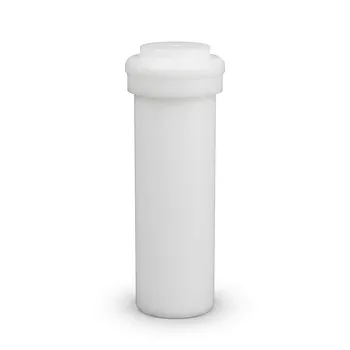
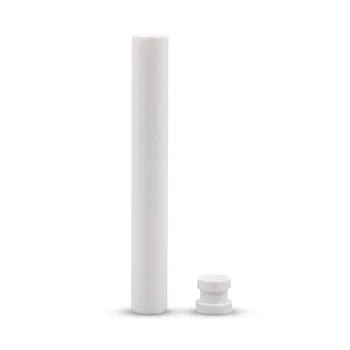
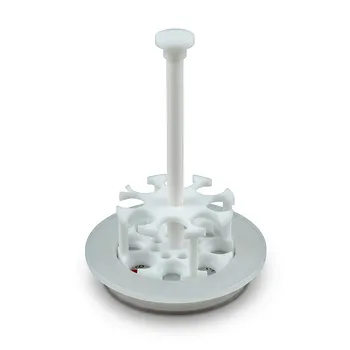
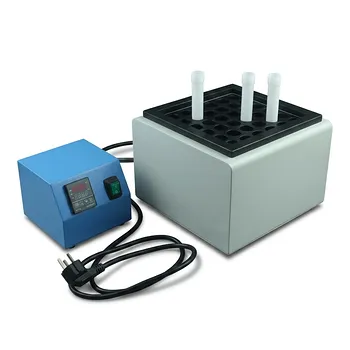
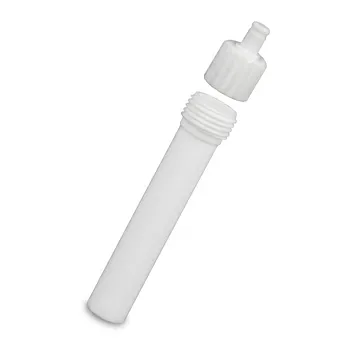
From PTFE and PFA microwave digestion vessels, liners, and digestion tubes to high-volume consumables and complex custom CNC-machined laboratory setups, we provide the inert, pressure-resistant tools required for accurate trace analysis. Whether you need standard labware like beakers and flasks or bespoke reaction apparatus like hydrothermal synthesis liners, KINTEK’s exclusive focus on high-performance fluoropolymers ensures your volatile elements remain protected and your results reproducible.
Ready to upgrade your lab's performance? Contact us today to discuss our full range of standard and custom-engineered laboratory supplies!
Related Products
- High Purity Laboratory Microwave Digestion Vessel Customizable PFA PTFE Digestion Tank for Analytical Sample Preparation Trace Metal Analysis
- Custom TFM Microwave Digestion Vessels for ICP-OES Analysis High Purity Fluoropolymer Sample Preparation Labware
- High Purity PTFE Microwave Digestion Vessel for Soil and Food Analysis Acid Resistant Fluoropolymer Sample Preparation Liners
- High Purity TFM Microwave Digestion Vessels for Trace Analysis and Custom Sample Preparation Systems
- Custom High Purity TFM Microwave Digestion Vessel 100ml for Analytical Laboratory Sample Preparation
People Also Ask
- What are the advantages of using microwave digestion vessels for environmental analysis? Boost speed and sample accuracy.
- What safety features are commonly integrated into microwave digestion vessels? Ensuring High-Pressure Laboratory Safety
- What are the advantages of using microwave digestion vessels? Optimize EG@MO synthesis with superior thermal control.
- How do microwave digestion vessels support pharmaceutical elemental impurity testing? Achieve Precise USP Compliance
- Which safety mechanisms are typically integrated into high-precision microwave digestion vessels? A Complete Safety Guide