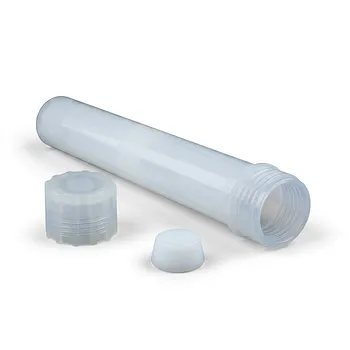
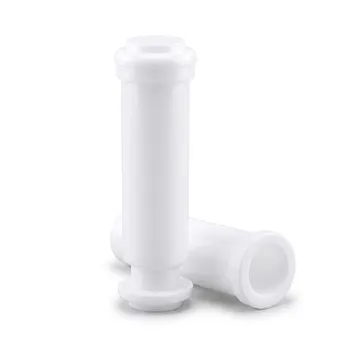
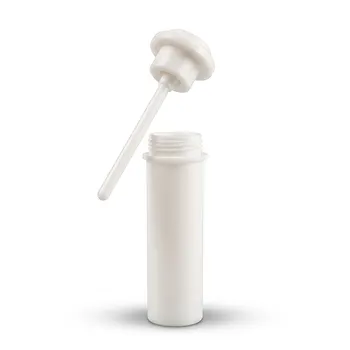
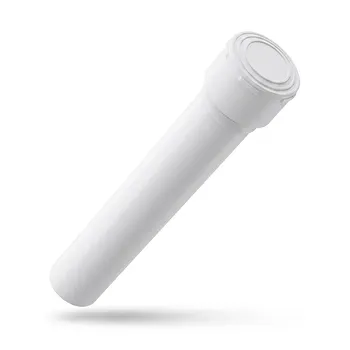
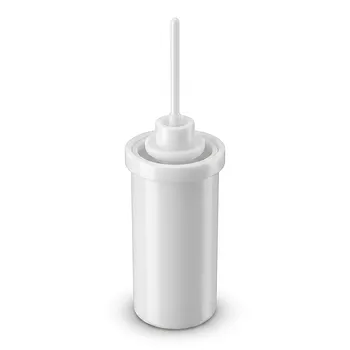
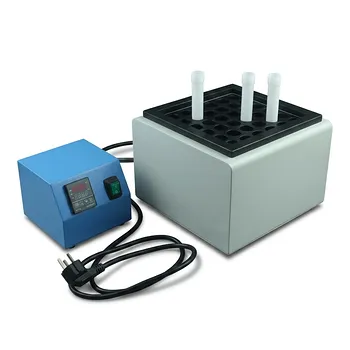
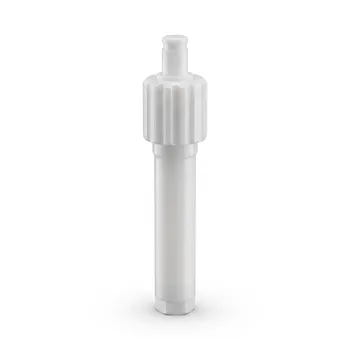
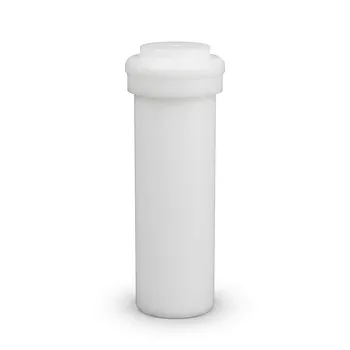
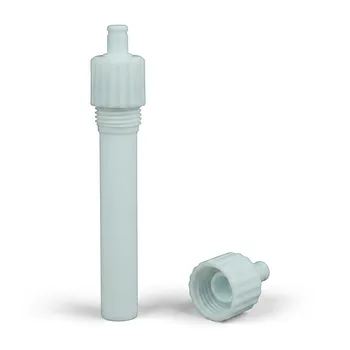
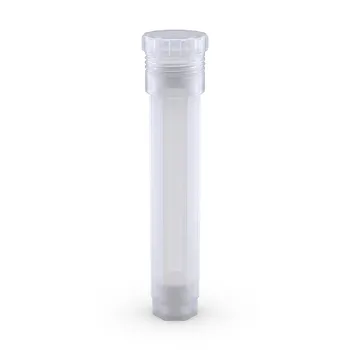
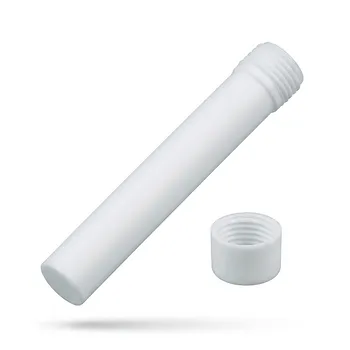
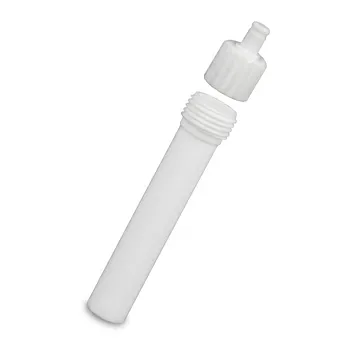
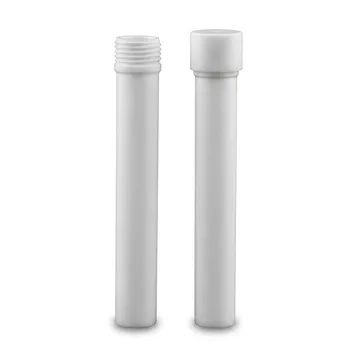
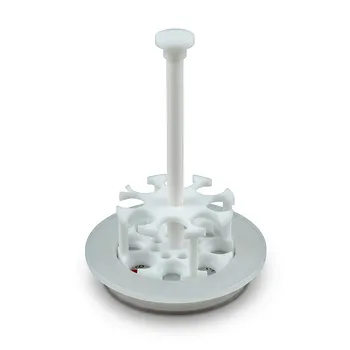
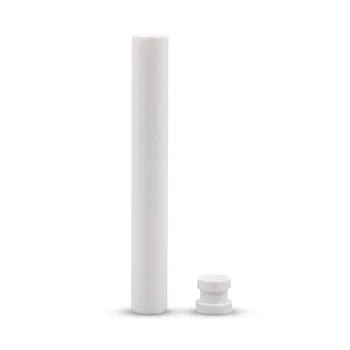
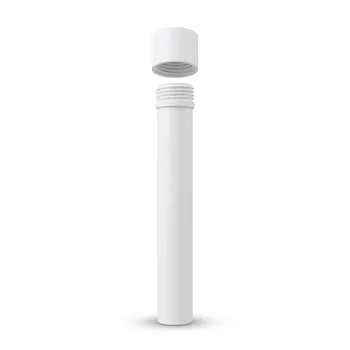
The closed-vessel design is the cornerstone of modern microwave digestion, fundamentally shifting the physics of sample decomposition. By creating a sealed, high-pressure environment, these vessels allow digestion acids to reach temperatures far exceeding their natural boiling points at atmospheric pressure. This thermal boost dramatically accelerates chemical reactions, ensures the complete recovery of volatile elements, and protects the sample from environmental contaminants.
The core advantage of a closed-vessel system is its ability to manipulate the relationship between pressure and temperature to achieve rapid, total mineralization. This design transforms a potentially hours-long open-vessel process into a precise, programmable procedure that preserves the integrity of trace elements.
Overcoming Thermal and Kinetic Barriers
Elevating Acid Boiling Points
In an open container, an acid cannot be heated beyond its boiling point; the energy simply escapes as vapor. A closed-vessel design traps this vapor, increasing the internal pressure and allowing the liquid acid to reach much higher temperatures.
Accelerated Reaction Kinetics
Higher temperatures lead to a logarithmic increase in the speed of chemical reactions. This allows for the complete decomposition of difficult organic matrices—such as elderberry bark, sludge, or cattle manure—in a fraction of the time required by traditional methods.
Complete Mineralization for Analysis
The intense heat and pressure ensure that all metal elements are fully released into the solution. This produces a transparent and uniform liquid that is essential for sensitive downstream analysis techniques like Inductively Coupled Plasma Mass Spectrometry (ICP-MS).
Ensuring Analytical Integrity and Precision
Retention of Volatile Elements
In open-vessel digestion, low-boiling-point elements like mercury can evaporate and be lost to the atmosphere. The sealed environment ensures the quantitative retention of these volatile species, which is critical for verifying the accuracy of trace element detection.
Prevention of External Contamination
Because the sample is entirely contained within the vessel, there is no risk of airborne dust or laboratory impurities entering the mixture. This is vital for trace-level analysis where even microscopic contaminants can skew the results.
Programmable Temperature and Pressure Control
Modern closed systems utilize internal sensors to monitor the reaction in real-time. This allows technicians to program specific temperature profiles, ensuring high reproducibility and consistency across different sample batches.
Material Excellence and Safety
Chemical Inertia of Fluoropolymers
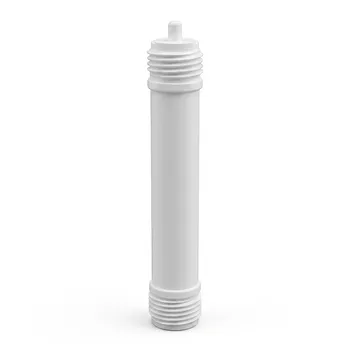
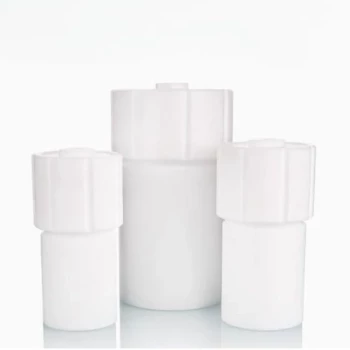
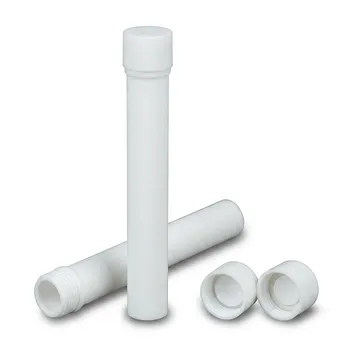
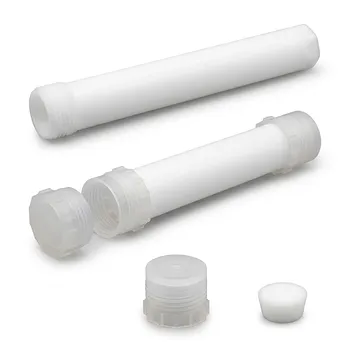
To withstand aggressive acids like aqua regia, these vessels are typically constructed from high-performance materials like PTFE or PFA. These fluoropolymers offer extreme chemical resistance and prevent the vessel itself from leaching impurities into the sample.
Managing High-Pressure Vapors
The design must be robust enough to handle the extreme physical stress of high-temperature acid vapors. This internal containment not only facilitates the reaction but also enhances laboratory safety by preventing the release of toxic fumes into the workspace.
Understanding the Trade-offs
Pressure Management and Safety Risks
While high pressure accelerates digestion, it also introduces a safety risk if the vessel's limits are exceeded. Users must be diligent about sample sizing and reagent ratios to prevent over-pressurization and potential vessel failure.
Cooling and Handling Time
Because the vessels operate under high pressure and temperature, they cannot be opened immediately after the heating cycle. The required cooling period can create a bottleneck in high-throughput laboratories if not managed effectively.
Material Wear and Maintenance
The intense conditions inside the vessel eventually lead to material fatigue. Regular inspection for cracks or deformation is necessary to ensure the seal remains airtight and the vessel remains safe for pressurized use.
How to Apply This to Your Laboratory Goals
Choosing the Right Strategy
To maximize the benefits of closed-vessel digestion, align your vessel selection and protocols with your specific analytical requirements.
- If your primary focus is Trace Mercury or Volatile Analysis: Utilize high-pressure sealed vessels to ensure 100% recovery of elements that would otherwise escape in an open system.
- If your primary focus is Throughput for Complex Organics: Leverage the high-temperature capabilities of closed vessels to reduce digestion times from hours to minutes.
- If your primary focus is ICP-MS Sensitivity: Prioritize PFA-lined vessels to minimize background contamination and ensure the complete mineralization required for plasma stability.
By mastering the pressure-temperature dynamics of the closed-vessel environment, you ensure that your sample preparation is as precise and reliable as the analysis that follows.
Summary Table:
| Key Feature | Analytical Benefit | Practical Impact |
|---|---|---|
| High-Pressure Seal | Elevates acid boiling points | Drastically reduces digestion time for complex matrices. |
| Volatile Retention | Prevents escape of low-BP elements | Ensures quantitative recovery of Mercury (Hg) and Arsenic (As). |
| Sealed Environment | Eliminates airborne contaminants | Critical for trace-level sensitivity in ICP-MS analysis. |
| Real-time Control | Precise temp/pressure monitoring | Guarantees high reproducibility and batch-to-batch consistency. |
| Fluoropolymer Build | Superior chemical inertia | Prevents vessel leaching and ensures sample purity. |
Elevate Your Analytical Precision with KINTEK Fluoropolymer Expertise
Maximize the integrity of your trace analysis with laboratory solutions engineered for extreme environments. KINTEK specializes in high-performance PTFE and PFA manufacturing, providing the chemical inertia and thermal stability required for even the most aggressive digestion protocols.
From essential labware—including beakers, reagent bottles, and centrifuge tubes—to specialized microwave digestion vessels, hydrothermal synthesis liners, and custom-engineered fluid transfer components, we deliver the tools your lab needs to eliminate contamination. Our end-to-end custom CNC fabrication allows us to produce everything from standard consumables to complex, non-standard machined parts tailored to your specific research setup.
Ready to optimize your sample preparation? Contact KINTEK today to explore our full range of fluoropolymer labware and bespoke engineering services designed for superior high-purity performance.
Related Products
- High Purity Corrosion Resistant PFA Microwave Digestion Vessels 55ml Replacement Tubes for Trace Analysis
- Custom High Purity TFM Microwave Digestion Vessel 100ml for Analytical Laboratory Sample Preparation
- Custom TFM Microwave Digestion Vessels for ICP-OES Analysis High Purity Fluoropolymer Sample Preparation Labware
- High Temperature TFM Microwave Digestion Vessel Lid Compatible with Acid Evaporation Systems and Laboratory Pretreatment Equipment
- Custom High Purity TFM Microwave Digestion Vessel 100ml Capacity Compatible Replacement Liner for Professional Analytical Instruments
People Also Ask
- Why are high-strength PFA microwave digestion vessels ideal for complex samples? Ensure Pure & Precise Trace Analysis
- What safety features are commonly integrated into microwave digestion vessels? Ensuring High-Pressure Laboratory Safety
- What are the advantages of using microwave digestion vessels for environmental analysis? Boost speed and sample accuracy.
- What are the advantages of using microwave digestion vessels? Optimize EG@MO synthesis with superior thermal control.
- How do microwave digestion vessels support pharmaceutical elemental impurity testing? Achieve Precise USP Compliance