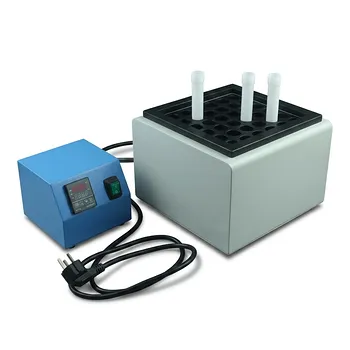
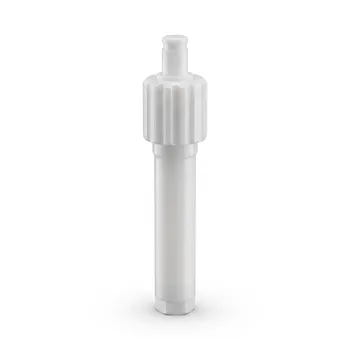
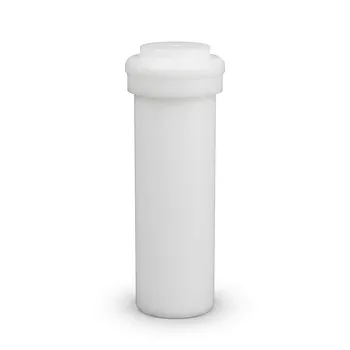
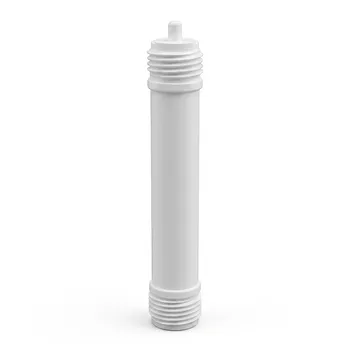
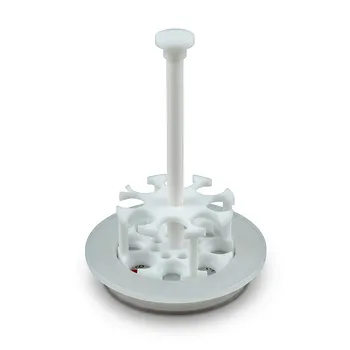
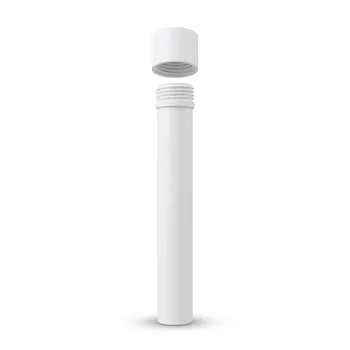
The primary analytical techniques used to analyze solutions from microwave digestion vessels are Inductively Coupled Plasma Mass Spectrometry (ICP-MS), Inductively Coupled Plasma Optical Emission Spectrometry (ICP-OES), and Atomic Absorption Spectroscopy (AAS). These instruments require the sample to be in a clear, particle-free aqueous state to accurately measure elemental concentrations without damaging sensitive components or causing spectral interference.
Microwave digestion transforms complex solid matrices into homogeneous, inorganic solutions that are compatible with plasma-based and atomic spectroscopy. This preparation is essential for achieving the sensitivity and precision required for modern elemental analysis across environmental, biological, and industrial sectors.
Primary Analytical Techniques
Inductively Coupled Plasma Mass Spectrometry (ICP-MS)
ICP-MS is widely considered the gold standard for trace and ultra-trace elemental analysis due to its exceptional sensitivity. It uses an argon plasma to ionize the elements in the digested solution, which are then separated and quantified by their mass-to-charge ratio.
This technique is particularly effective for solutions produced by microwave digestion because the process ensures low residual carbon content, which significantly reduces the risk of polyatomic interferences.
Inductively Coupled Plasma Optical Emission Spectrometry (ICP-OES)
ICP-OES (also known as ICP-AES) is the preferred choice for major and minor element quantification in complex samples. It measures the light emitted by excited atoms and ions at specific wavelengths within the argon plasma.
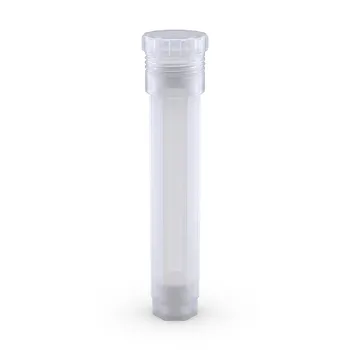
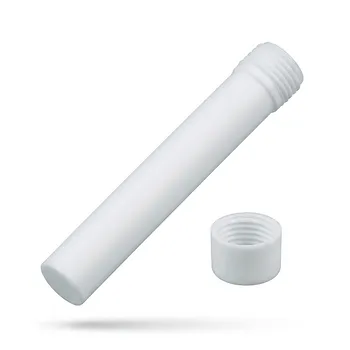
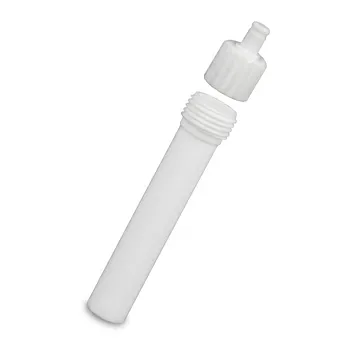
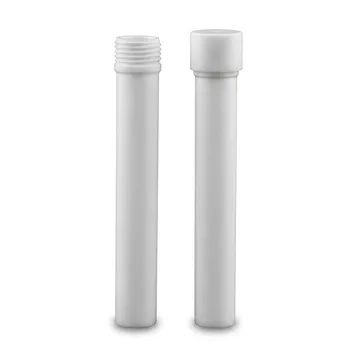
Microwave digestion vessels are critical for ICP-OES because they ensure complete mineralization, producing a transparent liquid that prevents the clogging of nebulizers and torches.
Atomic Absorption Spectroscopy (AAS)
AAS is a robust technique used to determine the concentration of specific metallic elements by measuring the absorption of light. While often slower than ICP methods because it usually analyzes one element at a time, it remains a highly accurate tool for routine monitoring.
Digestion in a closed-vessel system is vital for AAS accuracy, as it prevents the volatile loss of target elements like mercury or arsenic during the heating phase.
The Role of Digestion in Analytical Success
Destruction of Organic Matrices
Analytical instruments like ICP-MS are highly sensitive to "matrix effects," where organic molecules interfere with the signal of the target analyte. Microwave digestion uses high temperatures (180–240 °C) to oxidize organic matter completely.
This results in a solution with minimal organic residue, allowing for lower detection limits and more stable instrument performance over long periods.
Total Elemental Recovery
High-pressure environments within sealed vessels allow acids like aqua regia or nitric acid to reach temperatures far above their atmospheric boiling points. This accelerated kinetic energy ensures that even the most stubborn metal complexes are broken down.
The result is a homogeneous solution where every atom of the target element is released into the liquid phase, ensuring the final measurement represents the total concentration in the original sample.
Prevention of Contamination and Loss
The closed-vessel design of modern microwave systems protects the sample from environmental contaminants found in laboratory air. Simultaneously, it creates a pressurized environment that retains volatile nutrients and contaminants.
This retention is crucial for the analysis of elements that would otherwise evaporate during traditional open-vessel heating on a hot plate.
Understanding the Trade-offs
Technical Limitations of Modern Techniques
While ICP-MS offers incredible sensitivity, it is more susceptible to spectral interferences if the digestion is incomplete. In contrast, AAS is highly specific but lacks the multi-element throughput of ICP-based systems, requiring more time for comprehensive sample profiling.
Vessel Material and Chemical Resistance
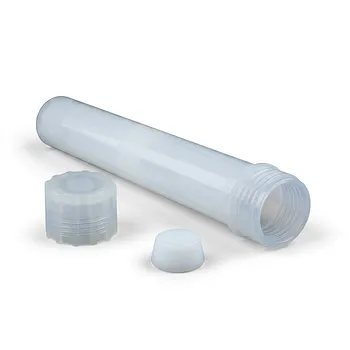
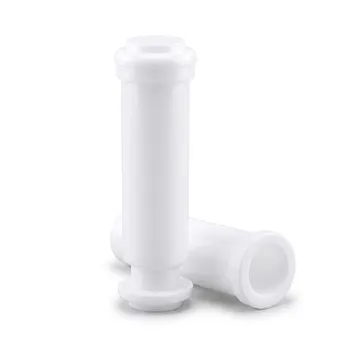
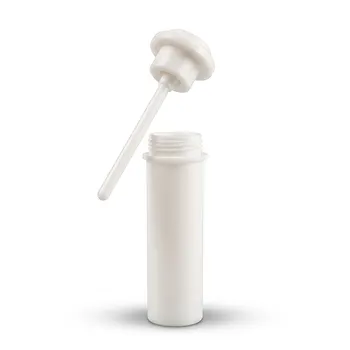
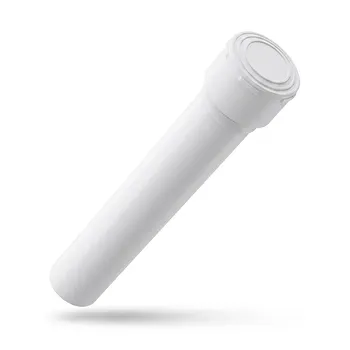
The choice of vessel material—typically high-performance fluoropolymers like PTFE or TFM—is critical. While these materials are resistant to strong acids, they have temperature limits; exceeding these can lead to vessel failure or leaching of impurities into the sample.
Acid Selection Risks
Using specific acid mixtures, such as those containing hydrofluoric acid (HF) to digest silicates, requires specialized "HF-resistant" sample introduction components in the ICP-OES or ICP-MS. Failure to account for the chemistry of the digested solution can lead to the destruction of quartz components within the analytical instrument.
How to Choose the Right Technique for Your Solution
Recommendations Based on Project Goals
When selecting an analytical method for your microwave-digested samples, consider the concentration of your target elements and the required throughput.
- If your primary focus is ultra-trace detection (parts per trillion): Utilize ICP-MS to take advantage of its high sensitivity and ability to handle the clean solutions produced by microwave digestion.
- If your primary focus is high-concentration major elements: Use ICP-OES for its wider linear dynamic range and robustness against higher total dissolved solids.
- If your primary focus is cost-effective single-element analysis: Implement AAS for reliable, targeted measurements of specific metals where multi-element scanning is not required.
- If your primary focus is samples containing silicates or minerals: Ensure your microwave digestion includes hydrofluoric acid (HF) and use HF-compatible components in your analytical instrument.
The synergy between high-pressure microwave digestion and advanced spectroscopy ensures that even the most complex matrices are converted into reliable, actionable data.
Summary Table:
| Analytical Technique | Detection Level | Primary Advantage | Best Use Case |
|---|---|---|---|
| ICP-MS | Trace / Ultra-trace (ppt) | Exceptional sensitivity & low interference | Environmental & biological trace analysis |
| ICP-OES | Major / Minor (ppm/ppb) | High throughput & robustness to solids | Industrial & mineral quality control |
| AAS | Single Element (ppm) | Highly accurate & cost-effective | Routine monitoring of specific metals |
| Digestion Vessel | Preparation Phase | High pressure/temp for complete mineralization | Essential for clear, particle-free samples |
Optimize Your Trace Analysis with KINTEK’s High-Performance Fluoropolymers
Precision in elemental analysis begins with uncompromising sample preparation. KINTEK is your premier partner for laboratory supplies crafted exclusively from high-purity PTFE and PFA, ensuring zero contamination for your most sensitive ICP-MS and ICP-OES workflows.
From everyday basic labware like beakers, measuring cylinders, crucibles, reagent bottles, and centrifuge/digestion tubes to specialized sample prep tools (separatory funnels, filters, pipettes) and fluid transfer components (tubing, fittings, valves), we provide the durability and chemical inertness your lab demands. Our expertise extends to advanced microwave digestion vessels, hydrothermal synthesis liners, and custom-machined electrochemical cells, all backed by end-to-end custom CNC fabrication.
Whether you require high-volume standard consumables or bespoke, non-standard machined parts, KINTEK delivers the high-performance fluoropolymer solutions needed to achieve reliable, actionable data.
Ready to elevate your lab's performance? Contact KINTEK today to request a quote or discuss your custom laboratory setup!
Related Products
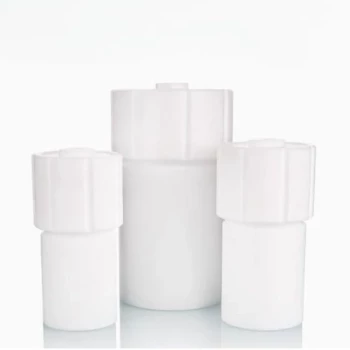
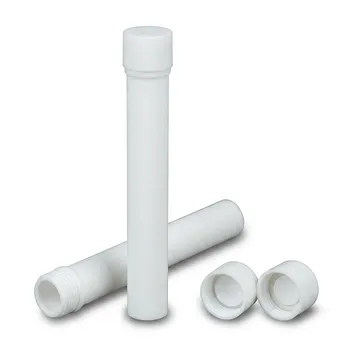
- High Purity Corrosion Resistant PFA Microwave Digestion Vessels 55ml Replacement Tubes for Trace Analysis
- Custom High Purity TFM Microwave Digestion Vessel 100ml for Analytical Laboratory Sample Preparation
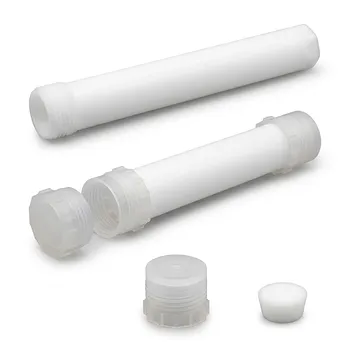
- Custom TFM Microwave Digestion Vessels for ICP-OES Analysis High Purity Fluoropolymer Sample Preparation Labware
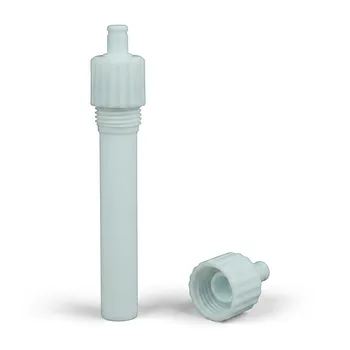
- High Temperature TFM Microwave Digestion Vessel Lid Compatible with Acid Evaporation Systems and Laboratory Pretreatment Equipment
- Custom High Purity TFM Microwave Digestion Vessel 100ml Capacity Compatible Replacement Liner for Professional Analytical Instruments
People Also Ask
- Why are high-strength PFA microwave digestion vessels ideal for complex samples? Ensure Pure & Precise Trace Analysis
- What safety features are commonly integrated into microwave digestion vessels? Ensuring High-Pressure Laboratory Safety
- What are the advantages of using microwave digestion vessels for environmental analysis? Boost speed and sample accuracy.
- What are the advantages of using microwave digestion vessels? Optimize EG@MO synthesis with superior thermal control.
- How do microwave digestion vessels support pharmaceutical elemental impurity testing? Achieve Precise USP Compliance