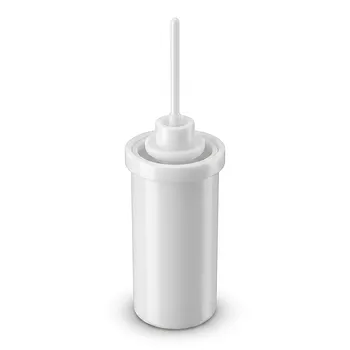
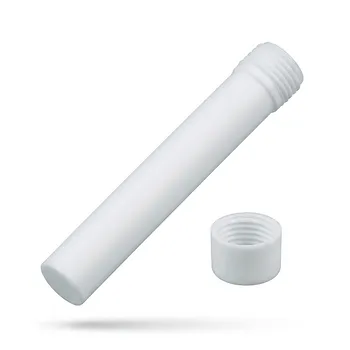
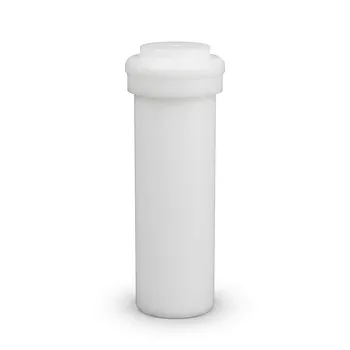
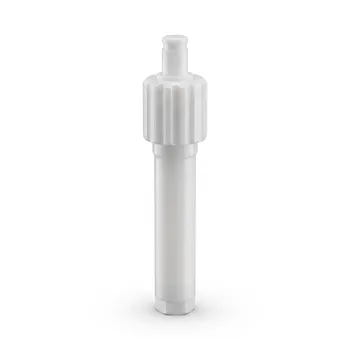
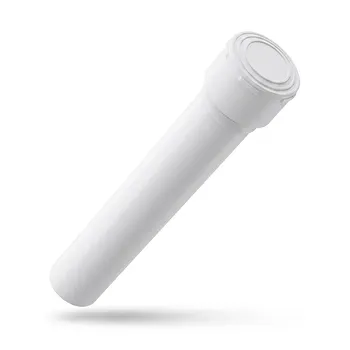
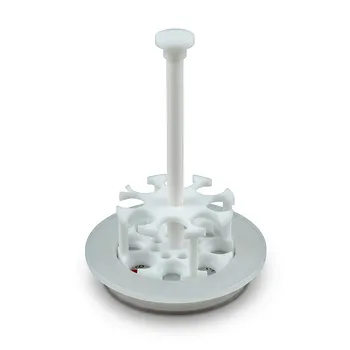
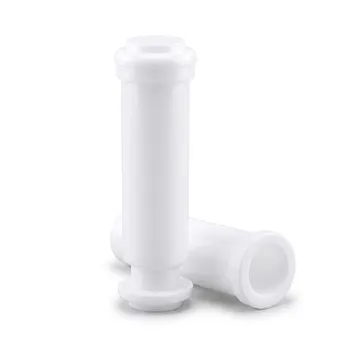
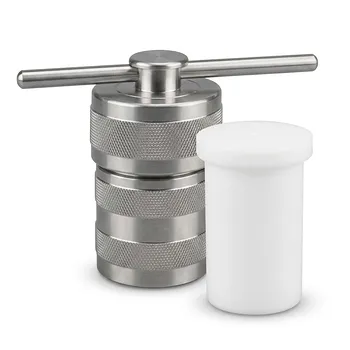
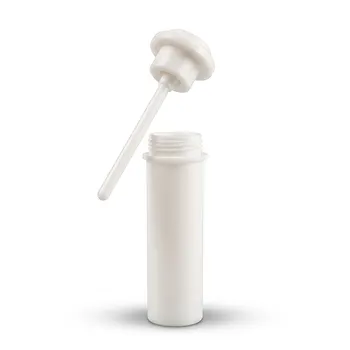
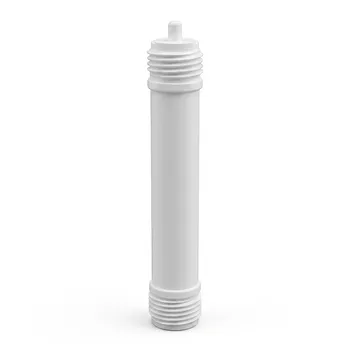
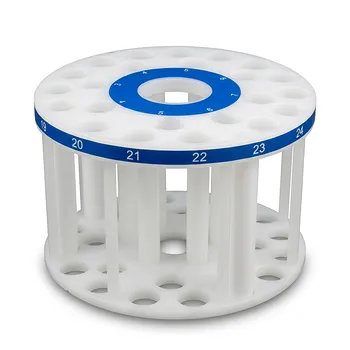
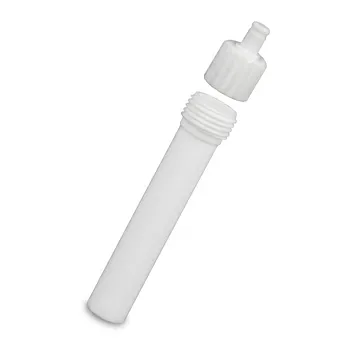
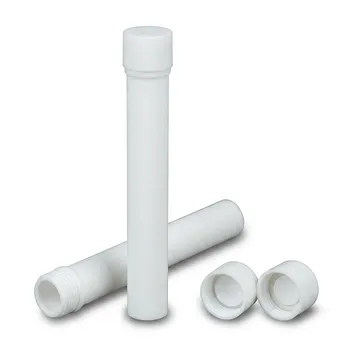
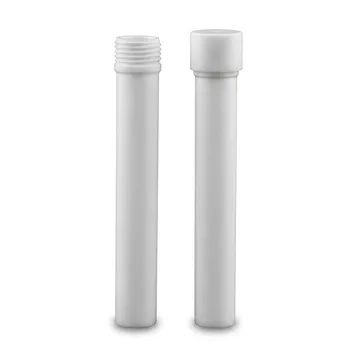
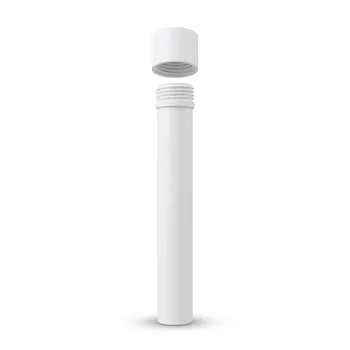
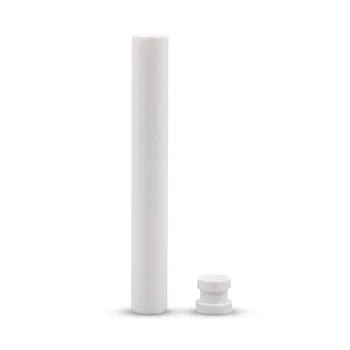
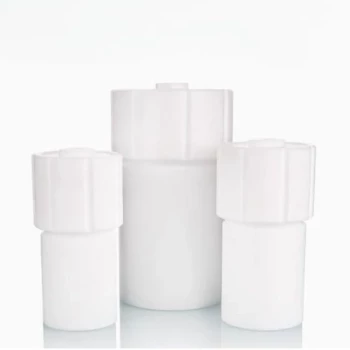
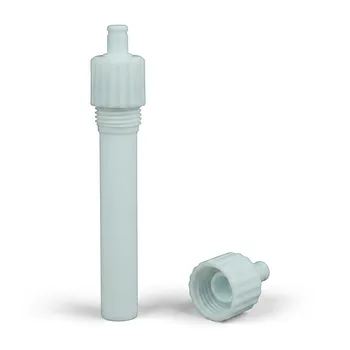
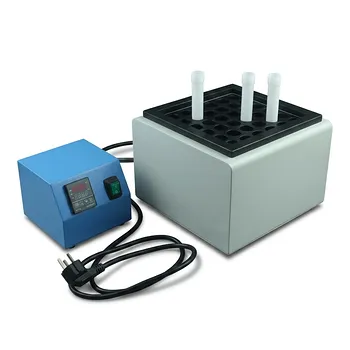
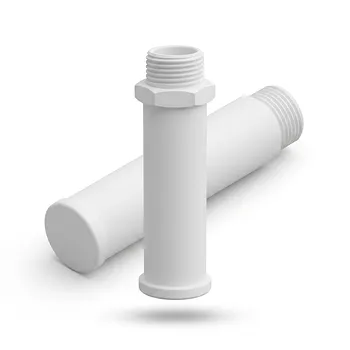
TFM is the preferred material for microwave digestion liners because it provides superior mechanical stability and significantly lower permeability than standard PTFE. While both materials offer exceptional chemical inertness, TFM is a chemically modified fluoropolymer designed to withstand the extreme cyclic pressure and high temperatures required to break down complex organic and inorganic matrices. Its denser molecular structure ensures vessel longevity, improved safety, and higher purity for trace-level analysis.
TFM (modified PTFE) bridges the gap between chemical resistance and mechanical durability. By reducing deformation under heat and pressure, it prevents vessel failure and sample cross-contamination during intensive digestion cycles.
The Mechanical Advantage of Modified PTFE
Reduced Creep and Deformation
Standard PTFE is susceptible to creep, which is the tendency of a solid material to move or deform permanently under the influence of mechanical stresses. In the high-pressure environment of a microwave reactor, standard PTFE liners can lose their shape over time.
TFM incorporates a small amount of perfluoropropyl vinyl ether, which creates a more robust molecular network. This modification significantly reduces deformation under load, allowing the vessel to maintain its seal and structural integrity through repeated heating and cooling cycles.
Superior Thermal Stability
Microwave digestion often requires temperatures exceeding 200°C to achieve complete decomposition of difficult samples like geological minerals or polymers. At these elevated temperatures, standard PTFE becomes increasingly soft and prone to failure.
TFM maintains higher mechanical strength at high temperatures compared to its unmodified counterpart. This thermal resilience allows labs to push digestion parameters further, ensuring that even the most stubborn matrices are fully dissolved without damaging the hardware.
Protecting Sample Integrity and Precision
Lower Permeability and Porosity
One of the most critical advantages of TFM is its reduced porosity. Standard PTFE has a relatively porous microstructure that can allow acid vapors and volatile elements to permeate the liner walls.
TFM’s denser structure acts as a more effective barrier against gas permeation. This ensures that the pressure remains contained within the vessel and prevents the loss of volatile analytes, which is vital for accurate recovery rates in trace analysis.
Minimizing Cross-Contamination
Because TFM is less porous and has an extremely smooth surface, it is much easier to clean than standard PTFE. This smoothness prevents residue from adhering to the liner walls, effectively eliminating memory effects.
By reducing the risk of cross-contamination between different sample batches, TFM ensures the high-purity environment necessary for high-precision analytical techniques like ICP-MS. It also boasts an incredibly low trace metal background, ensuring no interfering elements are introduced.
Understanding the Trade-offs
Cost and Material Specialization
The primary trade-off when selecting TFM over standard PTFE is the initial cost. TFM is a more specialized material that undergoes additional chemical modification, making it more expensive to manufacture and procure.
Over-Engineering for Simple Tasks
For routine, low-pressure applications—such as the digestion of simple aqueous samples or highly reactive liquids at low temperatures—standard PTFE may be sufficient. Using TFM in these scenarios might be considered over-engineering, providing performance benefits that aren't strictly necessary for the chemistry involved.
Making the Right Choice for Your Goal
To determine which liner material is appropriate for your laboratory, consider the complexity of your samples and the required digestion parameters.
- If your primary focus is high-pressure digestion of complex matrices: TFM is the essential choice to ensure safety, prevent vessel deformation, and achieve complete sample decomposition.
- If your primary focus is ultra-trace analysis and minimizing memory effects: Use TFM for its lower permeability and smoother surface, which drastically reduces the risk of sample carryover.
- If your primary focus is routine, low-temperature digestion of simple organics: Standard PTFE may provide a more cost-effective solution while still offering the necessary chemical resistance.
Selecting TFM ensures that your laboratory can safely and accurately handle the most demanding digestion protocols while maximizing the lifespan of your equipment.
Summary Table:
| Feature | Standard PTFE | TFM (Modified PTFE) |
|---|---|---|
| Creep Resistance | Moderate (Susceptible to deformation) | High (Stays stable under pressure) |
| Permeability | Higher (Porous microstructure) | Significantly Lower (Denser barrier) |
| Thermal Stability | Softens significantly above 200°C | Maintains strength at high temperatures |
| Surface Texture | Standard | Extremely smooth (Easier cleaning) |
| Primary Use | Routine, low-pressure digestion | High-pressure, ultra-trace analysis |
Upgrade Your Lab with KINTEK Fluoropolymer Expertise
Precision research demands materials that won't fail under pressure. KINTEK specializes in high-performance fluoropolymer solutions, offering everything from everyday basic labware (beakers, measuring cylinders, crucibles, reagent bottles) to specialized TFM liners for microwave digestion.
Our capabilities cover the entire spectrum of laboratory needs:
- Trace Analysis & Filtration: High-purity instruments, filters, pipettes, and separatory funnels.
- Fluid Transfer: Comprehensive components including tubing, fittings, and valves.
- Advanced Apparatus: Standard or custom electrochemical cells, battery testing fixtures, and microwave digestion vessels.
Backed by end-to-end custom CNC fabrication, we deliver everything from complex non-standard machined parts to high-volume orders with an exclusive focus on PTFE and PFA performance.
Ready to enhance your analytical precision and vessel longevity? Contact KINTEK today to discuss your custom laboratory needs!
Related Products
- Custom High Purity TFM Microwave Digestion Vessel 100ml Capacity Compatible Replacement Liner for Professional Analytical Instruments
- High Purity TFM Microwave Digestion Vessels PTFE Acid Evaporation Liners Domestic GT-400 Equivalent Laboratory Reaction Containers
- High Purity TFM Microwave Digestion Vessels for Trace Analysis and Custom Sample Preparation Systems
- High Temperature Resistant TFM Microwave Digestion Vessel Lids for Trace Analysis and Acid Evaporation Systems
- High Temperature TFM Microwave Digestion Vessel Lid Compatible with Acid Evaporation Systems and Laboratory Pretreatment Equipment
People Also Ask
- What safety features are commonly integrated into microwave digestion vessels? Ensuring High-Pressure Laboratory Safety
- What are the advantages of using microwave digestion vessels for environmental analysis? Boost speed and sample accuracy.
- What are the advantages of using microwave digestion vessels? Optimize EG@MO synthesis with superior thermal control.
- How do microwave digestion vessels support pharmaceutical elemental impurity testing? Achieve Precise USP Compliance
- Why do fluoropolymer labware and microwave digestion vessels exhibit exceptional thermal stability and chemical inertness compared to standard non-fluorinated laboratory plastics?