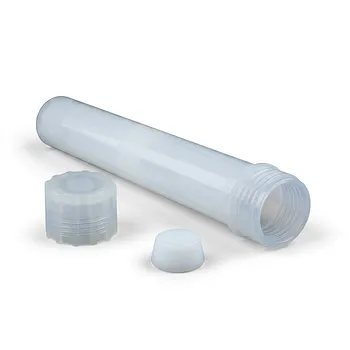
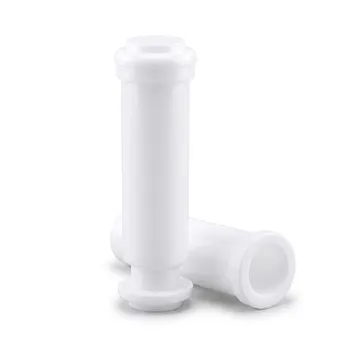
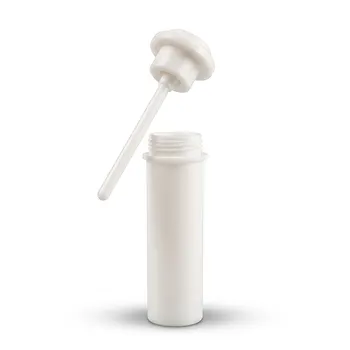
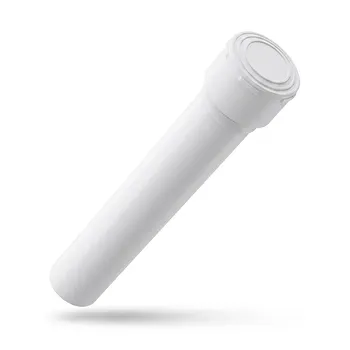
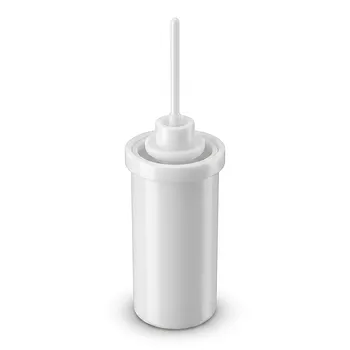
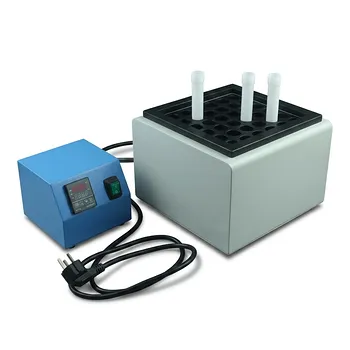
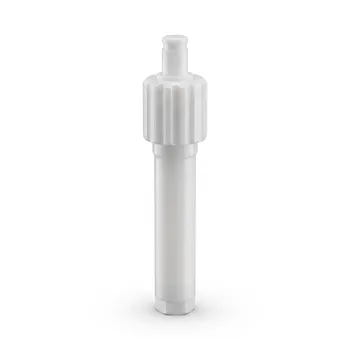
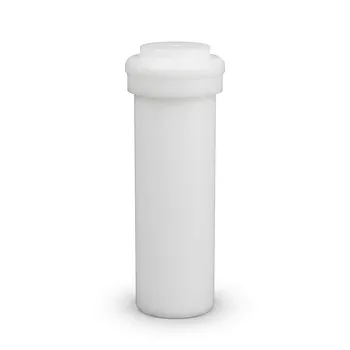
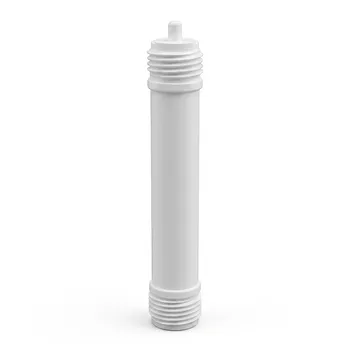
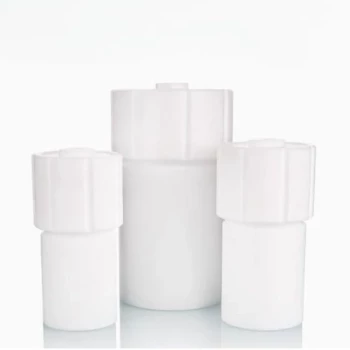
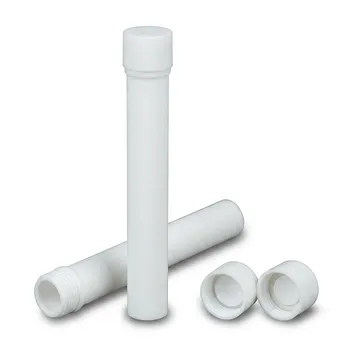
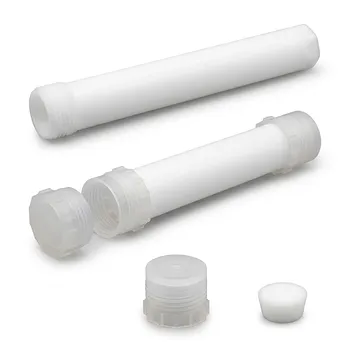
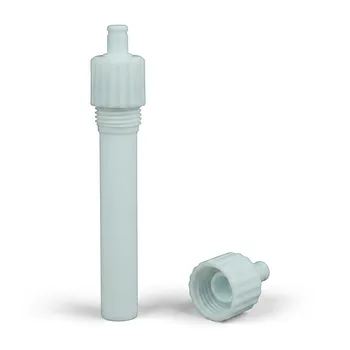
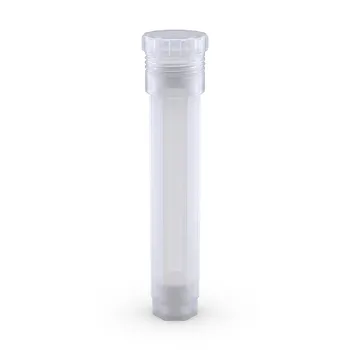
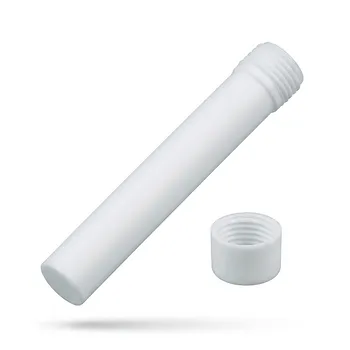
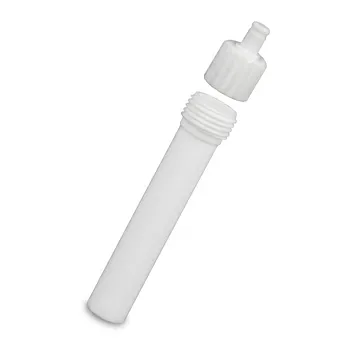
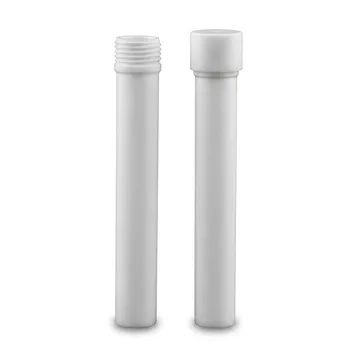
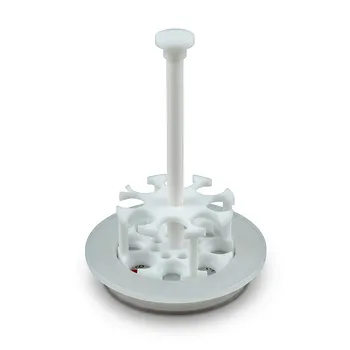
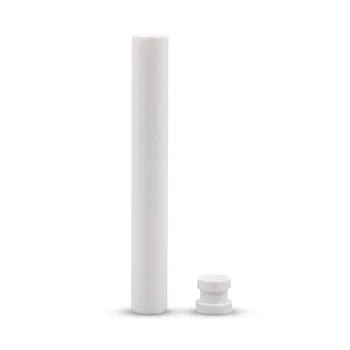
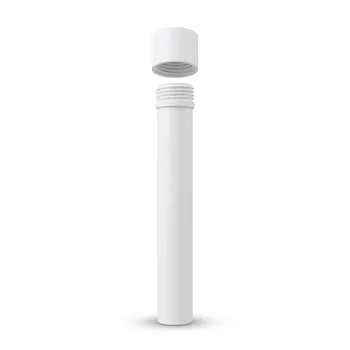
Specialized microwave digestion vessels are preferred because they combine exceptional microwave transparency with the ability to withstand extreme pressure and temperature. This unique combination allows for rapid, uniform volumetric heating that reduces reaction times from hours to minutes while ensuring the structural integrity and purity of the resulting carbon-based electrode materials.
These vessels act as high-performance reactors that leverage electromagnetic energy to create precise, localized thermal environments. By facilitating uniform grain growth and maintaining a sealed, contaminant-free system, they are essential for producing electrode materials with superior rate performance and optimized pore structures.
Enhanced Thermal Dynamics and Efficiency
The Power of Wave Transparency
Specialized vessels are engineered from materials that are essentially "invisible" to microwave radiation. This wave transparency ensures that electromagnetic energy is applied directly and uniformly to the precursor solution rather than being absorbed by the container itself.
Volumetric Heating via Dipole Rotation
Unlike traditional conduction, these vessels enable volumetric heating by utilizing the dipole rotation of polar molecules within the solution. This process generates heat throughout the entire volume simultaneously, slashing synthesis times from several hours to just a few minutes.
Creation of Micro-scale Hot Spots
The interaction between microwave energy and the transparent vessel environment generates localized micro-scale hot spots. These hot spots promote rapid nucleation and uniform grain growth, which are critical for the kinetic characteristics of high-performance electrode materials.
Structural and Morphological Control
Optimized Pore Development
For carbon-based electrodes, surface area is everything. The rapid and uniform heating provided by these vessels facilitates superior pore development, which directly enhances the rate performance and ion transport capabilities of supercapacitor materials.
Uniform Particle Distribution
In microwave-assisted synthesis, these vessels allow for faster nucleation of active substances on scaffolds like MXenes. This results in nanoparticles that are smaller and more uniformly distributed compared to those produced through conventional heating methods.
Precise Temperature and Pressure Control
The sealed nature of these vessels allows researchers to achieve solvothermal or hydrothermal conditions where the solvent’s boiling point is significantly elevated. This environment increases the solubility of precursors and enables precise control over the quantum yield and size distribution of carbon dots.
Material Integrity and Purity
Extreme Corrosion Resistance
Synthesis often involves aggressive precursors or strong oxidizing acids. Vessels made from high-performance fluoropolymers like PTFE or PFA offer extreme chemical inertness, preventing the container from leaching impurities into the carbon matrix.
Closed-System Contamination Control
The closed environment provided by these high-pressure tanks prevents the loss of volatile elements and eliminates the introduction of environmental contaminants. This ensures that the final electrode material has a precisely defined chemical composition, which is vital for consistent electrochemical performance.
Mechanical Strength Under Pressure
Synthesis reactions can generate significant internal pressure, often exceeding 200 psi. Specialized vessels possess the mechanical strength to endure these forces without deforming, ensuring both the safety of the laboratory and the success of the mineralization process.
Understanding the Trade-offs
Material Fatigue and Lifetime
While highly durable, fluoropolymer vessels are subject to thermal and mechanical fatigue over time. Repeated cycles of high-pressure heating can eventually lead to material degradation, necessitating regular inspections and eventual replacement to prevent vessel failure.
Pressure Limitations and Safety
Every specialized vessel has a rated maximum pressure and temperature. Exceeding these limits, especially during rapid exothermic reactions common in carbon synthesis, can lead to venting or catastrophic failure if the safety membranes are not properly maintained.
Cost and Complexity
Specialized microwave reactors and their associated vessels represent a significant upfront capital investment compared to simple furnace-based synthesis. Additionally, the need for precise loading and sealing protocols requires specialized training to ensure reproducible results and operator safety.
How to Apply This to Your Project
When selecting a vessel for microwave-assisted synthesis, your choice should align with the specific requirements of your precursor and the desired morphology of your carbon material.
- If your primary focus is high-surface-area supercapacitors: Prioritize vessels that support high-pressure hydrothermal conditions to maximize pore development and grain uniformity.
- If your primary focus is high-purity trace element synthesis: Opt for high-performance PFA vessels to ensure zero leaching of metallic impurities from the container walls.
- If your primary focus is rapid screening and throughput: Use vessels with quick-seal mechanisms and high microwave transparency to minimize cycle times between experiments.
- If your primary focus is the synthesis of carbon dots: Ensure your vessels are rated for the specific organic vapor pressures generated by your coal or pitch precursors to maintain a narrow particle size distribution.
By utilizing these specialized vessels, you transform a standard chemical reaction into a highly controlled, efficient, and reproducible synthesis process for next-generation energy storage.
Summary Table:
| Key Feature | Benefit | Impact on Carbon Electrodes |
|---|---|---|
| Wave Transparency | Volumetric, uniform heating | Rapid nucleation & uniform grain growth |
| Pressure Resistance | Elevated boiling points | Enhanced pore development & crystallinity |
| Chemical Inertness | Corrosion/acid resistance | High-purity matrix with zero leaching |
| Closed System | Contamination control | Precise chemical composition & safety |
Elevate Your Synthesis Precision with KINTEK
Achieve unparalleled performance in your energy storage research with KINTEK’s high-performance fluoropolymer solutions. From specialized microwave digestion vessels and hydrothermal synthesis liners to custom-machined PTFE and PFA components, we provide the tools necessary for high-purity trace analysis and advanced material synthesis.
Our end-to-end custom CNC fabrication allows us to deliver everything from complex non-standard parts and reaction apparatus to high-volume consumables like O-rings, gaskets, and tubes. Whether you are developing next-generation supercapacitors or high-rate battery electrodes, KINTEK ensures your laboratory is equipped with durable, contaminant-free supplies tailored to your exact specifications.
Contact our experts today to optimize your laboratory setup!
References
- Perseverance Dzikunu, Pedro Vilaça. Waste-to-carbon-based supercapacitors for renewable energy storage: progress and future perspectives. DOI: 10.1007/s40243-024-00285-4
This article is also based on technical information from Kintek Knowledge Base .
Related Products
- High Purity Corrosion Resistant PFA Microwave Digestion Vessels 55ml Replacement Tubes for Trace Analysis
- Custom High Purity TFM Microwave Digestion Vessel 100ml for Analytical Laboratory Sample Preparation
- Custom TFM Microwave Digestion Vessels for ICP-OES Analysis High Purity Fluoropolymer Sample Preparation Labware
- High Temperature TFM Microwave Digestion Vessel Lid Compatible with Acid Evaporation Systems and Laboratory Pretreatment Equipment
- Custom High Purity TFM Microwave Digestion Vessel 100ml Capacity Compatible Replacement Liner for Professional Analytical Instruments
People Also Ask
- Why are high-strength PFA microwave digestion vessels ideal for complex samples? Ensure Pure & Precise Trace Analysis
- What safety features are commonly integrated into microwave digestion vessels? Ensuring High-Pressure Laboratory Safety
- What are the advantages of using microwave digestion vessels for environmental analysis? Boost speed and sample accuracy.
- What are the advantages of using microwave digestion vessels? Optimize EG@MO synthesis with superior thermal control.
- How do microwave digestion vessels support pharmaceutical elemental impurity testing? Achieve Precise USP Compliance