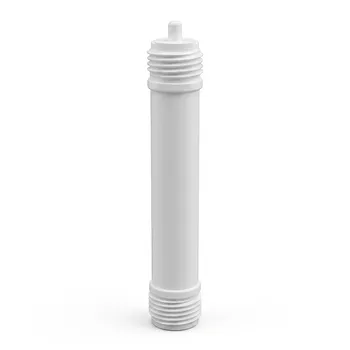
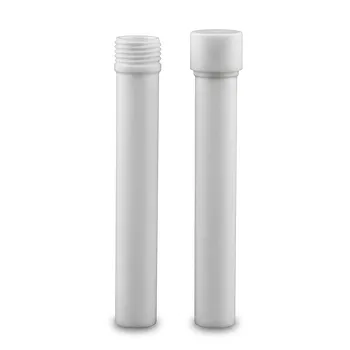
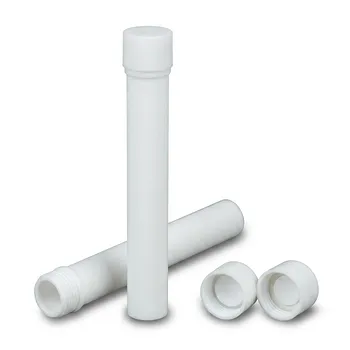
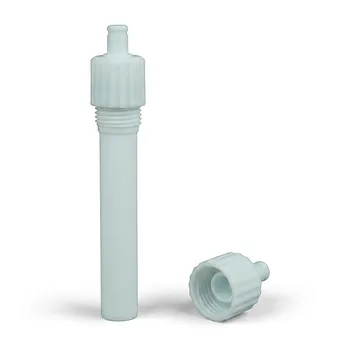
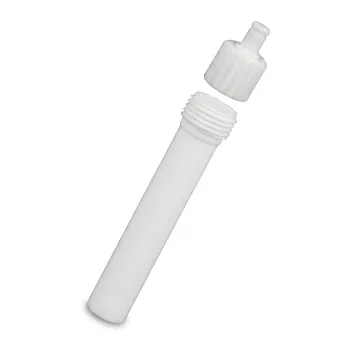
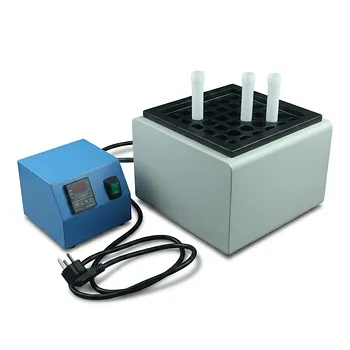
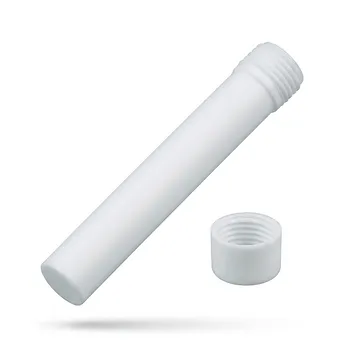
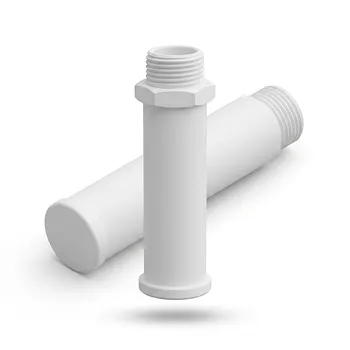
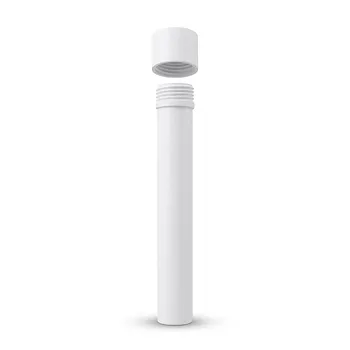
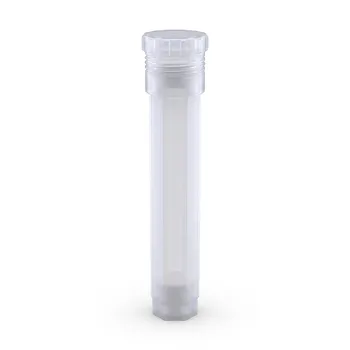
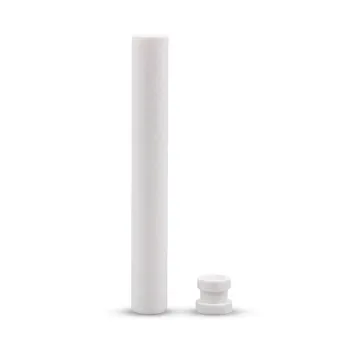
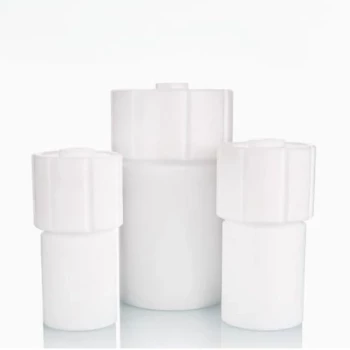
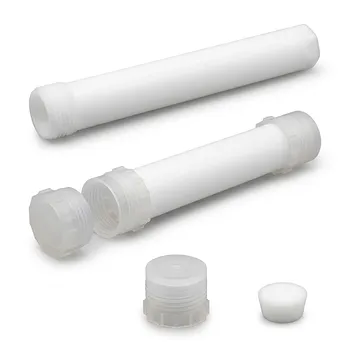
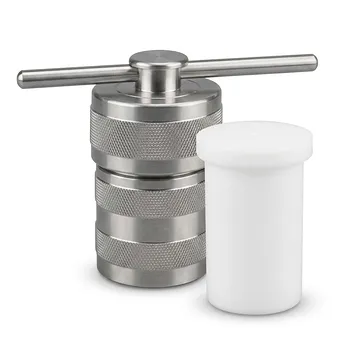
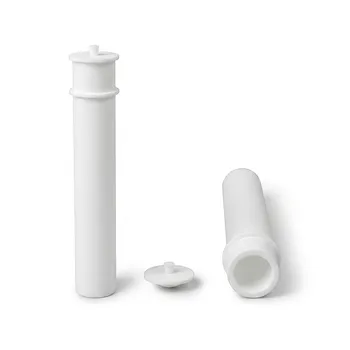
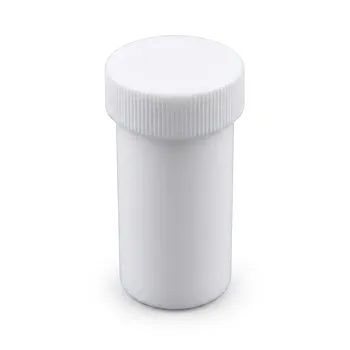
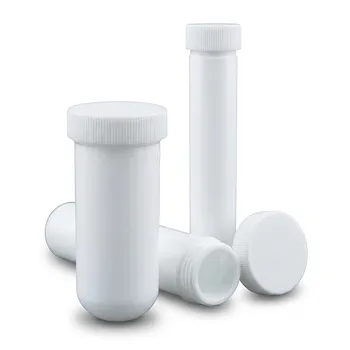
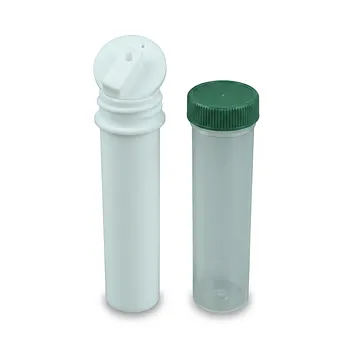
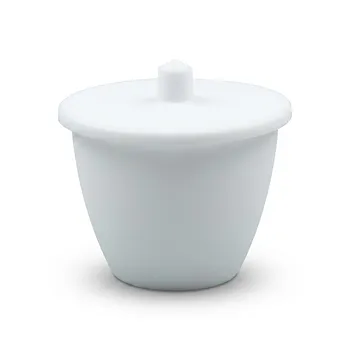
Polytetrafluoroethylene (PTFE) is the preferred liner material for Ln-MOF synthesis primarily because of its total microwave transparency and exceptional chemical inertness. These properties allow for rapid, volumetric heating of the reaction mixture while withstanding the aggressive solvents and high pressures required for crystal growth. By serving as a robust, non-reactive barrier, PTFE ensures that the resulting lanthanide frameworks are high-purity and free from metallic contamination.
Core Takeaway: PTFE enables efficient microwave-assisted synthesis by allowing electromagnetic energy to bypass the vessel and heat reactants directly, ensuring rapid nucleation. Its unique combination of chemical resistance and thermal stability maintains a pristine environment for crystal formation under high-pressure conditions.
The Role of Microwave Transparency in Synthesis
Direct Energy Transfer to Reactants
PTFE is virtually "invisible" to microwave radiation, allowing electromagnetic energy to penetrate the vessel walls without being absorbed. This ensures that the energy acts directly on the polar solvent and reactant molecules rather than heating the container itself.
Rapid and Uniform Volumetric Heating
Because the microwave energy reaches the entire volume of the reaction mixture simultaneously, it facilitates rapid and uniform heating. This localized energy transfer is critical for the fast nucleation and consistent crystal growth required to form high-quality Lanthanide Metal-Organic Frameworks.
Enhanced Reaction Kinetics
The ability to reach target temperatures almost instantaneously allows for significantly shorter reaction times compared to conventional heating. This efficiency is a direct result of the PTFE liner’s inability to interfere with the electromagnetic field inside the microwave cavity.
Chemical Inertness and Purity Control
Resistance to Aggressive Solvents and Acids
Ln-MOF synthesis often involves harsh organic solvents like Dimethylformamide (DMF) or strong acids that would corrode standard materials. PTFE exhibits superior chemical resistance, maintaining its structural integrity even when exposed to these aggressive reagents at elevated temperatures.
Prevention of Metallic Contamination
The PTFE liner acts as a critical barrier between the reaction mixture and the external stainless steel autoclave body. This prevents metal impurities from leaching into the solution, which is vital for maintaining the precise coordination environment of the lanthanide ions.
Low Trace Element Background
High-performance fluoropolymers like PTFE have an extremely low trace element background. This characteristic ensures that the analytical purity of the synthesized MOFs is not compromised by leaching from the vessel walls.
Physical Performance Under Pressure
Managing High-Pressure Environments
In a closed microwave system, polar solvents generate significant internal pressure when heated rapidly. PTFE liners are engineered to withstand these high-pressure conditions, ensuring the safety and stability of the solvothermal process.
Non-Stick Surface for Maximum Recovery
The low surface energy of PTFE creates a non-stick environment that prevents crystals from adhering to the vessel walls. This ensures the complete recovery of synthesized materials and simplifies the cleaning process between batches.
Minimizing Cross-Contamination
Because PTFE is non-porous and resistant to adsorption, it minimizes the risk of cross-contamination between different synthesis runs. This is particularly important when working with different lanthanide metals that could alter the properties of subsequent batches.
Understanding the Trade-offs and Limitations
Temperature Ceiling
While PTFE is highly resistant to heat, it has a functional upper limit, typically around 250°C to 260°C. Exceeding these temperatures can lead to material softening or the release of toxic fluorinated vapors.
Mechanical Creep and Deformation
Under repeated cycles of high pressure and temperature, PTFE can experience "creep" or permanent deformation. This requires users to periodically inspect liners for thinning or "flaring" at the seals to prevent vessel failure.
Thermal Insulation Properties
PTFE is an excellent thermal insulator, which means that while it allows microwaves in, it also retains heat inside the vessel. This can make rapid cooling (quenching) of the reaction more difficult compared to using materials with higher thermal conductivity.
How to Optimize Your Synthesis Setup
Selecting the Right Approach for Your Project
- If your primary focus is Maximum Crystal Purity: Use high-grade PTFE liners to ensure a zero-metal environment and prevent trace element leaching from the autoclave body.
- If your primary focus is Rapid Screening of MOFs: Leverage the microwave transparency of PTFE to perform high-speed, small-batch synthesis with consistent volumetric heating.
- If your primary focus is Easy Sample Recovery: Utilize the non-stick properties of PTFE to ensure that fragile microcrystals are easily removed without mechanical scraping.
- If your primary focus is High-Temperature Stability (>260°C): Consider alternative liners like PFA or quartz, as standard PTFE may begin to deform or degrade at extreme temperatures.
By utilizing PTFE liners, researchers can harness the full power of microwave energy to produce high-purity Lanthanide Metal-Organic Frameworks with unprecedented speed and consistency.
Summary Table:
| Key Property | Role in Ln-MOF Synthesis | Major Benefit |
|---|---|---|
| Microwave Transparency | Direct energy transfer to polar solvents | Rapid nucleation & volumetric heating |
| Chemical Inertness | Resistance to DMF and aggressive acids | Prevents metallic contamination & leaching |
| Low Surface Energy | Non-stick vessel environment | Easy crystal recovery & simple cleaning |
| Pressure Resistance | Maintains seal during solvothermal heating | Safe operation under high-pressure conditions |
| Purity Profile | Extremely low trace element background | Ensures analytical-grade framework quality |
Elevate Your Research with KINTEK’s Precision Fluoropolymer Labware
Achieve uncompromising purity in your Lanthanide Metal-Organic Framework synthesis with high-performance PTFE and PFA solutions from KINTEK. We specialize in the end-to-end custom CNC fabrication of virtually all imaginable laboratory supplies.
From everyday basic labware like beakers, crucibles, and reagent bottles to advanced microwave digestion vessels, hydrothermal synthesis liners, and custom electrochemical cells, we provide the tools needed for high-pressure and high-purity applications. Whether you require standard consumables such as O-rings, stirring bars, and filtration tools or complex non-standard machined parts and bespoke laboratory setups, KINTEK delivers high-volume consistency with an absolute focus on fluoropolymer performance.
Ready to optimize your lab setup? Contact us today to discuss your custom requirements!
References
- Kankan Patra, Haridas Pal. Lanthanide-based metal–organic frameworks (Ln-MOFs): synthesis, properties and applications. DOI: 10.1039/d4su00271g
This article is also based on technical information from Kintek Knowledge Base .
Related Products
- High Purity PTFE Microwave Digestion Vessel for Soil and Food Analysis Acid Resistant Fluoropolymer Sample Preparation Liners
- Custom High Purity PTFE Microwave Digestion Vessels and Graphite Block Compatible Acid Evaporation Tanks for Trace Metal Analysis
- High Purity PTFE Microwave Digestion Vessels for 44 Position Systems Trace Analysis Acid Digestion and Evaporation
- High Performance PTFE Microwave Digestion Vessel Replacement Bespoke Fluoropolymer Acid Digestion Tank Intelligent Sample Preparation Labware
- High Purity PTFE Microwave Digestion Vessel Replacement Liner for Acid Sample Preparation and Trace Analysis
People Also Ask
- How does the dielectric property of PTFE benefit microwave-assisted digestion? Unlock Rapid and Uniform Sample Heating
- What are the advantages of using microwave digestion vessels? Optimize EG@MO synthesis with superior thermal control.
- What safety features are commonly integrated into microwave digestion vessels? Ensuring High-Pressure Laboratory Safety
- What are the advantages of using microwave digestion vessels for environmental analysis? Boost speed and sample accuracy.
- How do microwave digestion vessels support pharmaceutical elemental impurity testing? Achieve Precise USP Compliance