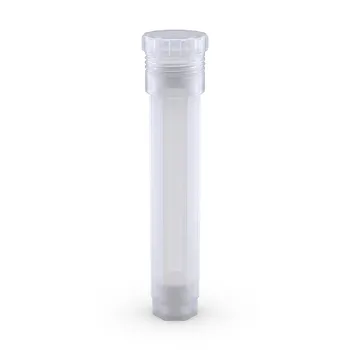
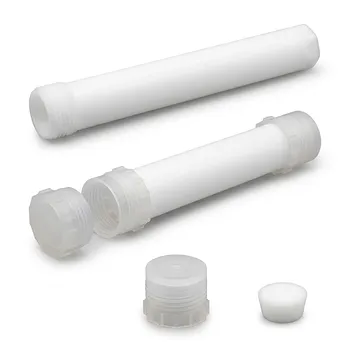
High-pressure microwave reactors offer superior heating speed, uniform thermal distribution, and enhanced safety protocols compared to traditional heating methods. In zeolite catalytic evaluations, these reactors allow reactions to occur safely above solvent boiling points, significantly shortening equilibrium times while ensuring data repeatability through precise PID temperature control.
High-pressure microwave technology shifts catalytic evaluation from slow, indirect heating to rapid, direct molecular interaction. This transition enables researchers to achieve faster reaction equilibrium and higher data precision while maintaining a safer environment for high-pressure experiments.
Enhanced Thermal Efficiency and Kinetic Speed
Direct Molecular Heating
Traditional devices rely on conduction and convection, heating the vessel first and the reaction medium last. Microwave reactors utilize electromagnetic waves to act directly on the reaction liquid, achieving extremely rapid heating and a highly uniform thermal field distribution.
Accelerated Reaction Equilibrium
By delivering energy directly to the reactants, these systems significantly shorten reaction equilibrium times. This allows for faster screening of zeolite catalysts and higher throughput in experimental workflows.
Precise Kinetic Monitoring
The ability to achieve rapid thermal stability allows for a strict distinction between different reaction phases. Researchers can perform precise sampling at set intervals, providing a clearer view of the evolution kinetics and particle size behavior in zeolite-mediated processes.
Precision Control and Data Integrity
Advanced PID Temperature Regulation
Consistency is the cornerstone of catalyst evaluation. High-pressure microwave reactors use precise PID temperature control to ensure that every experimental run is identical, facilitating the comparability of catalytic data across different batches.
Reproducibility in Complex Reactions
In specific tests like furfuryl alcohol etherification, maintaining a stable environment is critical. The uniform heating provided by microwave energy minimizes thermal gradients, ensuring that the zeolite catalyst performs consistently throughout the entire reaction volume.
Safety and High-Pressure Capabilities
Operating Above Boiling Points
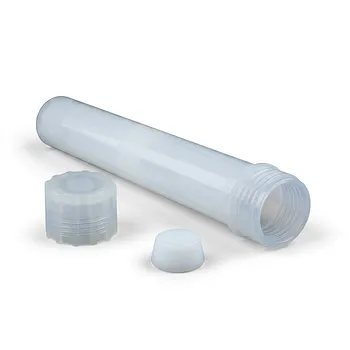
Traditional glass reactors are often limited by the boiling point of the solvent. High-pressure microwave reactors use explosion-proof reaction tubes, allowing researchers to safely conduct catalytic evaluations at temperatures far exceeding standard boiling points.
Real-Time Pressure Sensing
Safety in zeolite catalysis is managed through real-time pressure sensing technology. This allows the system to monitor internal conditions constantly, automatically adjusting or halting power to prevent over-pressurization during volatile reactions.
Understanding the Trade-offs
Material Sensitivity
The efficiency of a microwave reactor depends heavily on the dielectric properties of the solvent and catalyst. If a reaction mixture does not absorb microwave radiation effectively, the heating advantages may be diminished compared to traditional methods.
Scaling and Vessel Limitations
While excellent for evaluation and discovery, microwave reactors often face scaling challenges. The penetration depth of microwaves is limited, meaning that results optimized in small-scale explosion-proof tubes may require significant recalibration when moving to larger industrial reactors.
How to Apply This to Your Project
When choosing between a microwave reactor and traditional heating for zeolite evaluation, consider the specific requirements of your catalytic process.
- If your primary focus is rapid screening and kinetics: Utilize the microwave reactor's ability to provide direct heating and precise sampling to map reaction pathways quickly.
- If your primary focus is high-temperature liquid-phase reactions: Leverage the explosion-proof tubes and pressure sensing to safely push reactions beyond the solvent’s atmospheric boiling point.
- If your primary focus is data consistency for publication: Rely on the PID temperature control and uniform thermal fields to ensure your catalytic performance data is repeatable and robust.
The adoption of high-pressure microwave technology represents a fundamental shift toward more precise, efficient, and safer catalytic research.
Summary Table:
| Feature | High-Pressure Microwave Reactor | Traditional Heating Method |
|---|---|---|
| Heating Mechanism | Direct molecular interaction (electromagnetic) | Conduction and convection (indirect) |
| Heating Speed | Extremely rapid; shortens equilibrium time | Slower; gradual thermal transfer |
| Thermal Distribution | Uniform field; minimal thermal gradients | Prone to temperature gradients |
| Temperature Control | Advanced PID regulation for high precision | Less responsive; prone to overshoot |
| Operating Limits | Safe operation above solvent boiling points | Often limited to atmospheric boiling points |
| Safety Monitoring | Real-time pressure sensing & explosion-proof | Manual monitoring; standard glassware limits |
Optimize Your Catalytic Research with KINTEK's High-Performance Solutions
Achieving precision in zeolite catalytic evaluation requires more than just the right methodology—it requires equipment that can withstand extreme conditions. At KINTEK, we maintain an exclusive focus on high-performance fluoropolymer materials, manufacturing virtually all imaginable laboratory supplies crafted from PTFE and PFA.
From everyday basic labware like beakers, crucibles, and reagent bottles to comprehensive fluid transfer components (tubing, fittings, valves) and advanced reaction apparatus—including hydrothermal synthesis liners, microwave digestion vessels, and custom electrochemical cells—we provide the tools necessary for high-precision science. Backed by end-to-end custom CNC fabrication, KINTEK is equipped to deliver everything from complex non-standard machined parts to high-volume orders tailored to your specific research needs.
Ready to enhance your lab’s efficiency and data integrity?
Contact KINTEK Today to discover how our bespoke fluoropolymer solutions can elevate your experimental workflows.
References
- Jiayu Yu, Yi Tang. Distinguishing and unraveling classical and non-classical pathways in MFI zeolite crystallization: insights into their contributions and impact on the final product. DOI: 10.1039/d5qi00224a
This article is also based on technical information from Kintek Knowledge Base .
Related Products
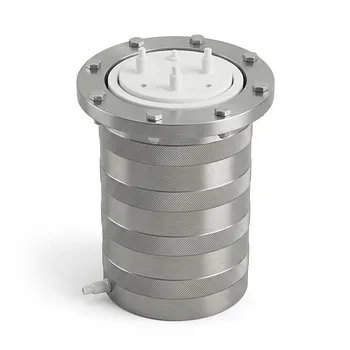
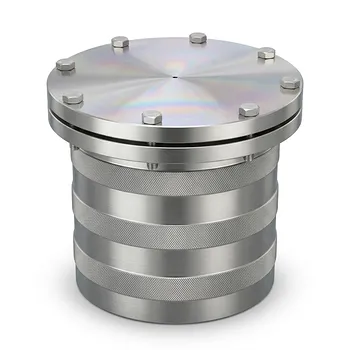
- High Pressure Custom TFM Reactor Stainless Steel Outer Vessel PTFE Inner Cup for Corrosive Synthesis
- High Temperature TFM Microwave Digestion Vessel Lid Compatible with Acid Evaporation Systems and Laboratory Pretreatment Equipment
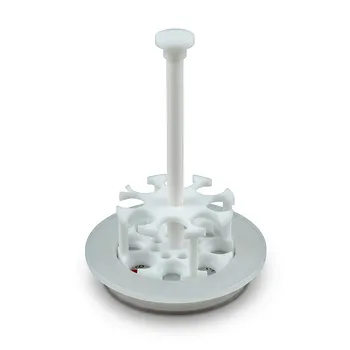
- High Performance TFM Microwave Digestion Vessel Rack 15 Position Customizable Sample Preparation Support
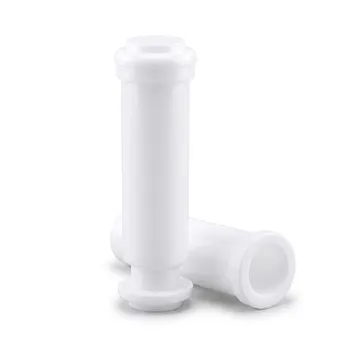
- High Purity TFM Microwave Digestion Vessels for Trace Analysis and Custom Sample Preparation Systems
- Custom High Purity TFM Microwave Digestion Vessel 100ml for Analytical Laboratory Sample Preparation
People Also Ask
- Why is a PTFE-lined reactor required for Mn2O3 synthesis? Achieve High Purity & Corrosion Resistance
- What is the technical value of 180 bar pressure for MgO nanostructures? Unlock Superior Crystallinity and Morphology
- What are the technical advantages of using high-pressure PTFE reaction vessels during metal digestion? Expert Insights.
- How does the regulation of initial pressure within a high-pressure reaction system affect the production of MIL-100(Fe)?
- Why is a high-pressure reactor necessary for the esterification reaction between oleic acid and methanol at 150°C? Guide