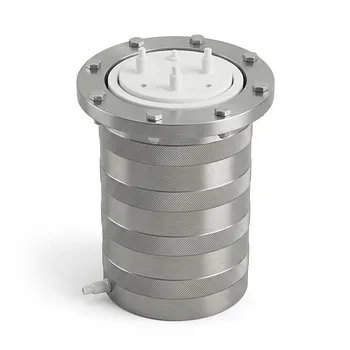
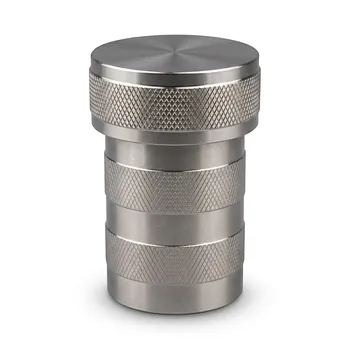
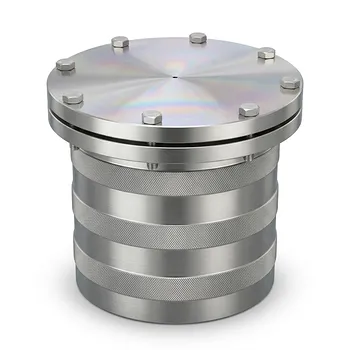
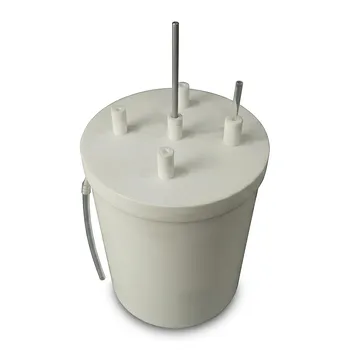
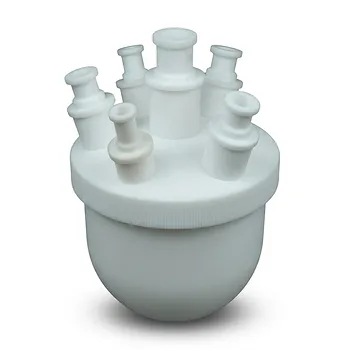
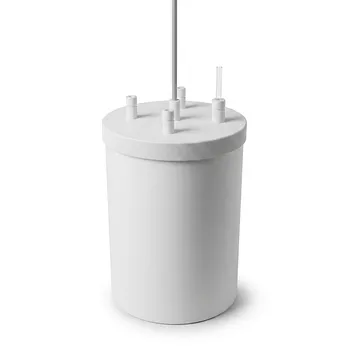
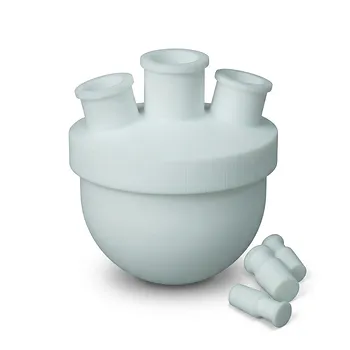
The preparation of phosphorus-doped carbon quantum dots requires a high-pressure PTFE-lined reactor to handle the aggressive chemical environment of concentrated acids while maintaining the thermodynamic conditions for carbonization. This specific equipment allows for the simultaneous formation of the carbon core and the integration of phosphorus atoms into the surface structure. Without it, the phosphoric acid used as a dopant source would destroy standard metallic vessels, and the lack of pressure would prevent the precursors from undergoing the necessary chemical transformations.
Core Takeaway: The PTFE-lined reactor acts as both a chemical shield and a pressurized furnace, enabling the safe use of corrosive phosphorus precursors to achieve high-purity, fluorescent carbon quantum dots through controlled carbonization and surface functionalization.
The Chemical Barrier: Resisting Acidic Corrosion
Protection Against High-Concentration Phosphoric Acid
Phosphorus doping often involves the use of high-concentration phosphoric acid or other acidic precursors. PTFE (Polytetrafluoroethylene) is exceptionally chemically inert, providing the necessary resistance to prevent the acid from eating through the reaction vessel during heating.
Prevention of Metal Ion Leaching
At the high temperatures required for synthesis, acids can cause metal ions to leach from a stainless steel reactor shell into the reaction mixture. The PTFE liner acts as a critical barrier, ensuring that these metallic impurities do not contaminate the carbon dots, which would otherwise quench their fluorescence or alter their optical properties.
Preservation of Surface Functional Groups
Maintaining a pure chemical environment allows for the precise control of surface functionalization. Because the PTFE does not react with the reagents, the resulting phosphorus groups on the surface of the carbon dots remain consistent, ensuring the material performs reliably in subsequent sensing or imaging applications.
The Thermodynamic Role: High-Pressure Carbonization
Accelerating Dehydration and Polymerization
The hydrothermal process relies on a sealed environment that generates high internal pressure as the temperature rises. This pressure is essential to accelerate the dehydration, carbonization, and polymerization of biomass or chemical precursors into a solid carbon core.
Simultaneous Core Formation and Doping
The high-pressure environment provides the energy required to break molecular bonds and reform them into a nanocrystalline structure. This allows phosphorus atoms to be incorporated into the carbon lattice (doping) at the same time the core is being built, rather than as a separate, less efficient step.
Improving Product Yield and Quality
The low surface energy of the PTFE liner prevents the newly formed nanoparticles from adhering to the vessel walls. This non-stick property ensures a higher recovery rate of the synthesized dots and maintains a uniform particle size distribution.
Understanding the Trade-offs
Temperature Limitations of PTFE
While PTFE is highly resistant to chemicals, it has a physical limit; it generally cannot be used for reactions exceeding 200°C to 250°C. Exceeding these temperatures can cause the liner to soften or deform, compromising the seal and potentially leading to a dangerous pressure release.
Thermal Lag and Cooling Rates
PTFE is an effective thermal insulator, which means the internal reaction temperature may lag behind the temperature set on the external heating oven. Researchers must account for this delay and the relatively slow cooling rates when timing their synthesis protocols to ensure batch-to-batch consistency.
Pressure Safety Risks
High-pressure reactors are essentially pressure vessels that require strict adherence to safety volumes (typically filling the liner to 60-80% capacity). Overfilling the liner can lead to extreme pressure spikes that exceed the structural integrity of the stainless steel outer shell.
Applying This to Your Synthesis Goals
How to Choose Your Reactor Configuration
- If your primary focus is maximum fluorescence purity: Use a high-purity PTFE liner to completely eliminate metal ion contamination and ensure stable surface functionalization.
- If your primary focus is high-yield phosphorus doping: Ensure the reactor is rated for at least 180°C to provide the necessary pressure for the phosphoric acid to integrate into the carbon core.
- If your primary focus is long-term equipment durability: Always inspect the PTFE liner for "pitting" or discoloration after each acid-heavy run to prevent future leaks into the steel shell.
By leveraging the chemical inertness and pressure-containment capabilities of a PTFE-lined reactor, you can reliably produce high-quality phosphorus-doped carbon quantum dots for advanced technical applications.
Summary Table:
| Feature | Benefit in P-CQD Synthesis |
|---|---|
| PTFE Chemical Inertness | Resists corrosive phosphoric acid and prevents metal ion leaching for higher fluorescence purity. |
| High-Pressure Containment | Accelerates dehydration and carbonization while facilitating simultaneous phosphorus doping. |
| Non-Stick Properties | Prevents nanoparticle adhesion to vessel walls, ensuring higher yield and uniform size distribution. |
| Thermal Insulation | Maintains stable internal conditions for controlled surface functionalization of quantum dots. |
Elevate Your Nanomaterial Synthesis with KINTEK
Precise control over chemical environments is non-negotiable for high-performance carbon quantum dots. KINTEK specializes in high-performance fluoropolymer solutions designed for the most demanding laboratory applications. Whether you need standard hydrothermal synthesis liners, microwave digestion vessels, or high-purity trace analysis instruments, we provide the chemical resistance and pressure integrity your research demands.
From everyday essentials like PTFE/PFA beakers, centrifuge tubes, and filtration tools to complex custom-machined electrochemical cells and fluid transfer components, KINTEK is your end-to-end partner. Our advanced custom CNC fabrication capabilities allow us to deliver everything from bespoke laboratory setups to high-volume orders with absolute precision.
Ready to optimize your synthesis yields? Contact KINTEK today for custom fluoropolymer solutions and experience the difference of expert-engineered labware.
References
- Carl J. Claus, M.C. del Barrio. Parametric study on the hydrothermal synthesis of fluorescent p-doped carbon quantum dots from banana peels (Musa acuminata) and their photocatalytic performance towards hexavalent chromium reduction. DOI: 10.61435/ijred.2025.61383
This article is also based on technical information from Kintek Knowledge Base .
Related Products
- PTFE Lined High Pressure Digestion Vessel 50ml High Temperature Hydrothermal Synthesis Tank
- High Pressure Custom TFM Reactor Stainless Steel Outer Vessel PTFE Inner Cup for Corrosive Synthesis
- High Temperature Corrosion Resistant Hydrothermal Synthesis Reactor with TFM Inner Liner and Straight Cylinder Design
- Custom TFM Reaction Vessel with Stainless Steel Jacket and PTFE Inner Cup for High Corrosion Resistance
- PTFE Distillation Condensation Apparatus High Temperature Hydrofluoric Acid Resistant Fluorination Reaction Flask
People Also Ask
- What are the benefits of using a PTFE-lined vessel for carbon-sulfur cathode treatment? Maximize Purity & Performance
- Why are PTFE-lined pressure digestion vessels required for the preparation of Ag/CeO2 catalysts? Purity & Performance
- What safety features are typically incorporated into high-pressure PTFE digestion vessel designs? Ensure Lab Safety
- What is the function of PTFE lined high-pressure vessels in g-C3N4 synthesis? Achieve High-Purity Material Growth
- Role of High-Pressure Digestion Tanks in Perovskite Synthesis: Achieve Superior Stability and Latent Heat