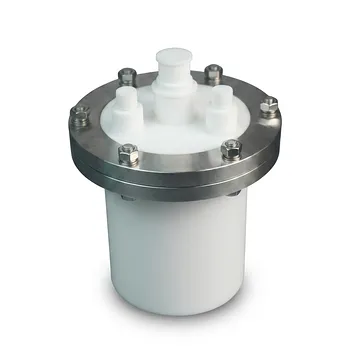
Hydrothermal synthesis of manganese trioxide (Mn2O3) requires a PTFE-lined high-pressure reactor to ensure chemical purity and vessel integrity. The liner provides a chemically inert barrier that prevents highly oxidative precursors from corroding the stainless steel reactor body at 180 °C, while simultaneously preventing metal ion leaching that would contaminate the final crystalline product.
Core Takeaway: The PTFE liner acts as both a protective shield for the hardware and a "clean room" for the chemistry, enabling the high-temperature, high-pressure conditions necessary for pure Mn2O3 crystallization without introducing external contaminants.
The Role of PTFE in Chemical Integrity
Chemical Inertness Under Oxidative Stress
The synthesis of Mn2O3 often involves highly oxidative precursors that can aggressively react with standard metals. Polytetrafluoroethylene (PTFE) is chosen because of its exceptional chemical inertia, meaning it does not react with the precursors or the solvents used in the hydrothermal process.
Prevention of Metal Ion Leaching
Stainless steel reactor walls can release metal impurity ions when exposed to the high-temperature aqueous environments required for synthesis. The PTFE liner acts as a physical barrier, ensuring that no iron, chromium, or nickel from the autoclave body leaches into the solution to disrupt the chemical purity of the Mn2O3.
Creating the Necessary Physical Environment
Enabling Subcritical Water Conditions
Hydrothermal synthesis requires temperatures (typically 180 °C) that exceed the boiling point of the solvent at atmospheric pressure. The sealed, PTFE-lined vessel allows for the generation of autogenous pressure, which keeps the solvent in a liquid state and increases its reactivity.
Promoting Uniform Crystallization
The high-pressure environment inside the liner facilitates deep interaction between metal ions and precursors. This pressure promotes slow crystal nucleation and growth, which is essential for achieving the specific crystalline phases and high crystallinity required for Mn2O3.
Facilitating Material Recovery
PTFE has an exceptionally low friction coefficient, making the surface "non-stick" for the synthesized nanomaterials. This property ensures that the Mn2O3 powder can be completely collected after the reaction and simplifies the maintenance and cleaning of the vessel for future use.
Understanding the Trade-offs
Temperature Limitations of PTFE
While PTFE is highly stable, it has a functional upper temperature limit, typically around 220–250 °C. Exceeding these temperatures can cause the liner to soften or deform, leading to potential seal failure or the release of toxic vapors.
Thermal Expansion and Seal Integrity
PTFE has a different coefficient of thermal expansion than the stainless steel autoclave body. If the reactor is heated or cooled too rapidly, the liner may warp or crack, compromising the sealed environment and potentially damaging the outer pressure vessel.
Low Thermal Conductivity
PTFE is an insulator, which means it does not conduct heat as efficiently as metal. This can lead to a thermal lag between the laboratory oven’s temperature and the actual temperature of the reaction mixture inside the liner, requiring longer stabilization times.
How to Apply This to Your Project
Recommendations for Successful Synthesis
- If your primary focus is Maximum Chemical Purity: Always use a high-purity, virgin PTFE liner and perform a "dummy" acid wash cycle before the actual synthesis to remove any residual surface ions.
- If your primary focus is Structural Integrity: Ensure that the heating and cooling rates do not exceed 5 °C per minute to protect the PTFE liner from thermal shock and deformation.
- If your primary focus is High-Temperature Reactions (>250 °C): Consider replacing the PTFE liner with a PPL (para-polyphenylene) liner, which offers higher thermal stability while maintaining chemical resistance.
By strictly maintaining the integrity of the PTFE-lined environment, you ensure that the resulting manganese trioxide meets the precise morphological and purity standards required for advanced applications.
Summary Table:
| Feature | Benefit for Mn2O3 Hydrothermal Synthesis |
|---|---|
| Chemical Inertness | Prevents reactions between oxidative precursors and vessel walls |
| Physical Barrier | Stops metal ions (Fe, Cr, Ni) from leaching into the crystalline product |
| Non-Stick Surface | Ensures complete recovery of synthesized nanomaterials and easy cleaning |
| Pressure Stability | Maintains autogenous pressure for subcritical water reactions at 180°C |
| Thermal Protection | Shields the stainless steel body from corrosive aqueous environments |
Optimize Your Synthesis with KINTEK Fluoropolymer Expertise
Precision in materials science starts with a contamination-free environment. KINTEK specializes in high-performance PTFE and PFA laboratory solutions designed to withstand the most demanding hydrothermal conditions. From everyday labware like beakers and crucibles to advanced reaction apparatus such as hydrothermal synthesis liners, microwave digestion vessels, and custom electrochemical cells, we provide the chemical integrity your research depends on.
Whether you need standard consumables like stirring bars and gaskets or complex, bespoke non-standard machined parts, our end-to-end CNC fabrication ensures every component meets your exact specifications. Don't let metal leaching or vessel corrosion compromise your Mn2O3 purity.
Contact KINTEK today to secure your high-purity lab setup and see how our fluoropolymer focus brings absolute reliability to your laboratory.
References
- Alisha Dhakal, Sanjay R. Mishra. Urea-driven hydrothermal synthesis of Mn<sub>2</sub>O<sub>3</sub>: electrochemical performance across various electrolytes for supercapacitor applications. DOI: 10.1039/d5ya00040h
This article is also based on technical information from Kintek Knowledge Base .
Related Products
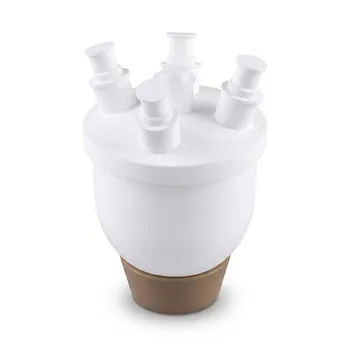
- PTFE Lined High Pressure Digestion Vessel 50ml High Temperature Hydrothermal Synthesis Tank
- Custom TFM Reaction Vessel with Stainless Steel Jacket and PTFE Inner Cup for High Corrosion Resistance
- High Pressure Custom TFM Reactor Stainless Steel Outer Vessel PTFE Inner Cup for Corrosive Synthesis
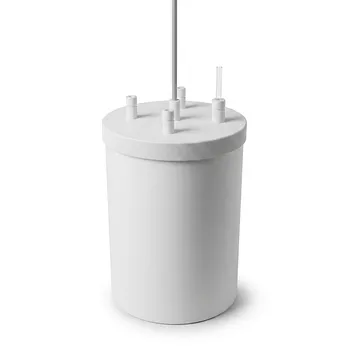
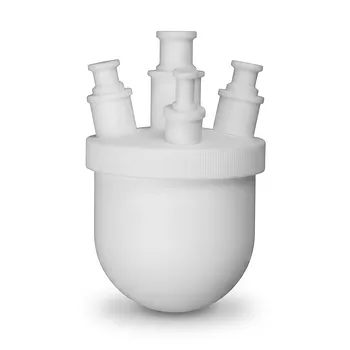
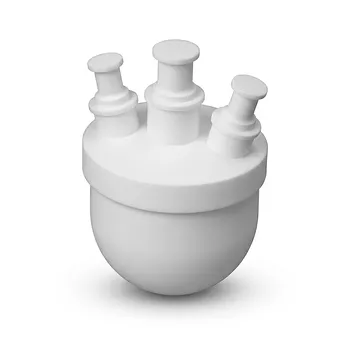
- High Performance Customizable PTFE Reaction Vessel and Corrosion Resistant Polytetrafluoroethylene Flask for Chemical Laboratory Use
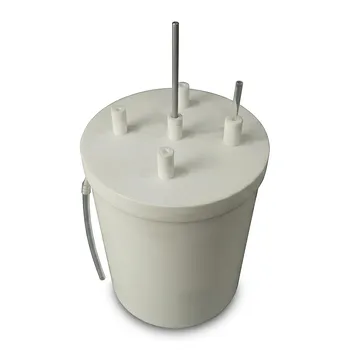
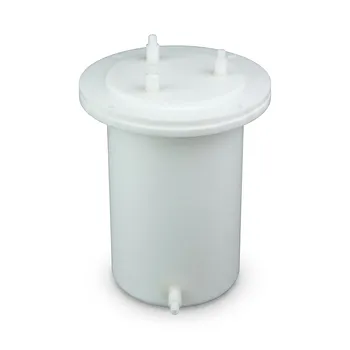
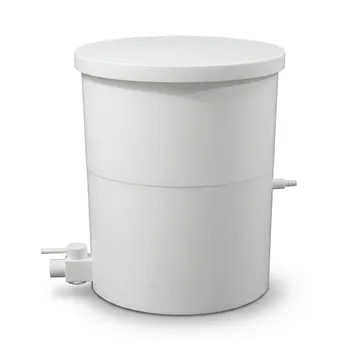
- High Purity PTFE Reaction Vessel with Electric Stirring System and Customizable 5L Tank including Buchner Funnel Filtration Assembly
People Also Ask
- What are the benefits of using a PTFE-lined vessel for carbon-sulfur cathode treatment? Maximize Purity & Performance
- Why are PTFE-lined pressure digestion vessels required for the preparation of Ag/CeO2 catalysts? Purity & Performance
- What safety features are typically incorporated into high-pressure PTFE digestion vessel designs? Ensure Lab Safety
- What is the function of PTFE lined high-pressure vessels in g-C3N4 synthesis? Achieve High-Purity Material Growth
- Role of High-Pressure Digestion Tanks in Perovskite Synthesis: Achieve Superior Stability and Latent Heat