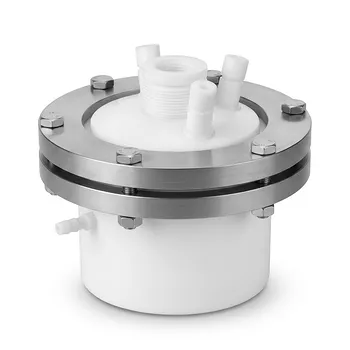
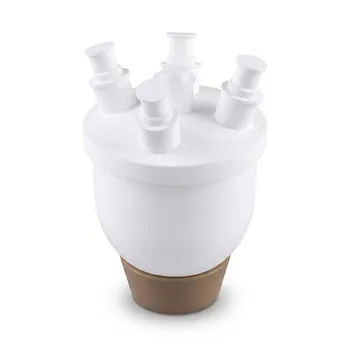
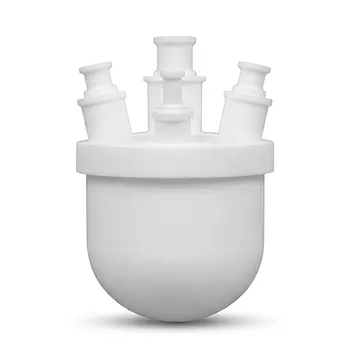
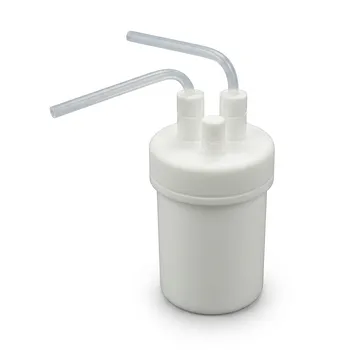
Hydrothermal synthesis with a PTFE liner is the gold standard for polymer-based nanocomposites because it creates a chemically inert, high-pressure environment that prevents contamination. This setup protects the reactor's metallic walls from corrosive precursors while providing a non-stick surface that is essential for recovering high-viscosity polymer products. Ultimately, it ensures high product purity and promotes the successful compatibility of different polymer phases during synthesis.
A PTFE-lined reactor bridges the gap between high-strength structural requirements and extreme chemical resistance. By isolating the reaction from the metal shell, it guarantees a contaminant-free environment that is critical for the precise morphological and chemical development of nanocomposites.
Protecting Product Purity and Integrity
Eliminating Metal Ion Contamination
The most significant advantage is the prevention of metal leaching into the reaction mixture. In hydrothermal conditions, even "stainless" steel can be eroded by aggressive precursors, introducing unwanted metal ions.
PTFE liners act as an absolute barrier, ensuring that the resulting nanocomposites, such as those used for photocatalysis or enzymatic activity, maintain a pure crystal structure. This purity is vital for achieving consistent performance in the final material.
Superior Chemical Resistance
Hydrothermal synthesis often involves the use of strong acids, such as hydrochloric acid, or strong alkalis like sodium hydroxide. PTFE is exceptionally resistant to these corrosive agents, even at elevated temperatures and pressures.
Without this liner, these chemicals would rapidly degrade the structural integrity of the autoclave. The liner allows researchers to explore a wide range of pH levels without risking equipment failure or sample contamination.
Optimizing the Synthesis Environment
High-Pressure Molecular Interaction
At temperatures reaching 120°C and above, the sealed environment of the reactor creates a constant-pressure state. This environment promotes intense molecular interaction between the polymer phases and the inorganic nanofillers.
This high-pressure setting is often the catalyst for successful compatibility between otherwise distinct materials. It facilitates the controlled growth of nanocrystals directly within the polymer matrix.
Uniform Thermodynamic Reactions
The smooth internal surface of a PTFE liner is not just for easy cleaning; it plays a role in reaction physics. It ensures that reactants undergo uniform thermodynamic reactions across the entire volume of the vessel.
Consistent heat and pressure distribution, aided by the liner's properties, result in nanocomposites with regular morphology and predictable catalytic activity. This uniformity is difficult to achieve in reactors with pitted or uneven internal surfaces.
Facilitating Post-Synthesis Processing
Managing High-Viscosity Polymers
Polymer-based nanocomposites often become highly viscous during the synthesis process, making them difficult to extract. The non-stick properties of PTFE allow for the efficient collection of these materials once the reaction is complete.
This minimizes product loss and simplifies the cleaning process for the operator. It also ensures that the morphology of the polymer is not damaged by aggressive scraping during recovery.
Structural Synergy with Stainless Steel
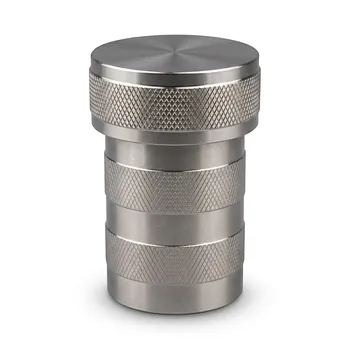
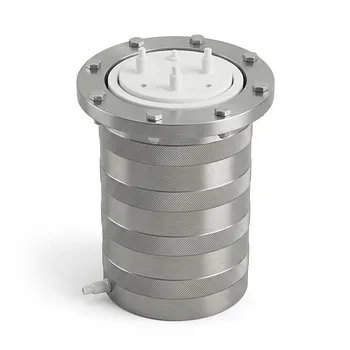
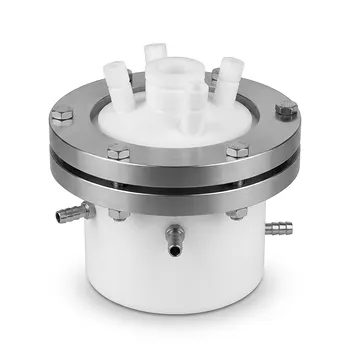
While PTFE provides the chemical resistance, it lacks the mechanical strength to withstand high internal pressures on its own. The hydrothermal reactor design combines a stainless steel outer shell for strength with the PTFE liner for chemical protection.
This combination allows for safe operation at temperatures up to 200°C. It provides a secure, high-pressure container that protects the laboratory environment from potentially hazardous chemical reactions.
Understanding the Trade-offs
Temperature Constraints
While PTFE is highly versatile, it has a definite thermal ceiling, typically around 200°C to 250°C. Exceeding these temperatures can cause the liner to soften or deform, compromising the seal and potentially releasing toxic fumes.
Thermal Expansion Mismatch
PTFE and stainless steel have significantly different rates of thermal expansion. As the reactor heats up, the liner expands more than the shell, which can lead to mechanical stress or "creep" over many cycles.
Limitations in Heat Transfer
PTFE is an insulator rather than a conductor, which means it can slow down the rate of heating and cooling. Users must account for this thermal lag when timing their synthesis to ensure the internal contents reach the desired temperature for the required duration.
Making the Right Choice for Your Goal
To achieve the best results with polymer-based nanocomposites, consider your specific experimental requirements:
- If your primary focus is high chemical purity: Prioritize a high-quality PTFE liner to eliminate the risk of metal ion leaching from the autoclave walls.
- If your primary focus is working with viscous polymers: Utilize the non-stick surface of PTFE to ensure maximum product recovery and easier cleanup.
- If your primary focus is aggressive pH environments: Ensure your liner is inspected for cracks or thinning, as PTFE is the primary defense against acid/alkali corrosion.
- If your primary focus is temperatures above 200°C: Consider alternative liner materials like PPL (Polyphenylene polymers) or PFA, which may offer higher thermal stability than standard PTFE.
The strategic use of a PTFE-lined reactor empowers researchers to synthesize complex nanocomposites with high precision, safety, and purity.
Summary Table:
| Feature | Benefit for Nanocomposite Synthesis |
|---|---|
| Chemical Inertness | Eliminates metal leaching and ensures high product purity. |
| Non-stick Surface | Facilitates easy recovery of high-viscosity polymer products. |
| Corrosion Resistance | Allows safe use of strong acids and alkalis at high pressure. |
| Uniform Heat/Pressure | Promotes consistent morphology and predictable catalytic activity. |
| Dual-Material Design | Combines PTFE chemical protection with stainless steel strength. |
Elevate Your Research with KINTEK’s Fluoropolymer Expertise
Achieve uncompromising purity and precision in your material synthesis with KINTEK. We specialize in high-performance fluoropolymer solutions, offering an extensive range of PTFE and PFA laboratory supplies tailored for the most demanding environments.
From everyday basic labware like beakers, crucibles, and reagent bottles to advanced hydrothermal synthesis liners, microwave digestion vessels, and custom electrochemical cells, KINTEK provides the tools you need for success. Our capabilities extend to end-to-end custom CNC fabrication, allowing us to deliver everything from complex non-standard machined parts to high-volume orders with absolute focus on material integrity.
Whether you are working on polymer-based nanocomposites or complex fluid transfer systems, our team is ready to provide bespoke solutions that eliminate contamination and resist corrosion.
Contact KINTEK today to optimize your lab setup!
References
- İbrahi̇m Erol, Fahrettin Yakuphanoğlu. Hydrothermal Synthesis of Multifunctional Polyvinyl Alcohol-based Nanocomposites Reinforced with Biosynthesized Silver Nanoparticles: Enhanced Thermal, Dielectric, and Biological Performance. DOI: 10.1007/s10904-025-03717-4
This article is also based on technical information from Kintek Knowledge Base .
Related Products
- High Temperature Corrosion Resistant Hydrothermal Synthesis Reactor with TFM Inner Liner and Straight Cylinder Design
- PTFE Lined High Pressure Digestion Vessel 50ml High Temperature Hydrothermal Synthesis Tank
- High Pressure Custom TFM Reactor Stainless Steel Outer Vessel PTFE Inner Cup for Corrosive Synthesis
- Custom TFM Reaction Vessel with Stainless Steel Jacket and PTFE Inner Cup for High Corrosion Resistance
- Custom PTFE Reaction System with Hose Barb Fittings Corrosion Resistant High Sealing 2L 4L Lab Reactor with Separatory Funnel
People Also Ask
- What is the role of a corrosion-resistant reactor in the synthesis of lignin-based carbon dots? Ensure Maximum Purity
- What are the technical advantages of using hydrothermal synthesis reactors for advanced electronic & optical nanomaterials?
- How does a hydrothermal synthesis reactor facilitate the production of crystalline materials with tailored morphologies? Precision Crystal Growth
- Why is the sealing reliability of a hydrothermal synthesis reactor critical for 24-hour cycles? Ensure Nano-Precision
- What role do hydrothermal synthesis reactors play in CQD preparation? Achieve High-Purity Nanomaterial Synthesis