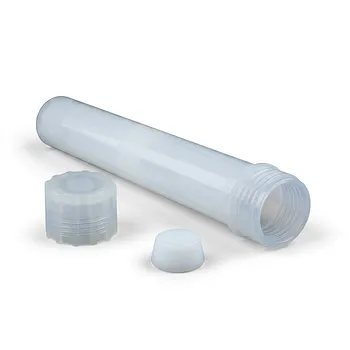
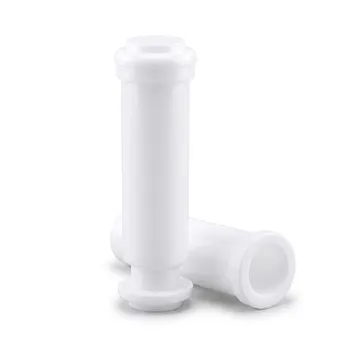
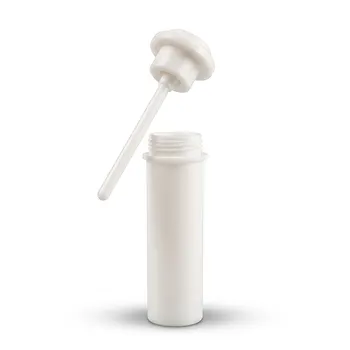
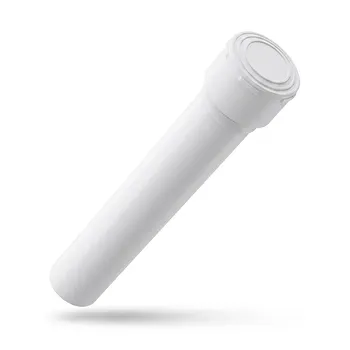
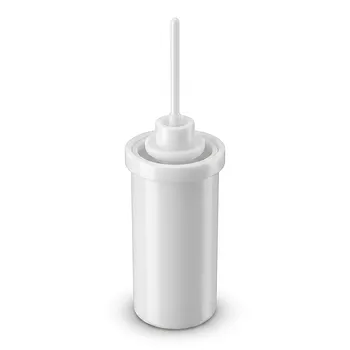
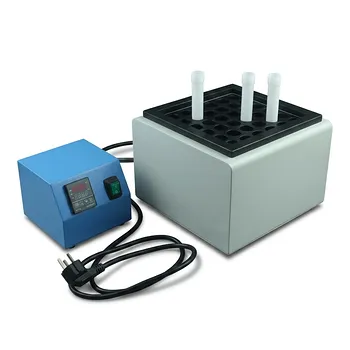
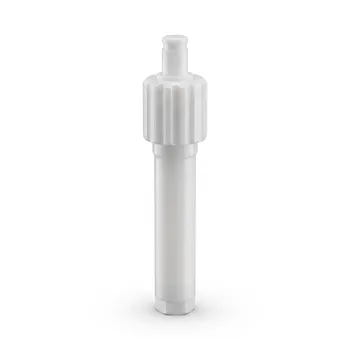
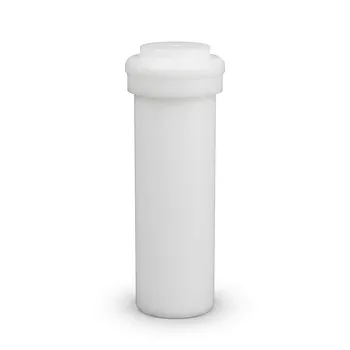
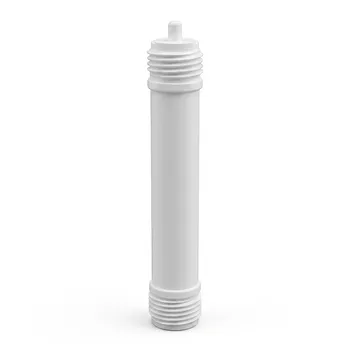
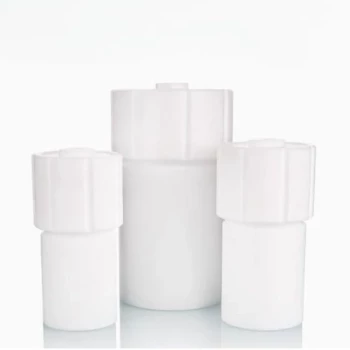
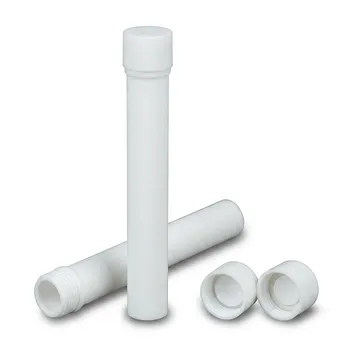
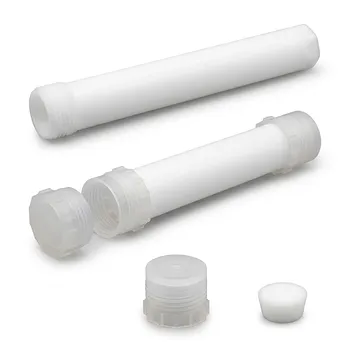
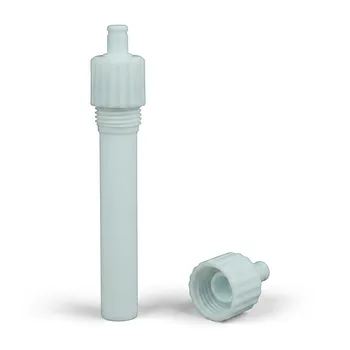
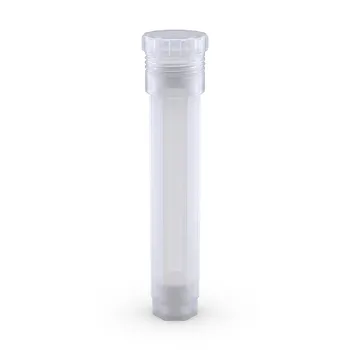
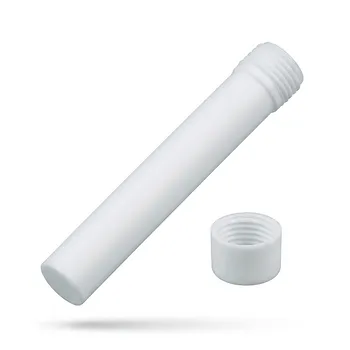
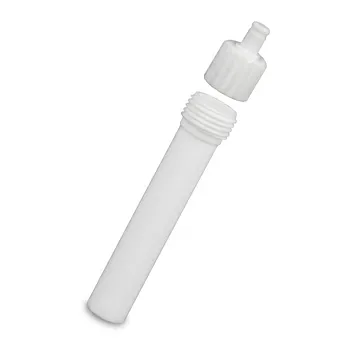
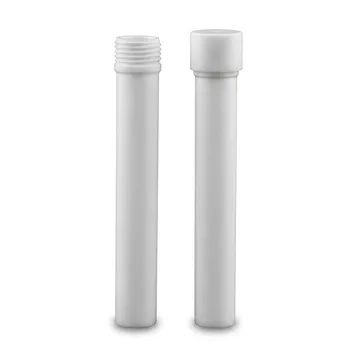
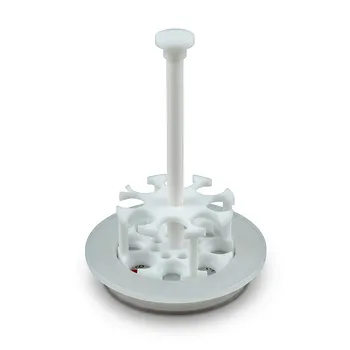
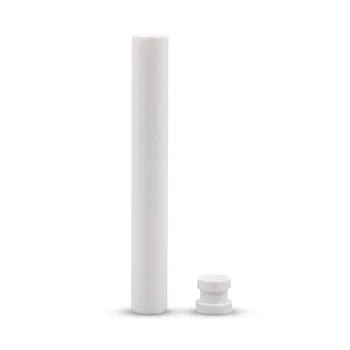
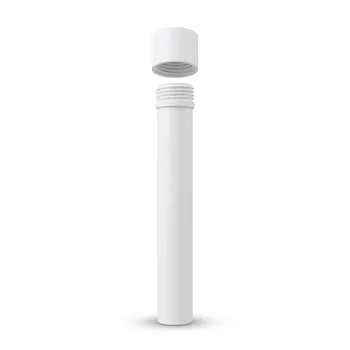
High-performance microwave digestion vessels are engineered for extreme thermal and physical stress. They are designed to accommodate operating temperatures up to approximately 300 °C and internal pressures reaching 200 bar. These elevated conditions are necessary to accelerate the decomposition of complex sample matrices that would otherwise remain resistant to acid digestion at atmospheric pressure.
Microwave digestion vessels use specialized materials and sealed designs to allow reagents to reach temperatures far exceeding their boiling points. This high-energy environment ensures the complete mineralization of samples, which is critical for accurate trace element analysis.
The Physics of High-Pressure Digestion
Breaking the Atmospheric Boiling Point
In an open system, the maximum temperature of a digestion reagent is limited by its boiling point. By sealing the reaction within a microwave-transparent vessel, internal pressure builds, allowing acids like concentrated nitric acid to operate at temperatures significantly higher than their standard boiling points.
Accelerating Reaction Kinetics
The combination of high temperature and high pressure significantly enhances the oxidative capacity of digestion reagents. This allows for the total recovery of trace heavy metals and the complete breakdown of complex organic matrices in a much shorter timeframe than traditional methods.
Engineering and Material Selection
The Role of Advanced Fluoropolymers
Vessels are typically manufactured from high-purity fluoropolymers such as PTFE, PFA, or modified PTFE (TFM). These materials offer extreme chemical inertia and corrosion resistance, ensuring that the vessel does not contaminate the sample with trace impurities during the mineralization process.
Structural Integrity and Precision
To withstand internal pressures of 200 bar, vessels require high mechanical strength and reliable sealing. Precision CNC machining and material uniformity are critical technical factors that prevent leaks or vessel failure while maintaining consistent digestion efficiency across multiple samples.
Safety Systems and Process Control
Real-Time Monitoring Mechanisms
Modern microwave systems utilize integrated infrared or fiber-optic sensors to monitor temperature and pressure in real-time. This active monitoring allows the system to adjust microwave power instantly, ensuring the vessel remains within its safe operating envelope.
Overpressure Relief and Cooling
Safety is further managed through overpressure relief mechanisms designed to vent gas safely if internal limits are exceeded. Additionally, active cooling systems are often employed to lower the temperature rapidly after the cycle, allowing for safer handling and higher laboratory throughput.
Understanding the Trade-offs
Vessel Wear and Longevity
Operating consistently at the upper limits of 300 °C and 200 bar will inevitably accelerate the mechanical fatigue of the fluoropolymer materials. Users must balance the need for aggressive digestion conditions with the increased frequency of vessel replacement and maintenance.
Risk of Rapid Exothermic Reactions
When digesting highly reactive organic samples, the internal pressure can spike faster than the relief mechanism or power control can respond. It is vital to match the sample mass to the vessel's pressure rating to avoid catastrophic failure or "venting" events that lead to sample loss.
Choosing the Right Parameters for Your Goal
How to Apply This to Your Project
Selecting the appropriate temperature and pressure settings depends entirely on the complexity of your sample matrix and your required detection limits.
- If your primary focus is routine organic samples (plants, tissues): Operating at 180 °C to 200 °C is usually sufficient for complete mineralization while extending the life of your PTFE-TFM vessels.
- If your primary focus is complex inorganic or refractory materials: You will likely need to utilize the maximum capability of 250 °C to 300 °C to ensure the complete dissolution of the matrix.
- If your primary focus is ultra-trace analysis (ICP-MS): Prioritize vessels made of high-purity PFA or TFM to minimize the trace element background, even if your temperature requirements are modest.
By understanding these physical limits, you can optimize your digestion protocols to achieve total sample recovery while maintaining the highest standards of laboratory safety.
Summary Table:
| Feature | Performance Capability | Laboratory Benefit |
|---|---|---|
| Max Operating Temperature | Up to 300 °C | Accelerates decomposition of resistant matrices |
| Max Internal Pressure | Up to 200 bar | Enables reagents to exceed atmospheric boiling points |
| Primary Materials | High-purity PFA, PTFE, TFM | Exceptional chemical inertia and ultra-low trace background |
| Manufacturing Method | Precision CNC Machining | Ensures structural integrity and reliable sealing |
| Safety Features | Real-time monitoring & pressure relief | Prevents vessel failure and ensures operator safety |
Elevate Your Trace Analysis with High-Performance Fluoropolymer Solutions
Precision in the lab starts with materials that can withstand the most demanding conditions. KINTEK specializes in the engineering and manufacture of high-performance laboratory supplies crafted exclusively from PTFE and PFA.
Whether you need standard labware—like beakers, crucibles, and reagent bottles—or advanced components such as high-purity microwave digestion vessels, hydrothermal synthesis liners, and custom-machined electrochemical cells, we provide the durability and chemical resistance your research demands. From high-volume orders of general consumables (O-rings, seal tapes, and fittings) to bespoke CNC-fabricated parts tailored to your unique setup, KINTEK is your end-to-end partner for fluoropolymer excellence.
Ready to optimize your digestion protocols or need a custom-engineered solution?
Contact KINTEK Today to Discuss Your Requirements
Related Products
- High Purity Corrosion Resistant PFA Microwave Digestion Vessels 55ml Replacement Tubes for Trace Analysis
- Custom High Purity TFM Microwave Digestion Vessel 100ml for Analytical Laboratory Sample Preparation
- Custom TFM Microwave Digestion Vessels for ICP-OES Analysis High Purity Fluoropolymer Sample Preparation Labware
- High Temperature TFM Microwave Digestion Vessel Lid Compatible with Acid Evaporation Systems and Laboratory Pretreatment Equipment
- Custom High Purity TFM Microwave Digestion Vessel 100ml Capacity Compatible Replacement Liner for Professional Analytical Instruments
People Also Ask
- Why are high-strength PFA microwave digestion vessels ideal for complex samples? Ensure Pure & Precise Trace Analysis
- What safety features are commonly integrated into microwave digestion vessels? Ensuring High-Pressure Laboratory Safety
- What are the advantages of using microwave digestion vessels for environmental analysis? Boost speed and sample accuracy.
- What are the advantages of using microwave digestion vessels? Optimize EG@MO synthesis with superior thermal control.
- How do microwave digestion vessels support pharmaceutical elemental impurity testing? Achieve Precise USP Compliance