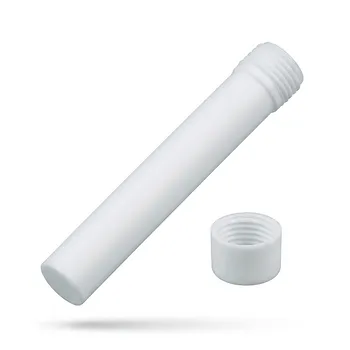
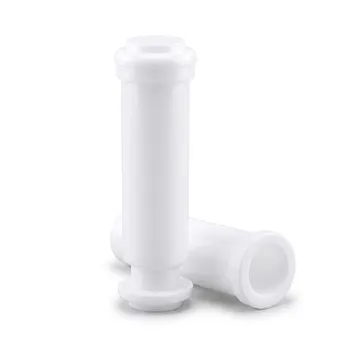
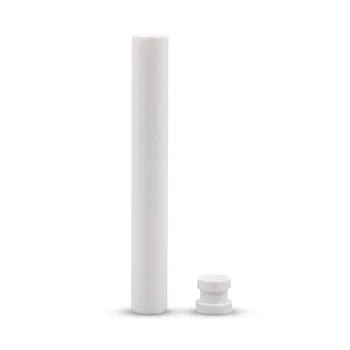
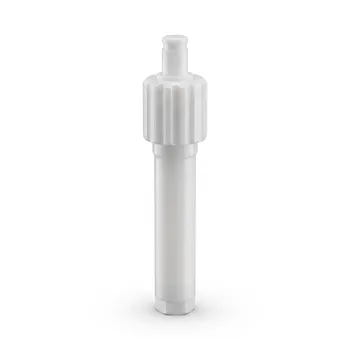
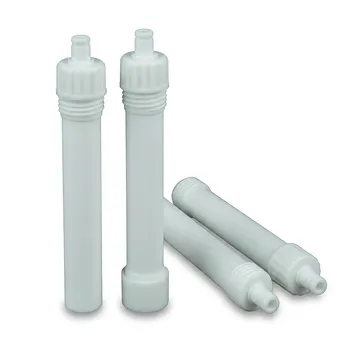
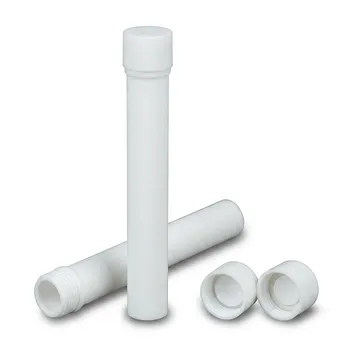
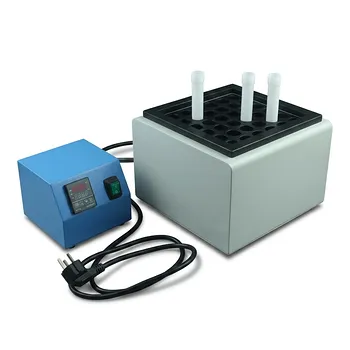
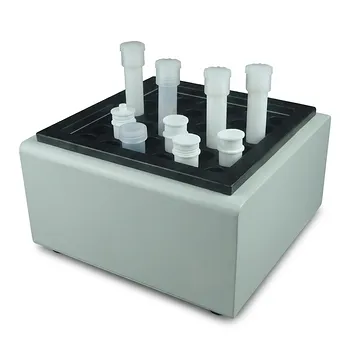
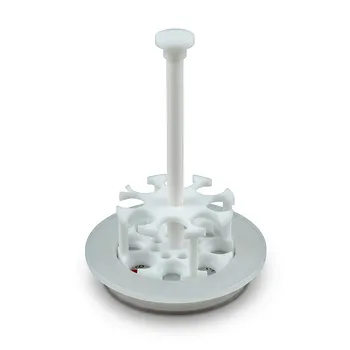
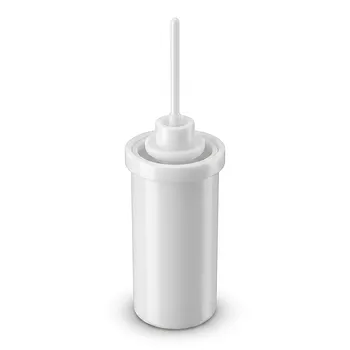
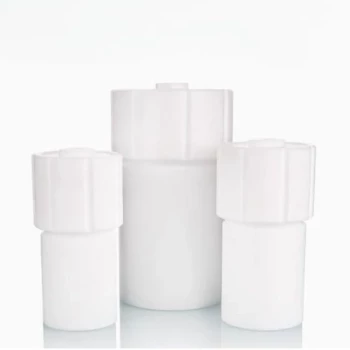
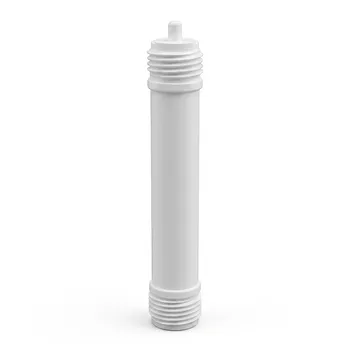
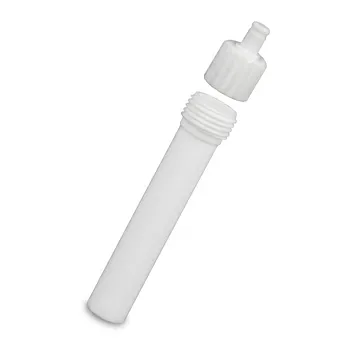
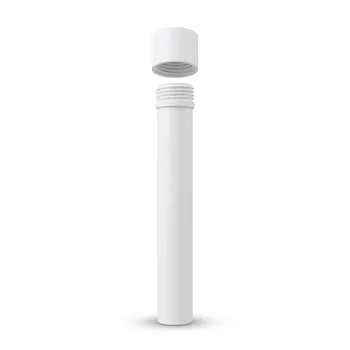
The fundamental difference lies in the architecture of the pressurized environment. Traditional systems utilize a carousel of individual, sealed vessels that rotate through a microwave field. In contrast, a Single Reaction Chamber (SRC) system employs a single, massive stainless-steel reactor that serves as both the microwave cavity and a unified pressure vessel for all samples simultaneously.
Single Reaction Chamber technology shifts microwave digestion from managing individual vessel integrity to maintaining a single, high-performance environment. This results in superior temperature and pressure capabilities while eliminating the thermal and pressure variability often found in rotor-based systems.
Rethinking the Microwave Cavity
The Unified Reactor Design
In an SRC system, a large stainless-steel reactor lined with TFM-PTFE acts as the primary containment. This design replaces the traditional microwave oven cavity and the need for individual, high-pressure plastic sleeves.
Simultaneous Uniformity
Because all sample vials are placed within the same pressurized environment, they reach the same temperature and pressure levels simultaneously. This eliminates the "leading vessel" problem where one sample's reaction rate dictates the microwave power for the entire batch.
Pre-Pressurization with Inert Gas
SRC systems are pre-pressurized with an inert gas, such as nitrogen, before the heating cycle begins. This prevents the sample solutions from boiling or foaming, allowing for higher operating limits than systems relying solely on the pressure generated by the samples themselves.
Material Capabilities and Thermal Limits
The Strength of High-Purity Quartz
SRC systems frequently utilize high-purity quartz vials, which offer exceptional mechanical strength and thermal stability. These vessels can withstand temperatures exceeding 270 degrees Celsius, making them ideal for challenging matrices like crude oil residues.
Limitations of Fluoropolymer Vessels
Traditional rotor-based systems often rely on PTFE or PFA (fluoropolymer) vessels. These materials experience a significant decline in mechanical performance once temperatures exceed 260 degrees Celsius, limiting their use for highly refractory samples.
Maintaining Sample Purity
Quartz material is preferred for high-temperature digestion because it prevents the adsorption or leaching of trace metal elements. This ensures the chemical integrity of the sample, which is critical for ultra-trace analysis in regulated industries.
Understanding the Trade-offs
Equipment Complexity and Cost
SRC systems are generally more complex and carry a higher initial capital investment than standard rotor-based systems. The high-pressure stainless-steel architecture requires robust maintenance and specialized handling compared to simpler plastic components.
Potential for Cross-Contamination
Because vials in an SRC system are often processed in a common headspace, there is a theoretical risk of cross-contamination. However, the use of pre-pressurization and specialized vial caps typically mitigates this risk in most modern laboratory workflows.
Throughput vs. Flexibility
While rotor-based systems are excellent for high-volume, routine samples of the same type, they struggle with mixed batches. SRC systems excel at processing different sample types with varying weights and acid chemistries in the same run.
Making the Right Choice for Your Goal
How to Apply This to Your Project
Selecting between these two technologies depends on your sample matrix complexity and the required detection limits of your analysis.
- If your primary focus is crude oil or refractory organic residues: Utilize an SRC system with quartz vials to achieve the necessary temperatures above 270°C without vessel failure.
- If your primary focus is routine food or environmental testing: A traditional rotor-based system may be more cost-effective for processing large volumes of similar, less-demanding matrices.
- If your primary focus is ultra-trace metal analysis: Prioritize the SRC system for its ability to use high-purity quartz, which minimizes contamination and ensures superior digestion completeness.
By choosing the system that matches your most difficult sample matrix, you ensure long-term laboratory efficiency and data reliability.
Summary Table:
| Feature | Traditional Rotor-Based System | SRC (Single Reaction Chamber) |
|---|---|---|
| Architecture | Carousel of individual, sealed vessels | Single unified stainless-steel reactor |
| Pressure Control | Managed per individual vessel | Unified pressure for all samples |
| Pre-Pressurization | No (Relies on sample reaction) | Yes (Inert gas prevents boiling) |
| Max Temperature | Typically <260°C (Fluoropolymers) | >270°C (High-purity quartz) |
| Sample Handling | Best for routine, similar matrices | Ideal for mixed batches & complex matrices |
Elevate Your Lab's Trace Analysis with KINTEK Precision
Whether you are operating advanced SRC systems or traditional rotor-based digestion, the integrity of your results depends on the quality of your laboratory supplies. KINTEK specializes in high-performance fluoropolymer materials, offering an exhaustive range of PTFE and PFA products designed to withstand the most aggressive chemical environments and extreme thermal conditions.
Our Comprehensive Solution Range Includes:
- Everyday Essentials: High-purity beakers, measuring cylinders, crucibles, dishes, and reagent bottles.
- Sample Prep & Filtration: Separatory funnels, burettes, filters, pipettes, tweezers, and spatulas.
- Fluid Management: Precision-engineered tubing, fittings, valves, and specialized cleaning/storage tanks.
- Advanced Reaction Components: Hydrothermal synthesis liners, microwave digestion vessels, and custom electrochemical cells.
- General Consumables: Stirring bars, O-rings, gaskets, and high-performance seal tapes.
Backed by end-to-end custom CNC fabrication, KINTEK is uniquely equipped to deliver everything from complex non-standard machined parts to high-volume standard orders. Ensure absolute chemical purity and long-term durability in your laboratory workflows today.
Contact KINTEK for a Custom Quote & Technical Consultation
Related Products
- High Purity TFM Microwave Digestion Vessels for Trace Analysis and Custom Sample Preparation Systems
- High Purity TFM Microwave Digestion Vessels PTFE Acid Evaporation Liners Domestic GT-400 Equivalent Laboratory Reaction Containers
- Custom High Purity TFM Microwave Digestion Vessel 100ml for Analytical Laboratory Sample Preparation
- 15 Position Customizable Microwave Digestion Vessel Rack High Purity PTFE PFA Non Stick Laboratory Sample Preparation System
- High Temperature Resistant TFM Microwave Digestion Vessel Lids for Trace Analysis and Acid Evaporation Systems
People Also Ask
- What are the advantages of using microwave digestion vessels for environmental analysis? Boost speed and sample accuracy.
- What safety features are commonly integrated into microwave digestion vessels? Ensuring High-Pressure Laboratory Safety
- How do microwave digestion vessels support pharmaceutical elemental impurity testing? Achieve Precise USP Compliance
- What materials are typically used to construct microwave digestion vessels? A Guide to PTFE, TFM, PFA, and Quartz
- What are the structural functions of the outer jacket in a microwave digestion vessel assembly? Ensure High-Pressure Safety