The transition from open-vessel hot-plate digestion to closed-vessel microwave systems represents a fundamental shift from slow, atmospheric decomposition to high-energy, pressurized mineralization. Closed-vessel microwave digestion offers superior speed, lower reagent consumption, and higher analytical accuracy by operating at temperatures and pressures far exceeding atmospheric limits. It effectively eliminates the loss of volatile elements and protects samples from environmental contamination, providing a more controlled and efficient preparation for trace metal analysis.
Core Takeaway: Closed-vessel microwave digestion is the definitive choice for modern laboratories requiring high-throughput, precision-driven sample preparation. By leveraging pressurized direct heating, it solves the dual challenges of long processing times and volatile analyte loss inherent in traditional hot-plate methods.
Thermal Efficiency and Reaction Kinetics
Overcoming Boiling Point Limitations
Closed-vessel systems allow for much higher operating temperatures, typically ranging from 180°C to 300°C. Because the vessels are sealed, internal pressure elevates the boiling point of acid reagents, which significantly accelerates oxidative decomposition.
Rapid Volumetric Heating
Unlike hot plates that rely on slow thermal conduction, microwave energy provides direct volumetric heating of the reaction liquid. This reduces digestion cycles from several hours to just tens of minutes, dramatically increasing laboratory efficiency.
Complete Matrix Mineralization
The combination of high pressure and high temperature enables the rapid and complete mineralization of complex matrices. This is particularly effective for difficult samples like sediment matrices, plant powders, and biological tissues.
Enhanced Analytical Integrity
Retention of Volatile Elements
The sealed environment of the microwave vessel prevents the escape of volatile trace elements such as Arsenic (As), Selenium (Se), Lead (Pb), and Cadmium (Cd). This ensures high recovery rates and more accurate quantification for toxicological and environmental studies.
Minimizing External Contamination
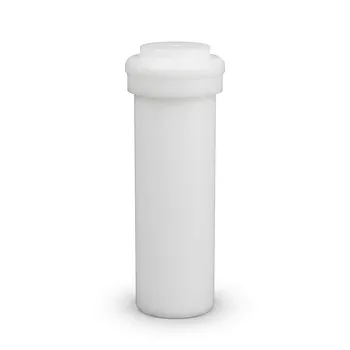
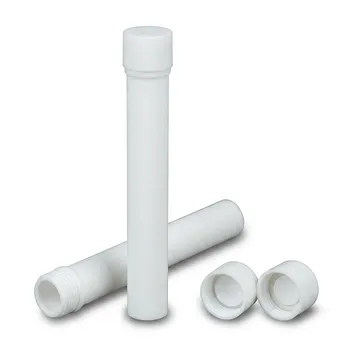
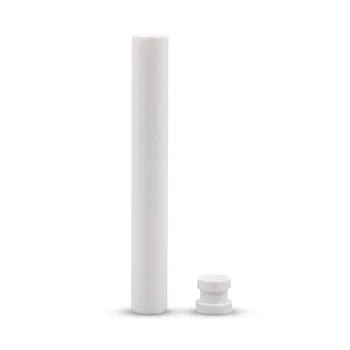
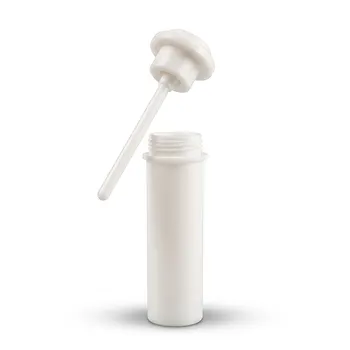
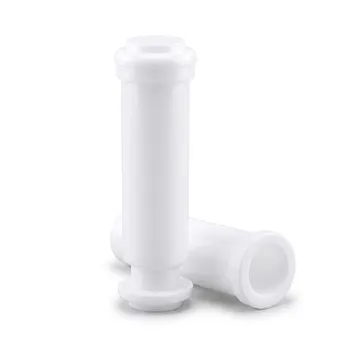
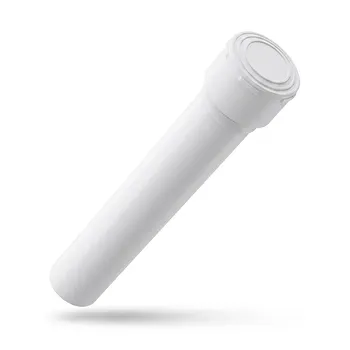
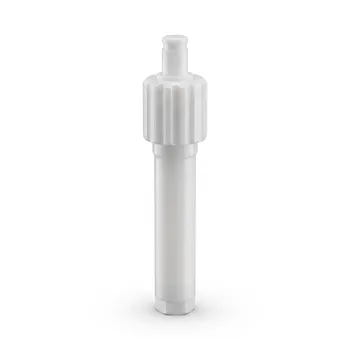
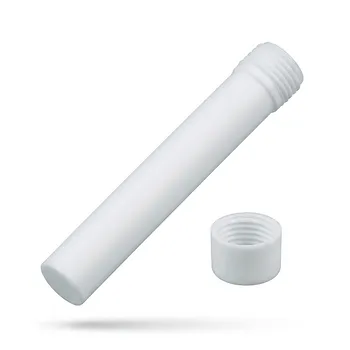
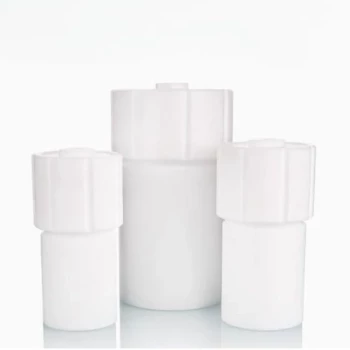
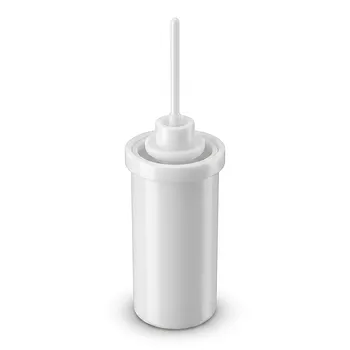
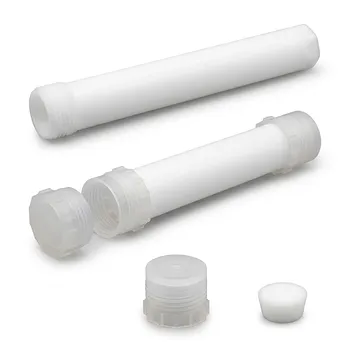
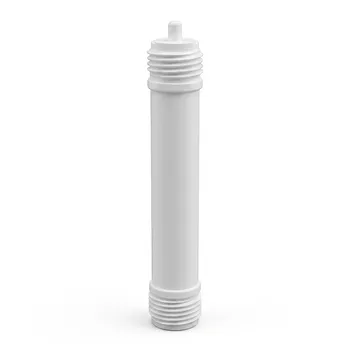
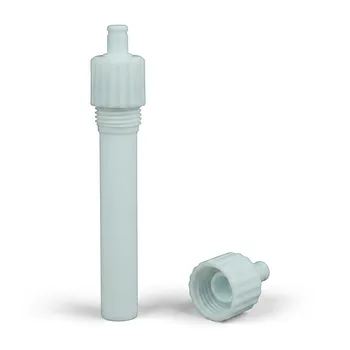
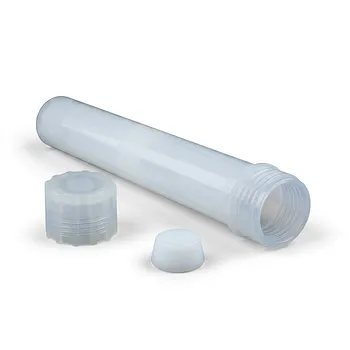
Because the digestion occurs within a closed fluoropolymer vessel (typically PFA or PTFE), the sample is shielded from atmospheric dust. This elimination of external environmental contamination is critical for achieving low detection limits in trace metal analysis.
Reduced Reagent Consumption
Microwave systems require significantly lower volumes of concentrated acid reagents compared to open-vessel methods. This not only reduces the cost of high-purity chemicals but also minimizes the analytical blank values associated with reagent impurities.
Operational Safety and Throughput
Reduced Exposure to Corrosive Fumes
Closed-vessel systems keep hazardous acid fumes contained within the vessel and the instrument’s exhaust system. This significantly reduces operator exposure to corrosive gases, creating a safer laboratory environment.
Parallel Sample Processing
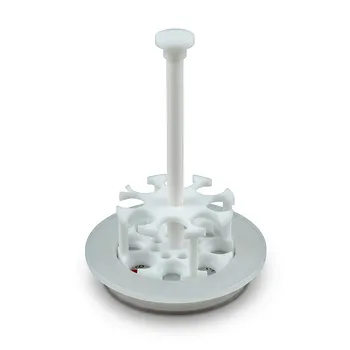
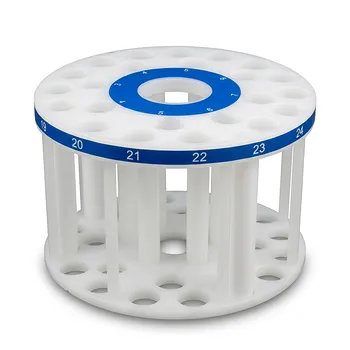
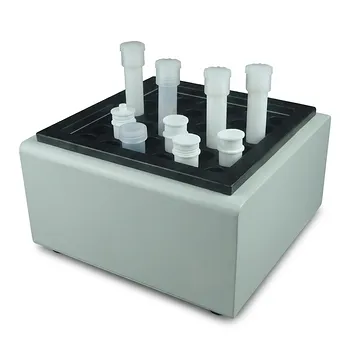
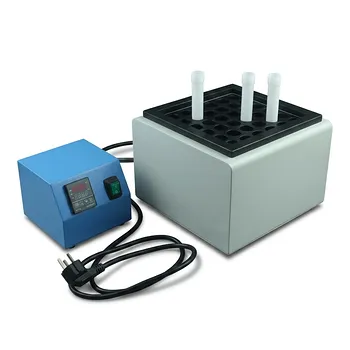
Modern microwave systems utilize rotor-based designs that allow for the simultaneous processing of multiple samples. This parallel workflow ensures higher throughput and better reproducibility across a single batch compared to manual hot-plate monitoring.
Preservation of Delicate Structures
In specific forensic or biological applications, such as the identification of diatoms in tissue, microwave digestion ensures thorough decomposition of the organic matrix. This allows for the release of intact structures without the damage often caused by prolonged open-vessel heating.
Understanding the Trade-offs
Initial Capital Investment
The most significant hurdle to adopting microwave digestion is the high initial cost of the equipment and specialized vessels. While it reduces long-term reagent costs and labor, the upfront expenditure is substantially higher than a traditional hot plate.
Method Development and Safety
Operating at high pressures requires strict adherence to safety protocols and careful method development. Users must understand the pressure-generating potential of their samples (e.g., high organic content) to prevent vessel venting or failure.
Vessel Maintenance
Fluoropolymer vessels require meticulous cleaning and maintenance to prevent cross-contamination and ensure a long service life. Over time, vessels may experience wear or "memory effects" where trace elements from previous samples linger in the plastic pores.
Making the Right Choice for Your Goal
When deciding between these two methods, consider the specific requirements of your analytical workflow:
- If your primary focus is high-precision trace analysis: Use closed-vessel microwave digestion to ensure maximum recovery of volatile elements and minimum external contamination.
- If your primary focus is high-volume throughput: Implement microwave rotors to process multiple samples simultaneously and reduce digestion times from hours to minutes.
- If your primary focus is cost-sensitive, routine analysis of stable elements: Traditional hot-plate digestion may suffice if the analytes are non-volatile and the detection limits are relatively high.
- If your primary focus is laboratory safety: Opt for closed-vessel systems to contain hazardous acid fumes and minimize manual handling of hot, open reagents.
By shifting to closed-vessel microwave digestion, laboratories can achieve a higher standard of data reproducibility while significantly modernizing their sample preparation throughput.
Summary Table:
| Feature | Closed-Vessel Microwave Digestion | Open-Vessel Hot-Plate Digestion |
|---|---|---|
| Heating Speed | Rapid (Minutes) | Slow (Hours) |
| Temperature | High (180°C - 300°C) | Limited by reagent boiling point |
| Element Recovery | High (Retains volatile As, Se, Pb) | Risk of loss through evaporation |
| Contamination | Minimal (Sealed environment) | Higher (Atmospheric exposure) |
| Reagent Use | Low (Concentrated efficiency) | High (Continuous evaporation) |
| Throughput | High (Parallel rotor processing) | Low (Manual monitoring) |
Upgrade Your Lab with High-Performance Fluoropolymer Solutions
Elevate your analytical precision with KINTEK’s premium fluoropolymer labware, specifically engineered for the rigors of pressurized microwave digestion and trace metal analysis. We specialize in PTFE and PFA components that ensure zero contamination and unmatched chemical resistance for your most sensitive workflows.
Whether you need everyday basics like beakers, crucibles, and reagent bottles, or advanced equipment such as microwave digestion vessels, hydrothermal synthesis liners, and custom electrochemical cells, KINTEK is your one-stop manufacturer. Our end-to-end custom CNC fabrication allows us to deliver everything from complex non-standard machined parts to high-volume orders of tubes, fittings, and filtration tools.
Ready to optimize your sample preparation with bespoke fluoropolymer setups?
Contact KINTEK Today to experience the reliability of high-performance materials tailored to your laboratory’s exact needs.
Related Products
- High Purity TFM Microwave Digestion Vessels for Trace Analysis and Custom Sample Preparation Systems
- High Purity PTFE Microwave Digestion Vessels for 44 Position Systems Trace Analysis Acid Digestion and Evaporation
- 15 Position Customizable Microwave Digestion Vessel Rack High Purity PTFE PFA Non Stick Laboratory Sample Preparation System
- Custom TFM Microwave Digestion Vessels for ICP-OES Analysis High Purity Fluoropolymer Sample Preparation Labware
- Custom High Purity TFM Microwave Digestion Vessel 100ml for Analytical Laboratory Sample Preparation
People Also Ask
- What are the advantages of using microwave digestion vessels for environmental analysis? Boost speed and sample accuracy.
- What safety features are commonly integrated into microwave digestion vessels? Ensuring High-Pressure Laboratory Safety
- How do microwave digestion vessels support pharmaceutical elemental impurity testing? Achieve Precise USP Compliance
- What materials are typically used to construct microwave digestion vessels? A Guide to PTFE, TFM, PFA, and Quartz
- What are the structural functions of the outer jacket in a microwave digestion vessel assembly? Ensure High-Pressure Safety