The technical superiority of microwave reaction systems in CAU-63 synthesis lies in their ability to provide instantaneous, volumetric heating that acts directly on polar solvent molecules. Unlike traditional oil baths that rely on slow thermal conduction, microwave systems significantly shorten the induction period, reducing synthesis time to just 6 hours while preventing the formation of aluminum hydroxide impurities through precise temperature feedback control.
Microwave reaction systems transform CAU-63 synthesis from a slow, conduction-dependent process into a precision-controlled event. By delivering uniform energy directly to the reaction medium, these systems ensure high crystallinity and phase purity that traditional methods struggle to replicate.
The Mechanics of Volumetric Heating
Direct Energy Transfer to Polar Solvents
Microwave systems utilize electromagnetic waves to interact directly with the polar molecules within the reaction solution. This bypasses the need for a container-to-liquid thermal interface, allowing energy to be absorbed instantaneously throughout the entire volume.
Eliminating the Thermal Gradient
Traditional oil baths create a thermal gradient, where the solution near the vessel walls is significantly hotter than the center. Microwave radiation provides a uniform thermal field distribution, ensuring that every part of the CAU-63 precursor solution reaches the required temperature simultaneously.
Impact on Reaction Kinetics and Purity
Rapid Nucleation and Crystal Growth
The high heating rates provided by microwave energy significantly accelerate the hydrothermal reaction process. This efficiency shortens the induction period, allowing high-crystallinity CAU-63 powders to grow within 6 hours, a process that typically takes much longer via conventional heating.
Preventing Aluminum Hydroxide Impurities
Precise temperature feedback control is a critical technical advantage that prevents local overheating. By maintaining a stable environment, microwave systems minimize the formation of byproducts, specifically aluminum hydroxide impurities, which often compromise the quality of CAU-63.
Precise Morphological Control
Beyond speed, microwave-assisted systems allow for accurate regulation of the physicochemical environment. This level of control is essential for obtaining high-purity crystal structures and can even influence the size and shape of hybrid particles within the matrix.
Understanding the Trade-offs
Solvent Sensitivity and Coupling
The effectiveness of microwave heating is strictly dependent on the dielectric properties of the solvent. If a synthesis requires non-polar solvents, the "coupling" effect is weakened, which may necessitate the use of susceptors or specialized additives to achieve the desired temperature.
Equipment Complexity and Cost
While an oil bath is a simple, low-cost tool, microwave reaction systems require sophisticated hardware and sensors. The initial investment and the need for specialized pressure vessels designed for microwave transparency represent a higher barrier to entry for some laboratories.
How to Apply This to Your Project
When deciding whether to transition from traditional heating to a microwave-based system for CAU-63 or similar frameworks, consider your specific production priorities.
- If your primary focus is rapid throughput: Utilize microwave systems to reduce your synthesis window to the 6-hour range while maintaining high crystallinity.
- If your primary focus is phase purity: Leverage the precise temperature feedback of microwave units to eliminate aluminum hydroxide and other thermal degradation byproducts.
- If your primary focus is morphological precision: Use the uniform thermal field of microwave radiation to ensure consistent particle size and shape across your entire batch.
Transitioning to microwave synthesis provides the thermal precision necessary to master the complex crystallization requirements of CAU-63.
Summary Table:
| Feature | Microwave Reaction Systems | Traditional Oil Bath Heating |
|---|---|---|
| Heating Method | Volumetric (Direct molecular interaction) | Thermal Conduction (Surface to core) |
| Synthesis Time | Reduced to ~6 hours | Significantly longer induction period |
| Thermal Gradient | Uniform thermal field distribution | High gradient (hotter near vessel walls) |
| Impurity Control | Prevents aluminum hydroxide formation | Risk of local overheating/byproducts |
| Morphological Control | High precision via feedback sensors | Difficult to regulate precisely |
Elevate Your Synthesis Precision with KINTEK
To achieve high-purity results in CAU-63 preparation and beyond, your laboratory requires hardware that can withstand demanding hydrothermal environments. KINTEK specializes in high-performance fluoropolymer solutions, manufacturing virtually all imaginable laboratory supplies from PTFE and PFA.
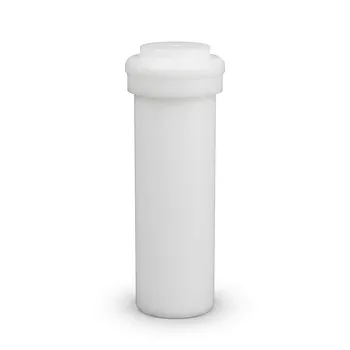
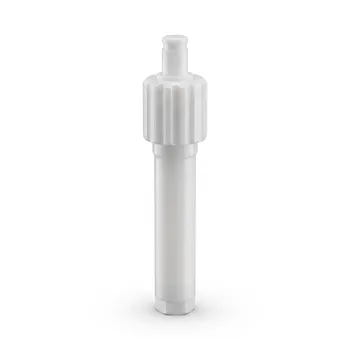
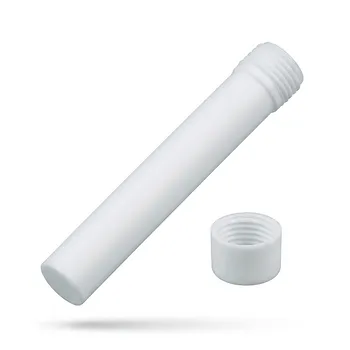
From microwave digestion vessels and microchannel reactors to essential labware like high-purity reagent bottles, digestion tubes, and custom-machined fluid transfer components, we ensure your research is backed by material excellence. Whether you need standard labware or bespoke, CNC-fabricated reaction apparatus tailored to your specific microwave system, our expert team is ready to deliver.
Ready to optimize your lab's performance? Contact KINTEK Today for Custom Solutions
References
- Lasse Wegner, Norbert Stock. CAU-63, an Ultramicroporous Al-MOF with a Honeycomb-Shaped 2D IBU. DOI: 10.1021/acs.inorgchem.5c03315
This article is also based on technical information from Kintek Knowledge Base .
Related Products
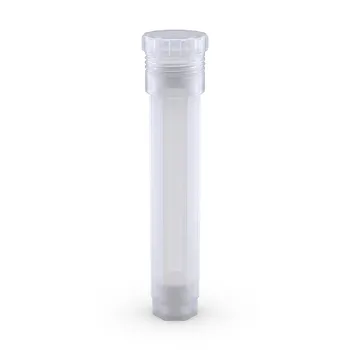
- High Purity TFM Microwave Digestion Vessels for Trace Analysis and Custom Sample Preparation Systems
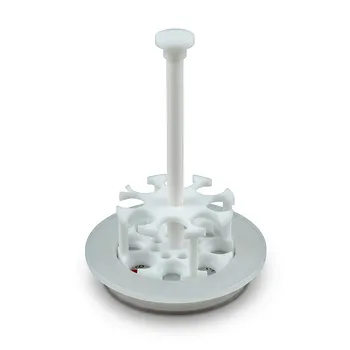
- High Temperature Resistant TFM Microwave Digestion Vessel Lids for Trace Analysis and Acid Evaporation Systems
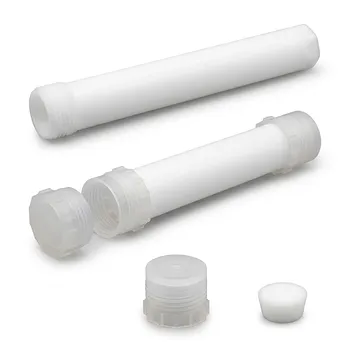
- High Purity PTFE Microwave Digestion Vessel Replacement for GT-400 Systems Acid Reflux and Sample Preparation
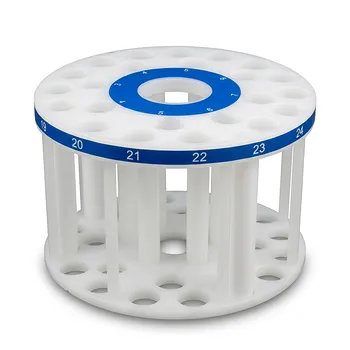
- High Purity TFM Microwave Digestion Vessels PTFE Acid Evaporation Liners Domestic GT-400 Equivalent Laboratory Reaction Containers
- High Performance PTFE Microwave Digestion Vessel Replacement Bespoke Fluoropolymer Acid Digestion Tank Intelligent Sample Preparation Labware
People Also Ask
- What safety features are commonly integrated into microwave digestion vessels? Ensuring High-Pressure Laboratory Safety
- What are the advantages of using microwave digestion vessels for environmental analysis? Boost speed and sample accuracy.
- What are the advantages of using microwave digestion vessels? Optimize EG@MO synthesis with superior thermal control.
- How do microwave digestion vessels support pharmaceutical elemental impurity testing? Achieve Precise USP Compliance
- What materials are typically used to construct microwave digestion vessels? A Guide to PTFE, TFM, PFA, and Quartz