Direct microwave radiation fundamentally alters the kinetics of cellulose depolymerization by interacting with the material at a molecular level rather than relying on external thermal gradients. This method increases the hydrolysis rate of cellulose to glucose by approximately 2.3 times compared to traditional methods. The primary technical advantage lies in its ability to induce localized rotation of $CH_2OH$ groups, effectively turning the cellulose molecules into internal heat sources.
Core Takeaway: Direct microwave radiation bypasses the thermal resistance of cellulose by creating a "molecular radiator effect," which lowers the energy barrier for softening and significantly accelerates the conversion to glucose with superior energy efficiency.
The Molecular Mechanism of Microwave Interaction
Localized Rotation of Functional Groups
Unlike convection, which heats the surface and relies on slow thermal diffusion, microwaves interact directly with the $CH_2OH$ groups in the cellulose structure. This interaction induces rapid localized rotation of these specific groups.
The Molecular Radiator Effect
This localized rotation creates what is known as a molecular radiator effect. Instead of the material waiting for heat to arrive from an external source, the energy is generated internally and uniformly throughout the molecular matrix.
Reducing Softening Resistance
At temperatures around 180°C, cellulose typically presents significant structural resistance to softening. Microwave radiation specifically targets this barrier, reducing the difficulty of structural breakdown and facilitating a more fluid transition during the hydrolysis process.
Quantifiable Performance Gains over Traditional Heating
Accelerating the Hydrolysis Rate
The most significant technical metric is the 2.3-fold increase in the rate of hydrolysis from cellulose to glucose. This surge in productivity allows for much higher throughput in chemical processing environments.
Enhanced Energy Efficiency
Traditional heating methods, such as conduction via Silicon Carbide (SiC) vessels, suffer from significant energy loss to the environment and the vessel itself. Direct radiation focuses energy solely on the biomass, leading to higher energy efficiency.
Shorter Reaction Windows
The combination of internal heat generation and lowered softening barriers results in significantly shorter reaction times. This speed reduces the degradation of glucose into unwanted byproducts, which is a common issue in prolonged thermal processing.
Understanding the Trade-offs and Challenges
Equipment and Scalability Costs
While direct microwave radiation is more energy-efficient during the reaction, the initial capital expenditure for industrial-scale microwave reactors is often higher than traditional kilns or steam-based systems.
Material Penetration Limits
Microwaves have a specific penetration depth that can vary based on the moisture content and density of the cellulose. If the biomass bed is too thick, the "direct" benefits may be lost, leading to uneven heating profiles.
Precise Temperature Control
Because microwave heating is volumetric and rapid, there is a risk of thermal runaway if not monitored correctly. Achieving the precise 180°C threshold requires sophisticated sensor integration to prevent over-processing.
Applying Microwave Technology to Your Process
Choosing the right heating method depends on your specific production scale and the desired purity of your glucose output.
- If your primary focus is Maximum Throughput: Implement direct microwave radiation to leverage the 2.3x hydrolysis rate and significantly reduce batch cycle times.
- If your primary focus is Energy Optimization: Transition from conduction-based SiC vessels to direct radiation to minimize thermal waste and concentrate energy on the $CH_2OH$ molecular rotation.
- If your primary focus is High-Purity Glucose: Use the shorter reaction times afforded by microwaves to prevent the thermal decomposition of glucose that occurs during long convection heating cycles.
By targeting the molecular structure directly, microwave radiation eliminates the traditional thermal bottlenecks of cellulose processing.
Summary Table:
| Feature | Microwave Radiation | Traditional Convection |
|---|---|---|
| Heating Mechanism | Internal (Molecular Radiator) | External (Thermal Diffusion) |
| Hydrolysis Speed | 2.3x Faster | Baseline |
| Energy Efficiency | High (Targeted Molecular Action) | Low (Thermal Waste to Environment) |
| Softening Barrier | Reduced via $CH_2OH$ Rotation | High Structural Resistance |
| Reaction Time | Significantly Shorter | Longer (Risk of Byproducts) |
Elevate Your Chemical Processing with KINTEK’s Fluoropolymer Expertise
Optimizing microwave-assisted depolymerization requires materials that can withstand aggressive hydrolysis environments while remaining microwave-transparent. KINTEK provides an exhaustive range of high-performance PTFE and PFA laboratory supplies, specifically designed for high-purity trace analysis and advanced reaction setups.
From essential microwave digestion vessels, beakers, and reagent bottles to complex custom CNC-machined components and fluid transfer systems (tubing, valves, and fittings), we deliver the durability and precision your research demands. Whether you need standard labware or bespoke reaction apparatus and electrochemical cells, our end-to-end fabrication ensures your equipment meets the highest performance standards.
Ready to maximize your hydrolysis throughput? Contact our technical team today to source the high-performance fluoropolymer tools needed to accelerate your molecular innovations.
References
- Nick Sweygers, Lise Appels. Microwave effects in the dilute acid hydrolysis of cellulose to 5-hydroxymethylfurfural. DOI: 10.1038/s41598-018-26107-y
This article is also based on technical information from Kintek Knowledge Base .
Related Products
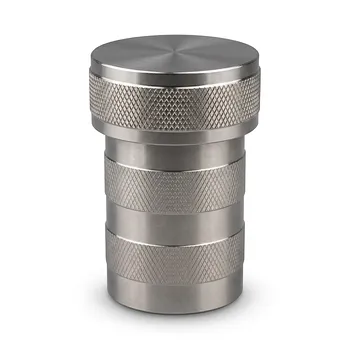
- High Temperature Corrosion Resistant Hydrothermal Synthesis Reactor with TFM Inner Liner and Straight Cylinder Design
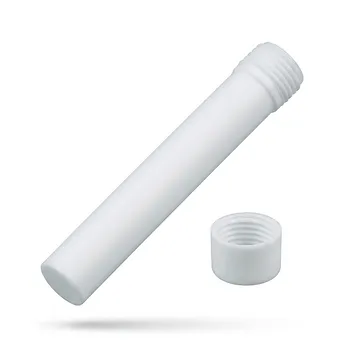
- High Purity TFM Microwave Digestion Vessels PTFE Acid Evaporation Liners Domestic GT-400 Equivalent Laboratory Reaction Containers
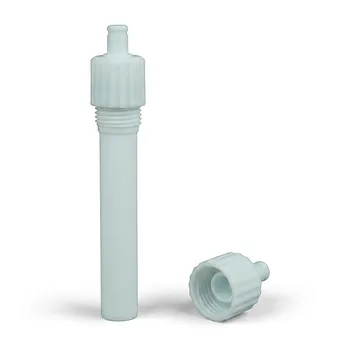
- High Performance PTFE Microwave Digestion Vessel Replacement Bespoke Fluoropolymer Acid Digestion Tank Intelligent Sample Preparation Labware
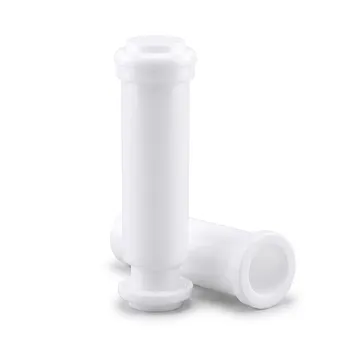
- Custom High Purity TFM Microwave Digestion Vessel 100ml for Analytical Laboratory Sample Preparation
- High Purity PTFE Microwave Digestion Vessel Replacement for GT-400 Systems Acid Reflux and Sample Preparation
People Also Ask
- What is the role of a corrosion-resistant reactor in the synthesis of lignin-based carbon dots? Ensure Maximum Purity
- What are the technical advantages of using hydrothermal synthesis reactors for advanced electronic & optical nanomaterials?
- How does a hydrothermal synthesis reactor facilitate the production of crystalline materials with tailored morphologies? Precision Crystal Growth
- Why is the sealing reliability of a hydrothermal synthesis reactor critical for 24-hour cycles? Ensure Nano-Precision
- What role do hydrothermal synthesis reactors play in CQD preparation? Achieve High-Purity Nanomaterial Synthesis