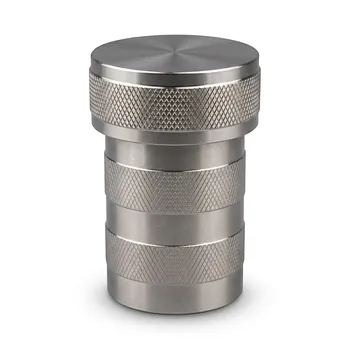
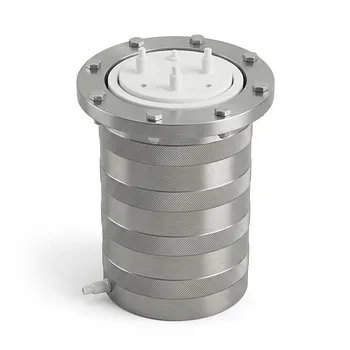
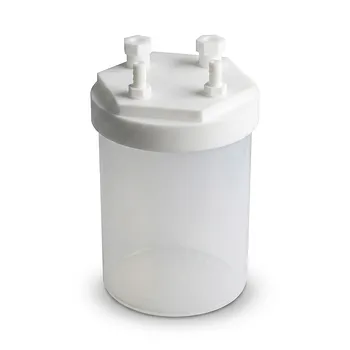
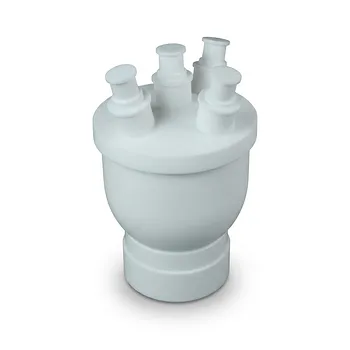
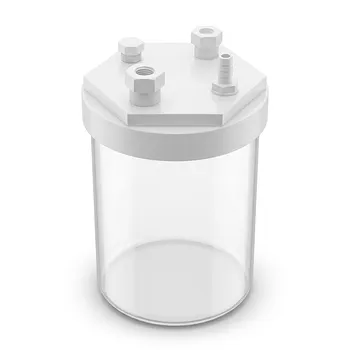
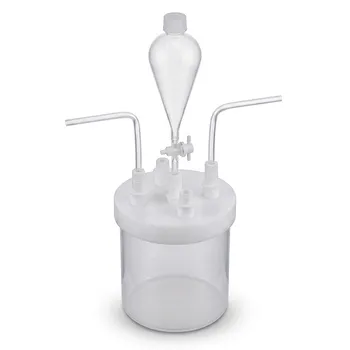
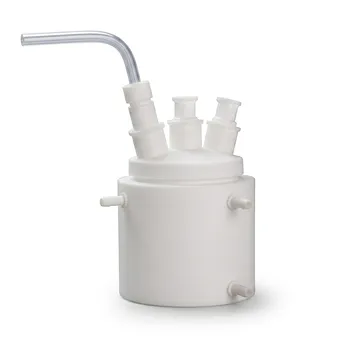
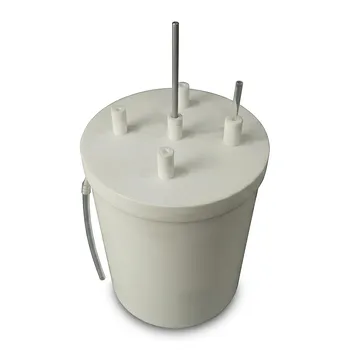
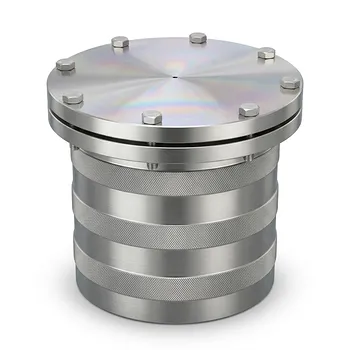
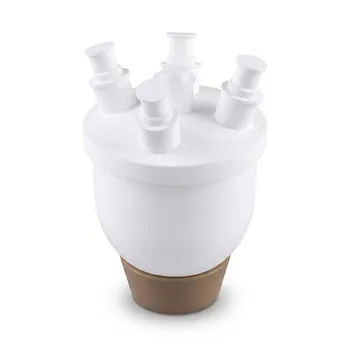
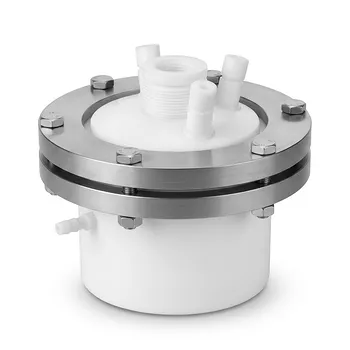
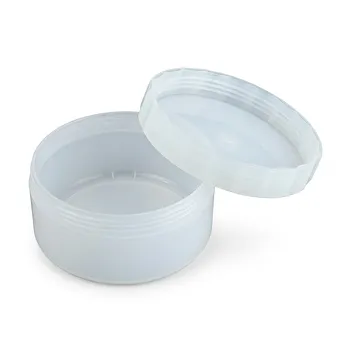
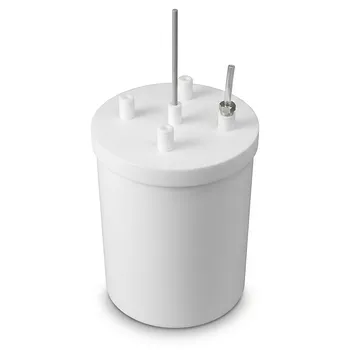
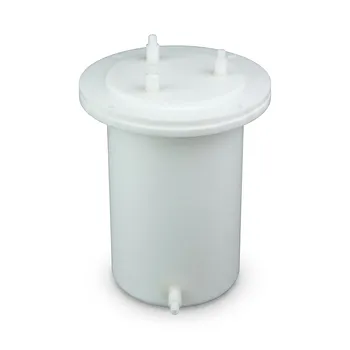
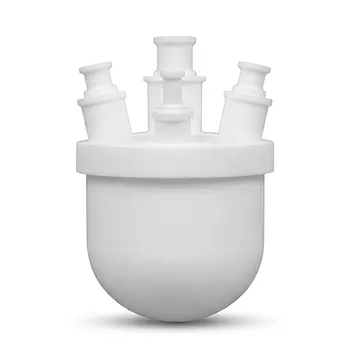
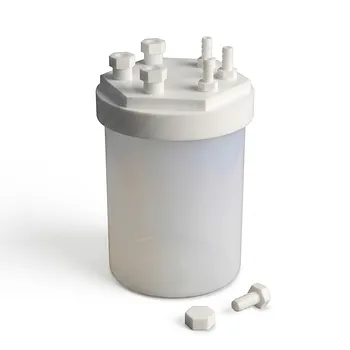
The corrosion-resistant reactor acts as the essential high-pressure crucible for transforming lignin precursors into functional carbon dots. In the hydrothermal synthesis of pyrolytic lignin-based carbon dots, this reactor provides a sealed, stable environment that withstands the 200°C temperatures and high pressures necessary for the dehydration, polymerization, and carbonization of lignin molecules. Most importantly, its chemical resistance prevents the leaching of metallic impurities that would otherwise degrade the carbon dots' optical properties.
A corrosion-resistant hydrothermal reactor is critical for creating a stable, high-pressure environment that facilitates the structural evolution of lignin while maintaining chemical purity. This isolation ensures the resulting carbon dots achieve high crystallinity and fluorescence without interference from external contaminants.
Facilitating Structural Transformation Under Extreme Conditions
Achieving High-Pressure Carbonization
The reactor provides a sealed high-temperature and high-pressure environment that is physically impossible to achieve in open-air systems. This pressure significantly enhances the reactivity of the aqueous solvent, allowing it to penetrate the complex structure of pyrolytic lignin.
By maintaining temperatures typically reaching 200°C, the reactor provides the thermal energy required to break chemical bonds and initiate the formation of carbon nuclei. This controlled environment is what allows biomass-based precursors to transition into nanoscale Carbon Quantum Dots (CQDs).
Driving Sequential Chemical Evolutions
The hydrothermal process within the reactor facilitates three critical structural stages: dehydration, polymerization, and carbonization. These steps are necessary to convert lignin’s disordered molecular structure into a more ordered carbon framework.
The reactor also enables passivation reactions, which involve the formation of specific surface functional groups. These groups are vital for the "quantum size effects" that give carbon dots their unique electronic and optical characteristics.
Safeguarding Optical Properties and Purity
Preventing Fluorescence Quenching
One of the most critical roles of a corrosion-resistant reactor is the prevention of metallic impurity introduction. Even trace amounts of metal ions leached from a standard vessel can "quench" the fluorescence of carbon dots, rendering them useless for imaging or sensing.
By using materials like PTFE (Teflon) or PFA liners, the reactor ensures that the reaction remains chemically inert. This extreme low-metal-leaching characteristic is essential for maintaining the high quantum yield of the synthesized dots.
Resistance to Corrosive Chemical Reagents
Hydrothermal synthesis often requires extreme pH adjustments to tune the size and properties of the carbon dots. Researchers may add strong bases like Sodium Hydroxide (NaOH) to increase yield or strong acids like Nitric Acid (HNO3) for oxidative treatment.
A standard reactor would degrade rapidly under these conditions, but a corrosion-resistant design withstands these aggressive reagents. This allows for a wider range of chemical modifications without compromising the integrity of the reactor or the purity of the final product.
Understanding the Trade-offs
Material Limitations at High Temperatures
While PTFE and PFA liners are excellent for corrosion resistance, they have strict thermal limits. Exceeding their rated temperature can cause the liner to soften or deform, leading to seal failure or potential safety hazards.
Pressure Management and Safety
The high pressures generated during hydrothermal synthesis provide the necessary reaction kinetics but also require rigorous safety protocols. Using a reactor with insufficient pressure strength or a compromised seal can result in explosive decompression during the carbonization process.
Heating and Cooling Rates
The thick walls of high-pressure, corrosion-resistant reactors create thermal lag. This means the internal reaction temperature may take significant time to reach the set point and just as long to cool down, which can lead to over-carbonization if not carefully monitored.
How to Apply This to Your Project
When selecting or operating a reactor for the synthesis of pyrolytic lignin-based carbon dots, consider your specific experimental priorities:
- If your primary focus is maximum fluorescence and purity: Prioritize a reactor equipped with high-quality PFA or PTFE liners to eliminate the possibility of metallic ion leaching and fluorescence quenching.
- If your primary focus is high crystallinity and structural integrity: Ensure the reactor is rated for sustained high-pressure operation at 200°C or higher to facilitate thorough carbonization and nucleation.
- If your primary focus is chemical tuning via pH adjustment: Select a reactor specifically tested for resistance to strong oxidative acids or concentrated bases to prevent vessel degradation during the hydrothermal process.
Choosing the right corrosion-resistant environment is not just about safety; it is the fundamental requirement for achieving the precise chemical evolution necessary for high-performance carbon dots.
Summary Table:
| Feature | Role in Synthesis | Impact on Carbon Dots |
|---|---|---|
| High-Pressure Seal | Facilitates reactions at 200°C+ | Drives carbonization and nucleation |
| Fluoropolymer Liner | Prevents metallic ion leaching | Maintains high fluorescence & quantum yield |
| Chemical Inertness | Withstands strong acids (HNO3) & bases | Allows for precise structural & pH tuning |
| Thermal Stability | Provides a stable reaction environment | Ensures uniform particle size distribution |
Elevate Your Synthesis with KINTEK Fluoropolymer Expertise
Achieving high-performance carbon dots requires an environment free from metallic contamination. KINTEK specializes in high-performance fluoropolymer solutions, manufacturing virtually every laboratory supply imaginable from PTFE and PFA.
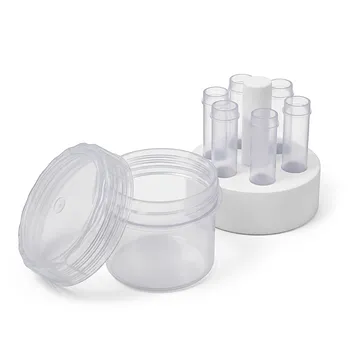
From everyday basic labware (beakers, bottles, and digestion tubes) to advanced hydrothermal synthesis liners, microwave digestion vessels, and custom-machined reaction apparatus, we provide the inert environment your research demands. Our end-to-end custom CNC fabrication allows us to deliver everything from complex non-standard parts to high-volume orders with absolute precision.
Ensure your carbon dots reach their full optical potential. Contact KINTEK today to discuss your custom laboratory setup!
References
- Rosinaldo Rabelo Aparício, Pedro Henrique González de Cademartori. Pyrolytic Lignin: A Promising Precursor for the Green Synthesis of Fluorescent Carbon Nanoparticles. DOI: 10.1021/acsomega.4c09764
This article is also based on technical information from Kintek Knowledge Base .
Related Products
- High Temperature Corrosion Resistant Hydrothermal Synthesis Reactor with TFM Inner Liner and Straight Cylinder Design
- High Pressure Custom TFM Reactor Stainless Steel Outer Vessel PTFE Inner Cup for Corrosive Synthesis
- Customizable PFA Reaction Tank 6L High Purity Corrosion Resistant Reaction Bottle for New Material Synthesis and Chemical Processing
- Custom PTFE Reaction System with Hose Barb Fittings Corrosion Resistant High Sealing 2L 4L Lab Reactor with Separatory Funnel
- Customizable Polytetrafluoroethylene PTFE Reactor and Corrosion Resistant Teflon Flask
People Also Ask
- What are the technical advantages of using hydrothermal synthesis reactors for advanced electronic & optical nanomaterials?
- How does a hydrothermal synthesis reactor facilitate the production of crystalline materials with tailored morphologies? Precision Crystal Growth
- Why is the sealing reliability of a hydrothermal synthesis reactor critical for 24-hour cycles? Ensure Nano-Precision
- What role do hydrothermal synthesis reactors play in CQD preparation? Achieve High-Purity Nanomaterial Synthesis
- What is a hydrothermal synthesis reactor and what are its primary functions in material research? Master Nano-Synthesis