Microwave-assisted hydrothermal systems revolutionize LiFePO4 synthesis by utilizing electromagnetic waves to achieve direct volumetric heating. This method eliminates the temperature gradients inherent in traditional hydrothermal processes, resulting in significantly faster crystallization times and superior control over nanomaterial morphology.
By transitioning from slow thermal conduction to rapid molecular coupling, microwave-assisted systems enable the production of LiFePO4 with smaller, more uniform particles. This precision directly enhances lithium-ion diffusion kinetics, which is critical for high-performance battery applications.
The Physics of Rapid Synthesis
Volumetric vs. Conductive Heating
Traditional hydrothermal methods rely on thermal conduction from the vessel walls to the reaction medium, creating unavoidable temperature gradients. Microwave-assisted systems utilize electromagnetic waves to act directly on the reaction medium, heating the entire volume simultaneously.
Accelerated Nucleation and Growth
The direct coupling of microwave energy with reactant molecules provides extremely fast heating rates. This efficient energy transfer triggers the reduction of metal ions and completes the nucleation process in a fraction of the time required by conventional methods.
Eliminating Thermal Gradients
Because the heating is volumetric, the reaction environment remains uniform throughout the vessel. This uniformity ensures that all particles experience the same thermal history, leading to highly consistent product quality and phase purity.
Superior Control Over Nanostructure
Precise Morphology Regulation
Microwave systems allow for the precise regulation of product crystallinity and porosity by accurately controlling temperatures under relatively mild conditions. This facilitates the formation of controlled nanostructures, such as nanosheets or nanospheres, which are difficult to achieve with slow heating.
Smaller Particle Size and Distribution
The rapid reaction speed effectively prevents the overgrowth and agglomeration of nanoparticles. This results in smaller particle sizes and narrower size distributions, which are essential for increasing the specific surface area of the cathode material.
Enhanced Diffusion Kinetics
By producing high-quality nanocrystals with optimized morphologies, these systems significantly enhance lithium-ion diffusion kinetics. This improvement is vital for the rate capability and overall electrochemical activity of the LiFePO4 material.
Operational and Economic Advantages
Dramatic Reduction in Cycle Times
Processes that typically take hours or even days in conventional hydrothermal reactors can often be completed in just a few minutes to an hour. This throughput increase allows for faster R&D cycles and higher production rates.
Superior Energy Efficiency
Because the energy is delivered directly to the reactants rather than heating the entire furnace or reactor body, energy loss is minimized. This makes microwave-assisted synthesis a more sustainable and cost-effective approach for nanomaterial preparation.
High Purity and Reduced Side Products
The rapid, uniform heating mechanism helps maintain high crystallinity while effectively reducing the formation of unwanted side products. This ensures that the final LiFePO4 material meets the stringent purity standards required for battery manufacturing.
Understanding the Trade-offs
Equipment and Scalability Challenges
While microwave systems offer technical advantages, they often involve higher initial capital costs compared to simple traditional autoclaves. Additionally, scaling these systems requires careful engineering to ensure uniform microwave penetration in larger volumes.
Penetration Depth Limits
Microwaves have a limited penetration depth depending on the dielectric properties of the reaction medium. In very large reactors, this can lead to non-uniform heating if the system is not properly designed with stirring or specific wave-guiding geometries.
Pressure Management
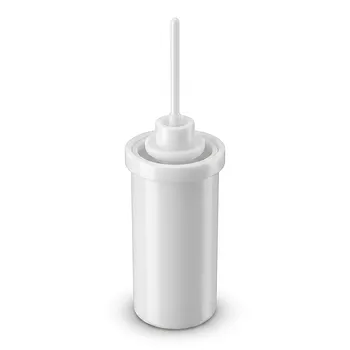
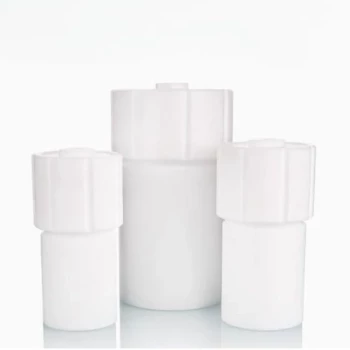
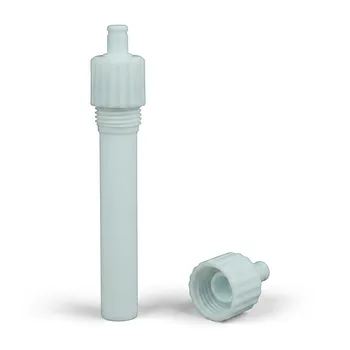
Hydrothermal reactions generate significant internal pressure, and combining this with rapid microwave heating requires specialized, microwave-transparent pressure vessels. These materials must be both chemically inert and mechanically robust, adding a layer of complexity to the system design.
Making the Right Choice for Your Goal
How to Apply This to Your Project
- If your primary focus is high-rate performance: Utilize microwave-assisted synthesis to minimize particle size and maximize the surface-to-volume ratio for faster ion transport.
- If your primary focus is production throughput: Implement microwave systems to reduce reaction cycles from hours to minutes, significantly increasing your daily output.
- If your primary focus is material consistency: Leverage the uniform volumetric heating of microwaves to eliminate batch-to-batch variations caused by thermal gradients.
The shift to microwave-assisted hydrothermal synthesis empowers engineers to produce LiFePO4 nanomaterials with unprecedented precision, speed, and efficiency.
Summary Table:
| Feature | Traditional Hydrothermal | Microwave-Assisted Hydrothermal |
|---|---|---|
| Heating Mechanism | Thermal conduction (Surface to core) | Volumetric coupling (Direct molecular heating) |
| Reaction Time | Hours to Days | Minutes to 1 Hour |
| Temperature Uniformity | High gradients; non-uniform | Uniform; no thermal gradients |
| Morphology Control | Limited; prone to agglomeration | Precise; smaller, uniform particle size |
| Energy Efficiency | Low (heats vessel & furnace) | High (direct energy transfer to medium) |
| Lithium Diffusion | Standard | Enhanced kinetics via high-quality crystals |
Elevate Your Battery Material Research with KINTEK
To achieve the precision required for high-performance LiFePO4 synthesis, you need reaction vessels and components that can withstand extreme conditions. KINTEK specializes in high-performance fluoropolymer solutions tailored for advanced research.
Whether you need microwave-transparent digestion vessels, high-purity PFA reaction liners, or custom-machined PTFE components, our end-to-end CNC fabrication ensures your lab setups meet exact specifications. From standard labware like beakers and crucibles to advanced electrochemical cells and bespoke reactor parts, we deliver the durability and chemical inertness your materials demand.
Ready to optimize your synthesis process? Contact our fluoropolymer experts today to discuss your custom laboratory requirements!
References
- N.U. Kalugade, G. M. Lohar. Machine Learning Analysis of Hydrothermally Synthesized LiFePO<sub>4</sub> for Lithium‐Ion Battery. DOI: 10.1002/bte2.20250021
This article is also based on technical information from Kintek Knowledge Base .
Related Products
- Custom TFM Microwave Digestion Vessels for ICP-OES Analysis High Purity Fluoropolymer Sample Preparation Labware
- High Temperature Resistant TFM Microwave Digestion Vessel Lids for Trace Analysis and Acid Evaporation Systems
- High Purity TFM Microwave Digestion Vessels for Trace Analysis and Custom Sample Preparation Systems
- Customizable Graphite Digestion System Acid Removal Instrument with Corrosion Resistant Coating for Microwave Vessels
- Custom High Purity TFM Microwave Digestion Vessel 100ml for Analytical Laboratory Sample Preparation
People Also Ask
- What safety features are commonly integrated into microwave digestion vessels? Ensuring High-Pressure Laboratory Safety
- What are the advantages of using microwave digestion vessels for environmental analysis? Boost speed and sample accuracy.
- What are the advantages of using microwave digestion vessels? Optimize EG@MO synthesis with superior thermal control.
- How do microwave digestion vessels support pharmaceutical elemental impurity testing? Achieve Precise USP Compliance
- Which safety mechanisms are typically integrated into high-precision microwave digestion vessels? A Complete Safety Guide