Industrial microwave reaction systems serve as a precision-controlled heating platform that fundamentally alters the nucleation and growth phases of iridium-based catalysts. By utilizing volumetric heating rather than surface-level conduction, these systems enable the synthesis of quasi-amorphous iridium oxyhydroxide with high specific surface areas and optimized oxidation states. This results in superior catalytic activity for the Oxygen Evolution Reaction (OER) compared to traditional thermal methods.
Core Takeaway: Industrial microwave systems enable the production of high-performance OER catalysts by providing instantaneous, uniform energy distribution that "freezes" iridium into highly active, quasi-amorphous states with precise electronic configurations.
The Mechanism of Volumetric Heating
Achieving Uniform Temperature Distribution
Traditional heating methods rely on conduction, where heat travels from the outside of a vessel inward, often creating significant temperature gradients. Industrial microwave systems deliver energy directly to the precursor solution, ensuring that the entire volume reaches the target temperature simultaneously.
This uniform heating environment is critical when working with precursors like potassium hexachloroiridate and potassium hydroxide. It ensures that every part of the solution undergoes the same chemical transformation at the same time.
Accelerating Nucleation and Growth Kinetics
The rapid energy transfer of microwave radiation allows for a much faster transition from precursor to solid catalyst. This speed provides precise control over the kinetics of the reaction, allowing manufacturers to stop the process at specific stages of crystal development.
By accelerating the initial nucleation phase while limiting the growth phase, these systems prevent the formation of large, inactive particles. This results in the high specific surface area required for efficient electrolysis.
Structural and Electronic Advantages
Formation of Quasi-Amorphous Structures
One of the primary roles of microwave synthesis is the creation of quasi-amorphous iridium oxyhydroxide. Unlike highly crystalline structures, these quasi-amorphous forms often possess a higher density of active sites for the oxygen evolution reaction.
The rapid "quench-like" effect of microwave heating prevents the long-range atomic ordering found in traditional calcination. This creates a disordered surface structure that is exceptionally effective at facilitating OER.
Optimization of Iridium Oxidation States
The specific distribution of iridium oxidation states is a key driver of catalytic efficiency. Microwave radiation influences the thermodynamic environment of the reaction, favoring the formation of specific electronic states that lower the energy barrier for OER.
This precise electronic tuning is difficult to achieve with conventional methods. The microwave process ensures that the resulting composite materials have the electrical conductivity and reactivity necessary for industrial-scale water splitting.
Understanding the Trade-offs and Limitations
Equipment and Scale-up Complexity
While microwave systems offer superior control, the transition from laboratory to industrial scale presents challenges. Microwave penetration depth is limited, meaning that very large reaction vessels may require complex internal designs to maintain heating uniformity.
Furthermore, the initial investment for high-power industrial microwave equipment is significantly higher than that for standard thermal reactors. Operators must balance the increased catalyst performance against these higher capital expenditures.
Material Compatibility and Safety
Not all solvents or precursor materials respond equally to microwave radiation. The dielectric properties of the solution must be carefully managed to ensure efficient energy absorption and to avoid "thermal runaway" localized hotspots.
Additionally, industrial systems require specialized shielding and safety protocols to handle high-power radiation. This adds a layer of operational complexity that is not present in traditional furnace-based synthesis.
How to Apply Microwave Synthesis to Your Project
Making the Strategic Choice
The decision to utilize industrial microwave systems depends on your specific performance requirements and production scale.
- If your primary focus is maximizing catalytic activity: Use microwave synthesis to target quasi-amorphous structures and high surface areas that traditional heating cannot easily achieve.
- If your primary focus is rapid production throughput: Implement microwave irradiation to reduce synthesis times from hours to minutes, significantly increasing your batch turnover rate.
- If your primary focus is precise electronic tuning: Leverage the thermodynamic effects of microwaves to control oxidation states and dopant distribution for enhanced conductivity.
Industrial microwave systems represent a shift from "brute-force" heating to precise energy delivery, providing a definitive path to high-performance iridium catalysts.
Summary Table:
| Feature | Microwave Synthesis Benefit | Impact on OER Catalyst Performance |
|---|---|---|
| Heating Method | Direct Volumetric Heating | Ensures uniform temperature and rapid nucleation. |
| Structural State | Quasi-Amorphous Formation | Increases the density of active sites for reaction. |
| Reaction Kinetics | Rapid Energy Transfer | Prevents particle overgrowth, maintaining high surface area. |
| Oxidation Control | Thermodynamic Precision | Optimizes iridium oxidation states for better conductivity. |
| Throughput | Accelerated Processing | Reduces synthesis time from hours to minutes. |
Elevate Your Catalyst Research with KINTEK’s High-Performance Fluoropolymer Solutions
Precise chemical synthesis, especially in iridium-based OER catalyst development, demands laboratory equipment that can withstand rigorous conditions without compromising purity. At KINTEK, we specialize in the engineering and manufacturing of high-performance PTFE and PFA laboratory supplies designed for the most demanding research environments.
From everyday basic labware (beakers, measuring cylinders, crucibles, reagent bottles, and digestion tubes) to comprehensive fluid transfer components (tubing, fittings, and valves), we ensure your chemical processes remain uncontaminated and efficient. Our expertise extends to advanced reaction apparatus, including custom electrochemical cells, microwave digestion vessels, and hydrothermal synthesis liners, all crafted with an absolute focus on fluoropolymer excellence.
Why Choose KINTEK?
- Custom Fabrication: End-to-end CNC machining for bespoke laboratory setups and non-standard parts.
- Unmatched Purity: Exclusive use of high-performance PTFE/PFA to eliminate trace analysis interference.
- Full Spectrum Support: From sample prep filtration tools and pipettes to high-volume consumable orders.
Optimize your laboratory’s efficiency and achieve superior material performance with KINTEK. Contact us today to discuss your custom project or bulk supply needs!
References
- Cyriac Massué, Robert Schlögl. Reactive Electrophilic O<sup>I−</sup> Species Evidenced in High‐Performance Iridium Oxohydroxide Water Oxidation Electrocatalysts. DOI: 10.1002/cssc.201701291
This article is also based on technical information from Kintek Knowledge Base .
Related Products
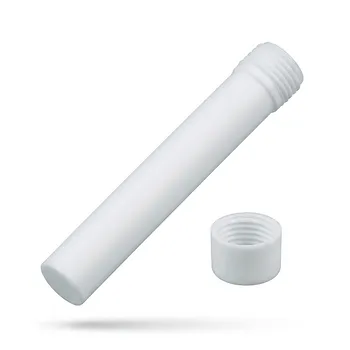
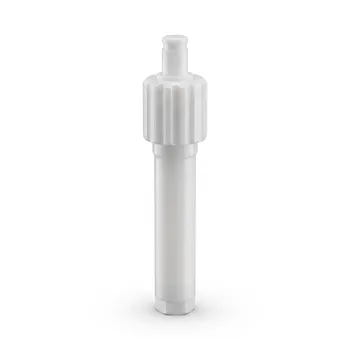
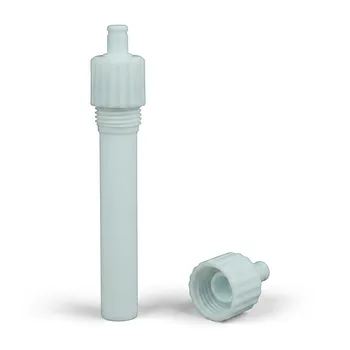
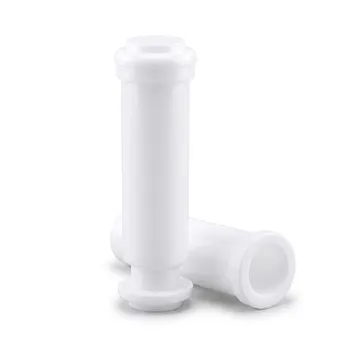
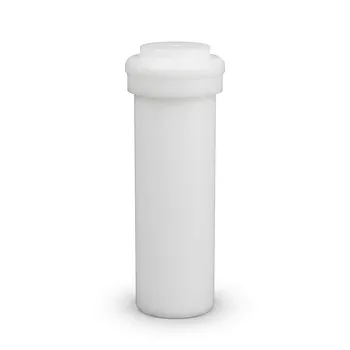
- High Purity TFM Microwave Digestion Vessels PTFE Acid Evaporation Liners Domestic GT-400 Equivalent Laboratory Reaction Containers
- High Temperature Resistant TFM Microwave Digestion Vessel Lids for Trace Analysis and Acid Evaporation Systems
- High Purity PTFE Microwave Digestion Vessel Replacement for GT-400 Systems Acid Reflux and Sample Preparation
- High Performance PTFE Microwave Digestion Vessel Replacement Bespoke Fluoropolymer Acid Digestion Tank Intelligent Sample Preparation Labware
- Custom High Purity TFM Microwave Digestion Vessel 100ml for Analytical Laboratory Sample Preparation
People Also Ask
- How does the dielectric property of PTFE benefit microwave-assisted digestion? Unlock Rapid and Uniform Sample Heating
- What safety features are commonly integrated into microwave digestion vessels? Ensuring High-Pressure Laboratory Safety
- What are the advantages of using microwave digestion vessels for environmental analysis? Boost speed and sample accuracy.
- What are the advantages of using microwave digestion vessels? Optimize EG@MO synthesis with superior thermal control.
- How do microwave digestion vessels support pharmaceutical elemental impurity testing? Achieve Precise USP Compliance