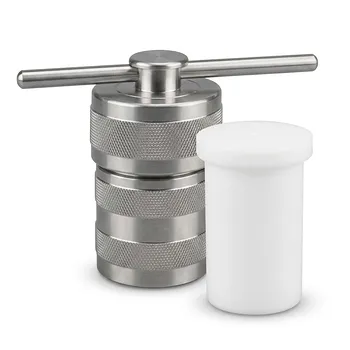
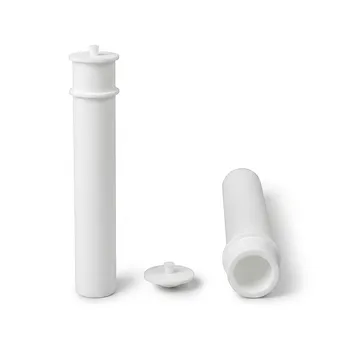
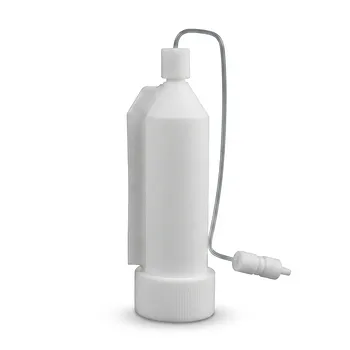
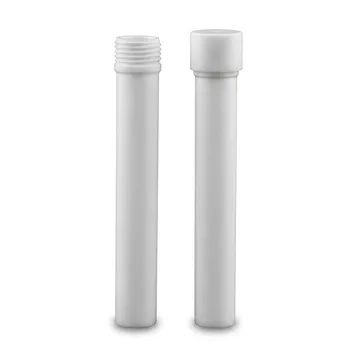
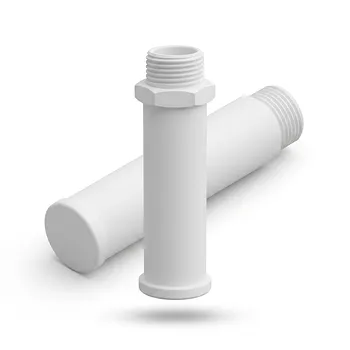
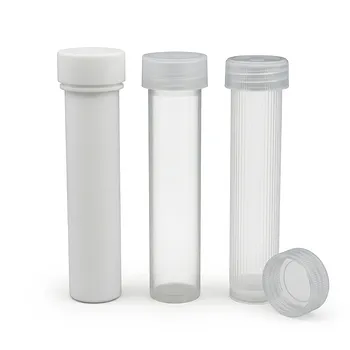
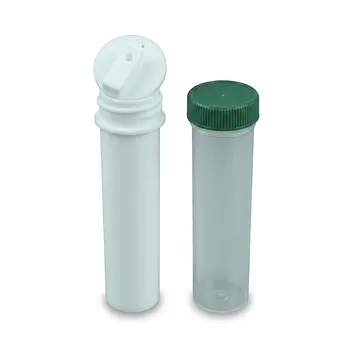
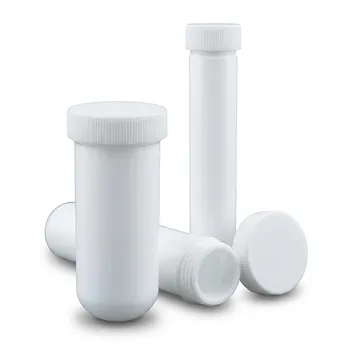
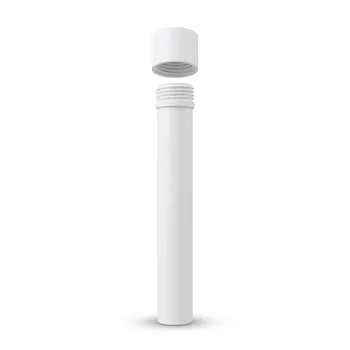
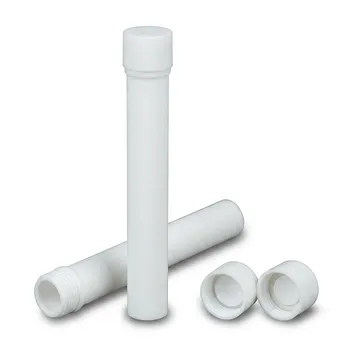
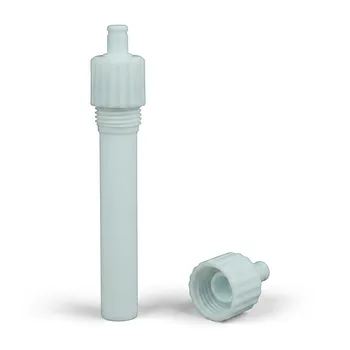
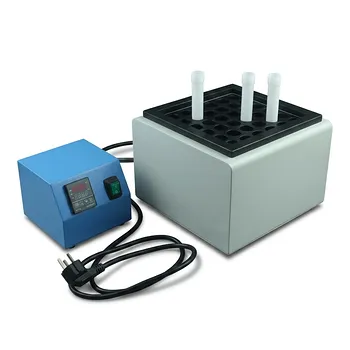
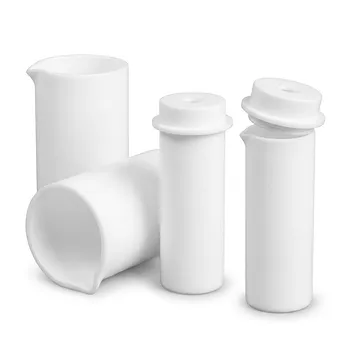
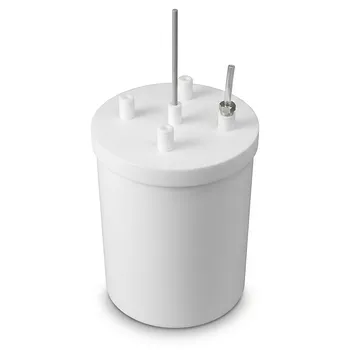
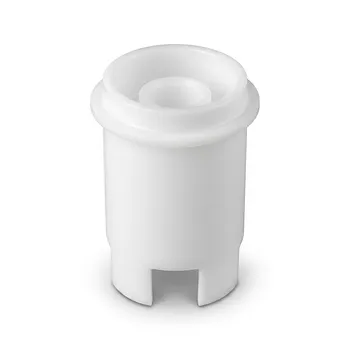
PTFE (Polytetrafluoroethylene) digestion vessels are the industry standard for geological and mining analysis due to their unparalleled resistance to extreme chemical and thermal environments.
These vessels allow for the complete decomposition of refractory minerals, ores, and silicates using aggressive acid mixtures like hydrofluoric (HF), nitric, and perchloric acids. Their unique properties ensure the quantitative recovery of rare earth elements, precious metals, and base metals without introducing contaminants or losing trace elements to the vessel walls.
PTFE digestion vessels solve the fundamental challenge of geological analysis: dissolving ultra-stable mineral structures at high temperatures and pressures while maintaining a high-purity environment for trace-level detection.
The Necessity of Chemical Inertness in Mineral Dissolution
Resistance to Hydrofluoric Acid (HF)
Geological samples often contain siliceous fractions that trap heavy metals and require hydrofluoric acid for total dissolution. Unlike glass or quartz, PTFE is impervious to HF, preventing the vessel from being etched or consumed during the mineralization process.
Stability Against Strong Oxidizers
Mining applications frequently utilize concentrated nitric, hydrochloric, and perchloric acids to break down complex matrices. PTFE maintains its structural integrity and chemical stability even when exposed to these powerful oxidizing agents at elevated temperatures.
Eliminating Background Contamination
PTFE has an extremely low background value, meaning it does not leach metallic impurities into the sample. This is critical for trace analysis, where even minute amounts of contamination from the container could invalidate the results of a heavy metal or rare earth element assay.
Thermal and Mechanical Resilience
High-Temperature Performance
The decomposition of ores and catalysts often requires prolonged heating on hot plates or in ovens. PTFE vessels can withstand continuous operation at temperatures up to 260°C, allowing for the thorough mineralization of the most stubborn refractory minerals.
Support for High-Pressure Environments
In modern mining labs, PTFE is used in closed-vessel microwave digestion systems to facilitate high-pressure reactions. This pressure allows acids to reach temperatures well above their boiling points, significantly accelerating the sample preparation timeline.
Containment of Volatile Species
The superior sealing performance of PTFE vessels in closed systems prevents the loss of volatile elements such as mercury and arsenic. This ensures a more accurate mass balance and protects the laboratory environment from corrosive acid fumes.
Ensuring Analytical Integrity
Prevention of Elemental Adsorption
PTFE possesses low surface energy and non-stick properties that prevent trace metal ions from "sticking" to the vessel walls. This ensures that the entire sample remains in the liquid phase for quantitative recovery and subsequent analysis.
Durability in Harsh Mining Contexts
The rugged nature of fluoropolymers makes them ideal for the high-throughput, high-stress environment of mining production laboratories. They resist physical degradation and corrosion, providing a long-lasting solution for total heavy metal analysis of mine soils and sediments.
Understanding the Trade-offs
Memory Effects and Cleaning
While PTFE is non-stick, it is slightly porous at a microscopic level, which can lead to "memory effects" where traces of a previous sample remain. Rigorous, specialized acid-cleaning protocols are required between uses to maintain the ultra-low background required for trace work.
Temperature Limitations
While 260°C is sufficient for most wet digestions, PTFE will begin to deform or "creep" if pushed beyond its thermal limits. For applications requiring even higher temperatures, specialized materials like TFM (a modified PTFE) or high-pressure quartz may be necessary.
Mechanical Wear in Closed Systems
In high-pressure microwave applications, PTFE components can experience mechanical stress over time. Regular inspection of vessel walls and seals is mandatory to prevent safety incidents caused by material fatigue or thinning.
How to Apply This to Your Project
Recommendations for Success
- If your primary focus is total silicate dissolution: Utilize PTFE vessels specifically for their compatibility with hydrofluoric acid (HF) mixtures.
- If your primary focus is trace element quantification: Prioritize high-purity, virgin PTFE to ensure the lowest possible background contamination for rare earth or precious metal analysis.
- If your primary focus is high-throughput ore analysis: Implement microwave digestion using PTFE liners to achieve faster mineralization through increased pressure and temperature.
By leveraging the chemical and thermal advantages of PTFE, you ensure that your analytical results are a true reflection of the geological matrix rather than an artifact of the digestion process.
Summary Table:
| Key Feature | Benefit for Geological & Mining Analysis |
|---|---|
| HF Resistance | Allows total dissolution of silicates and refractory minerals without etching. |
| Chemical Inertness | Resists strong oxidizers (HNO3, HClO4) used in complex ore matrices. |
| Low Background | Ensures ultra-low metallic impurities for high-precision trace element assays. |
| Thermal Stability | Supports continuous mineralization at temperatures up to 260°C. |
| Non-Stick Surface | Prevents elemental adsorption, ensuring quantitative recovery of precious metals. |
Elevate Your Analytical Precision with KINTEK Fluoropolymer Solutions
Maximize the integrity of your geological and mining assays with KINTEK’s high-performance PTFE and PFA laboratory supplies. From everyday basic labware like beakers, crucibles, and digestion tubes to specialized high-purity trace analysis instruments and cleaning tanks, we provide the chemical resistance required for the most aggressive mineral dissolution protocols.
Our comprehensive range extends from fluid transfer components (tubing, fittings, valves) and sample prep tools (separatory funnels, filters, tweezers) to advanced reaction apparatus such as microwave digestion vessels, hydrothermal synthesis liners, and custom electrochemical cells.
Why choose KINTEK?
- Expert Fabrication: Backed by end-to-end custom CNC fabrication, we deliver everything from complex non-standard machined parts to high-volume orders.
- Material Focus: An exclusive and absolute focus on high-performance fluoropolymers (PTFE/PFA) ensures zero contamination.
- Tailored Solutions: We design bespoke laboratory setups to meet the unique demands of your high-stress mining environment.
Don’t let vessel contamination or material failure compromise your data. Contact KINTEK today to source the industry’s most durable and high-purity fluoropolymer labware.
Related Products
- 5ml High Pressure PTFE Digestion Vessel for Geological Mineral Analysis Corrosion Resistant Polytetrafluoroethylene TFM Digestion Inner Liner
- PTFE Lined High Pressure Digestion Vessel 50ml High Temperature Hydrothermal Synthesis Tank
- Custom 100ml PTFE Digestion Tube for Heavy Metal Trace Analysis and High Temperature Acid Digestion
- Corrosion Resistant PTFE Digestion Bottle Solid Liquid Reaction Vessel High Purity Trace Analysis Mineral Labware
- Custom High Purity PTFE Microwave Digestion Vessels and Graphite Block Compatible Acid Evaporation Tanks for Trace Metal Analysis
People Also Ask
- What safety features are typically incorporated into high-pressure PTFE digestion vessel designs? Ensure Lab Safety
- What is the function of high-pressure PTFE digestion vessels in mineral analysis? Optimize Sample Mineralization
- Why is a PTFE liner utilized in V2O5 synthesis? Ensure Chemical Purity and Corrosion Resistance
- What is the primary function of a PTFE liner? Key Benefits for Purity and Safety in Hydrothermal Synthesis
- What is the role of a PTFE liner in Bi2O3–TiO2 synthesis? Ensure High Purity and Controlled Crystal Growth