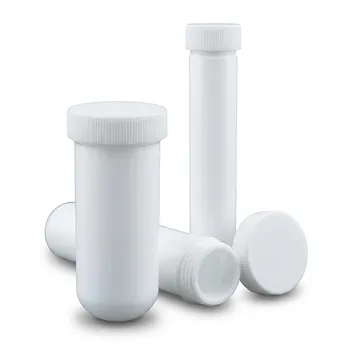
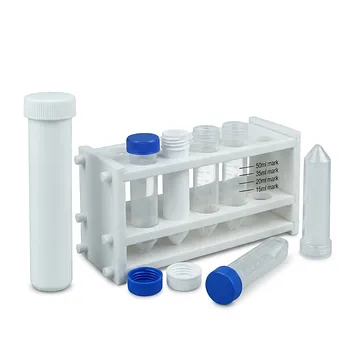
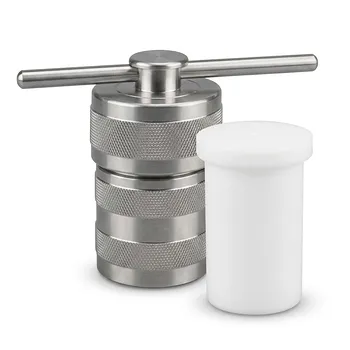
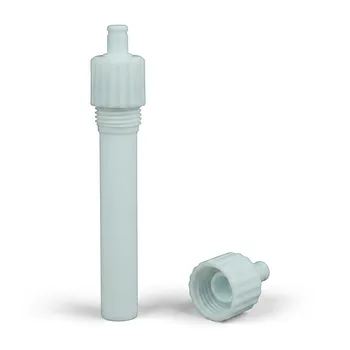
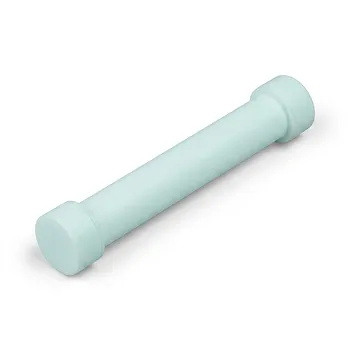
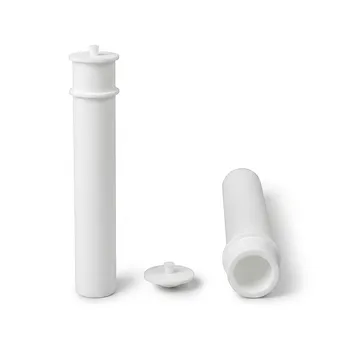
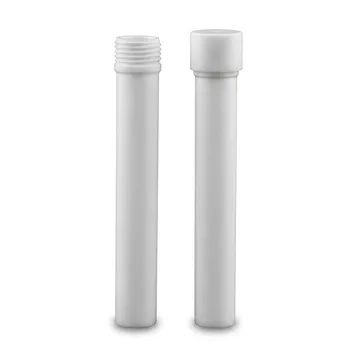
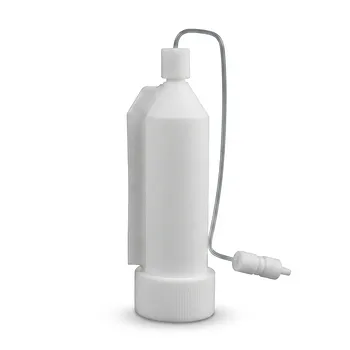
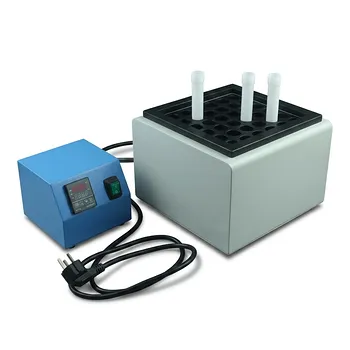
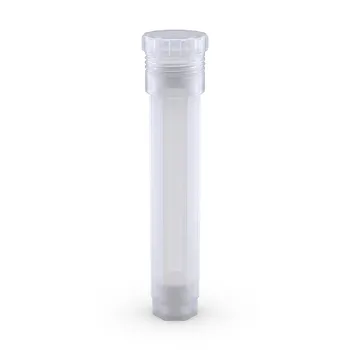
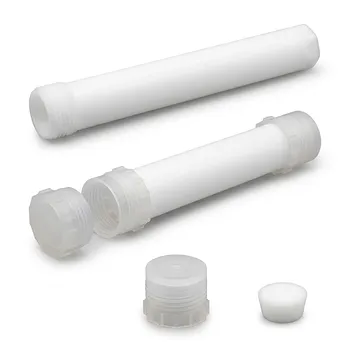
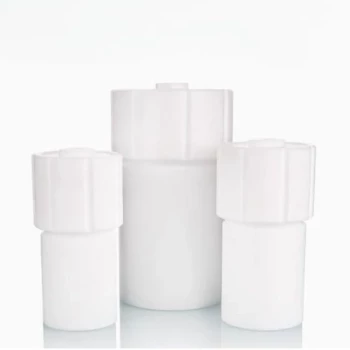
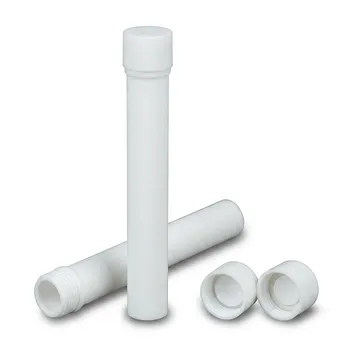
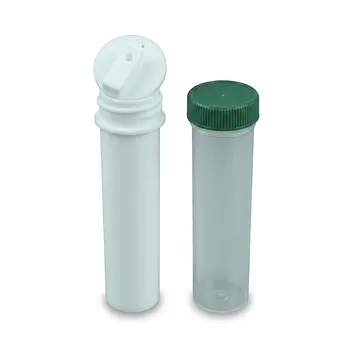
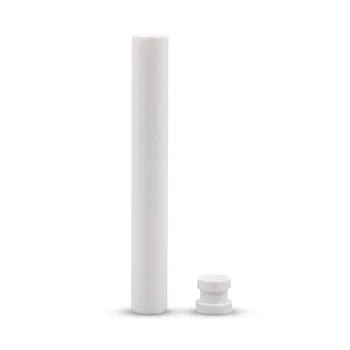
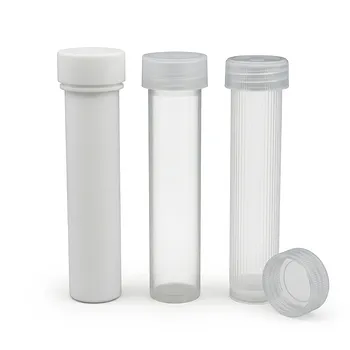
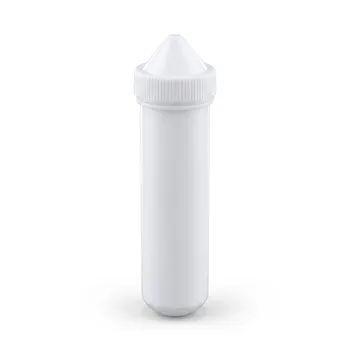
PTFE is the industry standard for digestion vessels because of its absolute chemical resistance and ultra-low contaminant profile. It remains completely inert when exposed to aggressive mineral acids, such as hydrofluoric acid (HF), which would otherwise dissolve or degrade glass and quartz. Furthermore, PTFE prevents the leaching of trace metal impurities, ensuring that the analytical results reflect the sample rather than the container.
PTFE’s effectiveness in sample preparation is driven by its unique carbon-fluorine bond structure, which provides the necessary chemical and thermal stability to handle aggressive acid digestion without compromising the accuracy of trace-level analysis.
The Chemical Superiority of PTFE
Resistance to Aggressive Reagents
The strong carbon-fluorine bonds in PTFE create a nearly impenetrable shield against chemical attack. This allows the material to withstand concentrated nitric acid, perchloric acid, and hydrogen peroxide even at elevated temperatures.
While glass and quartz are destroyed by hydrofluoric acid (HF), PTFE remains unaffected. This makes it indispensable for applications involving the breakdown of silicate structures in soil or geological samples.
Elimination of Sample Contamination
Standard laboratory glass can release trace metal impurities or silica into a sample during the digestion process. PTFE possesses an extremely low background value, which is critical for maintaining the integrity of trace and ultra-trace analysis.
The low surface energy of PTFE prevents target ions, such as cadmium or lead, from adsorbing onto the vessel walls. This ensures that the full concentration of the analyte remains in the solution for measurement.
Performance in Modern Digestion Systems
Thermal and Pressure Stability
PTFE can operate continuously at temperatures up to 260°C. This thermal range is sufficient for most acid digestion protocols, including those conducted under high pressure.
In closed-vessel systems, the material maintains its structural integrity while subjected to the intense internal pressures generated by boiling acids. This allows for faster and more complete decomposition of complex matrices like wine or soil.
Microwave Transparency
Unlike metallic or certain ceramic containers, PTFE is microwave transparent. This property allows microwave energy to pass through the vessel walls to heat the sample and acid directly.
This leads to rapid, volumetric heating, which significantly reduces the time required for sample preparation. It also ensures more uniform temperature distribution compared to traditional hot-block methods.
Understanding the Trade-offs
Temperature and Pressure Limitations
While PTFE is robust, it has a lower melting point than quartz or certain high-performance ceramics. Exceeding its 260°C threshold can lead to vessel deformation or the release of fluorinated vapors.
Porosity and Memory Effects
PTFE is slightly more porous than PFA or quartz, which can sometimes lead to "memory effects" where traces of a previous sample are retained in the material. Rigorous cleaning protocols are necessary to ensure a clean background for subsequent tests.
Mechanical Wear
Repeated heating and cooling cycles can eventually cause PTFE to "creep" or change shape over time. Regular inspection of the vessels is required to ensure a proper seal is maintained in pressurized systems.
How to Apply This to Your Project
Making the Right Choice for Your Goal
To maximize the effectiveness of your sample digestion, consider the specific requirements of your analytical method.
- If your primary focus is silicate or soil digestion: Use PTFE exclusively, as it is the only common vessel material that can safely contain the hydrofluoric acid required for these samples.
- If your primary focus is ultra-trace metal analysis: Prioritize high-purity PTFE or PFA vessels to ensure the lowest possible background signal and prevent ion adsorption.
- If your primary focus is high-throughput microwave digestion: Utilize PTFE vessels to leverage their microwave transparency and rapid heating capabilities.
- If your primary focus is extreme high-temperature digestion (above 260°C): Consider quartz vessels, provided your acid mix does not include hydrofluoric acid.
By aligning your vessel material with your specific chemical and thermal requirements, you ensure the highest levels of analytical precision and safety.
Summary Table:
| Property | PTFE | Glass / Quartz |
|---|---|---|
| HF Resistance | Absolute (Inert) | Poor (Corrodes) |
| Contamination Risk | Ultra-low / Inert | High (Trace metals/Silica) |
| Microwave Heating | High Transparency | Limited / Variable |
| Thermal Stability | Up to 260°C | Up to 1000°C+ (Quartz) |
| Surface Energy | Low (Prevents adsorption) | High (Ion loss possible) |
Elevate Your Analytical Precision with KINTEK
Maximize your laboratory's accuracy and safety by choosing the right fluoropolymer solutions. At KINTEK, we maintain an exclusive focus on high-performance materials like PTFE and PFA to support your most critical research. Whether you need everyday essentials like beakers, measuring cylinders, and reagent bottles, or high-purity trace analysis instruments and digestion tubes, we deliver unmatched quality.
Our extensive range covers everything from fluid transfer components (tubing, fittings, valves) and sample prep tools (separatory funnels, filters, pipettes) to advanced reaction apparatus like microwave digestion vessels, hydrothermal synthesis liners, and custom electrochemical cells. Backed by end-to-end custom CNC fabrication, KINTEK is equipped to deliver absolutely everything from complex non-standard machined parts to high-volume orders.
Ready to optimize your digestion workflows? Contact us today for a custom quote!
Related Products
- Custom PTFE Digestion Vessel Sample Vial Straight Wall Test Tube High Temperature Low Background
- Custom PTFE Digestion Tubes and High Purity Polytetrafluoroethylene Centrifuge Vessels 60ml for Trace Analysis
- 5ml High Pressure PTFE Digestion Vessel for Geological Mineral Analysis Corrosion Resistant Polytetrafluoroethylene TFM Digestion Inner Liner
- High Performance PTFE Microwave Digestion Vessel Replacement Bespoke Fluoropolymer Acid Digestion Tank Intelligent Sample Preparation Labware
- Corrosion Resistant PTFE Digestion Tube White Opaque Tubular Bottle for Geological Mineral Sample Preparation Screw Cap Sealed Laboratory Vessel
People Also Ask
- What fundamental chemical property makes PTFE uniquely suited for high-purity trace analysis labware and digestion vessels? The key is its strong carbon-fluorine bonds
- What fundamental chemical characteristics of polytetrafluoroethylene (PTFE) make it an ideal material for high-purity laboratory ware and digestion vessels? Discover Its Inertness and Stability
- What is the primary function of PTFE digestion tubes in a laboratory setting? Essential for Pure Sample Mineralization
- How do PTFE digestion tubes minimize contamination during ultra-trace elemental analysis? Achieve high-purity results.
- How do PTFE digestion tubes assist in pharmaceutical and biological sample preparation? Ensure High Recovery & Purity