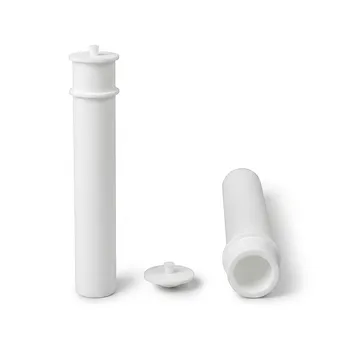
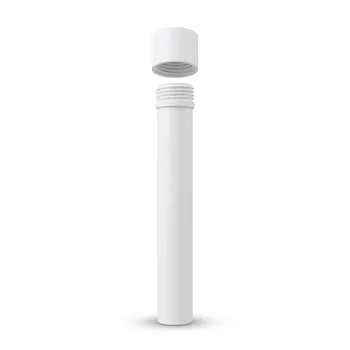
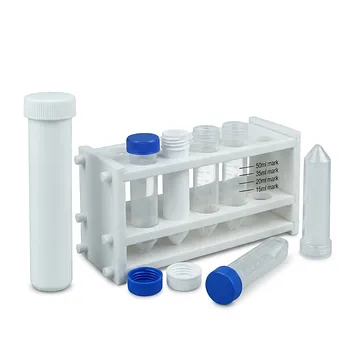
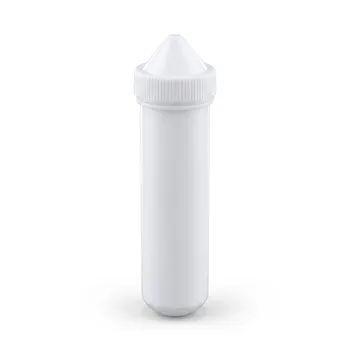
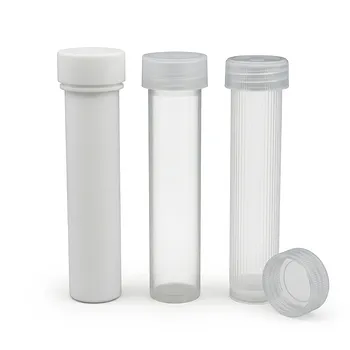
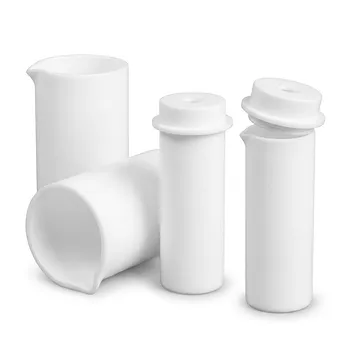
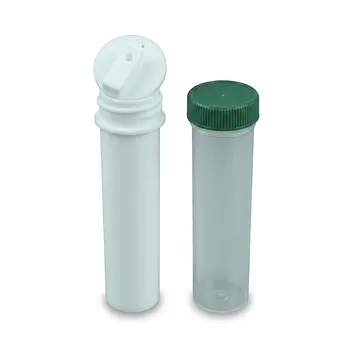
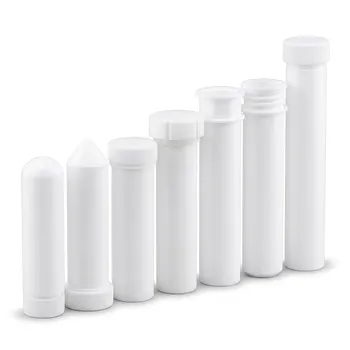
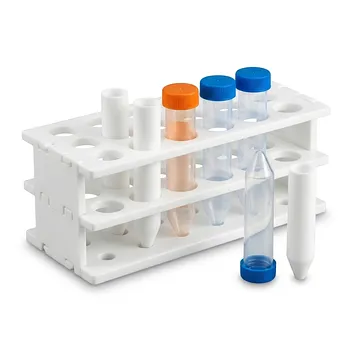
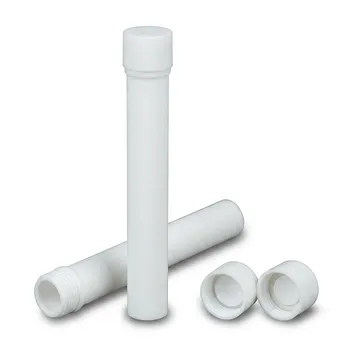
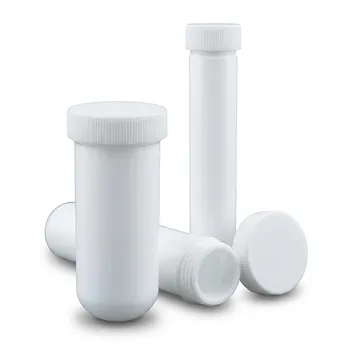
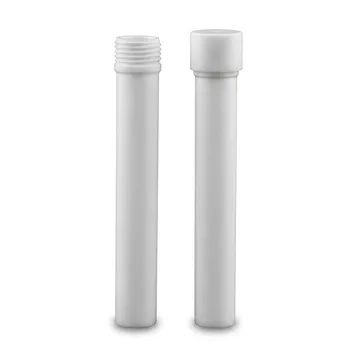
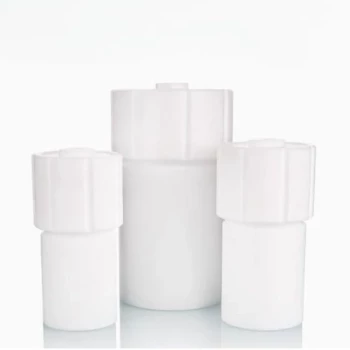
PTFE digestion tubes are high-performance, inert vessels designed to decompose complex sample matrices into homogeneous liquid solutions for elemental analysis. By utilizing aggressive acids at elevated temperatures and pressures, these tubes ensure that solid, liquid, or semi-solid samples are completely mineralized. This process is a critical prerequisite for obtaining accurate measurement data using advanced analytical techniques such as ICP-MS, ICP-OES, and Atomic Absorption Spectroscopy (AAS).
The primary role of a PTFE digestion tube is to provide a chemically non-reactive and pressure-resistant environment for sample mineralization. This allows laboratories to safely use concentrated acids to dissolve samples for trace element analysis while preventing sample contamination or the loss of volatile components.
The Role of PTFE in Wet Chemical Digestion
Complete Matrix Decomposition
The fundamental purpose of these tubes is to facilitate wet chemical digestion, a process that breaks down organic and inorganic materials. Using reagents like nitric acid or hydrofluoric acid, the tube acts as a robust reaction chamber where the sample is converted into an aqueous form. This transition is essential because most modern analytical instruments require samples to be in a clear, liquid state.
Preservation of Sample Integrity
PTFE is chosen for its chemical inertness, which prevents the tube itself from reacting with the sample or the reagents. This ensures that no trace elements are lost to adsorption on the vessel walls and no external contaminants are introduced. By maintaining a sealed environment, the tubes also prevent the escape of volatile elements such as arsenic, antimony, and mercury.
Optimization for Elemental Analysis
By creating a stable, closed environment, these tubes help achieve the complete mineralization of the matrix. This leads to the creation of a clear liquid that is free from interference, which is vital for the sensitivity of ICP-MS and ICP-OES. Without this thorough digestion, residual particles could clog instrument nebulizers or produce inaccurate results.
Engineering for Extreme Laboratory Conditions
Thermal and Chemical Resilience
PTFE (Polytetrafluoroethylene) is a high-performance fluoropolymer known for its thermal stability and resistance to harsh chemicals. It can withstand the corrosive environments created by strong oxidizing acids at elevated temperatures without degrading. This makes it a superior alternative to glass or metal, which may fail or contaminate the process when exposed to hydrofluoric acid.
Safety in High-Pressure Environments
Many digestion processes occur in microwave systems or high-pressure vessels where internal heating generates significant pressure. PTFE tubes often feature a thick-walled design to enhance mechanical strength and provide a higher safety factor against deformation. This design helps maintain stable internal reaction temperatures while preventing the vessel from bursting under stress.
Support for Specialized Synthesis
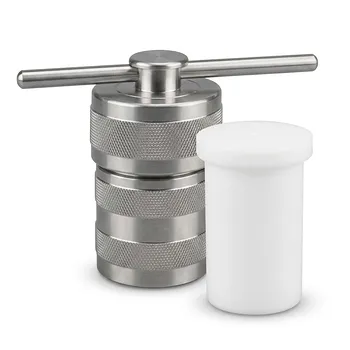
Beyond standard digestion, these tubes or liners are used in hydrothermal synthesis for creating nanomaterials and crystals. In these applications, the PTFE liner provides a stable, closed environment while protecting outer stainless steel jackets from corrosion. This dual-material approach combines the chemical resistance of the polymer with the structural support of the metal.
Understanding the Trade-offs
Temperature and Pressure Limitations
While PTFE is highly resilient, it has specific thermal limits compared to materials like TFM or quartz. Exceeding its maximum operating temperature can lead to deformation or "creeping," where the material loses its shape under pressure. Users must strictly adhere to the manufacturer’s pressure ratings to ensure the structural integrity of the vessel.
Cleaning and Memory Effects
Because PTFE is slightly porous at a microscopic level, it can sometimes retain traces of previous samples, known as memory effects. Rigorous cleaning protocols, often involving acid steam cleaning, are necessary to ensure high-purity results in trace-level analysis. Failure to properly decontaminate the tubes can lead to carryover contamination between different sample batches.
How to Apply This to Your Laboratory Workflow
Selecting the right vessel depends on your specific analytical requirements and the nature of your samples.
- If your primary focus is trace element analysis (ppb levels): Utilize high-purity PTFE tubes to prevent the adsorption of analytes and ensure the lowest possible detection limits.
- If your primary focus is digestion with Hydrofluoric Acid (HF): Choose PTFE vessels exclusively, as HF will dissolve glass and contaminate your sample with silica.
- If your primary focus is high-pressure microwave digestion: Opt for thick-walled PTFE or TFM liners that are specifically rated for the internal pressures generated by your microwave system.
- If your primary focus is digesting resistant minerals (e.g., zircon): Use PTFE-lined stainless steel digestion vessels to safely achieve the high temperatures and pressures required for a complete attack.
Effective sample preparation using PTFE digestion tubes is the cornerstone of reliable, high-accuracy analytical chemistry.
Summary Table:
| Feature | Function | Benefit |
|---|---|---|
| Chemical Inertness | Resists concentrated acids (e.g., HF, Nitric) | Prevents sample contamination and vessel degradation. |
| Thermal Stability | Operates safely at elevated temperatures | Facilitates complete wet chemical digestion of matrices. |
| Pressure Resistance | Thick-walled design for closed systems | Ideal for safe microwave and hydrothermal synthesis. |
| Non-Stick Surface | Minimizes analyte adsorption | Ensures high recovery rates for ppb-level trace analysis. |
Elevate Your Analytical Precision with KINTEK Fluoropolymer Solutions
Maximize the accuracy of your trace element analysis with laboratory supplies engineered for the most demanding chemical environments. KINTEK specializes in high-performance PTFE and PFA manufacturing, providing everything your lab needs to maintain sample integrity and operational safety.
Our extensive range includes:
- Everyday Essentials: Beakers, measuring cylinders, crucibles, reagent bottles, and centrifuge/digestion tubes.
- Fluid Handling: Comprehensive components including tubing, fittings, valves, and filtration tools.
- Advanced Apparatus: Standard and custom electrochemical cells, battery testing fixtures, and microwave digestion vessels.
- Custom Engineering: End-to-end CNC fabrication for complex non-standard parts and bespoke laboratory setups.
Whether you require high-volume consumables or a unique, precision-machined reactor, KINTEK delivers absolute focus on high-performance materials tailored to your specific research goals.
Ready to upgrade your lab? Contact us today to discuss your custom requirements!
Related Products
- Custom 100ml PTFE Digestion Tube for Heavy Metal Trace Analysis and High Temperature Acid Digestion
- High Purity PTFE Digestion Tubes for Microwave Systems Soil and Food Trace Analysis Acid Resistant Customizable
- Custom PTFE Digestion Tubes and High Purity Polytetrafluoroethylene Centrifuge Vessels 60ml for Trace Analysis
- High Purity PTFE Digestion Tubes and Custom Centrifuge Tubes 100ml for Trace Analysis and Chemical Digestion
- Custom PTFE Digestion Tube Double Sided Openable High Temperature Corrosion Resistant Low Background
People Also Ask
- What are the common capacities and physical configurations available for PTFE digestion tubes? Expert Selection Guide
- How do PTFE digestion tubes assist in pharmaceutical and biological sample preparation? Ensure High Recovery & Purity
- How do PTFE digestion tubes minimize contamination during ultra-trace elemental analysis? Achieve high-purity results.
- What is the primary role of a PTFE digestion tube in analytical chemistry? Ensure High Purity and Trace Accuracy
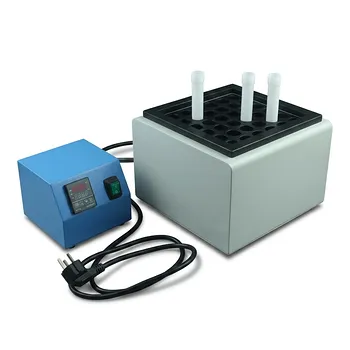
- How does a PTFE digestion tube facilitate sample decomposition in a conventional hot-block heating system? Boost Efficiency & Purity