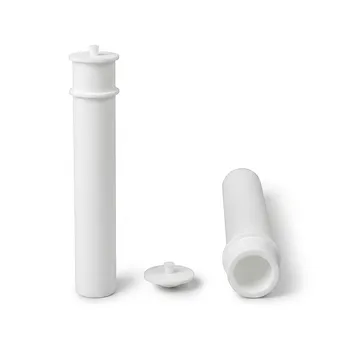
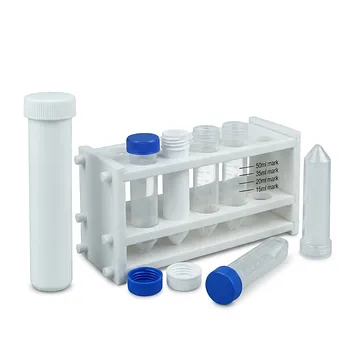
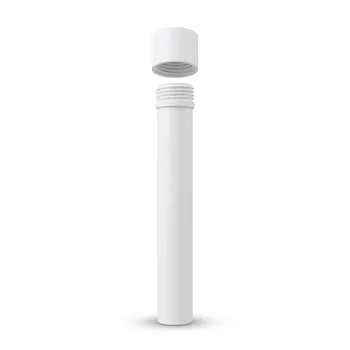
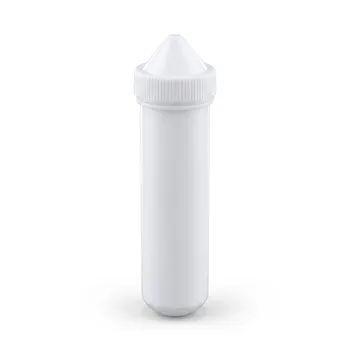
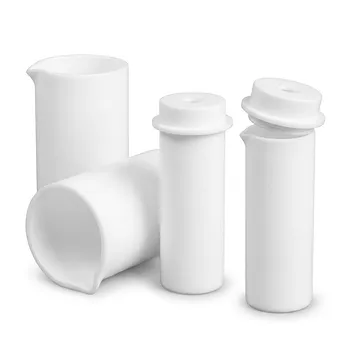
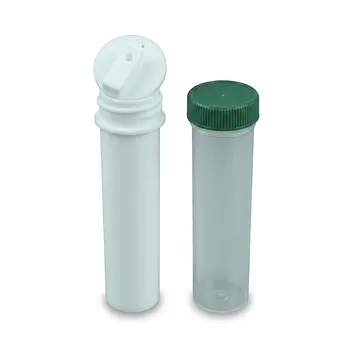
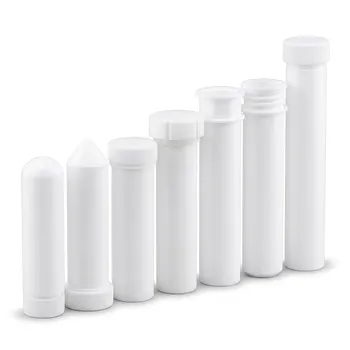
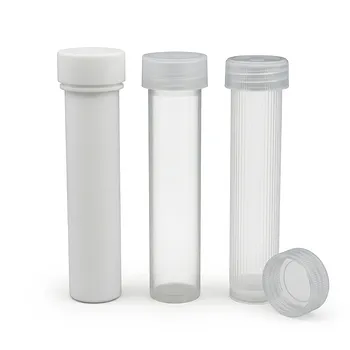
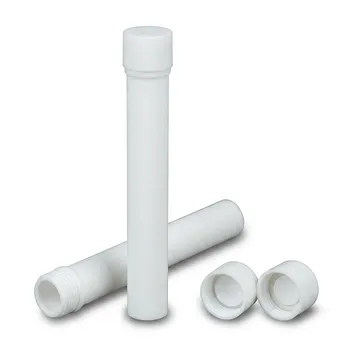
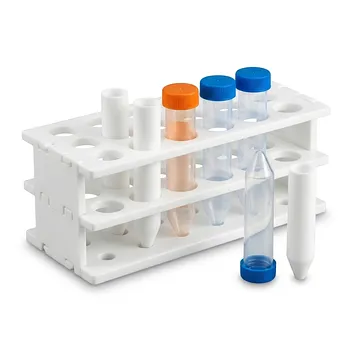
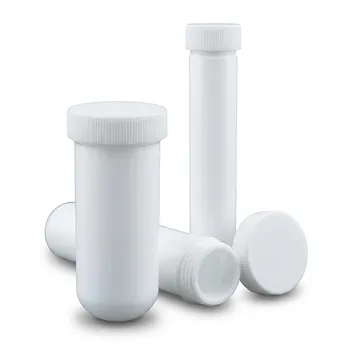
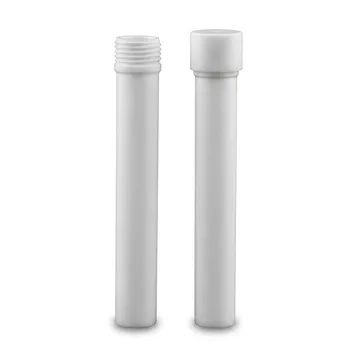
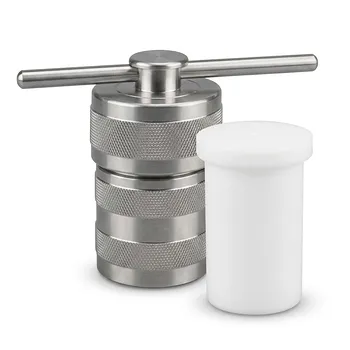
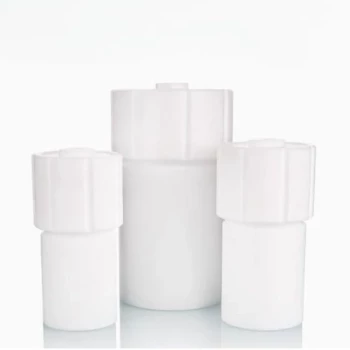
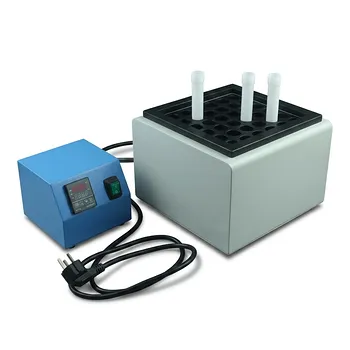
PTFE digestion tubes offer nearly universal resistance to concentrated mineral acids. These vessels are fully compatible with Nitric Acid ($HNO_3$), Hydrochloric Acid ($HCl$), Sulfuric Acid ($H_2SO_4$), Perchloric Acid ($HClO_4$), and Hydrofluoric Acid ($HF$). This inertness ensures that the tubes remain structurally sound even when exposed to the most aggressive digestive reagents used in analytical chemistry.
The Central Takeaway: PTFE is the gold standard for sample digestion because it remains chemically unreactive with all major mineral acids, including Hydrofluoric acid, which would otherwise destroy glass or quartz alternatives.
The Scope of Mineral Acid Compatibility
Primary Oxidizing and Non-Oxidizing Acids
PTFE is immune to the corrosive effects of Nitric Acid ($HNO_3$) and Hydrochloric Acid ($HCl$), the most common reagents for metal dissolution. Even when these acids are used in concentrated forms or mixed (such as in Aqua Regia), the polymer structure of the tube remains intact.
High-Boiling and Dehydrating Acids
The material successfully withstands Sulfuric Acid ($H_2SO_4$) and Perchloric Acid ($HClO_4$). These acids are often used to bridge high temperatures during digestion, and PTFE's resistance ensures no leaching of vessel material into the sample.
The Critical Advantage of PTFE Over Alternative Materials
Resistance to Hydrofluoric Acid (HF)
Unlike glass or quartz, which are rapidly etched and dissolved by Hydrofluoric Acid, PTFE is completely unaffected. This makes PTFE tubes essential for applications involving the dissolution of siliceous materials like soil, glass, or minerals.
Elimination of Trace Contamination
Because PTFE does not react with these acids, it prevents elemental leaching from the container wall. This is vital for high-precision trace element analysis where the purity of the sample must be maintained throughout the digestion process.
Understanding the Trade-offs and Limitations
Temperature Constraints
While chemically inert, PTFE has a lower thermal ceiling than quartz or glass. Users must ensure that digestion temperatures do not exceed the material's melting point, typically around 260°C to 300°C depending on the specific grade.
Physical Deformation and Porosity
Under extreme pressure and heat, PTFE can experience "cold flow" or deformation. Additionally, while resistant to liquid acids, some gases may slowly permeate the polymer over long periods at high temperatures, requiring careful monitoring of pressurized systems.
How to Apply This to Your Project
Before selecting your digestion vessel, consider the specific requirements of your sample matrix and reagent mix.
- If your primary focus is dissolving silicates: Use PTFE tubes exclusively to allow for the safe use of Hydrofluoric Acid ($HF$) without destroying the vessel.
- If your primary focus is high-temperature digestion (>300°C): You may need to reconsider PTFE, as these temperatures exceed its thermal stability, potentially requiring specialized high-pressure systems or alternative materials.
- If your primary focus is trace metal analysis: PTFE is the ideal choice due to its extreme chemical resistance and low risk of sample contamination from the vessel walls.
By matching the chemical resilience of PTFE with your specific acid requirements, you ensure both the safety of your laboratory and the integrity of your analytical results.
Summary Table:
| Mineral Acid | Compatibility | Primary Laboratory Application |
|---|---|---|
| Nitric Acid ($HNO_3$) | Excellent | Common metal dissolution and sample prep |
| Hydrochloric Acid ($HCl$) | Excellent | Standard reagent for oxidizing/non-oxidizing dissolution |
| Hydrofluoric Acid ($HF$) | Excellent | Crucial for dissolving siliceous materials (Soil, Glass) |
| Sulfuric Acid ($H_2SO_4$) | Excellent | High-temperature digestions and dehydration |
| Perchloric Acid ($HClO_4$) | Excellent | Intensive organic matter oxidation |
Elevate Your Analytical Precision with KINTEK
Ensure the integrity of your trace analysis with KINTEK’s high-performance fluoropolymer labware. From everyday basic labware like beakers, measuring cylinders, and PTFE digestion tubes to complex custom CNC-machined components and advanced reaction apparatus, we manufacture virtually every laboratory supply imaginable from high-purity PTFE and PFA.
Whether you need standard consumables like filtration tools, tubing, and fittings or bespoke electrochemical cells and microwave digestion vessels, KINTEK provides end-to-end fabrication to meet your specific volume and performance requirements. Eliminate elemental leaching and secure your results today—contact our laboratory specialists for a custom quote or consultation!
Related Products
- Custom 100ml PTFE Digestion Tube for Heavy Metal Trace Analysis and High Temperature Acid Digestion
- Corrosion Resistant PTFE Digestion Tube White Opaque Tubular Bottle for Geological Mineral Sample Preparation Screw Cap Sealed Laboratory Vessel
- Custom PTFE Digestion Tubes and High Purity Polytetrafluoroethylene Centrifuge Vessels 60ml for Trace Analysis
- Custom PTFE Digestion Tube Double Sided Openable High Temperature Corrosion Resistant Low Background
- High Purity PTFE Digestion Tubes for Microwave Systems Soil and Food Trace Analysis Acid Resistant Customizable
People Also Ask
- What are the common capacities and physical configurations available for PTFE digestion tubes? Expert Selection Guide
- How do PTFE digestion tubes assist in pharmaceutical and biological sample preparation? Ensure High Recovery & Purity
- What is the primary function of PTFE digestion tubes in a laboratory setting? Essential for Pure Sample Mineralization
- How do PTFE digestion tubes minimize contamination during ultra-trace elemental analysis? Achieve high-purity results.
- What is the primary role of a PTFE digestion tube in analytical chemistry? Ensure High Purity and Trace Accuracy