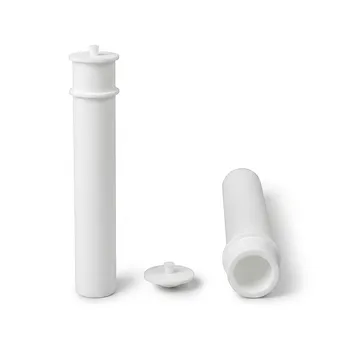
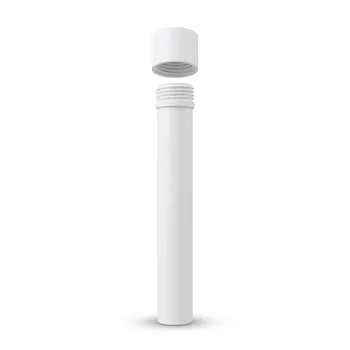
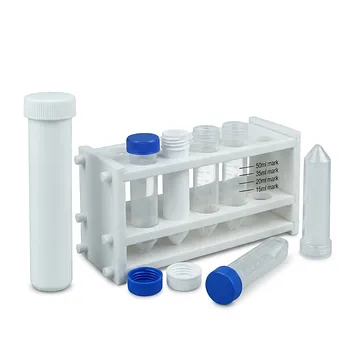
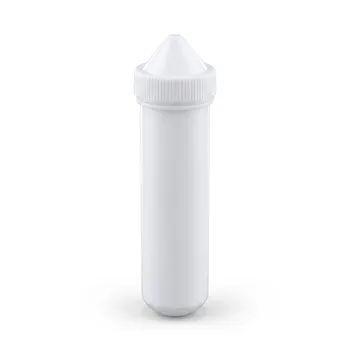
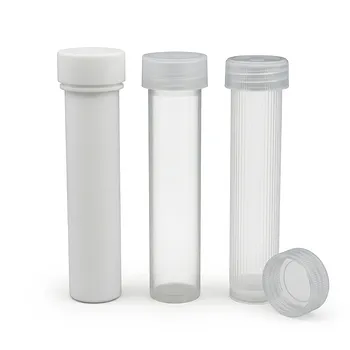
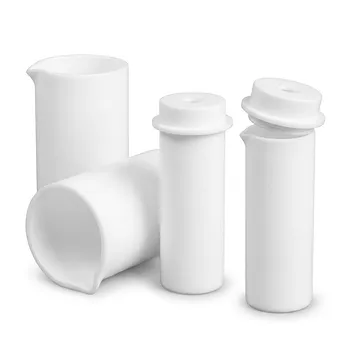
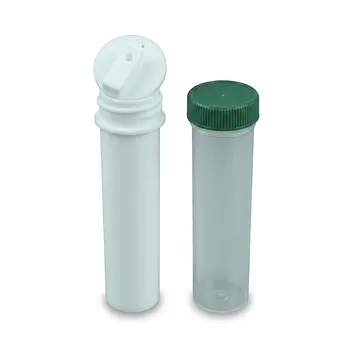
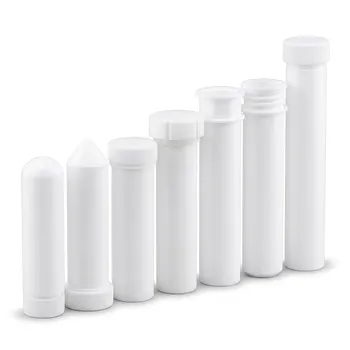
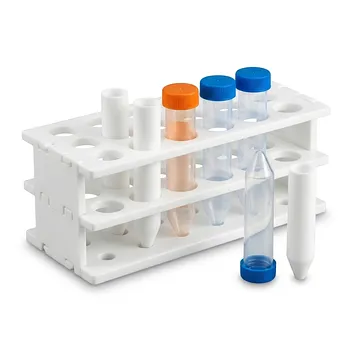
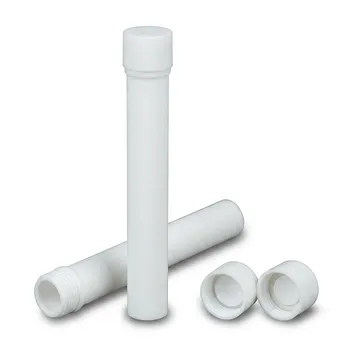
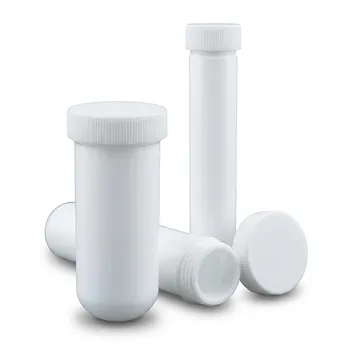
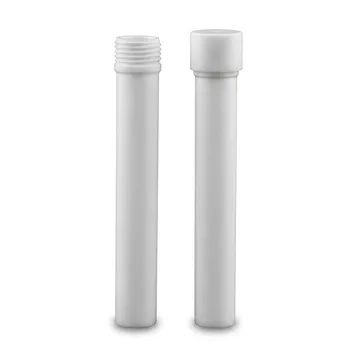
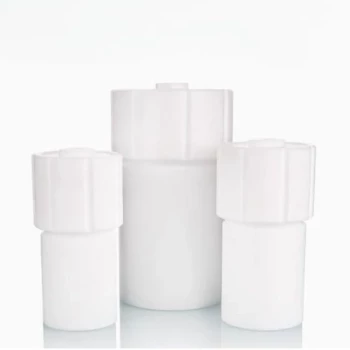
PTFE digestion tubes are essential for pharmaceutical and biological analysis. They provide a chemically inert, non-stick surface that prevents trace analytes from adhering to container walls while blocking impurities from leaching into sensitive samples. This high-performance material allows for the safe decomposition of complex matrices using aggressive acids at elevated temperatures and pressures.
Core Takeaway: PTFE tubes ensure analytical integrity by combining extreme chemical resistance with a nearly non-existent trace-element background. This allows researchers to achieve the high recovery rates and reproducibility required for regulatory compliance in trace element analysis.
Maintaining Sample Purity and Integrity
Prevention of Surface Adsorption
PTFE (Polytetrafluoroethylene) possesses exceptional non-stick properties that prevent target elements from sticking to the tube walls. This is critical during sample transfer or centrifugation, as it significantly reduces sample loss and ensures that precious biological materials are fully recovered for analysis.
Eliminating Material Leaching
Unlike glass or lower-grade plastics, high-purity PTFE features an extremely low trace metal background. This prevents the container itself from leaching interfering heavy metals or impurities into the sample, which is vital when performing ultra-trace analysis using techniques like ICP-MS or AAS.
Protecting Sensitive Biological Matrices
In biological sample preparation, such as urine or tissue analysis, maintaining the composition integrity is paramount. PTFE’s inert nature ensures that the chemical signature of the sample remains unchanged by the container, providing a "blank canvas" for accurate detection.
Facilitating Harsh Chemical Decompositions
Resistance to Aggressive Reagents
PTFE tubes can withstand prolonged exposure to concentrated nitric acid, hydrochloric acid, and hydrogen peroxide. These aggressive reagents are necessary to break down complex organic structures in pharmaceutical formulations and biological tissues.
Withstanding High Temperature and Pressure
During microwave digestion, these tubes manage high-energy environments where temperatures can exceed 120°C. The material remains stable under internal pressure, allowing for the complete mineralization of solid or semi-solid samples into clear inorganic solutions.
Managing Exothermic Reactions
Pharmaceutical samples, particularly those rich in proteins or fats, often trigger exothermic reactions during digestion. The closed-system design of modern PTFE vessels safely manages these energy spikes, preventing sample loss due to boiling or splashing.
Understanding the Trade-offs
Physical Limitations and "Memory" Effects
While PTFE is highly non-stick, it is slightly porous at a microscopic level compared to PFA. If not cleaned rigorously, trace residues (such as arsenic) can potentially remain, requiring specialized decontamination protocols between different sample batches.
Temperature Constraints
Although PTFE is heat-resistant, it has a lower melting point than some ceramic alternatives. Users must carefully monitor microwave power settings to ensure the tubes do not deform or "cold flow" under extreme, sustained thermal stress.
Cost and Lifecycle
PTFE consumables represent a higher initial investment than disposable plastic tubes. However, their reusability and durability in harsh acid environments generally provide a lower cost-per-digestion over the long term, provided they are maintained correctly.
Making the Right Choice for Your Goal
- If your primary focus is Trace Element Analysis (ICP-MS): Utilize high-purity PTFE tubes to ensure the lowest possible heavy metal background and maximum recovery of analytes.
- If your primary focus is Microwave Digestion of Fats/Proteins: Use closed-system PTFE vessels to safely manage the high-pressure exothermic reactions typical of these organic matrices.
- If your primary focus is High-Speed Centrifugation: Opt for PTFE or PFA tubes to prevent sample loss caused by wall-sticking and to ensure the tube resists the mechanical stress of high-speed rotation.
By providing a stable and contamination-free environment, PTFE digestion tubes serve as the foundation for accurate and reproducible pharmaceutical research.
Summary Table:
| Feature | Benefit to Lab | Primary Application |
|---|---|---|
| Inert Surface | Prevents trace analyte adsorption and sample loss | Ultra-trace Analysis (ICP-MS/AAS) |
| Chemical Resistance | Withstands concentrated HNO₃, HCl, and H₂O₂ | Digestion of complex organic tissues |
| Low Leaching | Eliminates heavy metal contamination from the container | Pharmaceutical Quality Control |
| Thermal Stability | Manages high-energy exothermic reactions safely | Microwave digestion of fats/proteins |
| Durability | Long-lasting and reusable in harsh environments | High-volume sample preparation |
Elevate your laboratory's analytical precision with KINTEK’s specialized fluoropolymer solutions. From everyday essentials like PTFE digestion tubes, beakers, and centrifuge tubes to advanced components like custom electrochemical cells and microchannel reactors, we offer an exhaustive range of high-performance supplies. Backed by end-to-end custom CNC fabrication, KINTEK delivers everything from standard labware to bespoke, non-standard machined parts tailored to your research needs. Ensure absolute purity and regulatory compliance in your pharmaceutical workflows—contact us today to discuss your custom fluoropolymer requirements!
Related Products
- Custom 100ml PTFE Digestion Tube for Heavy Metal Trace Analysis and High Temperature Acid Digestion
- High Purity PTFE Digestion Tubes for Microwave Systems Soil and Food Trace Analysis Acid Resistant Customizable
- Custom PTFE Digestion Tubes and High Purity Polytetrafluoroethylene Centrifuge Vessels 60ml for Trace Analysis
- High Purity PTFE Digestion Tubes and Custom Centrifuge Tubes 100ml for Trace Analysis and Chemical Digestion
- Custom PTFE Digestion Tube Double Sided Openable High Temperature Corrosion Resistant Low Background
People Also Ask
- What are the common capacities and physical configurations available for PTFE digestion tubes? Expert Selection Guide
- How do PTFE digestion tubes minimize contamination during ultra-trace elemental analysis? Achieve high-purity results.
- What is the primary function of PTFE digestion tubes in a laboratory setting? Essential for Pure Sample Mineralization
- What is the primary role of a PTFE digestion tube in analytical chemistry? Ensure High Purity and Trace Accuracy
- How do PTFE digestion tubes facilitate the analysis of food and agricultural products? Ensure High-Purity Mineralization