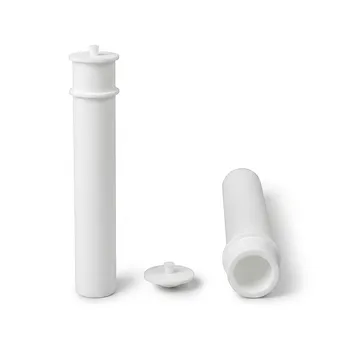
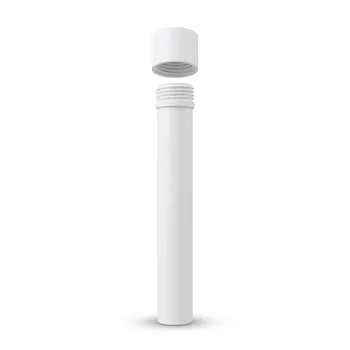
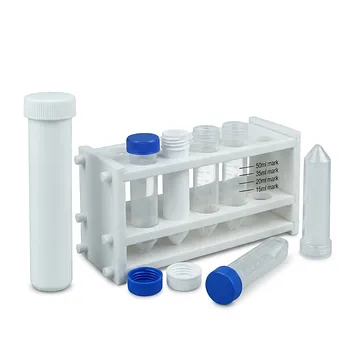
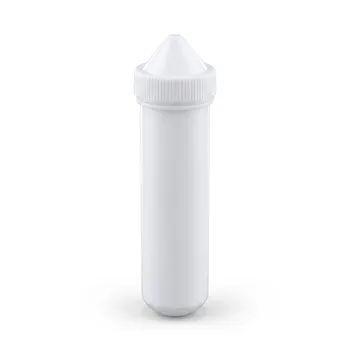
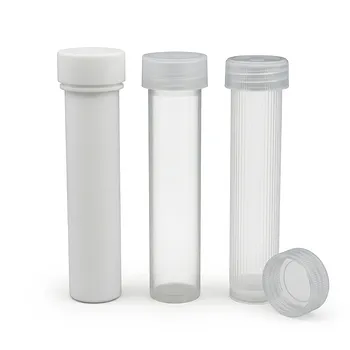
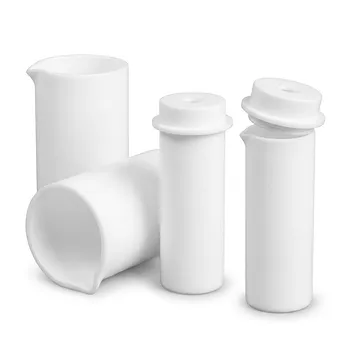
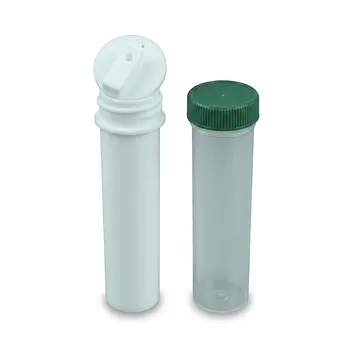
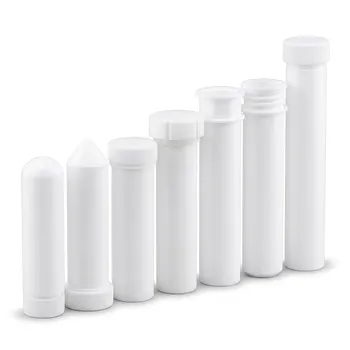
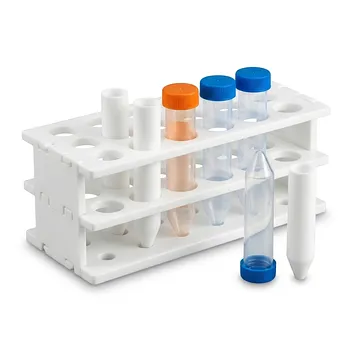
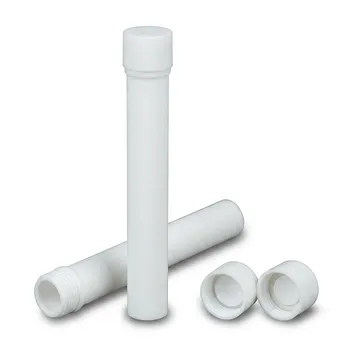
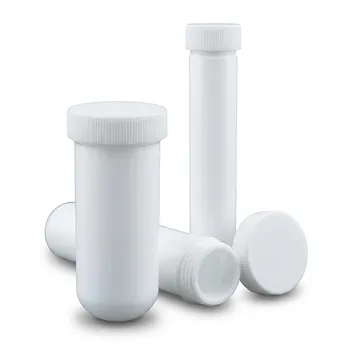
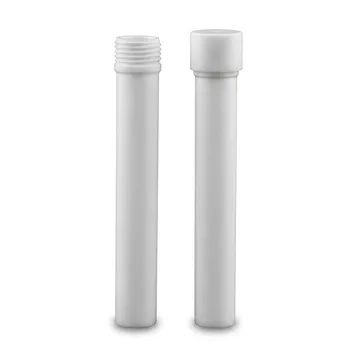
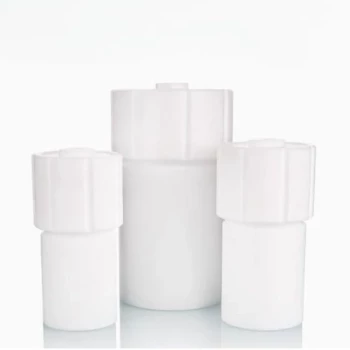
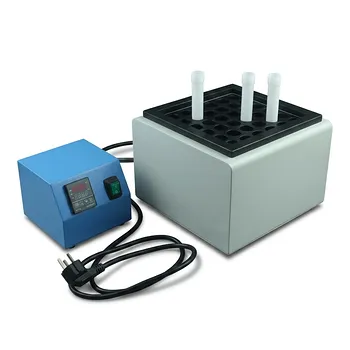
PTFE digestion tubes are essential components in analytical chemistry, primarily available in standard capacities of 50 mL and 100 mL. While these sizes represent the industry standard for most laboratory workflows, manufacturers also produce larger volumes to accommodate high-mass samples. Physically, these tubes are configured for either open-block digestion or closed-vessel microwave systems, featuring specialized sealing mechanisms like threaded caps or pressure-resistant liners.
Core Takeaway: PTFE digestion tubes provide a chemically inert, high-temperature environment for sample decomposition, typically ranging from 50–100 mL and offered in configurations optimized for either atmospheric block heating or high-pressure microwave digestion.
Standard Capacities and Scaling Options
Common Laboratory Sizes
The most frequent configurations for PTFE digestion tubes are 50 mL and 100 mL volumes. These sizes are standardized to fit common graphite or aluminum heating blocks used in wet chemical digestion.
High-Volume and Specialized Needs
While the 50–100 mL range is standard, larger capacities are manufactured for specific industrial or environmental applications. These larger vessels allow for the processing of larger sample matrices without compromising the inertness of the container.
Internal Surface Customization
Depending on the application, the interior of these tubes can be manufactured with different textures. While most are smooth-walled to prevent sample carryover, some configurations may feature specific textures to suit specialized fluid dynamics or processing requirements.
Physical Configurations for Digestion Systems
Open and Block Digestion Systems
Tubes designed for open-block digestion are typically used with graphite or aluminum heaters. These configurations focus on atmospheric or low-pressure decomposition where constant monitoring and manual acid additions are common.
Closed-Vessel Microwave Configurations
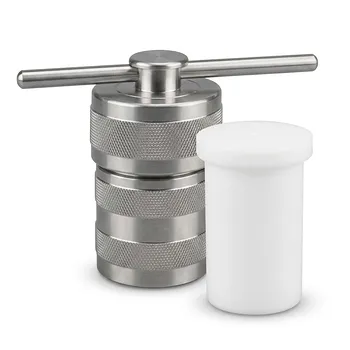
For high-pressure applications, PTFE tubes are configured as part of a closed-vessel microwave system. These often include specialized liners and threaded caps designed to maintain a secure seal under significant internal pressure.
Mechanical Reinforcement and Jackets
In high-pressure environments, the PTFE liner is often supported by an external metal or high-strength polymer jacket. This reinforcement prevents the PTFE from deforming under the combined stress of high heat and internal gas pressure.
Material Integrity and Safety Features
Thermal Stability and Performance
PTFE vessels offer a wide continuous service range from -200 °C to +260 °C. They can even tolerate short-term temperatures approaching 327 °C, allowing for digestion at temperatures far exceeding the boiling points of standard laboratory acids.
Integrated Safety Mechanisms
High-pressure digestion vessels are engineered with critical safety features such as pressure relief valves or rupture discs. These mechanisms ensure that if internal pressure exceeds safe limits, the gases are vented in a controlled and predictable manner.
Managing Thermal Expansion
Because PTFE and its support structures expand at different rates, many configurations include spring-loaded closure mechanisms. these components compensate for differential thermal expansion, maintaining a constant seal during both heating and cooling cycles.
Understanding the Trade-offs
Pressure Limits vs. Material Flexibility
While PTFE is exceptionally inert, it is a relatively soft polymer that can "creep" or deform under high pressure. This necessitates the use of heavy external jackets, which can increase the thermal lag during the heating process.
Chemical Purity vs. Mechanical Strength
Unreinforced PTFE offers the highest level of trace element purity, which is vital for ICP-MS analysis. However, without external support, these tubes are limited to lower temperatures and pressures compared to composite or metal-jacketed alternatives.
Selecting the Right Tube for Your Lab
How to Apply This to Your Project
- If your primary focus is high-sensitivity trace analysis (ICP-MS): Prioritize high-purity, unreinforced PTFE tubes to minimize leaching backgrounds.
- If your primary focus is rapid sample throughput: Opt for 50 mL tubes configured for microwave digestion systems to leverage higher temperatures and faster reaction times.
- If your primary focus is large or complex sample matrices: Select 100 mL or larger capacities to ensure sufficient acid-to-sample ratios during the decomposition process.
By matching the specific capacity and physical reinforcement to your digestion method, you ensure both the integrity of your analytical results and the safety of your laboratory environment.
Summary Table:
| Feature | Specifications | Best Use Case |
|---|---|---|
| Standard Capacities | 50 mL and 100 mL | Routine laboratory workflows & graphite blocks |
| System Compatibility | Open-block or Closed-vessel microwave | Atmospheric decomposition or high-pressure digestion |
| Temperature Range | -200 °C to +260 °C (Short-term up to 327 °C) | High-temperature acid digestion |
| Safety Configurations | External jackets, relief valves, rupture discs | High-pressure environments to prevent deformation |
| Material Integrity | High-purity PTFE/PFA | Trace element analysis (ICP-MS) |
Elevate Your Analytical Precision with KINTEK
Unlock the full potential of your laboratory with KINTEK’s premium fluoropolymer solutions. Whether you need standard 50 mL or 100 mL PTFE digestion tubes, or complex custom-engineered reaction apparatus, we provide the purity and performance your research demands.
Our expertise extends from everyday basic labware like beakers, crucibles, and centrifuge tubes to advanced hydrothermal synthesis liners and microchannel reactors. Backed by end-to-end custom CNC fabrication, KINTEK can deliver everything from bespoke laboratory setups to high-volume orders with an absolute focus on high-performance materials.
Ready to upgrade your lab? Contact KINTEK Today to explore our full range of PFA and PTFE labware and discuss how our tailored manufacturing can support your specific trace analysis needs.
Related Products
- Custom 100ml PTFE Digestion Tube for Heavy Metal Trace Analysis and High Temperature Acid Digestion
- High Purity PTFE Digestion Tubes for Microwave Systems Soil and Food Trace Analysis Acid Resistant Customizable
- Custom PTFE Digestion Tubes and High Purity Polytetrafluoroethylene Centrifuge Vessels 60ml for Trace Analysis
- High Purity PTFE Digestion Tubes and Custom Centrifuge Tubes 100ml for Trace Analysis and Chemical Digestion
- Custom PTFE Digestion Tube Double Sided Openable High Temperature Corrosion Resistant Low Background
People Also Ask
- How do PTFE digestion tubes assist in pharmaceutical and biological sample preparation? Ensure High Recovery & Purity
- What is the primary function of PTFE digestion tubes in a laboratory setting? Essential for Pure Sample Mineralization
- How do PTFE digestion tubes minimize contamination during ultra-trace elemental analysis? Achieve high-purity results.
- What is the primary role of a PTFE digestion tube in analytical chemistry? Ensure High Purity and Trace Accuracy
- How does a PTFE digestion tube facilitate sample decomposition in a conventional hot-block heating system? Boost Efficiency & Purity