The primary purpose of using a high-pressure microwave digestion system is to ensure the complete decomposition of the complex soil matrix. This process utilizes extreme thermal and pressure conditions to release tightly bound heavy metals, such as cadmium (Cd) and lead (Pb), which are otherwise trapped within mineral structures or organic matter. By converting these metals into a stable ionic state within a high-purity solution, researchers can accurately measure total elemental concentrations to evaluate the effectiveness of soil treatments like biochar.
High-pressure microwave digestion is a critical pre-treatment step that achieves total mineralization of soil samples. It provides the necessary physical environment—intense heat and pressure—to break down insoluble minerals and organic bonds, ensuring the full recovery of heavy metals for precise analytical results.
Achieving Total Mineralization in Complex Matrices
Breaking Down Mineral and Organic Structures
Soil is a heterogeneous mixture of minerals, organic matter, and microorganisms that can shield heavy metals from simple acid leaching. High-pressure systems use microwave energy to rapidly heat samples, allowing strong acids to operate at temperatures significantly higher than their atmospheric boiling points.
Releasing Tightly Bound Heavy Metals
In the context of soil cultivation experiments, heavy metals like cadmium and lead often exist in a "residual" state, meaning they are integrated into the crystal lattice of minerals. The high-pressure environment is essential to break these strong chemical bonds and release the most tightly bound metals into the solution.
Evaluating Passivation Efficiency
For researchers studying functionalized biochar, accurate "total" concentration data is mandatory to determine how much of a contaminant has been successfully "passivated" or immobilized. Without complete digestion, the measured concentration would be artificially low, leading to incorrect conclusions about the efficiency of the soil amendment.
Enhancing Analytical Precision and Recovery
Accelerating Chemical Reactions
Microwave energy provides volumetric heating, which is much faster and more uniform than traditional conductive heating. This speed, combined with high internal pressure, significantly reduces the time required to mineralize complex organic and inorganic matrices compared to open-vessel methods.
Preventing Volatile Element Loss
Because the digestion occurs within a physically closed environment, the loss of volatile elements—which could escape as gases in an open system—is prevented. This ensures that the final liquid sample represents a 100% recovery of the elements originally present in the dry soil.
Creating High-Purity Solutions for Analysis
The use of inert fluoropolymers like PTFE or PFA for vessel liners minimizes the risk of cross-contamination during trace analysis. The end result is a clear, homogeneous, and high-purity ionic solution that is perfectly suited for high-precision instruments like ICP-OES or ICP-MS.
Understanding the Trade-offs and Risks
Vessel Pressure and Safety Limits
The primary risk in this process is the generation of extreme internal pressure, especially when samples contain high amounts of organic matter (like biochar or manure). If the pressure exceeds the vessel's design limits, safety vents may trigger, or in rare cases, vessel failure can occur, potentially leading to sample loss or equipment damage.
The Necessity of Specific Acid Mixtures
Total digestion often requires the use of hazardous acids, such as hydrofluoric acid (HF), to break down silicate minerals. While effective, these chemicals require specialized handling protocols and can damage analytical equipment if not properly neutralized or evaporated after the digestion process.
Equipment and Operational Costs
High-pressure microwave systems are significant capital investments compared to hot plates or block digesters. They also require specialized consumables, such as high-performance liners, and rigorous cleaning procedures to maintain the "trace-metal-clean" environment necessary for accurate results.
Applying This to Your Soil Research Goals
Effective soil analysis depends on matching your digestion parameters to your specific research objectives. Choosing the right approach ensures that your data accurately reflects the chemical state of your soil samples.
- If your primary focus is evaluating biochar effectiveness: Utilize high-pressure digestion to ensure total recovery of Cd and Pb, as this provides the "total" baseline needed to calculate passivation ratios.
- If your primary focus is analyzing volatile trace elements: Ensure the use of a completely sealed, high-pressure rotor to prevent the escape of gaseous elements during the heating phase.
- If your primary focus is processing high-organic samples: Use a system with active pressure monitoring and "vent-and-reseal" technology to safely manage the CO2 gas produced during the destruction of organic matter.
By mastering the high-pressure digestion process, you transform complex soil samples into reliable data that defines the success of your cultivation experiments.
Summary Table:
| Feature | Benefit in Soil Analysis | Significance |
|---|---|---|
| High Pressure/Heat | Breaks mineral and organic bonds | Releases tightly bound heavy metals (Cd, Pb) |
| Closed Vessel System | Prevents volatile element loss | Ensures 100% recovery for precise total analysis |
| Fluoropolymer Liners | Extreme chemical resistance | Eliminates cross-contamination in trace metal detection |
| Volumetric Heating | Rapid, uniform sample digestion | Drastically reduces processing time vs. traditional methods |
Elevate Your Soil Research with KINTEK’s High-Performance Fluoropolymer Solutions
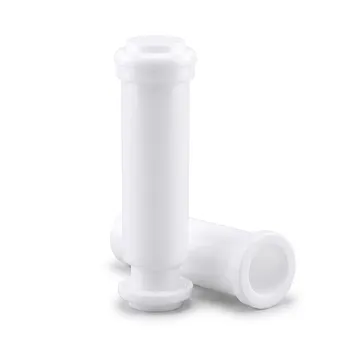
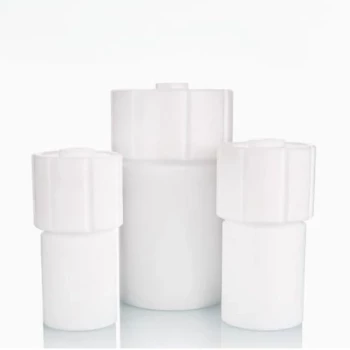
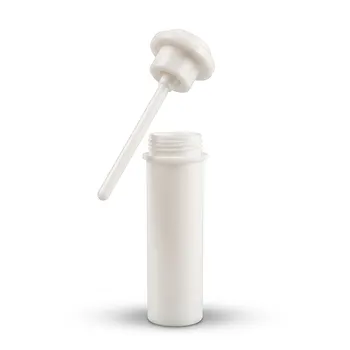
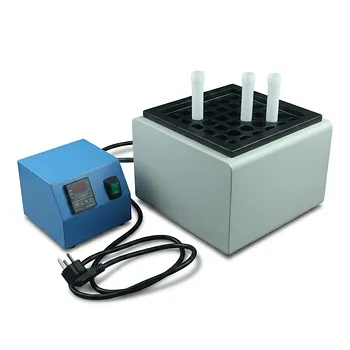
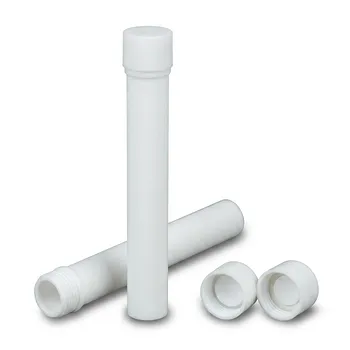
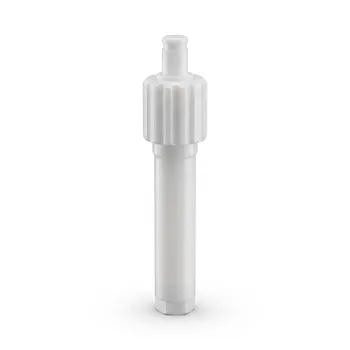
Achieving precise trace metal recovery starts with the highest-quality materials. At KINTEK, we specialize in manufacturing premium laboratory supplies crafted from PTFE and PFA, specifically designed to withstand the intense heat and corrosive acids required for high-pressure microwave digestion.
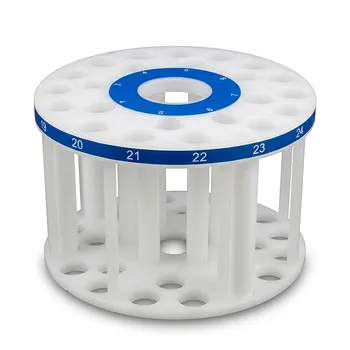
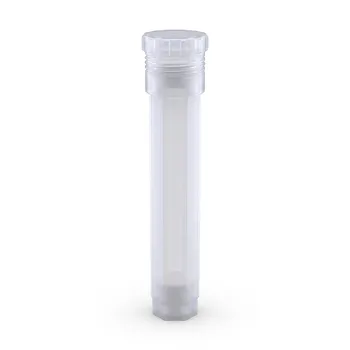
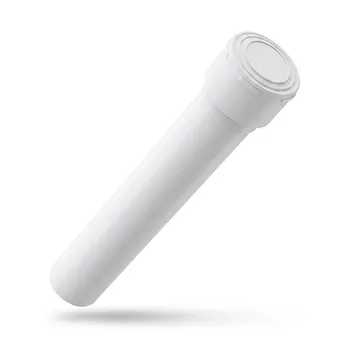
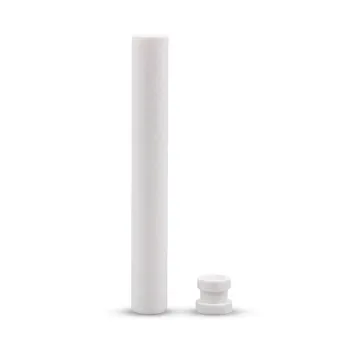
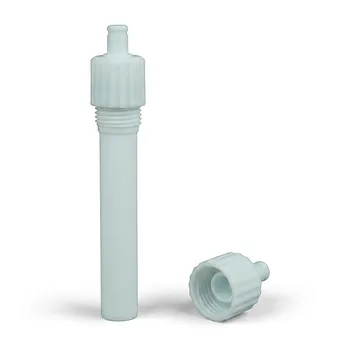
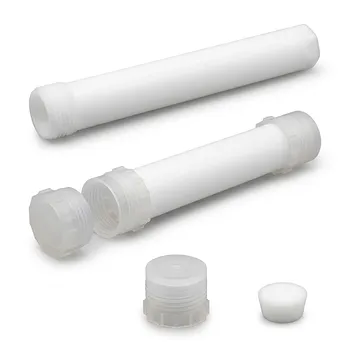
Whether you need standard microwave digestion vessels, liners, and digestion tubes, or complex bespoke laboratory setups, our end-to-end custom CNC fabrication ensures your equipment meets your exact experimental parameters. We provide an extensive range of high-purity products—from basic reagent bottles, beakers, and filters to advanced hydrothermal synthesis liners and reaction apparatus—all maintaining an absolute focus on high-performance fluoropolymer materials.
Why Choose KINTEK?
- Unmatched Purity: PFA and PTFE components ensure a trace-metal-clean environment.
- Custom Fabrication: Non-standard machined parts tailored to your specific digestion system.
- Durability: Built to handle the extreme thermal and pressure conditions of soil mineralization.
Ready to optimize your sample preparation and achieve total recovery? Contact KINTEK today to discuss your custom requirements and discover how our high-purity laboratory supplies can drive your research forward.
References
- Xin Pan, Sabry M. Shaheen. Functionalization of sawdust biochar using Mg-Fe-LDH and sodium dodecyl sulfonate enhanced its stability and immobilization capacity for Cd and Pb in contaminated water and soil. DOI: 10.1007/s42773-024-00401-7
This article is also based on technical information from Kintek Knowledge Base .
Related Products
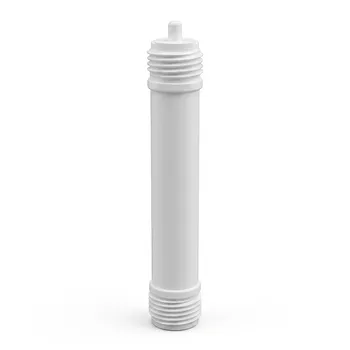
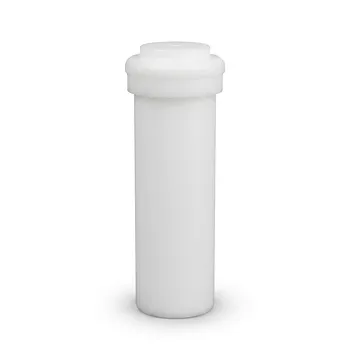
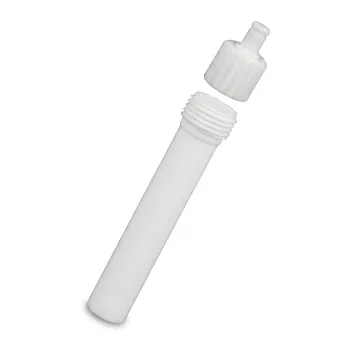
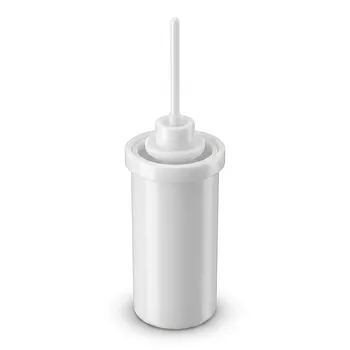
- High Purity PTFE Microwave Digestion Vessel for Soil and Food Analysis Acid Resistant Fluoropolymer Sample Preparation Liners
- High Purity TFM Microwave Digestion Vessels for Trace Analysis and Custom Sample Preparation Systems
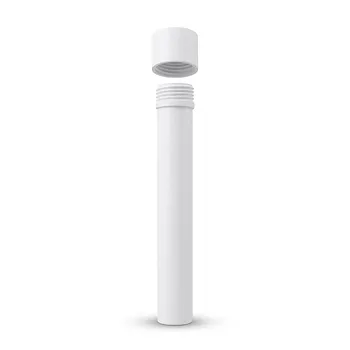
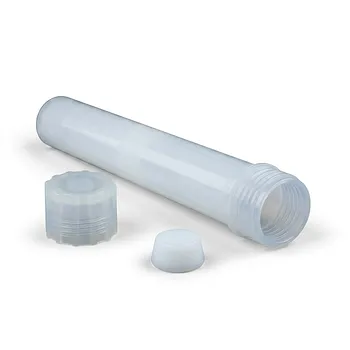
- High Purity PTFE Digestion Tubes for Microwave Systems Soil and Food Trace Analysis Acid Resistant Customizable
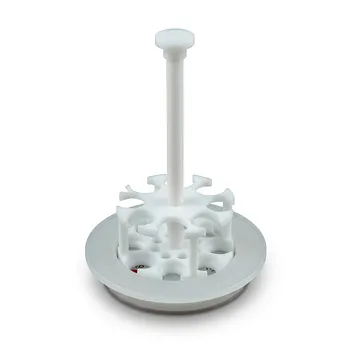
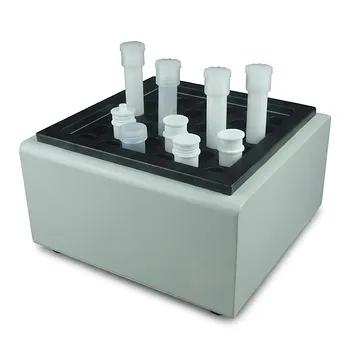
- High Performance TFM Microwave Digestion Vessel Rack 15 Position Customizable Sample Preparation Support
- Custom High Purity TFM Microwave Digestion Vessel 100ml for Analytical Laboratory Sample Preparation
People Also Ask
- Why is PTFE preferred for microwave-assisted Ln-MOF synthesis? Key Benefits for Purity & Speed
- How does the dielectric property of PTFE benefit microwave-assisted digestion? Unlock Rapid and Uniform Sample Heating
- What are the advantages of using microwave digestion vessels? Optimize EG@MO synthesis with superior thermal control.
- What are the advantages of using microwave digestion vessels for environmental analysis? Boost speed and sample accuracy.
- What safety features are commonly integrated into microwave digestion vessels? Ensuring High-Pressure Laboratory Safety