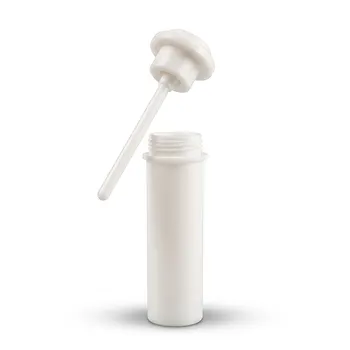
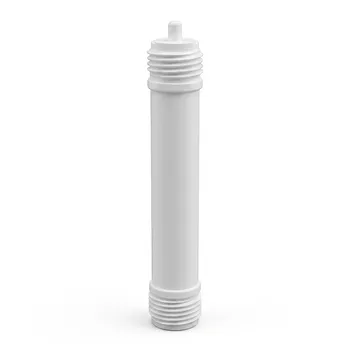
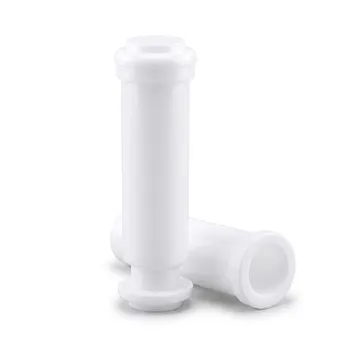
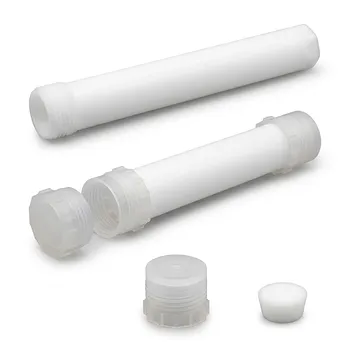
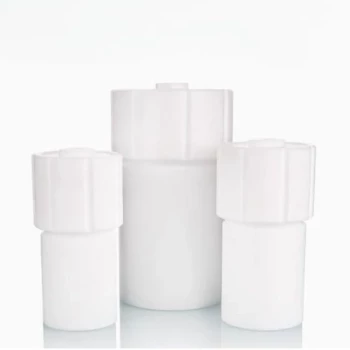
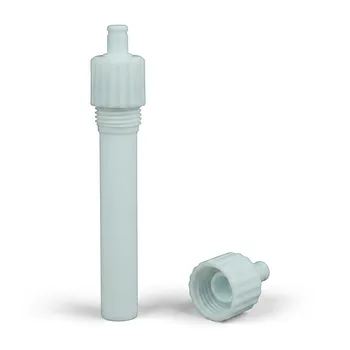
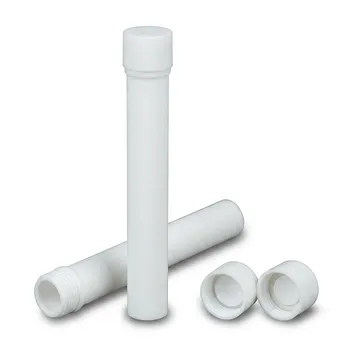
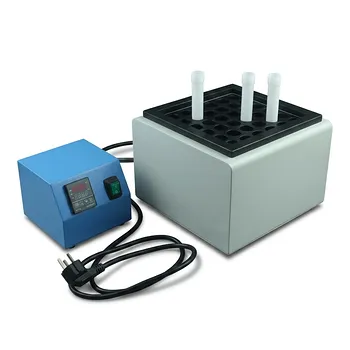
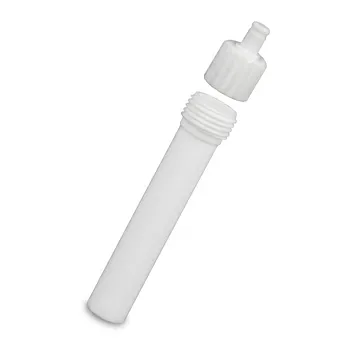
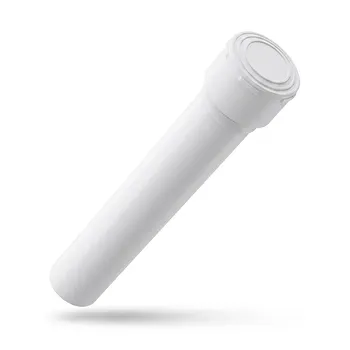
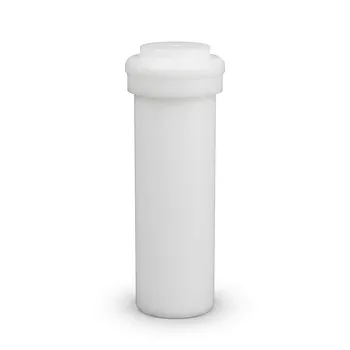
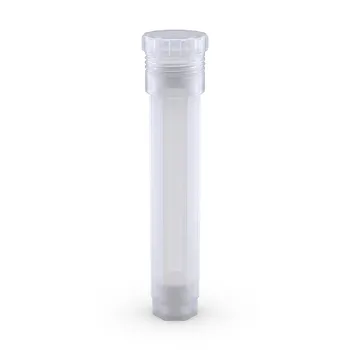
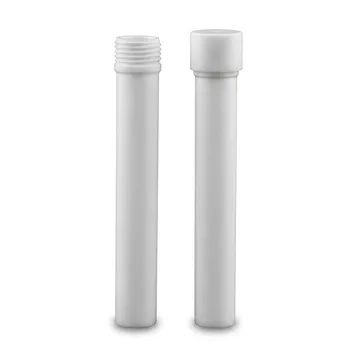
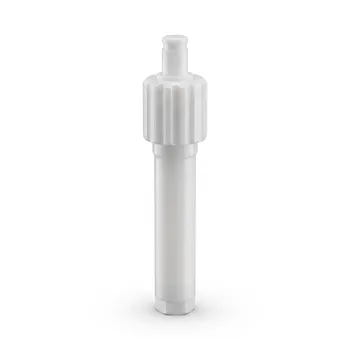
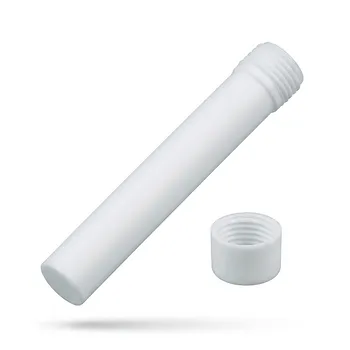
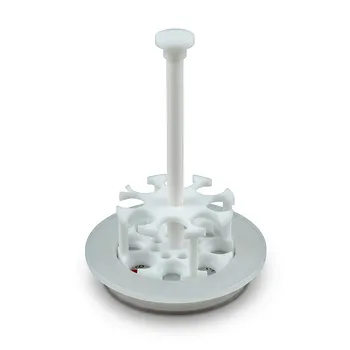
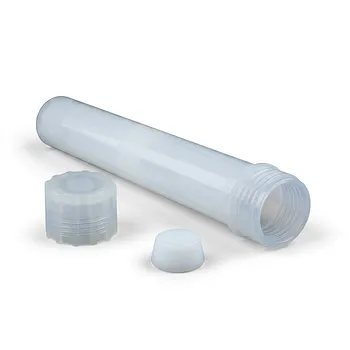
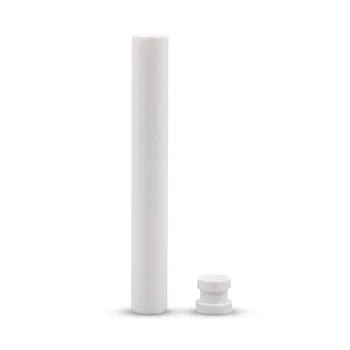
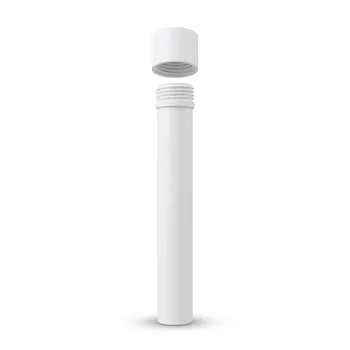
Specialized microwave digestion and synthesis vessels are critical for MXene composite production because they enable volumetric heating, maintain high-pressure environments, and ensure microwave transparency. These vessels allow the reaction mixture to reach target temperatures rapidly and uniformly, facilitating the fast nucleation of active substances like lithium manganate directly onto MXene scaffolds. This process results in smaller, more evenly distributed nanoparticles, which significantly enhances the electrochemical kinetics and capacity of the resulting cathode materials.
Core Takeaway: Specialized microwave vessels provide a chemically resistant and pressure-stable environment that allows microwave energy to interact directly with reactants. This synergy accelerates synthesis, inhibits impurity formation, and ensures the structural integrity of MXene composites through precise thermal control.
Enhancing Reaction Kinetics through Volumetric Heating
Rapid and Uniform Heat Transfer
Unlike traditional conduction-based heating, specialized vessels allow for volumetric heating, where electromagnetic energy is converted to heat throughout the entire volume of the reaction mixture. This leads to a near-instantaneous rise in temperature, significantly reducing the total reaction time from hours to minutes.
Accelerated Nucleation and Grain Growth
The rapid heating profile induces faster nucleation and growth of active substances on the MXene scaffolds. By controlling this process within specialized containers, researchers can produce smaller particles with a more uniform distribution, which is essential for improving the rate performance of cathode materials.
Localized Micro-Scale Hot Spots
The interaction between microwave energy and polar molecules within these transparent vessels creates localized hot spots. these micro-scale thermal zones promote uniform grain growth and optimal pore development, which are vital for maintaining high ion transport rates in the finished electrode.
Material Integrity and Wave Transparency
Exceptional Wave Transparency
The vessels are manufactured from high-performance polymers that possess excellent wave transparency. This ensures that the microwave energy is not absorbed by the container itself but is instead directed entirely into the precursor solution for maximum efficiency.
Corrosion Resistance and Purity
MXene synthesis often involves aggressive chemical environments, such as acidic or oxidative solutions. Specialized vessels offer superior corrosion resistance, preventing the introduction of environmental impurities and ensuring that the chemical co-precipitation process remains uncontaminated.
Prevention of Impurity Formation
The speed of microwave-assisted synthesis, facilitated by these vessels, helps inhibit the formation of unwanted secondary phases, such as titanium phosphate. By reaching reaction temperatures quickly, the system preserves the critical ion transport channels within the MXene structure.
The Role of High-Pressure Environments
Solvothermal and Hydrothermal Conditions
Specialized vessels act as sealed high-pressure reaction tanks, allowing solvents to be heated well above their atmospheric boiling points. These solvothermal conditions increase the solubility of metal precursors and accelerate the reduction processes necessary for composite formation.
Withstanding Extreme Internal Pressure
The synthesis of high-performance cathode materials often generates significant internal pressure, sometimes exceeding 200 psi. These vessels are engineered with high mechanical strength to endure these forces without deforming, ensuring both experimental safety and consistent results.
Retention of Volatile Elements
The closed environment provided by these digestion vessels is essential for preventing the loss of volatile elements. By keeping the system sealed, the stoichiometry of the composite material is maintained, leading to higher capacity and more predictable electrochemical behavior.
Understanding the Trade-offs
Material Fatigue and Lifespan
While high-performance polymers are durable, the repeated cycles of high temperature and extreme pressure can lead to material fatigue. Over time, vessels may develop micro-cracks or lose their structural integrity, necessitating a strict replacement schedule to prevent catastrophic failure.
Cost and Specialized Infrastructure
Specialized microwave vessels and the accompanying synthesis systems represent a significant capital investment. The cost of these high-pressure containers is substantially higher than standard laboratory glassware, and they require specific microwave reactors designed to handle their dimensions and pressure ratings.
Complexity of Scalability
While these vessels are excellent for laboratory-scale research and small batches, scaling the microwave-assisted co-precipitation process to an industrial level is challenging. Maintaining uniform microwave penetration and pressure across larger volumes requires complex engineering that can be difficult to implement economically.
How to Apply This to Your Project
Making the Right Choice for Your Goal
To optimize your MXene composite synthesis, select your vessel and parameters based on your primary objective:
- If your primary focus is Maximum Kinetic Performance: Utilize high-pressure vessels to achieve the smallest possible nanoparticle size and most uniform distribution on the MXene scaffold.
- If your primary focus is Material Purity: Ensure the vessel material is specifically rated for the acids in your precursor to prevent leaching and the formation of secondary impurities.
- If your primary focus is Morphological Control: Leverage the high-pressure capabilities of these vessels to maintain solvothermal conditions, which are critical for growing specific nanostructures like nanorods or nanosheets.
By leveraging the unique thermal and structural properties of specialized microwave vessels, you can achieve a level of precision in MXene composite synthesis that traditional heating methods simply cannot match.
Summary Table:
| Key Feature | Functional Benefit | Impact on MXene Composites |
|---|---|---|
| Volumetric Heating | Instantaneous, uniform temperature rise | Facilitates fast nucleation and small particle size |
| Wave Transparency | Direct energy transfer to reactants | Maximizes efficiency and accelerates reaction kinetics |
| Pressure Stability | Supports sealed solvothermal conditions | Increases precursor solubility and retains volatiles |
| Corrosion Resistance | Withstands aggressive acidic/oxidative media | Prevents contamination and inhibits impurity formation |
| High Thermal Control | Precise management of localized hot spots | Ensures structural integrity and optimal pore development |
Elevate Your MXene Synthesis with KINTEK’s High-Performance Fluoropolymers
Precision is paramount when synthesizing next-generation MXene composites. KINTEK provides an exhaustive range of high-performance labware crafted exclusively from premium PTFE and PFA, specifically designed to withstand the aggressive chemical and high-pressure environments of microwave digestion and synthesis.
Whether your research requires everyday basic labware (beakers, crucibles, reagent bottles) or advanced reaction apparatus like microwave digestion vessels, hydrothermal synthesis liners, and custom electrochemical cells, we have you covered. Backed by end-to-end custom CNC fabrication, KINTEK is equipped to deliver everything from complex non-standard machined parts to high-volume orders with absolute focus on material purity and durability.
Ready to optimize your lab's performance? Contact KINTEK today for bespoke fluoropolymer solutions!
References
- Umme Kalsoom, Malik Maaza. MXene-based hybrid composites for lithium-ion batteries: advances in synthesis strategies and electrochemical performance. DOI: 10.1007/s11581-025-06628-z
This article is also based on technical information from Kintek Knowledge Base .
Related Products
- Custom TFM Microwave Digestion Vessels for ICP-OES Analysis High Purity Fluoropolymer Sample Preparation Labware
- High Purity PTFE Microwave Digestion Vessel for Soil and Food Analysis Acid Resistant Fluoropolymer Sample Preparation Liners
- Custom High Purity TFM Microwave Digestion Vessel 100ml for Analytical Laboratory Sample Preparation
- High Purity Laboratory Microwave Digestion Vessel Customizable PFA PTFE Digestion Tank for Analytical Sample Preparation Trace Metal Analysis
- Custom PTFE Microwave Digestion Vessels for Demanding Applications
People Also Ask
- What safety features are commonly integrated into microwave digestion vessels? Ensuring High-Pressure Laboratory Safety
- What are the advantages of using microwave digestion vessels for environmental analysis? Boost speed and sample accuracy.
- What are the advantages of using microwave digestion vessels? Optimize EG@MO synthesis with superior thermal control.
- How do microwave digestion vessels support pharmaceutical elemental impurity testing? Achieve Precise USP Compliance
- Which safety mechanisms are typically integrated into high-precision microwave digestion vessels? A Complete Safety Guide