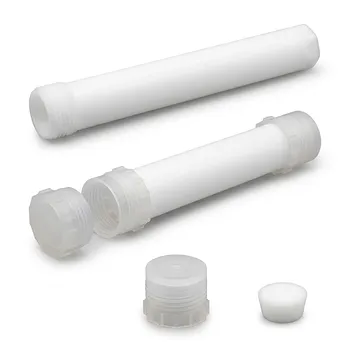
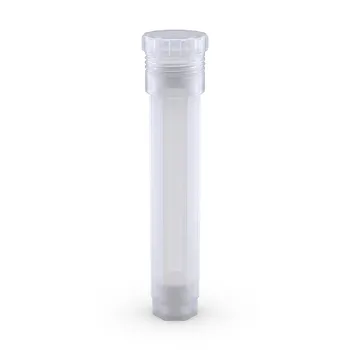
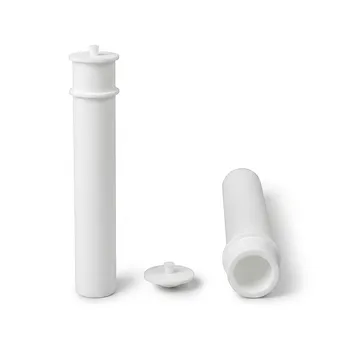
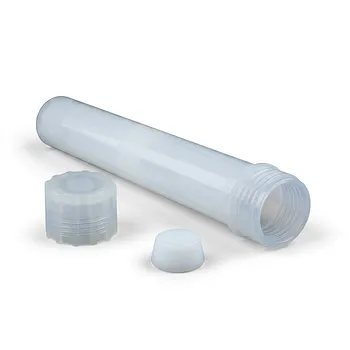
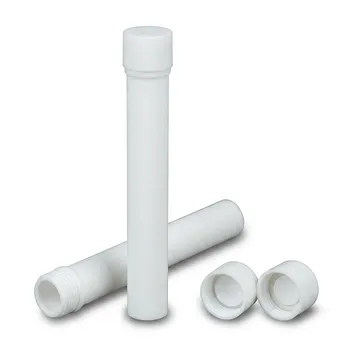
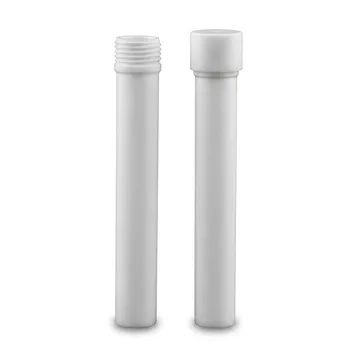
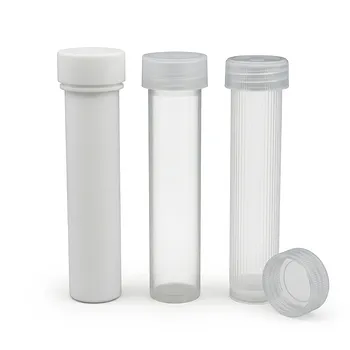
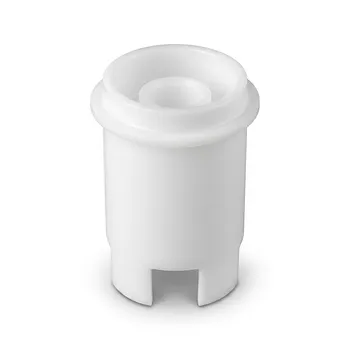
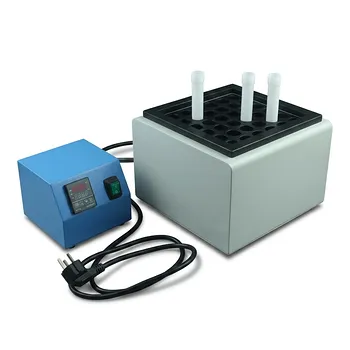
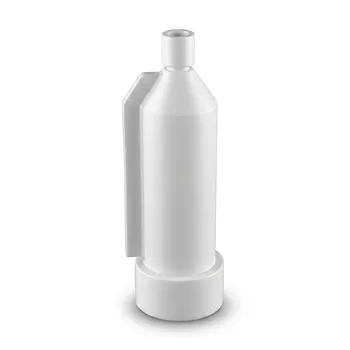
PFA digestion vessels are essential for the complete dissolution of Lithium Iron Phosphate (LiFePO4) while maintaining the integrity of trace element profiles. These specialized containers facilitate sample pretreatment by providing a chemically inert, high-purity environment for strong acid digestion. They ensure that LiFePO4 samples are converted into a clear, ion-rich solution suitable for ICP-OES or ICP-MS analysis without introducing background contamination or allowing the loss of volatile elements.
Core Takeaway: PFA digestion vessels serve as the foundation for high-precision battery material analysis by combining extreme chemical resistance with near-zero metal background levels. This ensures that measured elemental ratios and impurities accurately reflect the sample's true composition rather than artifacts of the container.
Ensuring High-Purity Sample Pretreatment
Eliminating Background Interference
High-purity PFA (perfluoroalkoxy) material has an extremely low background value for metal elements. This is critical when detecting trace impurities in LiFePO4, as any leaching from the vessel walls would skew the results of sensitive instruments like ICP-MS.
Preventing Analyte Adsorption
The exceptionally smooth inner surface and low surface energy of PFA prevent target ions from sticking to the container walls. This ensures a high recovery rate for trace elements, which is vital for calculating accurate chemical stoichiometric ratios in complex battery materials.
Minimizing Cross-Contamination
PFA’s non-stick properties make the vessels significantly easier to clean than glass or other polymers. This reduces the risk of residual "memory effects" between experimental batches, ensuring the reliability of sequential analyses.
Managing Harsh Digestion Environments
Resistance to Strong Acids and Hydrofluoric Acid
LiFePO4 digestion often requires aggressive acid mixtures, including nitric acid and occasionally hydrofluoric acid (HF). PFA provides superior chemical stability and can withstand these corrosive environments at high temperatures without degrading.
Maintaining Integrity Under Pressure
During sample pretreatment, these vessels provide a sealed environment that maintains stable pressure throughout the digestion process. This closed-system approach is necessary to prevent the volatilization and subsequent loss of specific elements.
Facilitating Complete Dissolution
The ability of PFA to withstand the high-energy environments of microwave digestion systems allows for the rapid destruction of the sample matrix. This results in a high-quality, clear ion solution that is ready for high-precision trace element detection.
Understanding the Trade-offs and Limitations
Thermal Constraints Compared to PTFE
While PFA offers superior clarity and sealing, it generally has a slightly lower continuous service temperature than PTFE. Users must monitor temperature levels during high-pressure digestion to ensure the vessel maintains its structural integrity.
Cost and Handling Considerations
PFA vessels are high-performance consumables and represent a larger investment than standard labware. Their longevity depends on rigorous cleaning protocols and careful handling to avoid scratching the smooth inner surfaces, which could increase ion adsorption over time.
Complexity of Sealing
Achieving a perfect seal requires precise torque or specialized capping tools provided by the manufacturer. If not sealed correctly, the loss of volatile elements can occur, undermining the primary benefit of using a closed-vessel system.
How to Apply This to Your Project
When selecting digestion vessels for Lithium Iron Phosphate analysis, consider your specific analytical requirements to ensure the highest data quality.
- If your primary focus is detecting ultra-trace impurities: Use high-purity PFA vessels specifically for their near-zero metal blank values and low adsorption characteristics.
- If your primary focus is verifying stoichiometric ratios (Li:Fe:P): Prioritize closed-vessel PFA systems to ensure no volatile loss of elements occurs during the high-pressure acid digestion phase.
- If your primary focus is high-throughput routine testing: Implement a standardized PFA cleaning protocol to take advantage of the material's low surface energy and minimize cross-contamination between samples.
Selecting the right PFA digestion vessel is a critical step in transforming solid battery materials into reliable, high-precision analytical data.
Summary Table:
| Feature | Function in LiFePO4 Analysis | Analytical Benefit |
|---|---|---|
| High Purity PFA | Eliminates background metal leaching | Accurate trace impurity detection (ICP-MS) |
| Non-Stick Surface | Prevents ion adsorption to vessel walls | High recovery rates and precise stoichiometry |
| Acid Resistance | Withstands hot Nitric and Hydrofluoric acid | Complete dissolution of stable battery matrices |
| Closed-System Seal | Maintains pressure during digestion | Prevents loss of volatile elements |
| Low Surface Energy | Facilitates easy, residue-free cleaning | Minimizes cross-contamination between batches |
Optimize Your Battery Material Analysis with KINTEK
Precision in Lithium Iron Phosphate (LiFePO4) testing begins with the quality of your pretreatment tools. KINTEK specializes in high-performance fluoropolymer solutions designed to meet the most rigorous analytical standards.
Whether you require everyday basic labware like PFA digestion tubes, beakers, and reagent bottles, or specialized high-purity trace analysis instruments, we provide the purity your lab demands. Our expertise extends from standard consumables—such as filters, pipettes, and stirring bars—to advanced custom electrochemical cells, battery testing fixtures, and microwave digestion vessels.
Backed by end-to-end custom CNC fabrication, KINTEK is equipped to deliver everything from complex non-standard machined parts to high-volume orders with an absolute focus on PTFE and PFA materials.
Ready to elevate your lab's performance? Contact us today to discuss your custom laboratory setup!
References
- N.U. Kalugade, G. M. Lohar. Machine Learning Analysis of Hydrothermally Synthesized LiFePO<sub>4</sub> for Lithium‐Ion Battery. DOI: 10.1002/bte2.20250021
This article is also based on technical information from Kintek Knowledge Base .
Related Products
- 15 Position Customizable Microwave Digestion Vessel Rack High Purity PTFE PFA Non Stick Laboratory Sample Preparation System
- High Purity PFA Sample Dissolution Cups Acid Resistant Chemical Digestion Vessels with Lids Trace Analysis Labware
- High Purity Laboratory Microwave Digestion Vessel Customizable PFA PTFE Digestion Tank for Analytical Sample Preparation Trace Metal Analysis
- High Purity PTFE PFA Microwave Digestion Vessels Custom Acid Digestion Tanks for Laboratory Sample Preparation
- Custom 100ml PTFE Digestion Tube for Heavy Metal Trace Analysis and High Temperature Acid Digestion
People Also Ask
- What key thermal and chemical properties of fluoropolymers like PTFE and PFA enable their performance in extreme environments like microwave digestion vessels? Discover the science behind their superior performance.
- What are the advantages of using microwave digestion vessels for environmental analysis? Boost speed and sample accuracy.
- What safety features are commonly integrated into microwave digestion vessels? Ensuring High-Pressure Laboratory Safety
- What are the advantages of using microwave digestion vessels? Optimize EG@MO synthesis with superior thermal control.
- How does the dielectric property of PTFE benefit microwave-assisted digestion? Unlock Rapid and Uniform Sample Heating