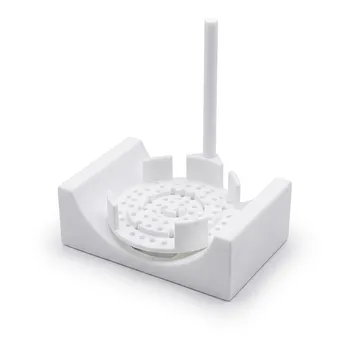
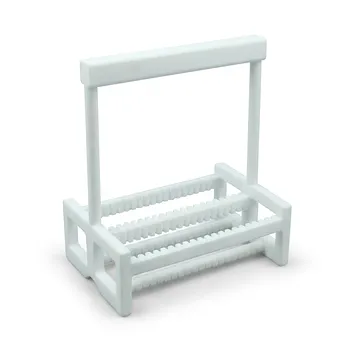
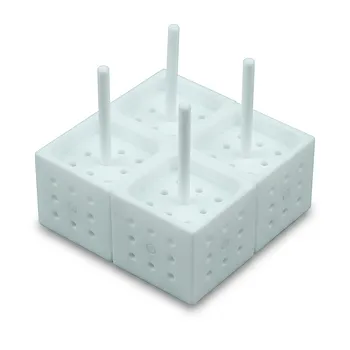
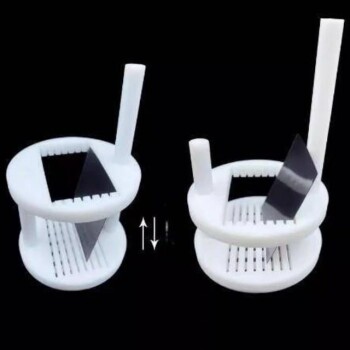
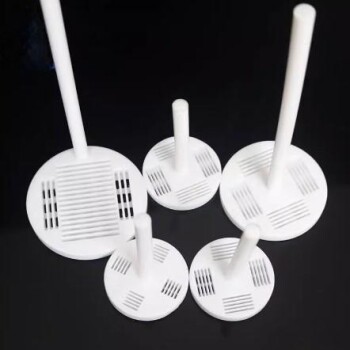
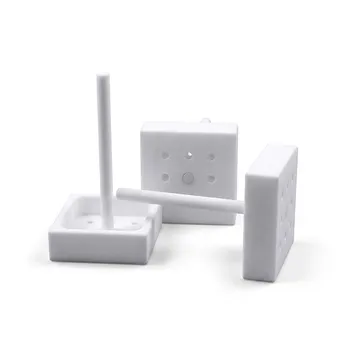
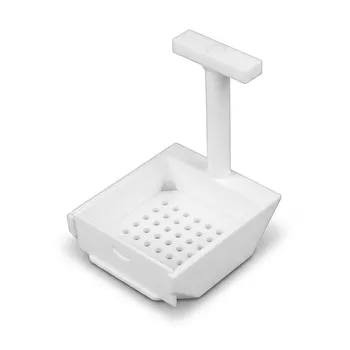
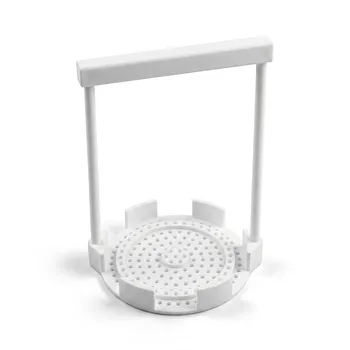
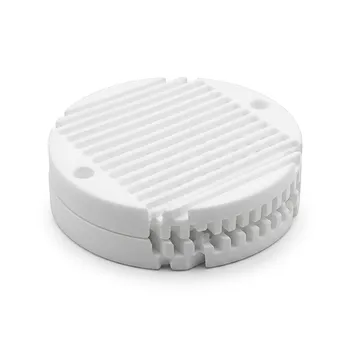
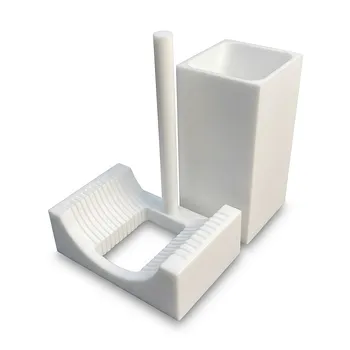
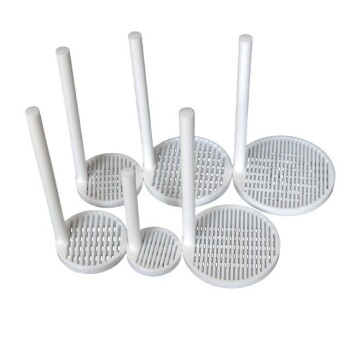
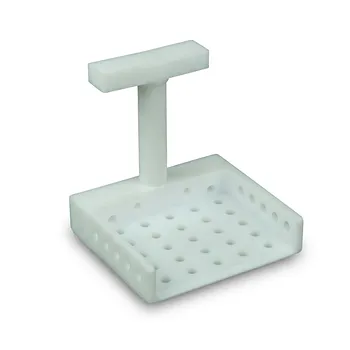
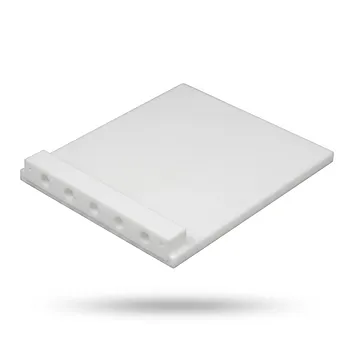
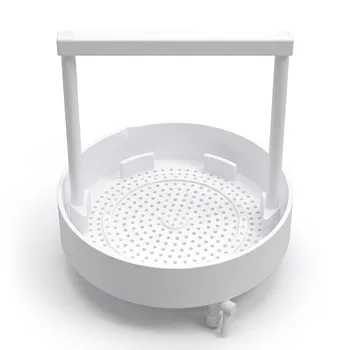
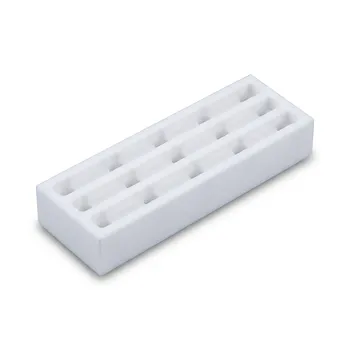
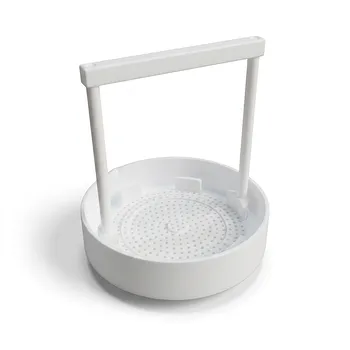
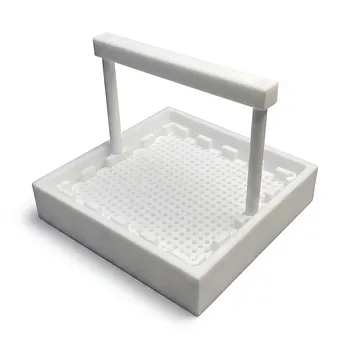
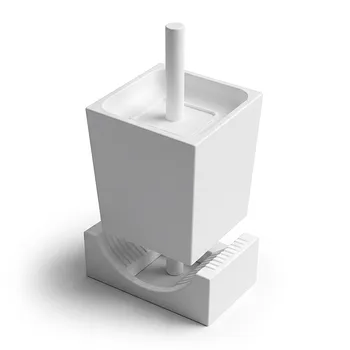
Customization options for PTFE flower baskets revolve around CNC-machined adjustments to scale, geometry, and fluid dynamics to suit specific chemical processes. These carriers can be tailored from 2-inch laboratory models to 300 mm industrial versions, featuring adjustable heights, precision slot geometries for substrate spacing, and integrated fluid-flow channels to ensure uniform chemical exposure.
PTFE flower baskets are engineered-to-order carriers that leverage the chemical inertness of high-purity PTFE while providing a customizable geometry that optimizes fluid flow and substrate stability. By tailoring dimensions and flow paths, researchers and manufacturers can ensure consistent results in highly corrosive environments.
Structural and Dimensional Customization
Scalability from Lab to Production
Custom fabrication via CNC machining allows for a seamless transition between research and industrial scales. Baskets can be sized to hold anything from small 2-inch wafers used in experimental setups to large 300 mm carriers for high-volume semiconductor manufacturing.
Adjustable-Height Configurations
To accommodate varying batch sizes and different tank depths, baskets can be designed with adjustable-height mechanisms. This flexibility allows a single carrier to be repurposed for different stages of a process or used with varying volumes of expensive chemical reagents.
Precision Slot Geometry
The spacing and shape of the slots are critical for maintaining substrate stability while preventing contact between delicate pieces. Customizations include specialized "teeth" or groove designs that minimize the contact area between the PTFE and the substrate, reducing the risk of contamination or physical damage.
Optimizing Fluid Dynamics and Chemical Interaction
Integrated Fluid-Flow Channels
Uniform chemical exposure is vital for processes like etching and cleaning. Baskets can be customized with engineered flow channels or perforated patterns that promote the free movement of fluids, ensuring that chemicals reach all surfaces of the substrate equally.
Adaptation for Advanced Cleaning Methods
Designers can modify the basket structure to be compatible with megasonic or ultrasonic cleaning. This often involves thinning certain sections or creating specific window geometries to allow acoustic energy to penetrate the carrier without being dampened by the PTFE material.
Support for Diverse Chemical Processes
The physical layout of the basket can be optimized for specific chemical workflows, such as RCA clean, Piranha etching, or HF-based methods. This includes adding features that facilitate rapid drainage to prevent "carry-over" contamination when moving between different chemical baths.
Material and Accessory Enhancements
Fillers and Material Additives
While high-purity PTFE is the standard, fillers and additives can be incorporated into the base material to modify its physical properties. These additives can improve wear resistance, adjust thermal conductivity, or change the structural rigidity of the basket for high-temperature applications.
Custom Caps and Identification
Baskets can be fitted with custom-machined caps featuring specific thread types or locking mechanisms to secure substrates during transport. These accessories can be color-coded for easy identification of different process lines or branded for organizational inventory management.
Specialized Liners and Seals
In cases where a hermetic seal or specific cushioning is required, accessories can include silicone or LDPE liners. These components provide additional protection for brittle substrates like Gallium Arsenide (GaAs) or compound semiconductors.
Understanding the Trade-offs
Structural Rigidity vs. Fluid Access
Increasing the number of perforations improves fluid flow but can reduce the overall structural integrity of the basket. Engineers must balance the need for "openness" with the requirement that the carrier remains rigid under the weight of a full substrate load.
Precision Machining vs. Cost
Highly complex slot geometries and internal flow channels increase the CNC machining time and complexity. While these features improve process uniformity, they also increase the initial procurement cost compared to standard "off-the-shelf" rack designs.
Material Purity vs. Mechanical Performance
Adding fillers to PTFE can enhance its mechanical lifespan, but it may introduce potential contaminants into ultra-clean semiconductor environments. It is critical to verify that any additives used are chemically compatible with the specific acids or solvents in the process.
How to Apply This to Your Project
Making the Strategic Choice
To choose the right customization for your PTFE flower basket, evaluate your primary throughput needs and the sensitivity of your substrates.
- If your primary focus is Lab-Scale Research: Opt for adjustable-height models and various slot geometries to allow for experimentation with different substrate sizes and shapes.
- If your primary focus is High-Volume Production: Prioritize 300 mm scales with integrated fluid-flow channels to ensure consistent results and rapid chemical drainage across large batches.
- If your primary focus is Delicate Compound Semiconductors: Focus on specialized slot designs and the addition of soft liners (like LDPE) to minimize mechanical stress and vibration during cleaning.
By leveraging CNC-machined customizations, you can transform a simple carrier into a high-performance tool that enhances both the safety and efficiency of your wet chemical processing.
Summary Table:
| Customization Category | Specific Options | Key Benefits |
|---|---|---|
| Scale & Dimensions | 2-inch lab models to 300mm industrial carriers | Seamless transition from R&D to production scale |
| Geometry & Slots | Adjustable heights, precision "teeth" or grooves | Enhances substrate stability and reduces contamination |
| Fluid Dynamics | Perforated patterns and engineered flow channels | Ensures uniform chemical exposure and rapid drainage |
| Material & Protection | Filled PTFE, custom caps, and LDPE/silicone liners | Improved wear resistance and protection for brittle substrates |
| Process Compatibility | Modified window geometries for megasonic cleaning | Optimized for RCA clean, Piranha, and HF-based etching |
Elevate Your Laboratory Precision with KINTEK
Take your chemical processing to the next level with high-performance, custom-engineered PTFE solutions from KINTEK. We specialize in the end-to-end CNC fabrication of virtually all imaginable laboratory supplies, focusing exclusively on high-performance fluoropolymers like PTFE and PFA to ensure your research meets the highest standards of purity and durability.
Our extensive product range includes:
- Everyday Basic Labware: Beakers, measuring cylinders, crucibles, dishes, reagent bottles, and digestion tubes.
- Fluid Transfer & Filtration: Tubing, fittings, valves, separatory funnels, filters, and pipettes.
- Trace Analysis & Preparation: High-purity instruments, tweezers, spatulas, and cleaning/storage tanks.
- Advanced Reaction Apparatus: Custom electrochemical cells, battery testing fixtures, microwave digestion vessels, and microchannel reactors.
Whether you require high-volume standard orders or complex, bespoke machined parts tailored to your unique workflow, KINTEK is equipped to deliver. Ready to optimize your wet chemical processes? Contact our experts today to start your custom project!
Related Products
- High Purity PTFE Wet Cleaning Flower Basket Single Wafer Etching Rack Customizable 4 Inch Mask Plate Carrier
- PTFE Polytetrafluoroethylene Flower Basket Small Silicon Wafer Cleaning Rack Carrier for Laboratory Acid Pickling
- Custom PTFE Wafer Cleaning Flower Basket Chemical Resistant Fluoropolymer Carrier for Semiconductor Etching and New Energy Processing
- Custom PTFE Teflon Parts Manufacturer Adjustable Height Flower Basket
- Custom Machined Molded PTFE Teflon Parts Manufacturer for Laboratory ITO FTO Conductive Glass Cleaning Flower Basket
People Also Ask
- How does the mechanical design of PTFE flower baskets accommodate different substrate sizes? Versatile Wafer Handling
- What is the continuous service temperature range for PTFE laboratory cleaning baskets? Durable Lab Solutions Explained
- What is the working principle of a PTFE flower basket? Optimize Fluid Flow and Purity for Chemical Immersion
- How does the structural design of a PTFE flower basket ensure uniform fluid access to substrates? Optimize Lab Yields
- What are the primary functions and design features of a PTFE flower basket? Optimize High-Purity Chemical Processing