Toggle Categories
Get Instant Support
Choose your preferred way to connect with our team
Response Time
Within 8 hours on working days, 24 hours on holidays
PTFE(Teflon) Products
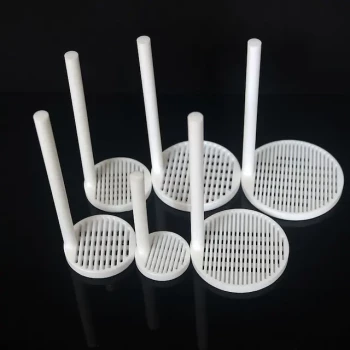
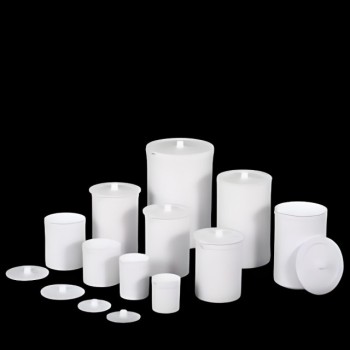
Sample Preparation & Filtration
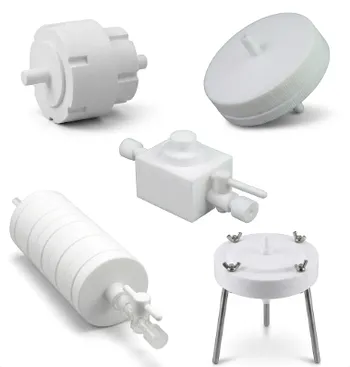
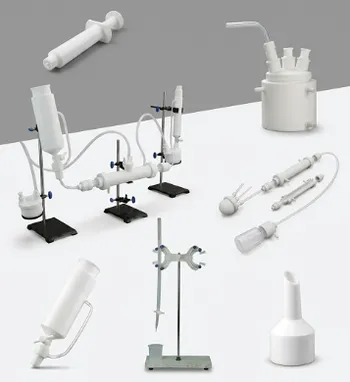
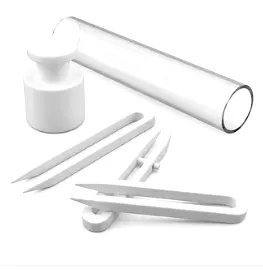
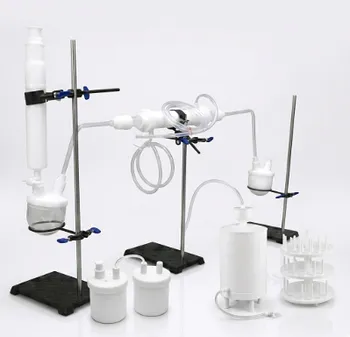
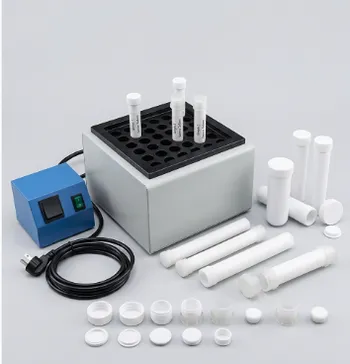
High-Purity & Trace Analysis

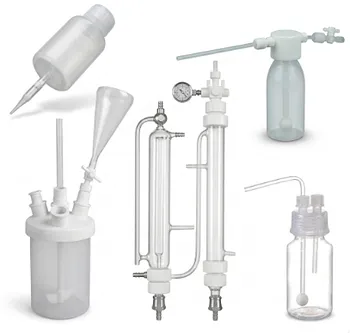
Custom Machining Services
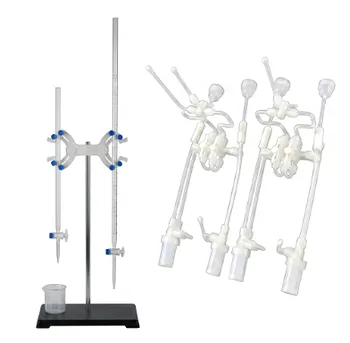
General Consumables & Seals
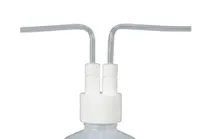
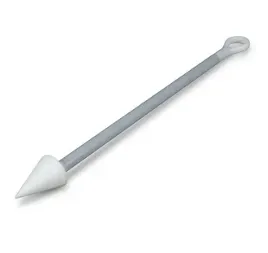
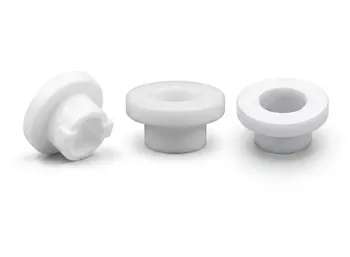
Electrochemistry & New Energy Testing
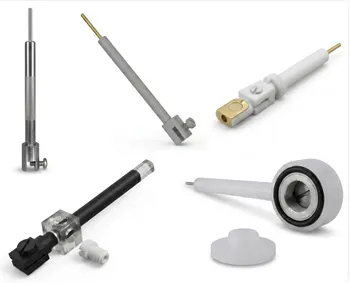


Fluid Transfer, Tubing & Valves
Products
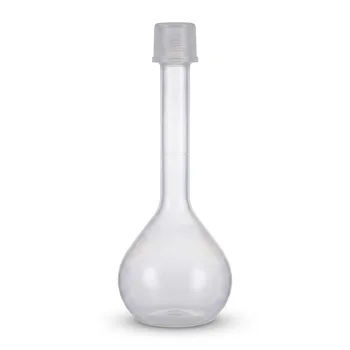
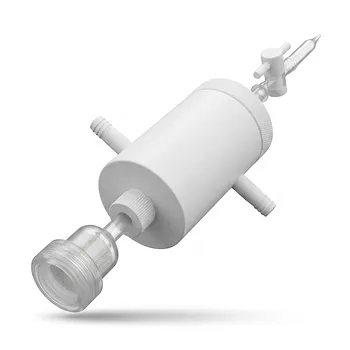
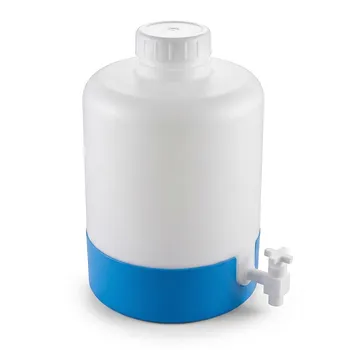
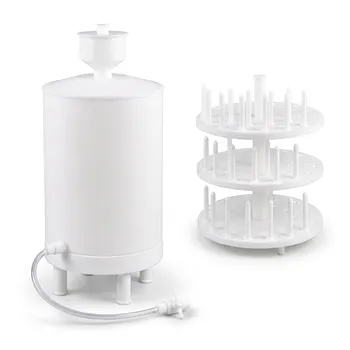

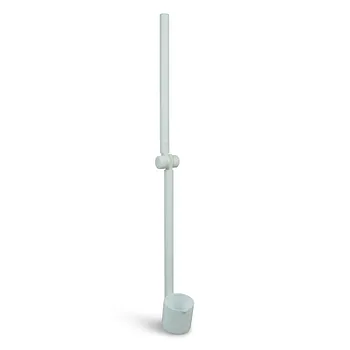

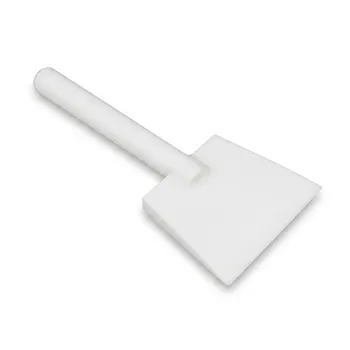
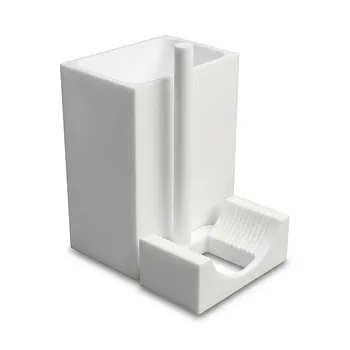
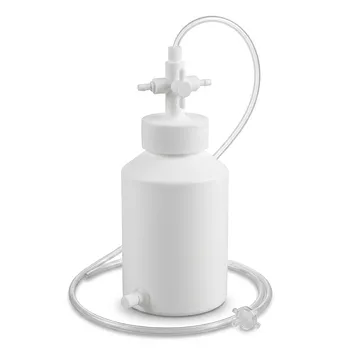
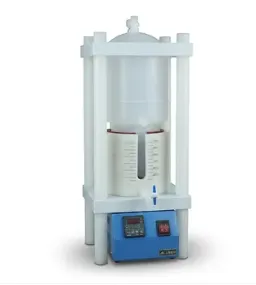
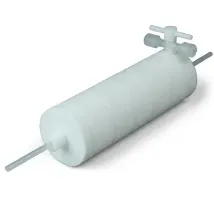
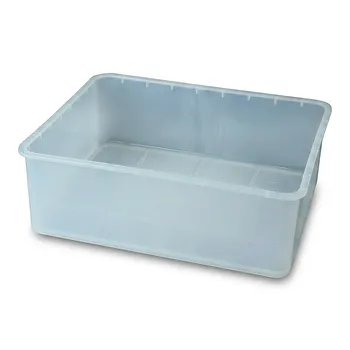
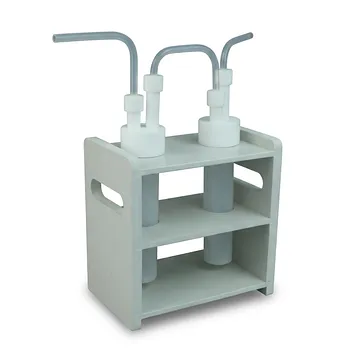
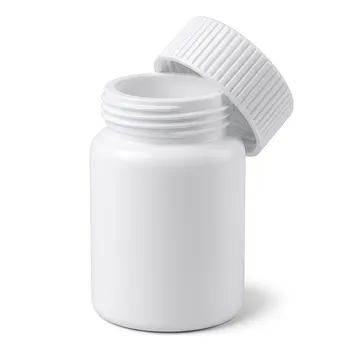
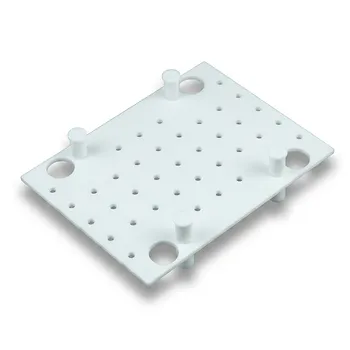
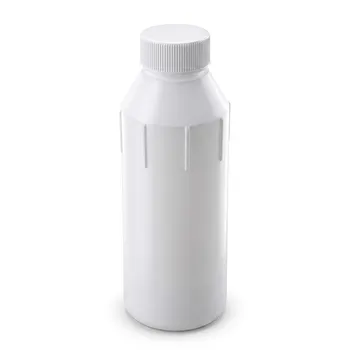
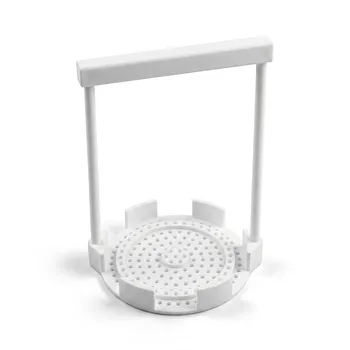
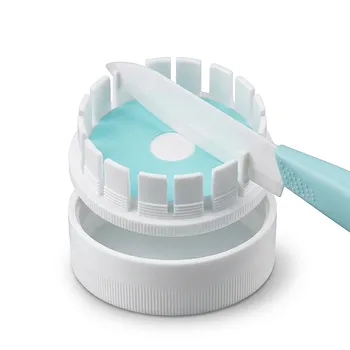
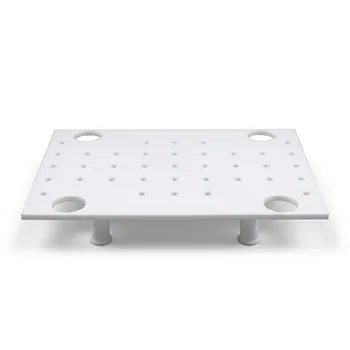
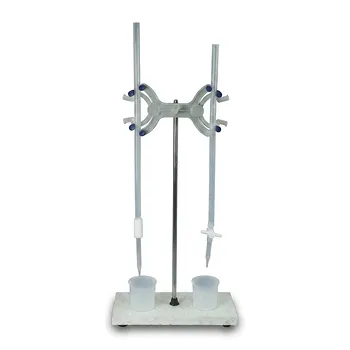
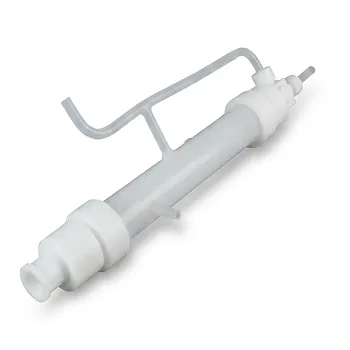
High Purity PTFE Gravity Leaching System for Trace Analysis and Pure Water Filtration
Item Number: PL-CP119
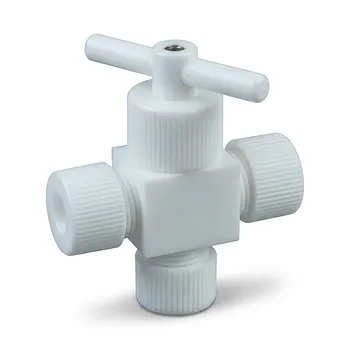
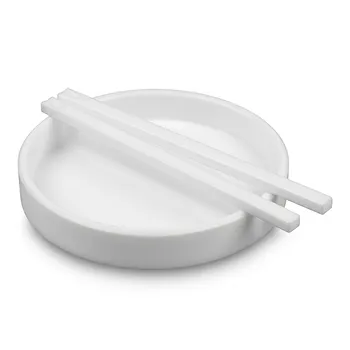
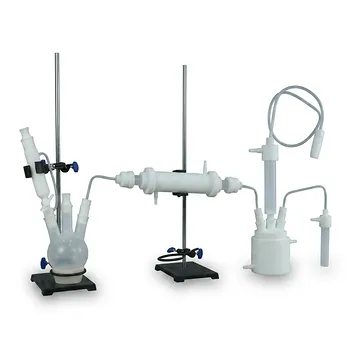
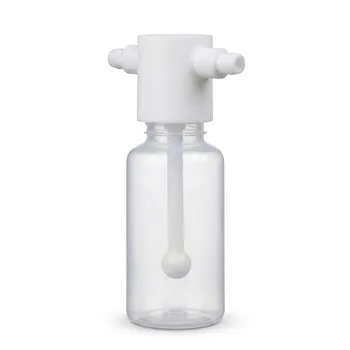
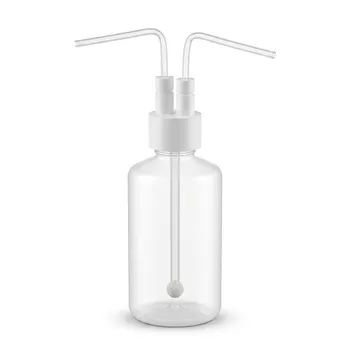

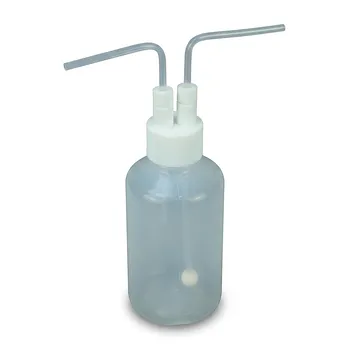
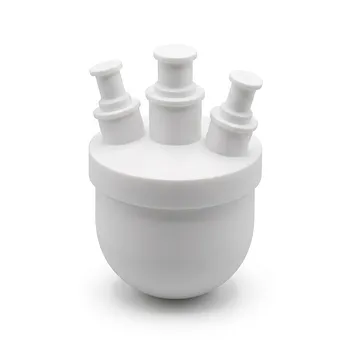
Custom High Purity PTFE Multi Neck Flask 200ml Chemical Synthesis Reaction Vessel
Item Number: PL-CP256
REQUEST A QUOTE
Our professional team will reply to you within one business day. Please feel free to contact us!
Related Articles
Why Your RDE Data Isn’t Following the Levich Equation—And How the Shroud Fixes It
Struggling with inconsistent RDE results? Learn how the precision of your PTFE shroud dictates hydrodynamic stability and why it's the key to accurate Levich plots.
Is Your Electrode Housing Corrupting Your Data? Why PTFE Jackets Are Crucial for Precise Electrochemistry
Discover why electrode housing affects data accuracy and how precision-machined PTFE jackets prevent parasitic currents and mechanical failure in research.
Why Your Labware Fails Under Thermal Stress—and the Chemistry of the One-Vessel Solution
Discover how PFA laboratory products maintain integrity from -200°C to +260°C, ensuring data accuracy in semiconductor and trace analysis applications.
Invisible Obstacles: Why Your "Clean" Labware Might Still Be Sabotaging Your Trace Analysis
Discover why traditional labware causes cross-contamination in trace analysis and how PFA's unique molecular structure provides a zero-memory solution.
Why Flawless Displays Begin with the "Invisible" Physics of PTFE Flower Baskets
Discover why high-tech display yields often fail due to substrate contamination and how precision-engineered PTFE flower baskets solve the "ghost defect" problem.
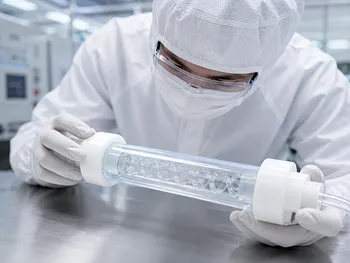
Why Trace Contamination Still Haunts Your Yields—And the Overlooked Role of Condenser Surface Integrity
Learn how PTFE condenser tubes prevent ionic leaching and particle entrapment, securing sub-ppb purity and protecting silicon wafer yields in semiconductor manufacturing.
Why Your Results Drift in Harsh Electrolytes—and the Atomic Armor That Fixes It
Discover how the molecular structure of PTFE prevents contamination and equipment failure in battery testing and chemical research, ensuring long-term data integrity.
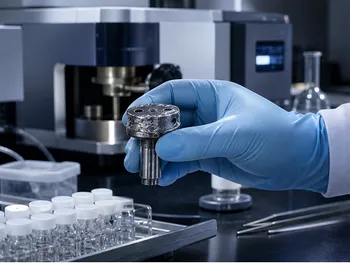
The Phantom Contaminant: Why Your Metal Rotors Are Sabotaging Your ICP-MS Results
Discover why PTFE rotors outperform metal in analytical instrumentation. Learn how to eliminate trace contamination and corrosion in ICP-MS and chemical research.
Why Your pH Sensors Drift in Harsh Media—And the Material Science That Stops It
Stop constant sensor recalibration. Discover why ceramic junctions fail in industrial processes and how porous PTFE junctions provide a clog-resistant, low-maintenance solution.
Why Your PTFE Valves Leak at High Temperatures—and How to Master the "Creep" Factor
Discover the real-world temperature and pressure limits of PTFE valves. Learn why "cold flow" causes leaks and how precision engineering solves it.
Why Your High-Performance PTFE Seals Are Leaking—And How to Restore Their "Memory"
Discover why PTFE seals fail due to creep and cold flow, and how spring-energized designs provide the permanent resilience needed for extreme environments.
Why Standard Tubing Fails in High-Performance Systems—And How High-Precision PTFE Secures the Modern Vehicle
Discover why standard fluid lines fail in EVs and high-heat engines, and how precision PTFE engineering provides the thermal and electrical isolation required for modern automotive safety.
Why Your PTFE Liner Fails Before Its Melting Point: The Truth About Hydrothermal Temperature Limits
Discover why PTFE reactor liners fail at 220°C despite higher melting points. Learn how to choose between PTFE and PPL for safe, high-pressure synthesis.
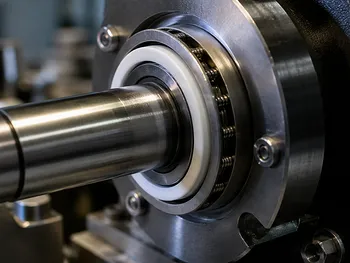
Stop Chasing Leaks: Mastering PTFE Sealing Performance Across Extreme Temperatures
Learn why PTFE seals fail at temperature extremes and how precision engineering—from spring energizers to custom CNC fabrication—ensures leak-free performance.
Why Your "Perfect" PTFE Seals Are Leaking Under Pressure—and How to Stop the Flow
Discover how PTFE fillers like glass, carbon, and bronze eliminate "cold flow" and increase wear resistance by 1000x for high-pressure industrial sealing.
Beyond "Indestructible": Understanding the Critical Limits of PFA for Ultra-Trace Integrity
Discover the physical and thermal limits of PFA labware. Learn how to prevent chain scission and surface contamination to ensure ultra-trace analysis accuracy.
Why Your PTFE Connections Leak Under Pressure—And the Precision Engineering That Stops It
Discover why standard fittings fail in high-purity labs and how the four-part mechanics of a two-ferrule PTFE connector ensure a leak-proof, high-grip seal.
Why Your High-Purity Fluid Systems Keep Failing: The Hidden Culprit in Your Connectors
Discover why standard fluid connectors fail in corrosive environments and how precision-machined PTFE components ensure leak-free, high-purity performance.
The Hidden Culprit Behind Batch Contamination: Why Your Sterilization Protocol Might Not Be Enough
Discover how high-precision PTFE valves eliminate leaching and cross-contamination in pharma and biotech, ensuring USP Class VI compliance and process purity.
Why Your Samples Stick and Your Valves Jam: Solving Laboratory Inefficiencies Through Surface Science
Discover how PTFE’s low friction coefficient (0.05–0.10) and non-stick properties prevent sample loss, contamination, and mechanical failure in high-precision labs.