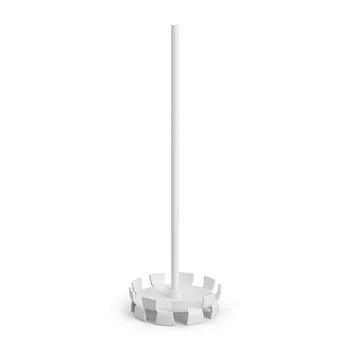
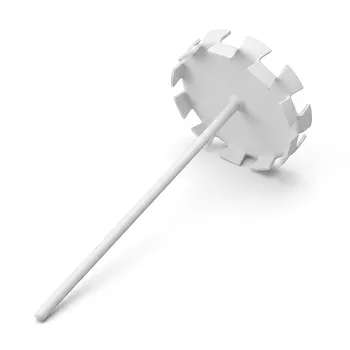
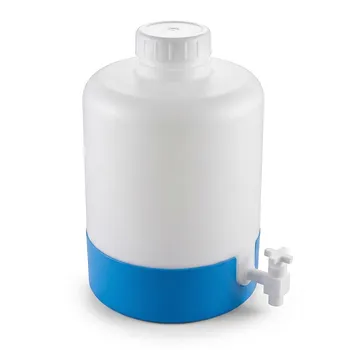
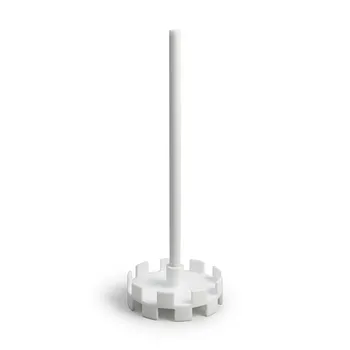
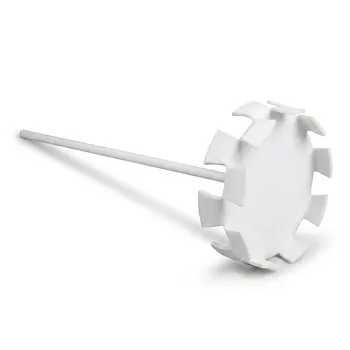
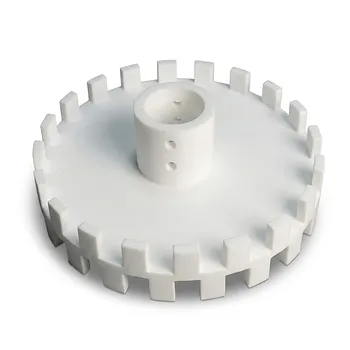
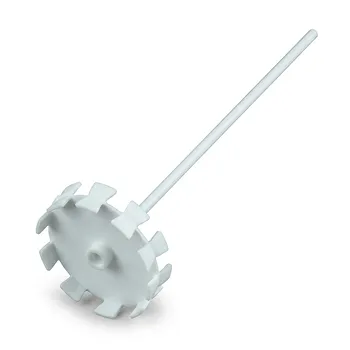
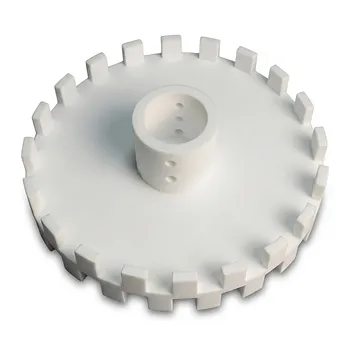
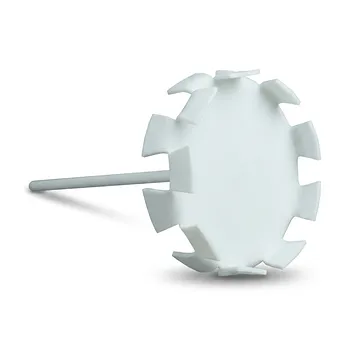
Industrial PTFE rotors are primarily constructed as solid components, reinforced composites, or encapsulated metal cores. These designs allow the rotor to leverage PTFE’s extreme chemical inertness while compensating for its inherent mechanical limitations under high torque or pressure. The specific construction choice depends on the balance required between absolute purity and the mechanical stress of the industrial process.
Core Takeaway: PTFE rotors provide a unique solution for handling aggressive fluids by combining a non-reactive surface with specialized internal reinforcements to ensure dimensional stability and long-term durability in high-stress environments.
Standard Construction Methods for Industrial Rotors
Solid PTFE Fabrication
Solid PTFE rotors are machined or molded entirely from pure resin, offering the highest level of chemical purity. Because there is no internal core, there is zero risk of core exposure if the rotor surface is damaged or worn down.
These components are typically used in smaller-scale laboratory equipment or low-torque applications where contamination prevention is the primary concern. However, solid construction is limited by the material's tendency to flex or deform under high mechanical loads.
Encapsulated Stainless Steel Cores
For high-torque applications like industrial stirrers or large impellers, PTFE is often coated or molded over a stainless steel core. This hybrid construction provides the structural rigidity of metal with the chemical protection of a thick PTFE outer layer.
The metal core prevents the rotor from bending or "creeping" during high-speed rotation. This is the preferred method for industrial-scale mixing where the rotor must withstand the resistance of viscous fluids without sacrificing chemical resistance.
Filled PTFE Composites
Engineers often use "filled" grades of PTFE to improve the material’s physical properties without losing its non-stick benefits. Common fillers include glass fibers or carbon, which significantly increase the material’s compressive strength and wear resistance.
Filled composites are essential for rotors used in abrasive duties, such as wastewater treatment or slurry handling. These additives help maintain dimensional stability and extend the service life of the rotor in environments where pure PTFE would wear too quickly.
Key Material Properties Driving Selection
Chemical Inertness and High Purity
The primary reason for selecting PTFE is its exceptional chemical inertness, which allows it to remain stable when exposed to aggressive acids, bases, and organic solvents. This prevents the rotor from degrading or leaching impurities into the process fluid.
Furthermore, the non-polar, non-stick surface of PTFE prevents residue buildup. This makes the rotors easier to clean and ensures that high-purity fluid handling is not compromised by cross-contamination between batches.
Low Friction and Thermal Stability
PTFE has an extremely low coefficient of friction (0.05–0.10), which allows for smooth rotation and reduces heat buildup at the shaft interface. This often eliminates the need for external lubricants that could contaminate the media.
Additionally, the material maintains its integrity across a wide temperature range, from −200 °C up to +260 °C. This thermal stability ensures that the rotor performs reliably in both cryogenic applications and high-heat industrial reactors.
Understanding the Trade-offs
The Challenge of Mechanical Strength
While PTFE is superior in chemical resistance, it has significantly lower mechanical strength than traditional metals. In high-pressure environments, pure PTFE can suffer from "cold flow" or permanent deformation over time.
Wear and Abrasion Limits
Although low-friction, pure PTFE is relatively soft and susceptible to abrasive wear if the process fluid contains hard solids. Using reinforced (filled) grades is often necessary to prevent premature failure, though this may slightly reduce the material's total chemical resistance depending on the filler used.
How to Apply This to Your Project
Making the Right Choice for Your Goal
- If your primary focus is absolute fluid purity: Choose a solid PTFE construction to eliminate any risk of core material leaching into the process.
- If your primary focus is high-speed mixing or high torque: Select a PTFE-encapsulated stainless steel core to provide the necessary structural rigidity.
- If your primary focus is handling abrasive slurries or high pressure: Utilize carbon-filled or glass-filled PTFE composites to maximize wear resistance and dimensional stability.
Choosing the correct PTFE construction ensures your equipment remains operational in the most demanding chemical environments while minimizing the risk of mechanical failure.
Summary Table:
| Construction Type | Key Advantage | Best Application |
|---|---|---|
| Solid PTFE | Maximum chemical purity; zero core exposure risk | Lab-scale equipment & low-torque processes |
| Encapsulated Metal Core | High structural rigidity & torque resistance | Industrial-scale mixing & viscous fluids |
| Filled PTFE Composites | Enhanced wear resistance & dimensional stability | Abrasive slurries & high-pressure environments |
| Thermal Range | Stability from -200°C to +260°C | Cryogenic to high-heat industrial reactors |
Optimize Your Lab Performance with KINTEK Fluoropolymer Excellence
Elevate your fluid handling and reaction processes with KINTEK’s precision-engineered PTFE and PFA solutions. Whether you require high-purity solid rotors, reinforced encapsulated cores for high-torque industrial mixing, or specialized filled composites for abrasive duties, we provide the durability your process demands.
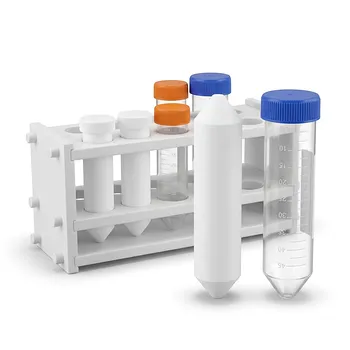
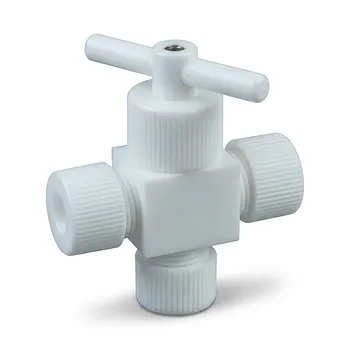
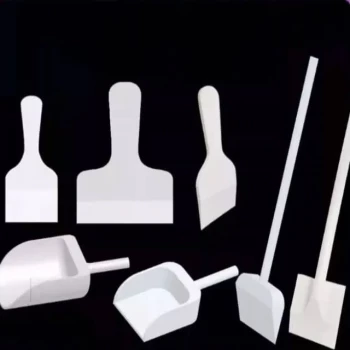
From everyday basic labware (beakers, measuring cylinders, crucibles, dishes, reagent/wash bottles, centrifuge and digestion tubes) and high-purity trace analysis instruments to comprehensive fluid transfer components (tubing, fittings, valves), and advanced reaction apparatus like hydrothermal synthesis liners and microwave digestion vessels, KINTEK manufactures virtually all imaginable laboratory supplies crafted from high-performance fluoropolymers.
Backed by end-to-end custom CNC fabrication, we are equipped to deliver everything from complex non-standard machined parts and bespoke laboratory setups to high-volume orders.
Ready to upgrade your equipment? Contact us today to discuss your custom specifications and experience the KINTEK advantage in high-performance materials!
Related Products
- Large Capacity PTFE Reaction Bottle 2L Wide Mouth Fluoropolymer Extraction Vessel Compatible with Rotary Agitators
- Custom Graphite Filled PTFE Rods for Advanced Industrial Applications
- Customizable PTFE Rods for Advanced Industrial Applications
- High Corrosion Resistant PTFE Faucet Polytetrafluoroethylene Valve for Chemical Storage Drums and Fluid Transfer Systems Customizable Industrial Grade
- Custom PTFE Dispersing Disc and Stirring Rod for Chemical Processing and Laboratory Mixing
People Also Ask
- Ion Activation Reaction Vessel Requirements: Why PTFE is Critical for Membrane Performance
- Why is a PTFE reaction vessel required for Ti3C2Tx MXene synthesis? Ensure Safe HF Etching & High Purity
- Why are fluoroplastic (PTFE) reaction vessels recommended for Methylene Blue (MB) adsorption kinetic experiments?
- Why are high-purity PTFE or PFA reaction vessels recommended for the synthesis of PANI-TiC hybrid materials? - Guide
- What reaction vessel and fluid handling considerations are necessary for living cationic polymerization of fluorinated monomers involving Lewis acid catalysts? Key design and safety tips